How Sweden’s Tax-Funded Healthcare Works: Regions, Costs, and Coverage
The most jarring realization for any new arrival in Sweden is that "free healthcare" is a bit of a myth. I remember standing at a reception desk in Malmö with a fever, only to be told I needed to pay 250 SEK upfront and show an ID I didn't yet possess. This guide untangles the regional bureaucracy and cost structures to help you navigate the system like a local.
Understanding the Structure: National Policy vs Regional Reality
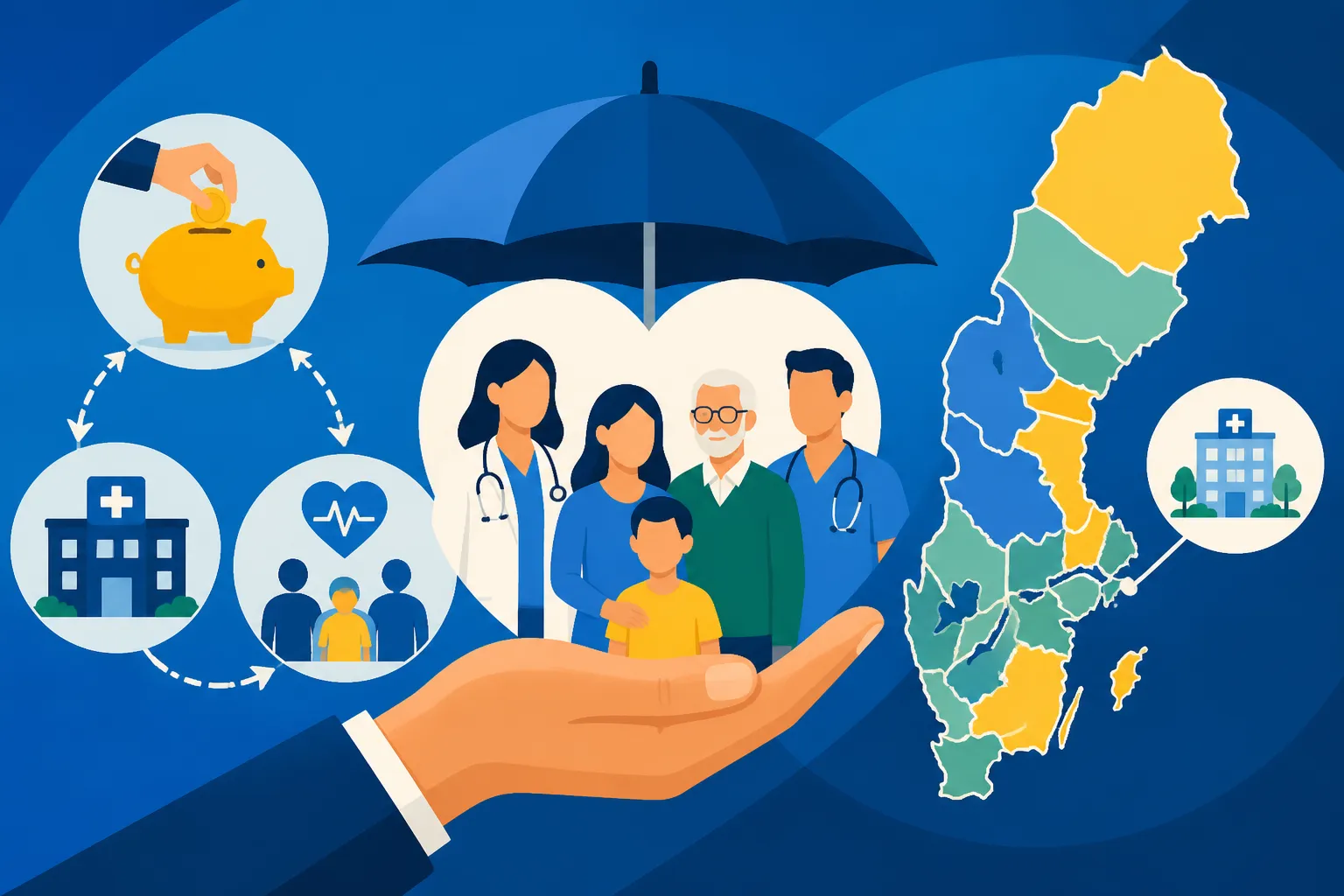
When you first arrive, you might think the Swedish healthcare system is a single, monolithic entity managed from a shiny office in Stockholm. In reality, it is one of the most decentralized systems in the world. While the national government sets the overarching laws and patient rights, the actual delivery of care is managed by 21 independent regions. This is why your experience in Västra Götaland might feel completely different from your friend’s experience in Uppsala.
The Role of the 21 Regions
The regions are the heart of the system. They are responsible for everything from funding the local hospitals to deciding how much a doctor's visit will cost you. Because they are funded primarily through local income taxes, their budgets and priorities vary. For example, Region Stockholm might have a wider array of private clinics integrated into the public system compared to a more rural region like Norrbotten.
This decentralization means that "healthcare in Sweden" is actually 21 different versions of the same dream. Each region has its own administrative body, known as a Regionfullmäktige, which is elected by the residents. These officials decide the patient fees, the number of health centers available, and the local wait-time targets. If you feel like the system is moving slowly, it’s often a regional logistical issue rather than a national policy failure. Understanding this distinction is vital because your rights and costs are often tied to where you are registered in the population register (folkbokföring).
Municipal Responsibilities for Care
While the regions handle the doctors and hospitals, the 290 municipalities (kommuner) handle the long-term stuff. This includes elderly care, support for people with disabilities, and school health services. If you have a child in the Swedish school system, their routine check-ups and vaccinations are often handled by the municipality, not your local doctor's office.
This split can sometimes lead to what expats call "the administrative gap." If an elderly relative needs care that transitions from a hospital (Region) to home-based support (Municipality), there is a handoff process that requires a lot of communication. As a foreigner, you might find yourself navigating two different sets of websites and contact numbers depending on whether you’re looking for a flu shot or help with a chronic disability. Knowing which entity is responsible for what saves you hours of redirected phone calls.
The Government Supervisory Role
At the very top, the Ministry of Health and Social Affairs and the National Board of Health and Welfare (Socialstyrelsen) keep a watchful eye. They don't run the clinics, but they set the "rules of the game." They determine which medicines are subsidized and ensure that a patient in a remote village gets the same standard of care as someone living next to Karolinska University Hospital.
For newcomers, this national oversight provides a safety net called the Vårdgaranti, or the "Care Guarantee." It essentially promises that you shouldn’t have to wait more than 90 days to see a specialist or get an operation. If your local region can’t meet this, they are legally obligated to pay for you to get care in another region. It’s a powerful tool for expats who find themselves stuck on a seemingly endless waiting list for a routine procedure.
Accessing the System: Registration and the Personnummer
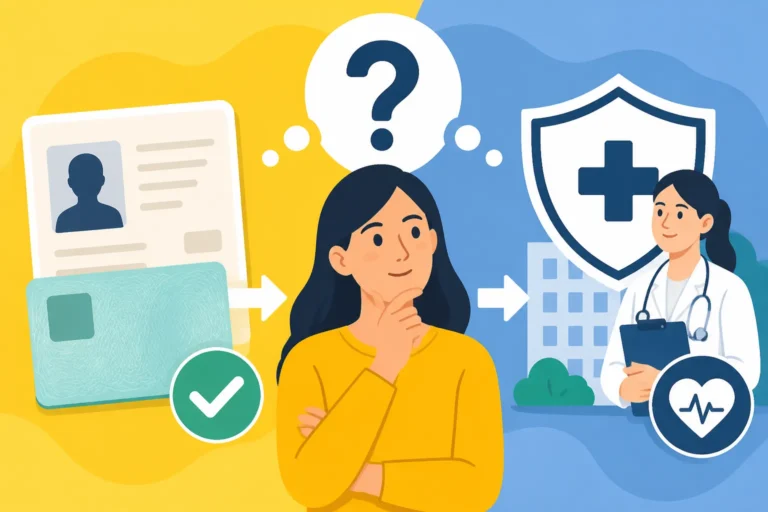
The absolute biggest hurdle for any expat is the "Swedish catch-22": you need a Personnummer to access the healthcare system easily, but you often need to be in the country for months to get one. Many newcomers panic when they get a sore throat during their first month, thinking they are completely locked out of care.
Getting Your Personnummer
Your Personnummer is the ten-digit (or twelve, including the century) key to your life in Sweden. It links your medical records, your prescriptions, and your insurance status. Without it, you are a "ghost" in the digital system. You apply for this at Skatteverket (the Tax Agency) as soon as you move.
The wait times for this number have fluctuated wildly over the last few years, sometimes stretching to several months. During this waiting period, you are in a bit of a limbo. If you are an EU citizen, you can use your EHIC card. If you are from outside the EU, this is where having temporary coverage from a provider like SafetyWing becomes a literal lifesaver. They can bridge the gap between your arrival and the moment your Personnummer finally arrives in the mail, ensuring you aren't paying thousands of kronor out of pocket for an emergency. You should read more about Getting Your Personnummer: The Gateway to Swedish Healthcare to understand how this impacts your long-term access.
Registering with a Vårdcentral
Once you have your number, your first task is to choose a primary care center, or Vårdcentral. Unlike some countries where you are assigned a doctor based on your street address, Sweden has "Vårdval" (Care Choice). This means you can pick any health center in your region that has capacity. Most people choose the one closest to their home or work, but you can also choose based on reputation or the availability of English-speaking staff.
Registering is usually as simple as logging into the 1177.se portal with your BankID (which you get after your Personnummer) and selecting your clinic. If you don't have BankID yet, you can physically go to the clinic and fill out a paper form. Being registered at a Vårdcentral makes it much easier to book appointments and ensures that your medical history stays in one place. Newcomers should look into How to Register with a Vårdcentral After Getting Your Personnummer as their very first administrative task after getting their ID card.
Handling Care Without a Personnummer
So, what happens if you get sick before that magic number arrives? You are still entitled to "care that cannot be deferred" (vård som inte kan anstå). You won't be turned away from an emergency room, but the administrative process will be manual. The clinic will issue a "reservnummer" (temporary number) for their internal records.
The catch here is the cost. Without being registered in the population register, you may be charged the full "unsubsidized" cost of care, which can be ten times the standard patient fee. This is another scenario where having international insurance like Cigna Global is vital. They are used to dealing with high-cost claims and can provide the necessary guarantees to Swedish hospitals so you aren't stuck with a massive bill while you're still trying to figure out how to use the communal laundry room. For a deeper dive into this specific anxiety, check out Can I See a Doctor in Sweden Before I Get My Personnummer?.
The Cost of Care: Patient Fees and Subsidies
Many people move to Sweden expecting a "single-payer" system where you never pull out your wallet. While the system is heavily subsidized by taxes, there is a small out-of-pocket fee for almost every interaction. These fees are designed to prevent the system from being overwhelmed by minor issues, but they are capped to ensure no one goes bankrupt from being sick.
Standard Patient Fees
Every time you visit a doctor, a specialist, or an emergency room, you will pay a "patientavgift." The exact amount depends on your region. In 2026, a visit to a GP at your Vårdcentral typically costs between 200 and 300 SEK. If you need to see a specialist, the fee usually jumps to around 400 SEK. An ER visit is the most expensive, often landing around 400 to 500 SEK.
These fees apply regardless of whether the clinic is run by the Region or is a private clinic that has an agreement with the Region. It’s important to note that if you miss an appointment without canceling (usually 24 hours in advance), you will be charged the full fee plus an administrative penalty—and this doesn't count toward your high-cost ceiling. You can find a detailed breakdown in Understanding Patient Fees (Patientavgift) Across Sweden's 21 Regions.
The High-Cost Ceiling (Högkostnadsskydd)
Sweden has a wonderful safety net called the Högkostnadsskydd. This ensures that no one has to pay more than a certain amount for healthcare within a 12-month period. For 2026, this limit is set at 1,400 SEK (though it adjusts slightly every year). Once you have paid 1,400 SEK in patient fees, you receive a "Frikort" (Free Card), and all subsequent visits for the remainder of that 12-month period are free.
The system is almost entirely digital now. When you pay at a clinic, the amount is automatically logged against your Personnummer. Once you hit the limit, the reception desk will see it on their screen, and you won't be asked to pay. This 12-month period starts from the date of your first paid visit, not the calendar year. It’s a massive relief for those of us managing chronic conditions. For the nitty-gritty on how this works, see The Högkostnadsskydd Explained: Sweden's Healthcare Cost Ceiling and Frikort.
Prescription Costs and Subsidies
Medicines are handled under a separate but similar high-cost ceiling. When you are prescribed a medication that is part of the national subsidy scheme, you pay the full price up to a certain point, and then the government starts covering a percentage. Once your out-of-pocket spending on prescriptions hits 2,850 SEK (the 2026 threshold), all subsequent prescriptions for that 12-month period are free.
This system is fantastic because it makes life-saving medications accessible. However, it only applies to prescription drugs that are "subsidized." Some specialized or new medications might not be on the list. When you go to an Apotek (pharmacy), you just show your ID, and they can see exactly where you are on your "staircase" of subsidies. It’s a very smooth process that you can read more about in Prescription Medicines in Sweden: Recept, Refills, and the Cost Cap.
| Service Type | Typical Regional Fee (2026) | Included in High-Cost Cap? |
|---|---|---|
| GP / Vårdcentral Visit | 200 – 300 SEK | Yes |
| Specialist Consultation | 400 SEK | Yes |
| Emergency Room (Akuten) | 400 – 500 SEK | Yes |
| Hospital Stay (per night) | 130 SEK | No (separate cap) |
| X-rays / Lab Tests | 0 – 200 SEK | Usually Yes |
| Dental Check-up | 800 – 1,200 SEK | No |
Types of Care: From Primary to Specialist Services
The Swedish healthcare journey almost always starts at the primary level. Unlike some systems where you can call a cardiologist directly because your heart feels funny, Sweden relies heavily on the "gatekeeper" model. This is designed to ensure specialists are only seeing people who truly need their expertise.
Primary Care (Vårdcentral)
The Vårdcentral is your medical home. This is where you go for everything from a persistent cough to mental health struggles or skin rashes. These centers are staffed by General Practitioners (GPs), nurses, physiotherapists, and often psychologists.
When you call for an appointment, you will usually speak to a nurse first. They are highly trained and perform "triage," deciding if you need to see a doctor today, next week, or if you can manage your symptoms at home with over-the-counter medicine. This can be frustrating for expats used to immediate doctor access, but it’s how the system stays afloat. If you want more control over who you see, check out Finding a Doctor in Sweden: GPs, Specialists, and the Referral System.
The Referral (Remiss) System
If your GP decides that your issue requires a specialist—like a dermatologist or an orthopedic surgeon—they will write a "remiss" (referral). This is a digital document sent to the specialist's clinic explaining your case. The specialist then reviews the remiss and decides how urgently you need to be seen.
You can also write a "self-referral" (egenremiss) to many specialist clinics, but a referral from a GP often carries more weight and can sometimes result in a lower patient fee. The referral system is the primary way the Swedish system manages its 90-day care guarantee. If you’re curious about how to speed this up, you should read How the Referral (Remiss) System Works for Seeing a Specialist in Sweden.
Dental Care: The Expensive Exception
Here is the part where I have to warn you: dental care in Sweden is not part of the standard healthcare system for adults. It is heavily privatized and significantly more expensive. While healthcare is capped at 1,400 SEK, you could easily spend 10,000 SEK on a single dental procedure.
The state does provide a small annual subsidy called the Tandvårdsbidrag (usually 300 or 600 SEK depending on your age), and there is a separate high-cost protection for dental work, but it’s much higher than the medical one. Many expats choose to stick with private clinics for dentistry because the prices are more transparent. For children, however, dental care is completely free until the age of 23. You can find more details in Dental Care in Sweden: Folktandvården, Costs, and the Tandvårdsbidrag.
Emergency and Urgent Care in Sweden
Knowing where to go when things go wrong at 2 AM is the most important piece of knowledge you can have. The Swedish emergency system is efficient, but it is strictly tiered. If you show up at the ER with a minor sprain, you will likely wait for eight hours while they treat more serious cases.
When to Call 112 or 1177
In Sweden, there are two numbers you must memorize. 112 is for life-threatening emergencies only—heart attacks, major accidents, or severe breathing difficulties. For everything else that isn't an emergency but can't wait until the Vårdcentral opens on Monday, you call 1177.
1177 Vårdguiden is a national telephone nursing service available 24/7. They provide medical advice in Swedish and English and can tell you exactly which clinic is open and whether you need to go to the ER or can wait. They are the "brains" of the system. I’ve called them many times with a sick toddler, and their advice has saved me countless unnecessary trips to the hospital. You can learn more about this at 1177 Vårdguiden: Navigating Sweden's National Health Advice Line and Portal.
Akutmottagning: The ER Experience
If you do end up at an Akutmottagning (Emergency Room), be prepared for a wait. Upon arrival, you will be triaged by a nurse who will categorize your urgency. The waiting rooms in Swedish hospitals are generally calm and clean, but the wait times in cities like Stockholm or Gothenburg can be significant during peak hours.
One thing that surprises many expats is that you still have to pay the patient fee (usually around 400 SEK) at the ER. If you are admitted to the hospital, you don't pay for the treatments or surgeries, but you do pay a small daily fee for your bed and meals (around 130 SEK per day). This daily fee is not included in the 1,400 SEK high-cost cap, though it has its own separate ceiling. For a guide on what to bring with you, see Emergency Medical Care in Sweden: 112, Akutmottagning, and Urgent Help.
Emergency Dental and Urgent Clinics
If you have an urgent medical issue that isn't a life-and-death emergency, look for a "Närakut" or "Jourcentral." These are urgent care centers that deal with things like broken bones, deep cuts, or high fevers that need immediate attention but don't require the full resources of a hospital. They have much shorter wait times than the ER.
For dental emergencies, there are specialized "Tandläkarakuten" clinics. These are often private but open late and on weekends. Be aware that the fees for emergency dental visits are significantly higher than regular appointments, often including a weekend or "after-hours" surcharge. It is always best to call 1177 first to see which Närakut or emergency dentist is currently accepting patients.
Complementing Public Care: Private Insurance and Options
While the public system is the backbone of Swedish life, more and more Swedes and expats are turning to private insurance (sjukvårdsförsäkring) to bypass the waiting lists. It’s important to understand that private insurance in Sweden doesn't replace the public system; it acts as a "fast-track" to specialist care.
Why Expats Consider Private Health Insurance
The main reason people get private insurance in Sweden is speed. While the public system is world-class for emergencies and cancer care, it can be slow for "quality of life" issues, like a knee injury that isn't life-threatening but prevents you from running. With private insurance, you can often see a specialist within days rather than months.
For newcomers, private insurance also offers peace of mind. Companies like Cigna Global provide comprehensive international plans that cover you both in Sweden and when you travel home. This is particularly useful for expats who might want the option of returning to their home country for major surgeries or who want a higher level of "hotel-style" comfort in a private hospital wing. You can explore the pros and cons in Private Health Insurance in Sweden: When Sjukvårdsförsäkring Is Worth It.
Insurance for New Arrivals
If you are moving to Sweden on a residence permit that is for less than a year, or if you are still waiting for your Personnummer, you are in a vulnerable position. The Swedish state will not cover your non-emergency costs, and those costs can be staggering. This is where SafetyWing is incredibly helpful for the digital nomad or the "sambo" (partner) moving here.
SafetyWing offers flexible, month-to-month coverage that is designed for people who are in between systems. It satisfies the insurance requirements for many visa types and ensures that if you get a nasty infection or break an arm in your first week, you aren't starting your new Swedish life with a mountain of debt. It’s the "safety net for the gap."
Employer-Provided Sjukvårdsförsäkring
Many tech companies and international firms in Sweden offer private health insurance as a job benefit. This is a taxable benefit, meaning you pay a small amount of income tax on the value of the policy, but it gives you access to a network of private clinics.
If your employer offers this, take it. It usually includes a dedicated phone line where you can speak to a nurse who will book appointments for you at private specialists. It essentially allows you to skip the Vårdcentral gatekeeper for many issues. However, remember that for emergencies, maternity care, and serious chronic illnesses, even private insurance will eventually route you back into the robust public system, as that’s where the most specialized equipment and intensive care units are located.
Navigating Digital Health: 1177 and BankID
Sweden is a global leader in digital health. Once you are "in" the system, almost everything happens through your smartphone. This is incredibly convenient once you set it up, but it can feel like a high wall to climb if you aren't tech-savvy.
Using the 1177 Portal
The 1177.se website and app are the central nervous system of Swedish healthcare. Once you log in with your BankID, you can see your entire medical history, read your doctor's notes (yes, you can see exactly what they wrote about you!), check your lab results, and manage your prescriptions.
You can also use the portal to message your doctor. If you just need a repeat prescription or have a quick question about a medication, you can send a message through the portal rather than booking a whole appointment. This is one of the best features of the system. You should definitely read How Do I Log Into 1177.se with BankID? to get yourself set up as soon as possible.
Digital Doctor Apps
In addition to the public 1177 app, there are private "digital first" providers like Kry and Min Doktor. These companies have agreements with the regions, meaning a video consultation often costs the same as a regular Vårdcentral visit (and counts toward your high-cost cap).
These apps are perfect for things like prescriptions, sick notes for work, or minor rashes. They are very popular with expats because they almost always have English-speaking doctors available within minutes. However, if your issue requires a physical examination, the digital doctor will refer you to a physical Vårdcentral. It’s a great first step for non-emergency issues. For more on this, check Booking Doctor Appointments Online Through 1177.se with BankID.
Managing Records and Privacy
One thing that shocks some expats is how "open" the medical records are. In Sweden, your records are generally shared between different clinics within the same region to ensure continuity of care. If you see a specialist in Stockholm, your GP at your local Vårdcentral can see those notes.
You have the right to "block" your records if you don't want them shared, but this can make care more difficult as doctors won't have the full picture of your health. The system is designed around trust and efficiency. The privacy protections are very strong, and only medical staff directly involved in your care are allowed to access your files. You can find more details on this in Your Health Records and Privacy on Sweden's Digital Health Platforms.
Family Health: Pregnancy, Children, and Beyond
If you are moving to Sweden with a family, or planning to start one, you are in for a treat. This is where the Swedish system truly shines. The support for mothers and children is world-renowned and almost entirely free.
Maternity Care (Mödravård)
If you find yourself pregnant in Sweden, your first call isn't to a doctor, but to a Barnmorskemottagning (BMM) or "Mama Mia" style clinic. Pregnancy care is managed entirely by midwives (barnmorskor). They handle all your check-ups, blood tests, and ultrasounds. You only see a doctor if there is a complication.
The care is comprehensive and completely free of charge. This includes all antenatal visits and the actual birth at the hospital. The midwives are highly empowered and provide a very "natural-first" approach to birth, though pain management like epidurals is readily available. It’s a warm, supportive system that you can read all about in Maternity Care in Sweden: Mödravård, Midwives, and Giving Birth.
Child Health Services (BVC)
After the baby is born, your care transitions to the Barnavårdscentral (BVC). This is a specialized clinic for children from birth until they start school. A dedicated BVC nurse will follow your child's development, handle all routine vaccinations, and offer advice on everything from breastfeeding to sleep training.
Like maternity care, BVC is free. It is a wonderful resource for expat parents who might not have their own families nearby for advice. The nurses often organize "parent groups" (föräldragrupper) where you can meet other parents in your neighborhood who have babies the same age. This is often the primary way expats make their first "real" Swedish friends. You should check out Child Health in Sweden: How Barnavårdscentralen (BVC) Supports Families for a roadmap of what to expect.
Mental Health Support for Newcomers
Moving to a new country is hard, and the long, dark Swedish winters can take a toll on your mental health. The Swedish system has been working hard to improve its mental health access, though wait times for psychologists can still be long.
Your first stop for mental health support is always your Vårdcentral. They can provide initial counseling and, if necessary, write a referral to a specialist psychiatric clinic. For many expats, the private route is more common for therapy, as it’s easier to find a therapist who shares your native language and culture. If you’re struggling, don’t wait; look into Mental Health Support in Sweden: Psychologists, Therapy, and Referrals to find the right path for you.
Disclaimer
The information provided in this guide is for informational purposes only and does not constitute medical or legal advice. While we strive to keep our content up to date, healthcare regulations and fees in Sweden can change. Always consult with official sources such as 1177.se or Migrationsverket for the most current information regarding your specific situation.