Mental Health Support in Sweden: Psychologists, Therapy, and Referrals
Navigating the Swedish healthcare system while struggling with your mental well-being can feel like trying to solve a Rubik's cube in the dark. I remember sitting in my dimly lit Stockholm apartment during my first November, feeling the crushing weight of the "winter blues" and having no idea which door to knock on first. This guide is designed to demystify the process of finding psychologists, securing therapy, and navigating the referral system so you can get the support you need without the administrative headache.
The Gateway to Support Starting at the Vårdcentral
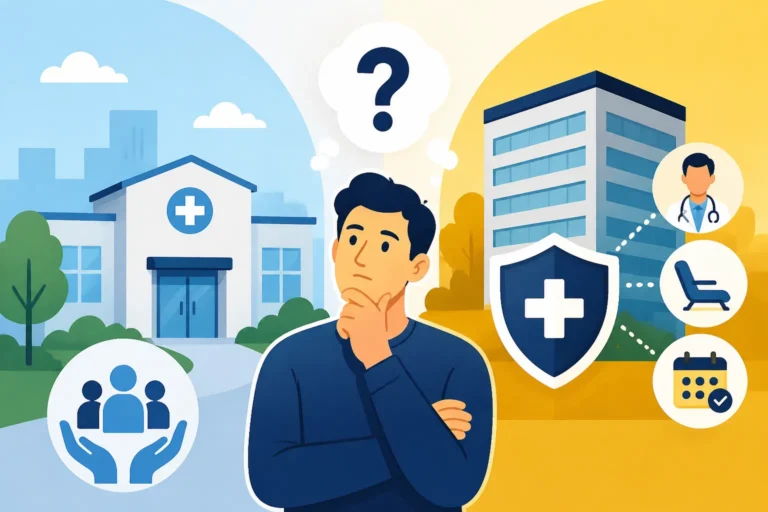
In Sweden, the journey toward mental health support almost always begins at your local primary care clinic, known as the Vårdcentral. Unlike some countries where you might call a psychologist directly to book a subsidized session, the Swedish system is highly centralized. You are expected to first meet with a General Practitioner (GP) who will assess your needs. This can be frustrating when you already know you need therapy, but it is a mandatory step for accessing the public subsidy. When you are Registering with a Vårdcentral: Your Guide to Primary Care in Sweden, make sure to choose one that has a dedicated mental health team, often consisting of "kuratorer" (counselors) and "psykologer" (psychologists).
The initial consultation with the GP is your time to be very clear about your symptoms. In my experience, Swedes can be somewhat stoic, so it is important not to downplay your feelings. If you are struggling with insomnia, anxiety, or depression that is impacting your work or social life, say so explicitly. The GP will then determine if your case can be handled "in-house" by the Vårdcentral’s counselor or if you require a "remiss" (referral) to specialized psychiatry. This gatekeeping function is designed to ensure that specialist resources are reserved for more complex cases, but it can feel like a hurdle when you are already feeling low.
If you find that the waiting list at your chosen clinic is too long, remember that you have the right to seek care elsewhere. Sweden’s system allows for "vårdval" (choice of care), meaning you can often look for a Vårdcentral in a different neighborhood or even a different part of your region if they have better availability for mental health services. This is particularly useful in major cities like Stockholm or Gothenburg where some clinics are significantly more overwhelmed than others.
The Referral Maze from Primary to Specialist Care
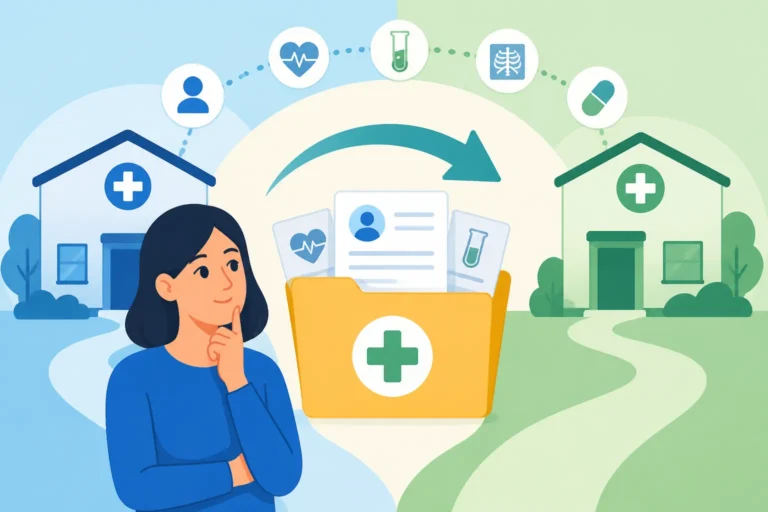
If your GP determines that your needs are beyond what the Vårdcentral can offer—perhaps due to the severity of your depression, suspected ADHD, or complex trauma—they will issue a "remiss" to a specialist psychiatric clinic (Psykiatrimottagning). Understanding How the Referral (Remiss) System Works for Seeing a Specialist in Sweden is crucial because the wait times here can be significantly longer. Once the referral is sent, the specialist clinic has a certain amount of time to review it and decide if they will accept you as a patient.
The transition from primary care to specialized psychiatry is where many expats feel "lost in the system." You might receive a letter in the mail (always check your physical post in Sweden!) stating that your referral has been received but that the wait for an initial assessment could be several months. This is when The Vårdgaranti: Your Right to Timely Care in Sweden becomes your best friend. Legally, you should not have to wait more than 90 days to see a specialist. If the clinic cannot see you within that timeframe, they are technically obligated to help you find care at another provider, sometimes even a private one, at the same cost to you.
While waiting for a specialist, the Vårdcentral remains responsible for your care. If your condition worsens, you should contact your GP again. It is also worth noting that specialized psychiatry in Sweden is often divided by diagnosis. There are clinics specifically for affective disorders (depression/bipolar), eating disorders, and personality disorders. Being proactive and asking your GP which specific clinic they are referring you to can help you track your status more effectively through the 1177 Vårdguiden portal.
Digital and Private Alternatives for Immediate Care
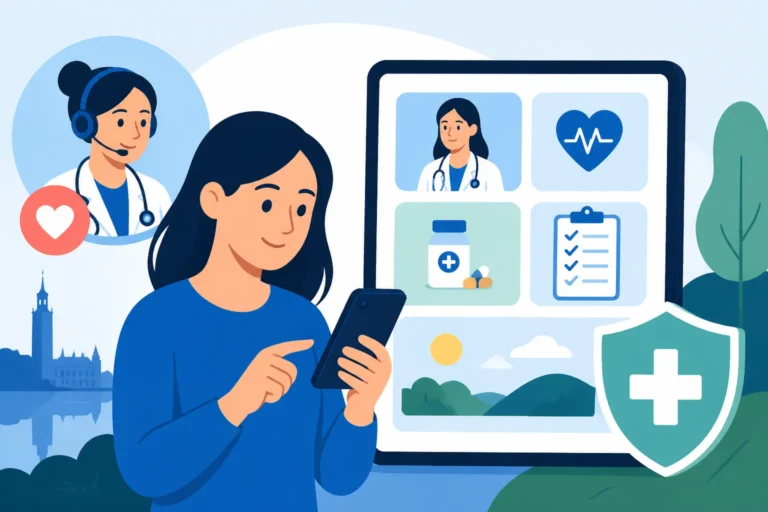
For many newcomers, the wait times in the public system are simply not feasible, especially when dealing with acute anxiety or the isolation that often follows a move abroad. This is where digital health apps have revolutionized the Swedish landscape. Platforms like Mindler, Kry, and Doktor.se allow you to book video appointments with psychologists relatively quickly. In many cases, these services are integrated with the public system, meaning you only pay the standard patient fee, which then counts toward your The Högkostnadsskydd Explained: Sweden's Healthcare Cost Ceiling and Frikort.
However, digital apps have their limitations. They are excellent for Cognitive Behavioral Therapy (CBT) for mild to moderate issues, but they may not be suitable for long-term, deep-seated psychological work. If you are looking for a specific type of therapy—such as psychoanalysis or EMDR—or if you simply prefer in-person sessions without the long wait, the private market is the way to go. Private psychologists in Sweden are highly qualified but can be expensive, often charging between 1,200 SEK and 2,000 SEK per session.
This is where having a robust insurance policy makes a massive difference. For those not yet fully covered by the Swedish social security system, or for those who want to skip the queues entirely, providers like Cigna Global offer comprehensive mental health coverage that allows you to choose your own therapist. Similarly, for digital nomads or those on shorter assignments, SafetyWing provides a flexible safety net that can cover crisis support and therapy. Using private insurance means you can often bypass the GP referral entirely and head straight to a specialist who speaks your native language, which is an invaluable comfort when discussing your mental health.
English Speaking Therapy and the Expat Experience
One of the biggest challenges for expats is finding a therapist who truly understands the cultural nuances of moving to Sweden. While almost all Swedish psychologists speak excellent English, there is a difference between "speaking the language" and "understanding the expat experience." Many of us struggle with the "Jantelagen" culture, the social silence, or the difficulty of making Swedish friends. Finding a therapist who has an international background or specializes in "transition psychology" can be a game-changer.
If you are specifically looking for How to Find an English-Speaking Therapist in Sweden?, you have a few paths. Within the public system, you can request an English-speaking provider, but availability is never guaranteed. You are more likely to find success by searching private directories like "Meela" (a Swedish platform that matches you with therapists) or the "International Counseling Service." These platforms allow you to filter by language and specialization. Many private practitioners also offer a "prosession" or a short introductory call to see if your personalities mesh, which I highly recommend before committing to a long-term plan.
Don't overlook the value of support groups. Many expats find solace in community-led mental health meetups in cities like Stockholm, Malmö, and Uppsala. These aren't clinical therapy, but they provide the "I've been there" validation that a clinical setting sometimes lacks. Whether it’s a group for trailing spouses or international students, sharing the burden of the "Swedish transition" can significantly lighten the mental load while you navigate the more formal channels of care.
Mental Health for Students and Employees
If you are in Sweden to study, the "Studenthälsan" (Student Health Service) is an incredible resource that many international students forget to use. They offer shorter series of counseling sessions, workshops on stress management, and help with study-related anxiety. The best part is that these services are usually free and do not require a referral from a Vårdcentral. While they aren't meant for long-term psychiatric care, they are a fantastic first port of call if you feel the pressure of your Master’s program starting to boil over.
For those of us in the workforce, "Företagshälsovård" (Occupational Health) is a mandatory service that Swedish employers must provide. If your mental health is being affected by your job—whether through burnout, bullying, or extreme stress—you can often access counseling directly through your employer’s provider. These consultations are strictly confidential; your boss does not get a report on what you discuss with the counselor. Using occupational health is often much faster than going through the public Vårdcentral, and it is specifically geared toward keeping you healthy and "on the job."
When you are Working in Sweden as a Foreigner: The Complete Guide (2027), you’ll learn that the Swedish work culture takes mental health very seriously. If you need to take a "sjukskrivning" (sick leave) for exhaustion or depression, the process is well-integrated with the healthcare system. A doctor at your Vårdcentral or through your occupational health provider can issue a sick note that you then provide to your employer and Försäkringskassan. This ensures you still receive a portion of your salary while focusing on recovery, a concept that can feel alien if you’ve moved from a "grind-heavy" culture.
Comparing Mental Health Access Options
| Option | Access Speed | Typical Cost | Best For |
|---|---|---|---|
| Vårdcentral (Public) | 2–4 Weeks | 200–300 SEK | Mild issues, general referrals, prescriptions |
| Specialized Psychiatry | 3–6 Months | 200–400 SEK | Complex conditions, ADHD/Autism, severe depression |
| Digital Apps (Mindler/Kry) | 1–5 Days | 200–300 SEK | CBT, short-term counseling, convenience |
| Private Practice | 1–7 Days | 1,200+ SEK | Long-term therapy, niche specializations, English focus |
| Occupational Health | 1–2 Weeks | Free (Employer paid) | Work-related stress, burnout prevention |
Crisis and Emergency Psychiatric Care
Mental health doesn't always wait for an appointment. If you or someone you know is in an immediate crisis, you should not wait for a Vårdcentral to open. Sweden has specialized "Psykiatrisk Akutmottagning" (Psychiatric Emergency Rooms) in most major hospital complexes. For example, in Stockholm, St. Göran’s Hospital has a dedicated psychiatric emergency ward. These clinics are open 24/7 and are designed for acute situations where there is a risk of self-harm or severe psychotic episodes.
For non-life-threatening but urgent mental health advice, you should call 1177 Vårdguiden: Navigating Sweden's National Health Advice Line and Portal. When you call, you can ask to speak with a nurse who can guide you to the nearest open clinic or give you advice on how to manage an anxiety attack. They also have an English option, which is vital when you are in a state of panic and the Swedish words won't come to mind. If there is an immediate danger to life, the number is always 112.
There are also several national helplines that offer emotional support. "Mind" operates a suicide line (Självmordslinjen) that you can call or chat with online. While their primary language is Swedish, most volunteers are willing to speak English if they are comfortable doing so. "Jourhavande Medmänniska" is another service that offers a listening ear during the lonely night hours. These services are anonymous and can provide a vital bridge until you can reach professional medical care.
Financial Protections and the High Cost Ceiling
One of the most compassionate parts of the Swedish system is the "Högkostnadsskydd." It ensures that no one is priced out of their mental health recovery. Once you have paid a certain amount (currently around 1,400 SEK) in patient fees within a 12-month period, you receive a "Frikort," which makes all subsequent visits for that period free. This includes GP visits, psychologist appointments at the Vårdcentral, and specialist psychiatric care.
This protection also extends to medication. If you are prescribed antidepressants or anti-anxiety medication, the cost is subsidized through a similar high-cost ceiling for prescriptions. When you are buying Pharmacies and Prescriptions in Sweden: The Apotek System for Newcomers, the system automatically tracks your spending. Once you hit the threshold, your medications become significantly cheaper or entirely free. This is a huge relief when you are managing a chronic condition that requires long-term medication.
If you are using private insurance like Cigna Global, your path to reimbursement will be different, but it often covers the "gap" that the public system doesn't—such as more frequent sessions or specialized treatments not offered by the region. For those who can afford it, or whose employers provide it, Private Health Insurance in Sweden: When Sjukvårdsförsäkring Is Worth It is often found in the speed and choice it provides, allowing you to focus on your healing rather than the clock on a waiting list.
Dealing with Seasonal Affective Disorder and the Dark Winters
We cannot talk about mental health in Sweden without mentioning the "mörker" (the darkness). The lack of sunlight from November to February is a legitimate medical challenge that affects nearly everyone, but it hits newcomers especially hard. If you find your mood plummeting as the days shorten, don't wait until you are in a crisis to seek help. Many Vårdcentraler offer "ljusterapi" (light therapy) or can advise you on Vitamin D supplementation, which is almost mandatory in the Swedish climate.
I personally found that being proactive about my winter mental health was the only way to survive. This meant using a light-therapy lamp at my desk and taking regular walks during the few hours of "grey light" at noon. If these lifestyle changes aren't enough, your GP can help you determine if your "winter blues" have transitioned into Clinical Depression. Swedes are very aware of this phenomenon, so you will find that doctors are very sympathetic to complaints about the darkness.
Beyond the clinical, the Swedish concept of "mys" (coziness) and "fika" are actually informal mental health strategies. Cultivating a warm, well-lit home environment and maintaining social connections even when you want to hibernate is essential. If you are struggling to cope, reaching out to a psychologist to discuss seasonal patterns is a very common and respected reason for seeking care in Sweden. You aren't "weak" for being affected by the light; you are simply human, and the Swedish system is built to help you through those long, dark nights.
Disclaimer
This guide is for informational purposes only and does not constitute medical advice. Mental health regulations and wait times in Sweden can change by region and year. Always consult with a qualified medical professional or contact 1177 for personalized health guidance. If you are in an emergency situation, call 112 immediately.