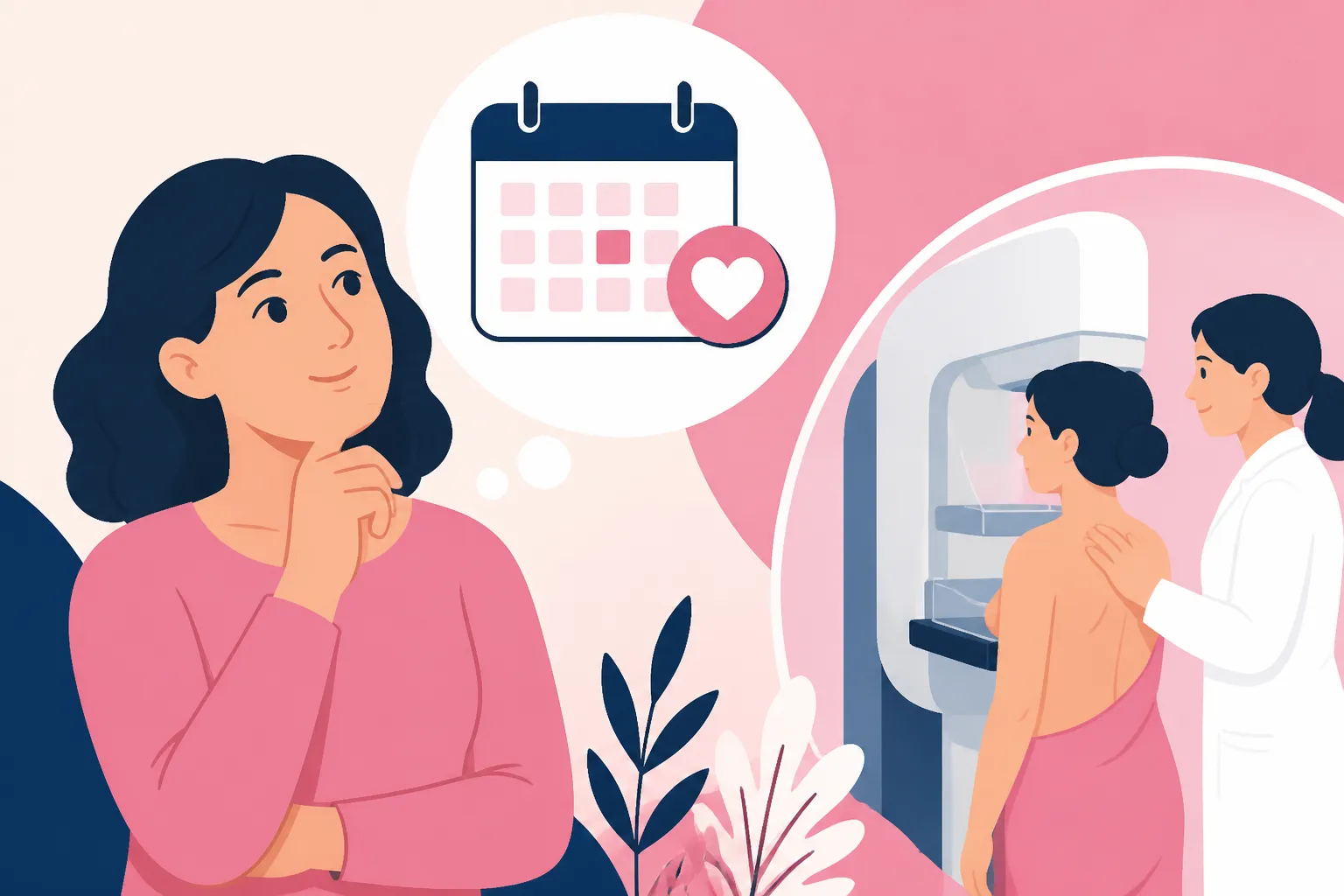
When Will I Be Invited for a Mammogram in Sweden?
Navigating a new healthcare system is stressful, especially when it involves proactive screenings you might have taken for granted back home. I’ll never forget the confusion of waiting for my first health invite while wondering if I was even in the system. This guide clarifies the timeline and logistics for mammogram invitations in Sweden for foreign residents.
The Swedish National Screening Program Structure
Sweden takes a very systematic approach to preventative healthcare. The mammography screening program is designed to catch irregularities as early as possible, and it is remarkably consistent across the 21 different regions. If you are a woman living in Sweden and fall within a specific age bracket, the system is designed to find you—provided your paperwork is in order.
The national guidelines set by Socialstyrelsen (the National Board of Health and Welfare) dictate that women between the ages of 40 and 74 should be invited for a screening every 18 to 24 months. This is not a voluntary "opt-in" system where you have to call your doctor to request a check-up. Instead, it is an automated "call-and-recall" system. This means that once you are registered in the Swedish population register, the regional health authorities will automatically generate an invitation for you based on your birth year and the date of your last screening.
The 18-to-24-month window is a standard interval, but the exact timing can vary slightly depending on the capacity of your local breast center or the specific region you live in. For example, if you are living in a more densely populated area like Stockholm or Gothenburg, the intervals might lean closer to the 24-month mark due to the sheer volume of residents. In smaller regions, you might find the invitations arrive like clockwork every 18 months. Regardless of the minor regional fluctuations, the core principle remains the same: the state takes the lead in scheduling these appointments.
Getting Your Paperwork in Order as a Newcomer
For those of us who moved here from abroad, the most critical factor in receiving your invitation is the "Folkbokföring" or population registration. The health system pulls its data directly from Skatteverket (the Tax Agency). If the state doesn't know you exist or doesn't have your current address, that invitation letter will never reach your mailbox. This is why Getting Your Personnummer: The Gateway to Swedish Healthcare is such a foundational step for every expat.
Once you have your personnummer, you are automatically entered into the regional screening database. However, there is often a "settling-in" lag. If you move to Sweden at age 45, the system might not immediately trigger an invitation the week you get your ID card. Usually, the system looks at when the last screening was performed in your area for your specific birth year group. If you happen to arrive just after your age group was screened, you might have to wait a year or more for the next cycle to begin.
I always recommend that new arrivals who are concerned about their timing take a proactive stance. You can contact your local mammography clinic—often called "Mammografienheten"—to see when your birth year is next on the list. If you are coming from a country where you were already on a specific screening schedule, bringing your previous records can be helpful, though Swedish clinics will still prefer to start their own baseline with you. If you are still in the process of settling in, you might find yourself Registering with a Vårdcentral: Your Guide to Primary Care in Sweden to discuss any immediate concerns with a GP while waiting for the automated screening invite to arrive.
Understanding the Invitation Letter and the Appointment
The invitation itself usually arrives in a standard white envelope, and it is almost always written entirely in Swedish. It will contain a pre-assigned time and date, along with the location of the clinic. This "kallelse" (summons) can feel a bit rigid, but the Swedish system is actually quite flexible once you know how to navigate the digital side of things.
If the date provided doesn't work for you, you can usually reschedule it online. This is where having a digital ID becomes a lifesaver. Learning How Do I Log Into 1177.se with BankID? is perhaps the most important technical skill you can acquire as a resident. Through the 1177 portal, you can often see your upcoming appointments, move them to a more convenient time, or even find a different clinic if the assigned one is too far from your workplace.
The appointment itself is typically very fast. In Sweden, these screenings are often performed by specialized nurses or radiographers rather than doctors. You check in, often at a digital kiosk, wait for your turn, and the actual procedure takes less than ten minutes. The focus is on efficiency and high-volume throughput to ensure the entire population is covered.
| Feature | Regular Screening (Screening-mammografi) | Diagnostic Mammogram (Hälsokontroll) |
|---|---|---|
| Trigger | Automatic age-based invitation | Referral from a doctor (Remiss) |
| Frequency | Every 18–24 months | As needed based on symptoms |
| Age Range | 40–74 years old | Any age |
| Cost | Usually free (region-dependent) | Standard patient fee (Patientavgift) |
| Results | Sent by mail within 2–4 weeks | Discussed with your doctor |
Costs and the Swedish Healthcare Safety Net
One of the most frequent questions expats ask is: "How much is this going to cost me?" In the vast majority of Swedish regions, mammogram screenings for the 40-74 age group are completely free of charge. This is part of the state's commitment to preventative care. However, it is important to check the specifics for your area, as healthcare is managed regionally. You can learn more about how these costs are structured by reading about Understanding Patient Fees (Patientavgift) Across Sweden's 21 Regions.
If you are called back for further testing—which happens in a small percentage of cases—the subsequent visits may incur a small patient fee. This is where the Swedish "high-cost protection" comes into play. Even if you require multiple follow-up appointments, biopsies, or consultations, your out-of-pocket expenses are capped annually. The Högkostnadsskydd Explained: Sweden's Healthcare Cost Ceiling and Frikort ensures that no one is financially ruined by necessary medical investigations. Once you reach the limit (usually around 1,300 to 1,400 SEK), the rest of your care for that year is free.
When the System Doesn't Cover You: Private Options and Specialized Insurance
While the public system is excellent, it has its limits. If you are under 40 and have a family history of breast cancer, or if you are over 74 and wish to continue regular screenings, you might find that the automated invitations stop. The Swedish public system strictly follows the 40-74 age bracket because clinical data shows this is where the screening provides the most benefit to the population as a whole.
If you fall outside this bracket or if you simply prefer more frequent check-ups, you may need to look into private healthcare. Some expats choose to supplement the public system with private providers to get faster access to specialists or more frequent screenings. In these cases, having Private Health Insurance in Sweden: When Sjukvårdsförsäkring Is Worth It can be a significant advantage. Brands like Cigna Global offer comprehensive international plans that can cover preventative screenings that might fall outside the Swedish national guidelines.
Similarly, for those who are in Sweden on shorter-term permits or are still waiting for their personnummer, specialized providers like SafetyWing can offer a safety net. While they primarily focus on travel and nomad insurance, they represent the kind of supplemental coverage many foreigners use to bridge the gap until they are fully integrated into the Swedish population register. If you are not yet in the system, you should investigate How Do I Register at a Vårdcentral When I First Arrive in Sweden? to ensure you have a point of contact for any health concerns that arise before your first automated screening invite.
Proactive Steps: What to Do If You’re Worried
If you feel a lump or notice changes in your breast tissue, do not wait for a screening invitation. The automated screening program is for people with no symptoms. If you have a symptom, the process is different. You need to contact your local "Vårdcentral" (primary care clinic) immediately.
When you have a symptom, your doctor will perform a physical exam and then write a "remiss" (referral) for a diagnostic mammogram and often an ultrasound. This is a separate track from the national screening program and is handled with much higher urgency. Understanding Finding a Doctor in Sweden: GPs, Specialists, and the Referral System will help you navigate this more urgent path.
You can also call the national health line at 1177 for advice. They have nurses available 24/7 who speak English and can guide you on whether your symptoms require an urgent visit or if they can wait for a standard appointment. For a deeper look at this service, check out 1177 Vårdguiden: Navigating Sweden's National Health Advice Line and Portal. They are incredibly helpful for clarifying the local "rules" of your specific region, as they have access to the most current regional protocols.
Digital Mailboxes: The Secret to Never Missing an Invite
In the last few years, Sweden has moved heavily toward digital mail. Services like Kivra allow you to receive official government mail digitally. If you have a personnummer and BankID, I highly recommend signing up for a digital mailbox. Often, the mammogram invitation will be sent there as well as (or sometimes instead of) your physical mailbox.
The advantage of a digital mailbox is that it follows you even if you move apartments and haven't updated your door name yet, or if you are traveling back to your home country for a few weeks. Missing a health screening because of a lost piece of paper is a common expat "rite of passage" that you definitely want to avoid. Once you have access to the digital portal, you can also explore What Can I Actually Do on the 1177 Health Portal? to manage almost every aspect of your preventative care from your smartphone.
Important Medical Disclaimer
This article provides general information about the Swedish healthcare system and is intended for educational purposes only. It is not a substitute for professional medical advice, diagnosis, or treatment. Always seek the advice of your physician or other qualified health provider with any questions you may have regarding a medical condition. Never disregard professional medical advice or delay in seeking it because of something you have read in this guide. Healthcare regulations and regional policies in Sweden are subject to change, and you should always verify current procedures with 1177.se or your local healthcare provider.