How Do I Get a Health Check-up as a New Resident in Sweden?
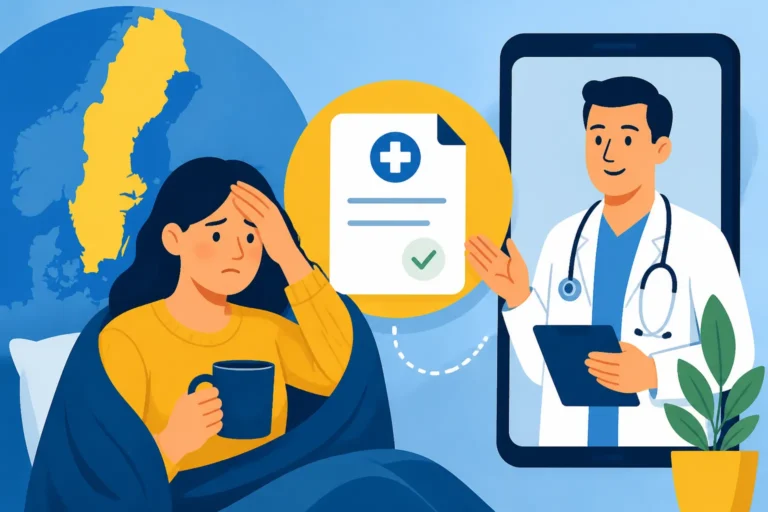
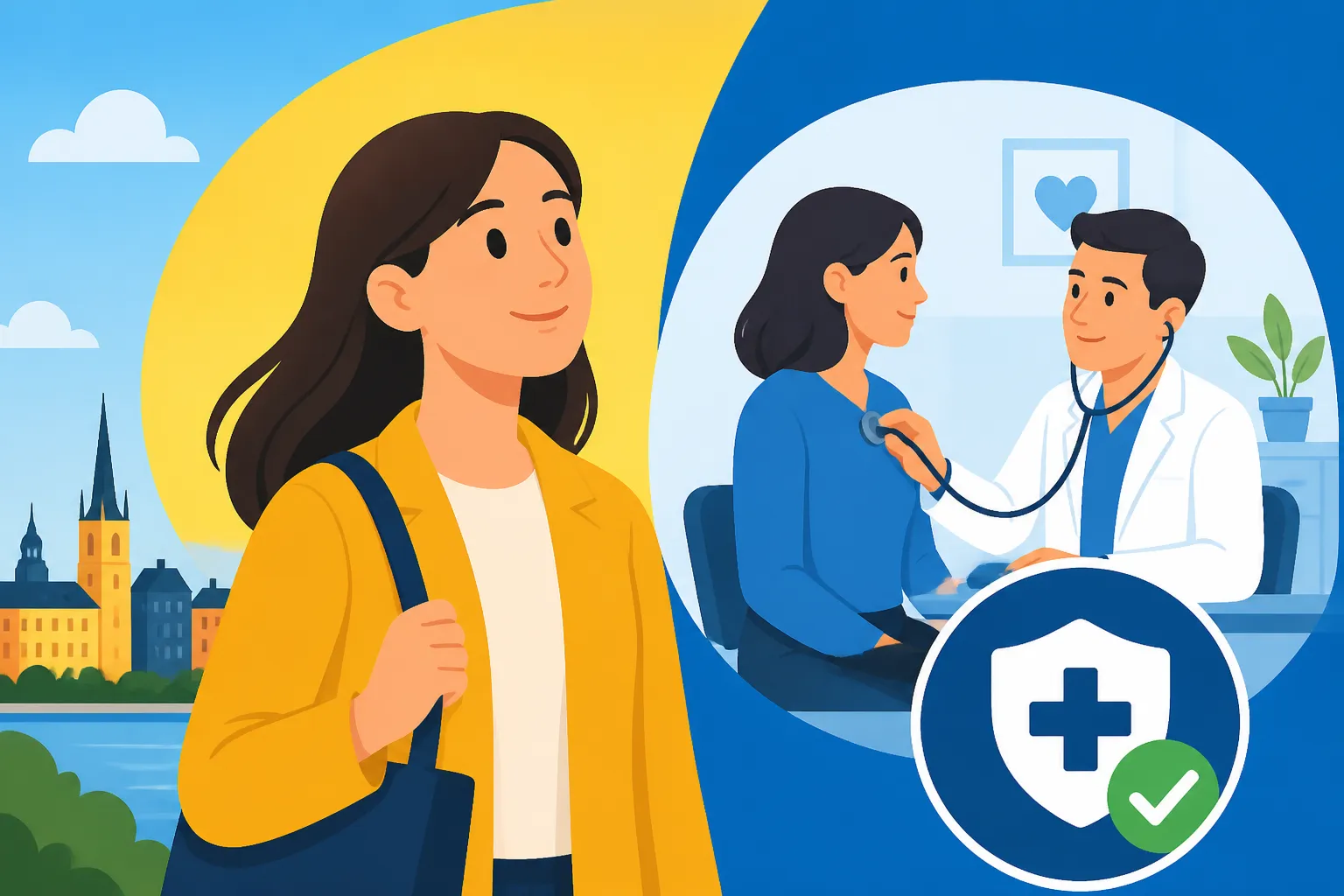
One of the most confusing culture shocks for new arrivals in Sweden is discovering that the "annual physical" or routine general health check-up essentially doesn't exist in the public system. When I first moved to Stockholm, I called my local clinic expecting a full blood panel and a head-to-toe exam, only to be told that if I wasn't currently sick, there was no reason for a doctor to see me. This guide explains how you can actually get a health check-up, the hidden "loopholes" in the system, and when you should look toward private options.
Understanding the Swedish Philosophy on Preventative Care
To navigate healthcare here, you have to understand that the Swedish system is built on a foundation of "medical necessity." The resources are allocated to those who are symptomatic or have a high-risk profile. In many other countries, you might be used to a proactive approach where you see a GP once a year just to "make sure everything is okay." In Sweden, the public system views that as an inefficient use of tax-payer resources.
Why Your Vårdcentral Might Say No
If you call a clinic and ask for a general check-up just for peace of mind, the receptionist will likely ask you what specific symptoms you have. If you answer "none," they will politely explain that they don't offer that service. This is because the public system focuses on Preventive Health and Screening Programmes for Adults in Sweden that are evidence-based and age-specific, rather than a "one size fits all" annual exam. I remember feeling incredibly dismissed the first time this happened to me, but it isn't personal; it's simply the protocol.
The Focus on Symptoms vs. Routine Screenings
In the public sector, doctors are trained to investigate specific complaints. If you have a family history of heart disease or you are feeling unusually fatigued, that is a symptom. You can then start the process of Finding a Doctor in Sweden: GPs, Specialists, and the Referral System to address those specific concerns. However, if you are a healthy 30-year-old wanting a "baseline" blood test, the public system generally won't provide it. You are expected to monitor your own health and only seek care when a change occurs.
Transitioning from Private to Public Mindsets
For expats coming from systems with robust private insurance or employer-mandated annual exams, this shift is jarring. You have to learn to advocate for yourself differently. Instead of asking for a "check-up," you learn to describe specific health goals or concerns. This is also why many newcomers look into Private Health Insurance in Sweden: When Sjukvårdsförsäkring Is Worth It to bypass these philosophical hurdles and get the proactive care they are used to back home.
How to Access Screenings Through the Public System
While a "general" check-up is hard to come by, the Swedish state is actually very proactive about specific types of screenings. They just don't happen all at once in a single appointment. Instead, you are invited to various screenings based on your age, gender, and residency status.
National Screening Programmes
Sweden has world-class screening programmes for certain conditions. For example, women are regularly invited for cervical screenings (pap smears) and mammograms. These invitations arrive automatically by mail once you are Registering with Försäkringskassan: When and Why You Need To and are properly entered into the population register. You don't need to ask for these; the system will find you. If you miss an invitation, you can usually see your upcoming or past appointments by Booking Doctor Appointments Online Through 1177.se with BankID.
Occupational Health (Företagshälsovård)
This is the "secret" way many people in Sweden get their health checked. Many medium-to-large Swedish employers offer Företagshälsovård (occupational health services). Depending on your contract, your employer might pay for a health profile assessment every few years. This often includes blood pressure checks, blood sugar tests, and a lifestyle consultation. It is worth checking your employment contract or asking your HR department if this is included in your benefits package.
Managing Chronic Conditions
If you have an existing condition, the system changes entirely. Once you are in the system for something like hypertension, asthma, or diabetes, you will have regular, scheduled check-ups. For those Managing a Chronic Condition in Sweden: Diabetes, Asthma, and More, the Vårdcentral becomes much more proactive. They will call you in for annual blood work and reviews to ensure your medication and lifestyle are managing the condition effectively.
| Feature | Public Vårdcentral | Occupational Health | Private Clinic (Hälsokontroll) |
|---|---|---|---|
| Cost | Low (approx. 200-300 SEK) | Free (Employer paid) | High (2,000 – 5,000 SEK) |
| Availability | Symptom-based only | Every 2-3 years (if offered) | On-demand |
| Blood Work | Only if medically indicated | Basic panel | Comprehensive panel |
| Wait Time | Weeks for non-urgent | Pre-scheduled | Days |
| Focus | Treatment of illness | Work-related health | General wellness/Prevention |
Going Private: The Fastest Route for a Full Physical
If you truly want a comprehensive head-to-toe health check-up—the kind where they test your vitamins, minerals, heart health, and lung capacity all at once—you will almost certainly have to go private. In Swedish, this is usually called a Hälsoundersökning or Hälsokontroll.
Private Clinics and Specialized Health Centers
There are several major private providers in Sweden, such as Werlabs (which focuses on blood tests) or Capio and Aleris (which offer full physical exams). These clinics operate outside the traditional queue system. You don't need a referral, and you don't need to be sick. You simply pick a package, pay the fee, and book a time. This is often the preferred route for expats who are used to high-touch medical service.
Using International Insurance
For those who are in the "waiting period" for their Personnummer, using international insurance can be a lifesaver. Companies like SafetyWing are excellent for digital nomads or those on shorter permits who haven't yet been fully integrated into the Swedish population register. If you have a more comprehensive global policy through Cigna Global, you might find that your "wellness" benefit covers these private health checks in Sweden, allowing you to visit a high-end clinic in Stockholm or Gothenburg without paying out of pocket. I found that having a policy like Cigna Global during my first year gave me the "safety net" feeling I missed from my home country's system.
What a Private Check-up Includes
A private Hälsokontroll in Sweden is quite thorough. You can expect:
- A long questionnaire about your lifestyle and family history.
- Extensive blood tests (cholesterol, glucose, thyroid, iron, Vitamin D, etc.).
- Urinalysis.
- Physical exam by a doctor or a specialized nurse.
- ECG (heart rhythm) and sometimes a lung function test.
- A follow-up meeting to discuss the results and lifestyle changes.
Even if you are covered by SafetyWing for emergencies, paying for a one-off private check-up can be a good investment if you are feeling the effects of the dark Swedish winters and want to check your Vitamin D or iron levels specifically.
Step-by-Step: Booking Your Check-up
Regardless of whether you go public or private, there is a specific administrative dance you have to do in Sweden. It all starts with your identity and your registration.
The Hurdle of the Personnummer
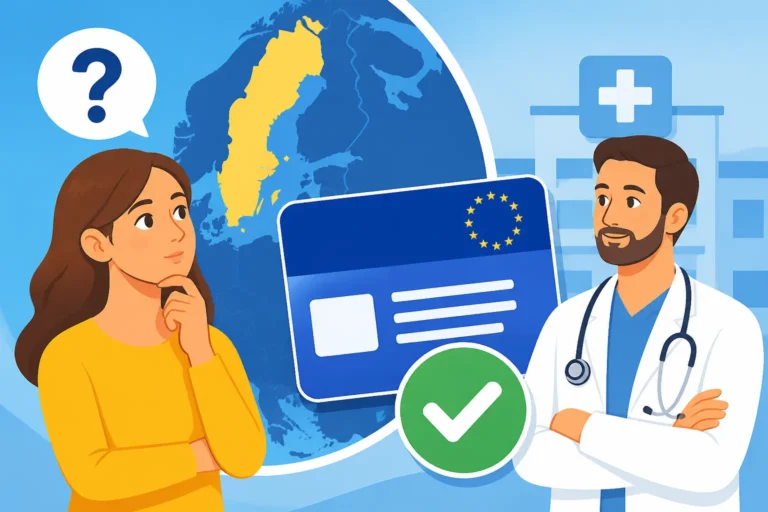
If you are a new resident, the first thing you need is your Personnummer. Without it, the public system sees you as a visitor, and the costs can be significantly higher. Once you have your number, you should focus on Registering with a Vårdcentral: Your Guide to Primary Care in Sweden. You aren't automatically assigned to a doctor; you have to choose a clinic. If you are still waiting for your ID, you can read more about Can I See a Doctor in Sweden Before I Get My Personnummer? to understand your temporary options.
Using 1177 and BankID
Once you have your Personnummer and a Swedish BankID, the healthcare system opens up to you. The portal 1177.se is the central nervous system of Swedish health. You can log in to see which clinic you are registered with, send messages to your doctor, and see your lab results. For a deep dive into using this tool, check out What Can I Actually Do on the 1177 Health Portal? to see how to navigate the digital side of your care.
How to Request a Check-up (The Right Way)
If you do decide to try the public route for a specific concern, don't just ask for a "check-up." Instead, list your concerns. For example: "I have been feeling very tired lately, I have a family history of high blood pressure, and I would like to have my levels checked." This framing moves you from "general interest" (which they don't cover) to "symptom investigation" (which they do).
- Log in to 1177.se.
- Find your registered Vårdcentral.
- Select "Request an appointment" (Boka tid).
- In the description, be specific about your symptoms or family history.
- Wait for a nurse to call you for a "triaging" phone interview.
If you find that the public system is too slow or restrictive, that is when you should look at How to Register with a Vårdcentral After Getting Your Personnummer and perhaps supplement it with a private Hälsokontroll or an international policy like SafetyWing or Cigna Global to ensure you are getting the proactive care you desire.
Important Considerations for Newcomers
Before you rush to book an appointment, there are a few local quirks you should be aware of regarding health checks in the Nordic region.
The Impact of Winter
Many new residents find that their health takes a dip during their first Swedish winter. The lack of sunlight is no joke. If you are seeking a check-up because you feel depressed or exhausted, the doctor may suggest a Vitamin D test. However, they might also just tell you to buy some over-the-counter supplements. It’s a very "self-care" oriented culture here.
Cost Caps and Patient Fees
Even for a routine visit to investigate a symptom, you will pay a small fee (usually 200–300 SEK). The good news is that Sweden has a "high-cost protection" system. Once you spend a certain amount in a year, the rest of your visits are free. This is why 1177 Vårdguiden: Navigating Sweden's National Health Advice Line and Portal is so useful; it keeps track of your payments automatically.
Language and Communication
While almost every doctor in Sweden speaks excellent English, the administration and the letters you receive in the mail will be in Swedish. Don't be afraid to ask for a translator if you are discussing complex health issues, though for a standard check-up, you’ll find that English is more than sufficient.
Disclaimer
This article is for informational purposes only and does not constitute medical or legal advice. Healthcare regulations and procedures in Sweden can change. Always consult with a qualified medical professional or the official 1177.se website for the most current information regarding your specific health needs and rights as a resident.