Where Do I Turn for Eating-Disorder Support in Sweden?
When you are struggling with an eating disorder, the already daunting task of navigating a foreign healthcare system can feel insurmountable. I remember the paralyzing anxiety of sitting in my cold Stockholm apartment, staring at the 1177 website and wondering if I even had the right vocabulary to explain my relationship with food in a way that a Swedish doctor would take seriously. This guide provides a clear, step-by-step roadmap for accessing eating disorder support in Sweden, from the first GP visit to specialized clinics and private alternatives.
Starting with Primary Care and the Referral Process
The Swedish healthcare system is built on a "gatekeeper" model, which means your journey almost always begins at your local health center. If you are experiencing symptoms of anorexia, bulimia, binge eating disorder, or OSFED (Other Specified Feeding or Eating Disorder), your first point of contact should be a general practitioner. For those who are new to the country, Registering with a Vårdcentral: Your Guide to Primary Care in Sweden is the essential first step to getting into the system. During this initial appointment, a doctor will perform a basic physical check-up, including blood tests and weight monitoring, and ask a series of questions about your mental health.
It is common to feel a bit dismissed during these first visits. Swedish primary care is notoriously efficient and sometimes feels brief, which can be interpreted as a lack of empathy. I’ve been in those shoes, feeling like my internal crisis was being treated like a common cold. However, the goal of this visit is to secure a "remiss" or referral to a specialized unit. You must be firm about your needs. If you are worried about the language barrier, remember that you have the right to an interpreter, though many expats wonder Can I Book a Doctor's Appointment in English in Sweden?—the answer is generally yes, but being explicit about your preference for English when booking helps.
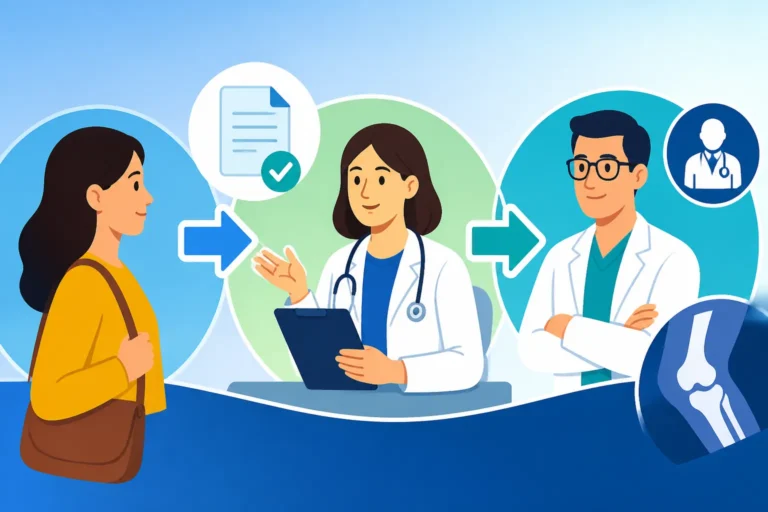
Once the GP agrees that specialized care is needed, they will send a referral to the regional eating disorder center. Understanding How the Referral (Remiss) System Works for Seeing a Specialist in Sweden is vital here, as it allows you to track where your application is in the queue. In some regions, you don't even need to wait for the GP; you can submit an "egenanmälan" (self-referral). This is a detailed form where you describe your symptoms and history in your own words. In Stockholm, for instance, the Stockholms centrum för ätstörningar (SCÄ) accepts these forms directly from residents, often speeding up the process slightly.
Specialized Eating Disorder Units and the Care Guarantee
Once your referral is accepted, you will be moved to an Ätstörningsenhet (Eating Disorder Unit). These are multidisciplinary clinics staffed by psychiatrists, psychologists, dietitians, and sometimes physiotherapists. Sweden is home to some world-renowned treatment methods, such as the Mando Method, which focuses heavily on hunger and satiety signals. However, the transition from primary care to these specialists is where many foreigners hit the infamous Swedish "waiting list" wall.
Sweden has a policy called the Vårdgaranti (Care Guarantee), which dictates that you should not have to wait more than 90 days to see a specialist once a decision has been made. In practice, especially for mental health and eating disorders, these 90 days can feel like an eternity when your health is deteriorating. This is where 1177 Vårdguiden: Navigating Sweden's National Health Advice Line and Portal becomes your best friend. You can log in with your BankID to see your referrals, message your care provider, and even check if there are openings in other regions if your local queue is too long.
Within these specialized units, treatment is often intensive. You might be offered individual Cognitive Behavioral Therapy (CBT), group therapy, or day-treatment programs where you eat meals under supervision. If you are looking for specific psychological interventions, it is helpful to understand the broader landscape of Mental Health Support in Sweden: Psychologists, Therapy, and Referrals. The clinicians at these units are generally very high-quality, but they operate within a rigid framework. If you find that the public system's pace is too slow or the treatment doesn't align with your specific needs, you may need to look for someone who can offer more personalized care, specifically asking How Do I Find an English-Speaking Therapist in Sweden? to ensure you can express complex emotions without a language filter.
| Type of Support | Access Method | Typical Wait Time | Cost |
|---|---|---|---|
| Primary Care (Vårdcentral) | Direct Booking | 1–7 Days | 200–300 SEK |
| Specialized Unit (Ätstörningsenhet) | Referral or Self-Referral | 30–90 Days | 350–400 SEK |
| National Support (Frisk & Fri) | Chat/Phone/Email | Immediate | Free |
| Private Specialist | Direct Booking | 1–14 Days | 1,200–2,000 SEK |
Non-Profit Organizations and Community Support
While waiting for clinical treatment, or as a supplement to it, Sweden has a robust non-profit sector dedicated to eating disorders. The most prominent organization is Frisk & Fri (The National Association against Eating Disorders). They offer support groups, mentorship programs, and a help-line. For an expat, these organizations provide a sense of community that the clinical environment of a hospital often lacks. They understand the cultural nuances of living in Sweden—like the intense focus on fitness and "lagom" eating—that can sometimes trigger or exacerbate disordered patterns.
Frisk & Fri also offers support for "närstående" or relatives. If you have moved to Sweden with a partner or family, they can access resources to help them support you. This is a crucial component of recovery, as the isolation of being an immigrant can make eating disorders much harder to fight. For younger residents, there are even more avenues. What Is an Ungdomsmottagning and Who Can Use It? is an excellent resource for those under 25 (or sometimes 23, depending on the region). These youth clinics are free, confidential, and often have counselors who are very experienced in the early stages of eating disorder intervention.
If you have children and are concerned about their eating habits, the path is slightly different. You should start with the Barnavårdscentralen (BVC) or the school nurse (skolsköterska). Child Health in Sweden: How Barnavårdscentralen (BVC) Supports Families provides a framework for how the state monitors child development and can be the first line of defense if a child begins showing signs of an eating disorder. The specialized pediatric units (BUP – Barn- och ungdomspsykiatri) handle the clinical side for minors, often with a heavy focus on family-based treatment (FBT).
Private Care and the Role of International Insurance
Given the long wait times in the public sector, many expats choose to pursue private treatment. Private psychologists and dietitians in Sweden do not require a referral, meaning you can start treatment almost immediately. However, the cost is significantly higher, often ranging from 1,200 to 2,500 SEK per session. This is where having comprehensive international health insurance becomes a game-changer.
Providers like Cigna Global often include mental health and specialized therapy in their premium modules, which can cover the costs of private eating disorder clinics. Similarly, for digital nomads or those on shorter-term permits, SafetyWing offers options that can bridge the gap while you are waiting for your Personnummer to be processed. If you are struggling, waiting three months for the public system to move can be dangerous. Utilizing the "Hero" solution of private insurance allows you to bypass the queue and access specialists at private facilities like the Mando Clinic or Capio, which often have shorter wait times for those paying privately or through insurance.
It is important to evaluate Private Health Insurance in Sweden: When Sjukvårdsförsäkring Is Worth It to see if it fits your budget and needs. Even if you use private care, you are still protected by the Swedish state's cost ceilings for any public care you do receive. The Högkostnadsskydd Explained: Sweden's Healthcare Cost Ceiling and Frikort ensures that once you spend a certain amount on prescriptions or doctor visits in the public system, the rest is free for the remainder of the year. This is particularly helpful for the physical monitoring and blood work that often accompany eating disorder treatment. Cigna Global and SafetyWing can complement this by covering the high-cost therapy sessions that the public system might only provide sparingly.
Urgent Help and Patient Rights
If your situation becomes critical—for example, if you are experiencing heart palpitations, extreme weakness, or suicidal thoughts—you should not wait for a referral. Sweden’s emergency system is equipped to handle acute psychiatric and physical crises. You can call 112 or visit an Akutmottagning (Emergency Room). For mental health specifically, many cities have a "Psykiatrisk Akutmottagning" (Psychiatric ER) which is better suited for those in a mental health crisis. You can find more details in our guide on Emergency Medical Care in Sweden: 112, Akutmottagning, and Urgent Help.
As a patient in Sweden, you also have the right to privacy and to access your own data. The digital health infrastructure is quite advanced, and you can read your doctor's notes and see your test results online. This transparency can be empowering, though sometimes the medical Swedish used in the notes can be confusing. Understanding Your Health Records and Privacy on Sweden's Digital Health Platforms will help you stay informed about your own care plan.
If you feel that the care you are receiving is inadequate or that your rights have been violated, you can contact the Patientnämnden (Patient Committee) in your region. They act as a mediator between patients and healthcare providers. Recovery is a long road, and being an expat adds a layer of complexity to that journey, but the resources in Sweden are there if you know how to advocate for yourself and which doors to knock on. Whether you choose to navigate the public system or use a provider like Cigna Global or SafetyWing to access private care, the most important step is reaching out as soon as possible.
Disclaimer
This guide is intended for informational purposes only and does not constitute professional medical advice, diagnosis, or treatment. Healthcare systems and regulations in Sweden are subject to change. Always seek the advice of your physician or another qualified health provider with any questions you may have regarding a medical condition or mental health concern. In the event of a medical emergency, dial 112 immediately.