What Should I Do in a Medical Emergency Outside a Major Swedish City?
Imagine you are tucked away in a charming red cottage in the heart of Dalarna or exploring the rugged coastlines of Norrland when a medical crisis strikes. I remember my first winter near a tiny village in Värmland; the silence was breathtaking until my daughter developed a terrifyingly high fever at 2 AM, and I realized how far I was from the familiar lights of a Stockholm hospital. This guide explains how to navigate the Swedish emergency system when you are miles away from a major city.
The Critical First Steps: Calling 112 and 1177
When you are outside the major metropolitan hubs like Stockholm, Gothenburg, or Malmö, your primary point of contact is still the national emergency number, 112. It is easy to feel a sense of isolation when the nearest neighbor is a kilometer away, but the Swedish emergency dispatch is highly sophisticated. I have found that even in the most remote areas, dispatchers are exceptionally calm and speak near-perfect English, which is a godsend when your adrenaline is spiking and your Swedish vocabulary has suddenly evaporated.
If the situation is urgent but not immediately life-threatening, your first move should be to call What Number Do I Call for Non-Emergency Medical Advice in Sweden? to reach 1177. This is the national healthcare advisory line. When you call from a rural area, the nurses at 1177 Vårdguiden: Navigating Sweden's National Health Advice Line and Portal are trained to know the local geography. They can tell you which local clinic is open, where the nearest "Jourcentral" (after-hours clinic) is located, or if you need to head straight to a regional hospital's emergency ward.
For travelers or digital nomads who haven't yet settled into the local system, having a plan like SafetyWing can provide peace of mind while navigating these early calls, as they often offer guidance on how to handle international claims for emergency visits. In my experience, 1177 is the "gatekeeper" of Swedish healthcare; they will assess your symptoms and give you a specific recommendation, which often saves you a two-hour drive to an Emergency Medical Care in Sweden: 112, Akutmottagning, and Urgent Help facility that might not be the most appropriate for your specific needs.
When to Dial 112 for Immediate Danger
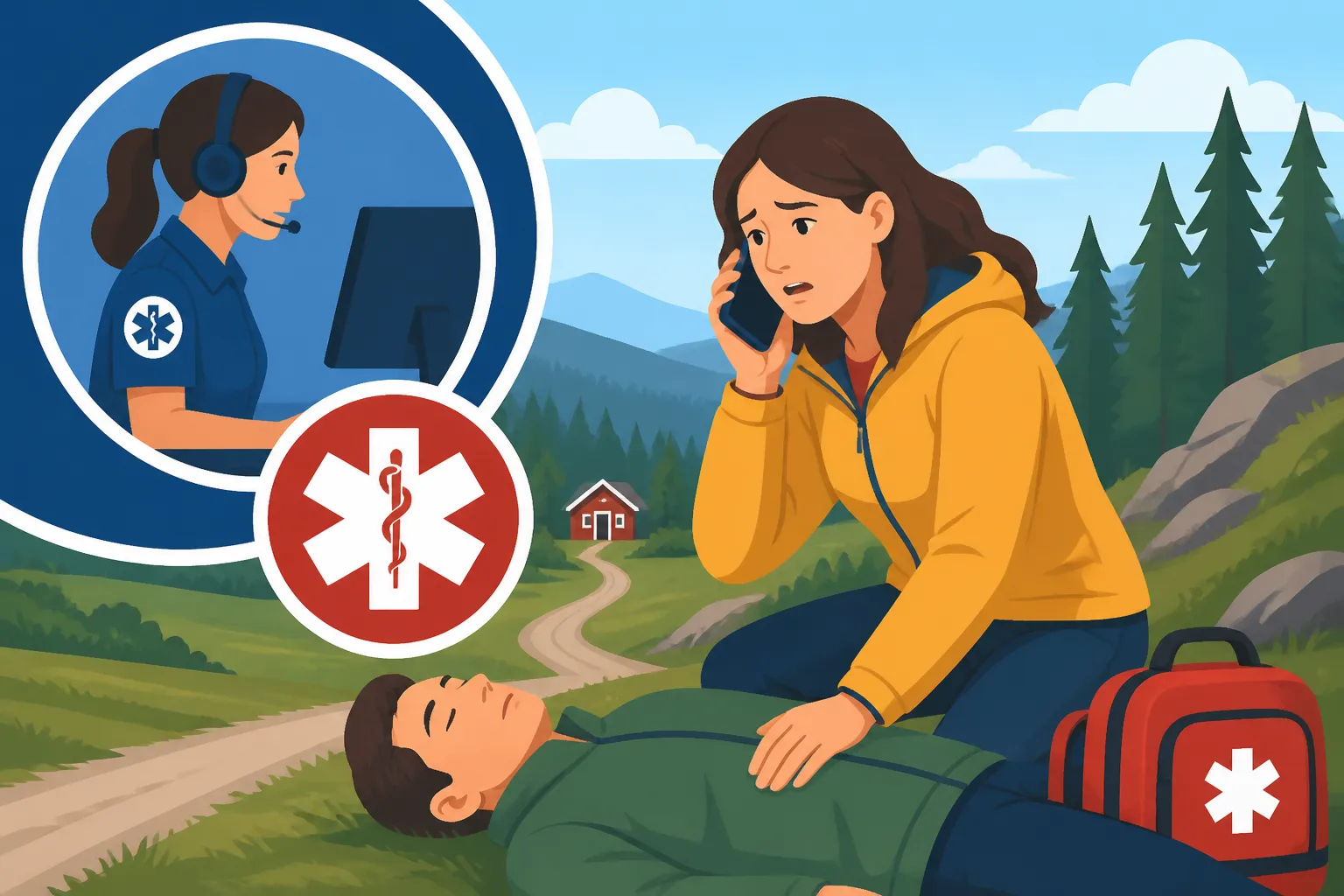
You should dial 112 for any situation where life, property, or the environment is in danger. In rural Sweden, this includes chest pain, difficulty breathing, unconsciousness, or severe trauma from accidents—which, unfortunately, can include wildlife collisions on dark country roads. When you call, be prepared to give your exact location. If you are hiking or in a forest, using the "SOS 112" app is a literal life-saver, as it transmits your GPS coordinates directly to the dispatcher.
Newcomers are often told that Is the 112 Emergency Line in Sweden Free to Call? is a question with a simple answer: yes, and you should never hesitate to use it in a genuine crisis. In remote regions like Lappland or the mountain ranges of Jämtland, the response might not be a traditional ambulance. Depending on the terrain and severity, they may dispatch a specialized mountain rescue team or an [Ambulanshelikopter] (ambulance helicopter). This is why it is so important to stay calm and stay on the line until they have all the details.
Using 1177 for Urgent but Non-Life-Threatening Advice
For things like a suspected broken bone, a deep cut that won't stop bleeding, or a sudden high fever in a child, 1177 is your best friend. The nurses there use a standardized triage system used across all of Sweden. They will ask for your [Personnummer] if you have one, but don't panic if you don't. You can still get advice and be directed to care as a visitor or new arrival.
If you are a long-term expat waiting for your residency to be finalized, you might wonder Can I See a Doctor in Sweden Before I Get My Personnummer? and the answer is yes, though the logistics in rural areas can be slightly more manual. The nurse might direct you to a Healthcare Outside the Big Cities: Rural Vårdcentraler and Regional Hospitals location that has a "Jourmottagning" (urgent care wing). During my own waiting period, I found that having comprehensive coverage through Cigna Global allowed me to focus on the medical issue rather than worrying about the administrative headache of being a "non-resident" in the eyes of the regional billing office.
Understanding Remote Infrastructure: From Vårdcentraler to Akutmottagning
In rural Sweden, the healthcare landscape is organized differently than in a city where there is a hospital on every other corner. The primary care hub is the "Vårdcentral." If you are living long-term in a smaller town, Registering with a Vårdcentral: Your Guide to Primary Care in Sweden is one of the most important things you can do. These centers handle everything from infections to minor injuries during regular business hours, typically 8:00 to 17:00.
However, when you are "outside the wires" of a major city, the Vårdcentral might be the only medical facility for 50 kilometers. In the evenings and on weekends, many regions operate a "Jourcentral." This is a rotating urgent care service. In some parts of Norrland, for example, the local Vårdcentral in one town might cover the entire region's urgent needs on a Saturday, while a different town takes over on Sunday. This is why calling 1177 first is so vital—they know the schedule so you don't end up driving to a locked door.
The Role of the Local Health Center
The local Vårdcentral in a rural area often feels more like a community hub than a sterile clinic. The doctors and nurses there often know the local terrain and the common risks associated with the area, such as tick-borne illnesses in the southern archipelago or cold-related injuries in the north. They are equipped to handle a surprising amount of urgent care, including basic X-rays and blood tests.
If your situation requires a specialist, the Vårdcentral will issue a "remiss" (referral). In rural areas, this might mean a trip to a larger regional hospital, such as Sunderby Sjukhus in Luleå or the regional hospital in Östersund. For those who prefer to bypass these often lengthy public waiting lists for specialist follow-ups, Private Health Insurance in Sweden: When Sjukvårdsförsäkring Is Worth It can be a valuable asset. I’ve known expats who used Cigna Global to secure faster appointments with specialists in the city after receiving initial emergency stabilization in a rural clinic.
Navigating Regional Hospitals and Jourtider
When the Vårdcentral cannot handle the complexity of an emergency, you will be sent to an "Akutmottagning" (Emergency Department) at a regional hospital. In rural Sweden, "regional" can mean a very long drive. For example, if you are in the mountain resort of Åre, the nearest major emergency room is in Östersund, about an hour and fifteen minutes away by car.
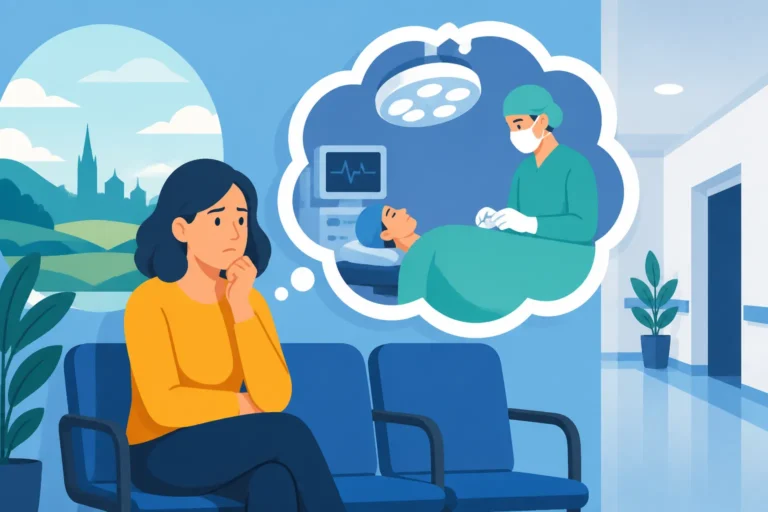
These hospitals are open 24/7 and are equipped for major trauma and surgery. One thing that surprises many foreigners is the "waiting" culture. Unless you are arriving by ambulance with a life-threatening condition, you will be triaged. In a rural hospital, you might wait several hours if a major accident has occurred nearby, as the staff numbers are smaller than in Stockholm's Karolinska. It's helpful to bring a charger, some water, and your patience.
| Medical Facility Type | Swedish Name | Best For |
|---|---|---|
| Emergency Room | Akutmottagning | Life-threatening emergencies, major trauma, severe acute illness. |
| Health Center | Vårdcentral | Non-urgent issues, minor infections, prescriptions (Daytime). |
| After-hours Clinic | Jourcentral / Närakut | Urgent issues that cannot wait until morning but aren't life-threatening. |
| National Advice | 1177 | Triage, medical advice, and finding out which facility is open. |
Logistical Challenges in Rural Sweden: Transport and Language
One of the biggest "I've-been-there" realizations for expats is that "close" is a relative term in Sweden. In the northern two-thirds of the country, you might be hundreds of kilometers from the nearest specialist. This is why the Swedish state invests heavily in medical transport. If you are in a remote area and the medical necessity is high, you won't just be waiting for a van; you might be looking at the sky for a rotor blade.
I have spoken with many hikers who were surprised to learn Does Sweden Have Air Ambulance Services for Remote Areas? and the answer is a resounding yes. Sweden operates a fleet of sophisticated ambulance helicopters and fixed-wing planes. These are dispatched for heart attacks, strokes, or severe accidents where every minute counts. If you are a tourist or a digital nomad exploring these areas, ensure your insurance—like SafetyWing—specifically covers medical evacuation, as the logistical costs of these operations are immense, even if the medical care itself is subsidized.
Air Ambulances and Remote Access
The "Svensk Luftambulans" is a coordinated effort across several regions. In places like Gällivare or Lycksele, these helicopters are a common sight. They aren't just for picking people up from mountains; they also transport patients between smaller rural hospitals and the major university hospitals in Umeå or Uppsala when highly specialized care is needed.
If you find yourself in a situation where a helicopter is dispatched, follow the instructions of the 112 dispatcher implicitly. They may ask you to clear a landing space or use specific signals. It is a high-stakes environment, but the crews are some of the best-trained in the world. Knowing that this infrastructure exists can take some of the terror out of living "off the grid" in the Swedish wilderness.
Overcoming Language Barriers in High-Stress Moments
While almost everyone in the Swedish medical system speaks English, the stress of an emergency can make communication difficult. In rural areas, you might encounter older staff or support personnel whose English is functional but not fluent. My advice is to speak slowly, use simple terms, and always have your basic medical history written down—or stored in your phone—in a clear format.
If there is a significant language barrier, you have a legal right to an interpreter in the Swedish healthcare system. In an emergency, this is often done over the phone via a specialized service. Don't be afraid to ask for one if you feel things are being "lost in translation." Being able to clearly explain your symptoms is vital for an accurate triage, especially when the doctor might be dealing with a wide variety of rural cases.
Costs and Practicalities for Expats and Tourists
Financial stress is the last thing you want during a medical emergency. For those registered in the Swedish population register with a Personnummer, the costs are heavily subsidized and capped. You will pay a "patientavgift" (patient fee), which varies by region but is usually between 200 and 400 SEK for an emergency visit.
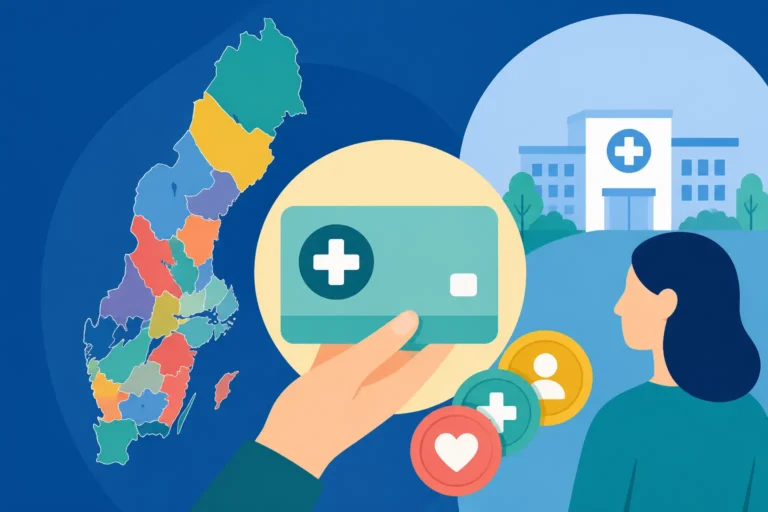
It is important to understand how Understanding Patient Fees (Patientavgift) Across Sweden's 21 Regions works because each "Region" (like Region Västra Götaland or Region Skåne) sets its own prices. However, once you reach a certain amount in a 12-month period, The Högkostnadsskydd Explained: Sweden's Healthcare Cost Ceiling and Frikort kicks in, and your care becomes free for the remainder of that period. This is a fantastic safety net for residents, but it doesn't always apply to short-term visitors or those who haven't yet been processed by Skatteverket.
Paying for Emergency Services
If you are a tourist from outside the EU/EEA, you will likely be charged the "full cost" of the medical care, which can be thousands of kronor for a single ER visit. This is where international health insurance becomes non-negotiable. Whether you use a specialized expat provider like Cigna Global or a travel-centric option like SafetyWing, you should keep your insurance details easily accessible.
For EU citizens, your European Health Insurance Card (EHIC) entitles you to the same subsidized rates as Swedish residents for "necessary care." In rural areas, make sure you have the physical card or a high-quality digital copy, as the billing departments in smaller hospitals may need to see it to process the paperwork correctly. If you forget it, you may have to pay upfront and claim it back later from your home country's health authority.
Why International Health Insurance Matters
Even with Sweden's excellent public system, there are gaps that can be frustrating for expats living far from the city. Rural healthcare can sometimes involve longer waiting times for non-emergency follow-ups or a lack of local specialists. Having a private policy can allow you to seek care at private clinics in the major cities, often including travel and accommodation coverage.
I’ve found that many expats choose to maintain a policy with Cigna Global specifically because it provides a bridge. If a rural doctor tells you that you need a specialist but the wait is three months, a private policy might get you into a clinic in Stockholm within a week. In a country where the "Vårdgaranti" (care guarantee) is often stretched to its limit in rural zones, this flexibility is more than just a luxury—it is peace of mind.
Medical Emergency Disclaimer
This guide is intended for informational purposes only and is based on personal experiences and general knowledge of the Swedish healthcare system. It does not constitute professional medical or legal advice. In the event of a real-life medical emergency in Sweden, you should always dial 112 immediately or contact 1177 for official medical guidance. Healthcare regulations and costs are subject to change by regional authorities (Regioner) and the Swedish government. Always verify your insurance coverage and residency rights with the appropriate agencies, such as Försäkringskassan or your private insurance provider.