Is the 112 Emergency Line in Sweden Free to Call?
When you are standing on a dark, icy street in Stockholm or a remote trail in Dalarna and a medical crisis strikes, the last thing you want to worry about is the cost of a phone call. I remember the paralyzing panic of my first winter here, wondering if dialing for help would trigger a massive bill I couldn't afford while waiting for my residence permit. This guide settles that fear by explaining exactly how 112 works, what it costs, and how to navigate Swedish emergency services as a newcomer.
The Cost of Calling 112 in Sweden
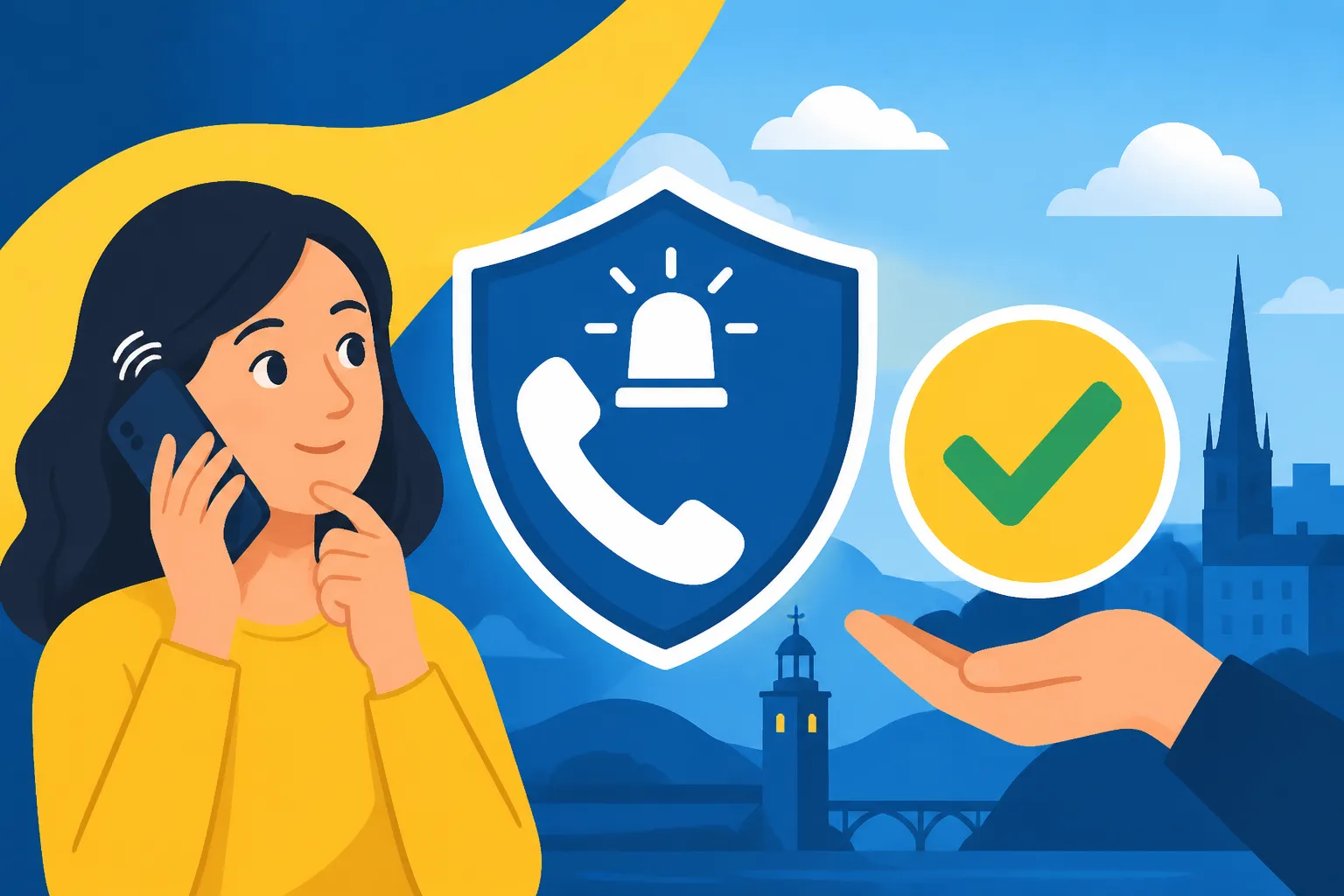
The short, reassuring answer is that calling 112 in Sweden is absolutely free of charge. This applies whether you are calling from a landline, a public payphone (if you can even find one these days), or a mobile phone with a foreign SIM card. In fact, Swedish law and telecommunications standards ensure that you can dial 112 even if your mobile phone has no credit, no SIM card inserted, or if the keypad is locked. The system is designed to remove every possible barrier between a person in distress and the help they need.
However, as a veteran expat, I have learned that while the call is free, the aftermath involves the Swedish healthcare billing system, which operates differently depending on your residency status. If you are still in that limbo period and wondering Can I See a Doctor in Sweden Before I Get My Personnummer? you should know that emergency life-saving care is always prioritized over paperwork. No operator will ask for your personal identity number before sending an ambulance, but the hospital administration will certainly ask for it later to determine how much to invoice you for the treatment.
For those who have recently arrived and are still navigating the complexities of Healthcare in Sweden for Foreign Residents: The Complete System Guide (2027) it is important to distinguish between the emergency call and the medical services provided. The 112 operator is part of SOS Alarm, a state-owned company that coordinates fire, police, and medical responses. Their job is to get help to your GPS coordinates, not to check your insurance policy.
Understanding the Different Emergency and Advice Numbers
One of the most common mistakes I see newcomers make is calling 112 for situations that aren't actually life-threatening. Sweden is very efficient, but its resources are balanced carefully. If you call 112 for a persistent cough or a stolen bicycle that happened three days ago, you are technically tying up a line meant for heart attacks and active fires. To help you navigate this, there are three primary numbers you should memorize.
First, there is 112. This is for immediate danger to life, property, or the environment. Think of it as the "right now" number. If someone is unconscious, there is a fire, or a crime is currently in progress, this is your only choice.
Second, there is 114 14. This is the national number for the Swedish Police for non-emergency matters. You use this to report a theft that has already occurred, to give a tip about a crime, or to ask questions about passports and police matters. It is not free in the same way 112 is; it usually costs the price of a local call, but it keeps the emergency lines clear for those in true peril.
Third, and perhaps most importantly for expats, is 1177. This is the number for non-emergency medical advice. When I first moved here, I spent hours on the 1177 Vårdguiden: Navigating Sweden's National Health Advice Line and Portal website trying to figure out if my child’s fever was a 112-level emergency. By calling 1177, you speak to a registered nurse who can tell you whether you should stay home, go to a local clinic, or head straight to the emergency room.
| Number | Purpose | Cost |
|---|---|---|
| 112 | Immediate emergencies (Life/Fire/Crime in progress) | Free |
| 1177 | Non-urgent medical advice from a nurse | Local Call Rate |
| 114 14 | Police non-emergencies and reporting past crimes | Local Call Rate |
| 113 13 | Information during major accidents or crises | Local Call Rate |
What Happens When You Dial 112
When you dial 112, you will be connected to an operator at SOS Alarm. They are trained to handle high-stress situations and will usually answer in Swedish, but they are all highly proficient in English. If you are struggling with the language, simply say "English, please," and they will switch immediately. In some cases, they can even bring in an interpreter for other languages, though this can take a few extra moments.
The operator will ask three fundamental questions: What has happened? Where did it happen? What phone number are you calling from? I’ve found that being specific about your location is the hardest part for new arrivals who don't yet know the names of every suburb or street. If you are calling from a smartphone, the system can often see your location via Advanced Mobile Location (AML) technology, but it is always better to look for nearby landmarks or street signs.
Once the operator determines the nature of the emergency, they will dispatch the appropriate service. If it is a medical issue, they will often keep you on the line to give you instructions—like how to perform CPR or how to stop heavy bleeding—while the ambulance is en route. This is part of the Emergency Medical Care in Sweden: 112, Akutmottagning, and Urgent Help framework that ensures care begins before the paramedics even arrive.
The Cost of the Ambulance Ride and Treatment
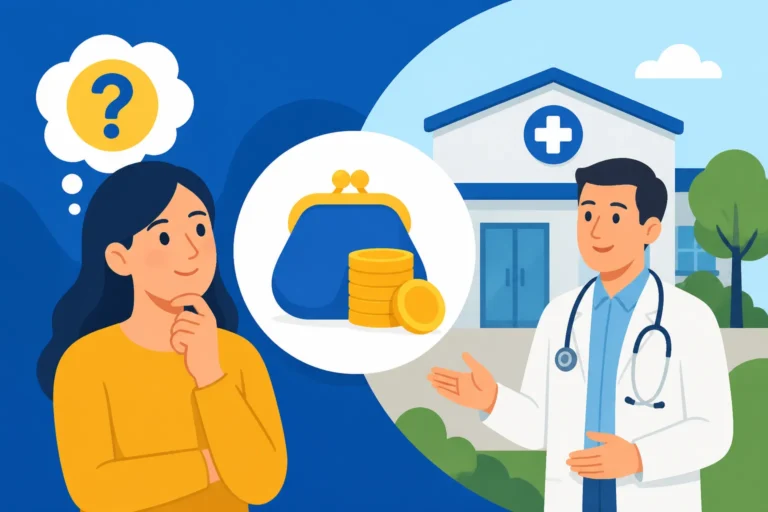
This is where the "free" aspect of the call meets the reality of the Swedish healthcare system. While the call to 112 is free, the ambulance transport and the subsequent visit to the emergency room (Akutmottagning) are not. However, for those registered in the system, these costs are heavily subsidized and very manageable.
If you have a personnummer and are part of the Swedish social security system, you will be charged a "patientavgift" (patient fee) for the ambulance and the ER visit. These fees vary slightly by region. For instance, if you are wondering Which Vårdcentral Should I Choose If I Just Moved to Stockholm? you should also know that Region Stockholm currently charges a flat fee for an ambulance ride, which is often around 400 SEK.
The good news is that these costs are protected by a safety net. If you are familiar with The Högkostnadsskydd Explained: Sweden's Healthcare Cost Ceiling and Frikort you know that there is a limit to how much you have to pay for healthcare in a twelve-month period. Once you hit this ceiling (currently around 1,400 SEK), the rest of your visits and ambulance rides for that year are free. This is a massive relief for those of us who have lived in countries where a single ambulance ride could cost thousands of dollars.
Emergency Care for Tourists and Newcomers Without a Personnummer
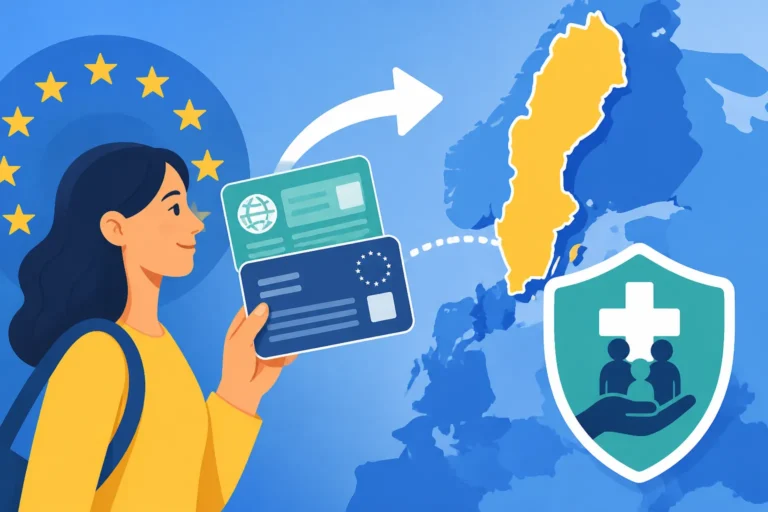
If you are a tourist or a newcomer who hasn't yet received their personnummer, the financial side of a 112 call can feel a bit more daunting. If you are an EU citizen, you must carry your European Health Insurance Card (EHIC). When the hospital asks for your details, presenting this card ensures you are charged the same subsidized rate as a Swedish resident. You can read more about this in our guide on Using Your EHIC for Care While Settling Into Sweden to ensure you aren't overcharged.
For non-EU citizens, the situation is different. Without a personnummer or an EHIC, the hospital may bill you the "full cost" of the treatment, which can be significant. This is why having private insurance is not just a recommendation; it is a necessity during your first few months. Many expats choose a global provider like Cigna Global to ensure they have comprehensive coverage that mirrors the Swedish system's benefits.
Alternatively, for digital nomads or those on shorter stays, SafetyWing offers a flexible option that covers emergency medical situations. Having a policy from SafetyWing or Cigna Global means that if you do have to call 112, the subsequent bills for the ambulance and hospital stay will be handled by your provider rather than coming out of your relocation budget. If you are unsure about your requirements, check Do I Need Private Insurance to Get a Swedish Residence Permit? for the latest legal updates.
Navigating the Akutmottagning (Emergency Room)
If your 112 call results in a trip to the hospital, you will be taken to the Akutmottagning. It is important to realize that the Swedish ER operates strictly on a triage basis. Just because you arrived in an ambulance doesn't necessarily mean you will be seen immediately if someone else arrives with a more life-threatening condition.
While you wait, the staff will ask for your ID. If you have been following our advice on Getting a Swedish ID Card After Your Personnummer you will have your physical ID card ready. If not, your passport will suffice. They will also check if you are registered with a local clinic. Even in an emergency, the system tries to link your records back to your primary care provider. If you haven't done this yet, our guide on Registering with a Vårdcentral: Your Guide to Primary Care in Sweden explains why this is a vital step for your long-term health in Sweden.
The cost for an ER visit for a registered resident is typically between 300 and 400 SEK. If you are admitted to the hospital for an overnight stay, there is a small daily fee (usually around 130 SEK) for the bed and meals. Again, these all count toward your high-cost protection ceiling. For more specific details on regional pricing, see Understanding Patient Fees (Patientavgift) Across Sweden's 21 Regions to avoid any surprises.
Language and Accessibility Features
Sweden is a world leader in making emergency services accessible. For those who are deaf or have speech impairments, there is a specialized SMS 112 service. However, this requires pre-registration, which is something many expats overlook. If you have a family member who might need this service, I highly recommend registering their mobile number as soon as you settle in.
Additionally, the "112 app" provided by SOS Alarm is a tool I suggest every newcomer downloads. Not only does it provide real-time alerts about accidents or fires in your immediate vicinity, but if you call 112 through the app, it automatically sends your exact GPS coordinates to the dispatcher. When you are panicked and trying to explain where you are in a forest or a confusing industrial park, this app can literally be a lifesaver.
Even if you aren't in a life-or-death situation, knowing What Number Do I Call for Non-Emergency Medical Advice in Sweden? is crucial for your peace of mind. Calling 1177 first can often save you a long, expensive, and unnecessary trip to the ER, as the nurses there can often book you an urgent appointment at a "Närakut" (urgent care center) instead.
Final Advice for Newcomers
Living in Sweden is a beautiful experience, but the administrative hurdles can be exhausting. The healthcare system is one of the best in the world, but it requires you to understand the rules of engagement. Calling 112 is free, and you should never hesitate to do so in a true emergency. Whether you are covered by the national system, an EHIC, or a private policy from Cigna Global or SafetyWing, the priority is always your safety.
Take the time today to save 112, 114 14, and 1177 in your phone. Download the 112 app and ensure your home insurance—which often includes some level of legal and travel protection—is up to date. If you're still confused about the specifics of ambulance costs, you can dive deeper into How Do I Get an Ambulance in Sweden and What Does It Cost? for a full breakdown of the fees.
Sweden's system is built on trust and collective funding. By using these numbers correctly, you're not just helping yourself; you're helping the entire community keep the lines open for those who need them most. Stay safe, watch out for the "black ice" in October, and remember that help is always just a free phone call away.
Disclaimer
This article provides general information for educational purposes and reflects the personal experiences of an expat living in Sweden. While we strive to keep information up to date, Swedish healthcare regulations and fees can change. Always consult official sources like SOS Alarm, 1177.se, or Migrationsverket for legal and medical advice.