How Do I Get an Ambulance in Sweden and What Does It Cost?
Waking up in the middle of the night with chest pains or witnessing a serious accident on a snowy Swedish road is a nightmare scenario for any expat. I remember the paralyzing fear of my first emergency here, wondering if I should call a taxi or dial 112 and risk a massive bill. This guide breaks down exactly how to summon help and the surprisingly manageable costs involved.
Accessing Emergency Medical Services in Sweden
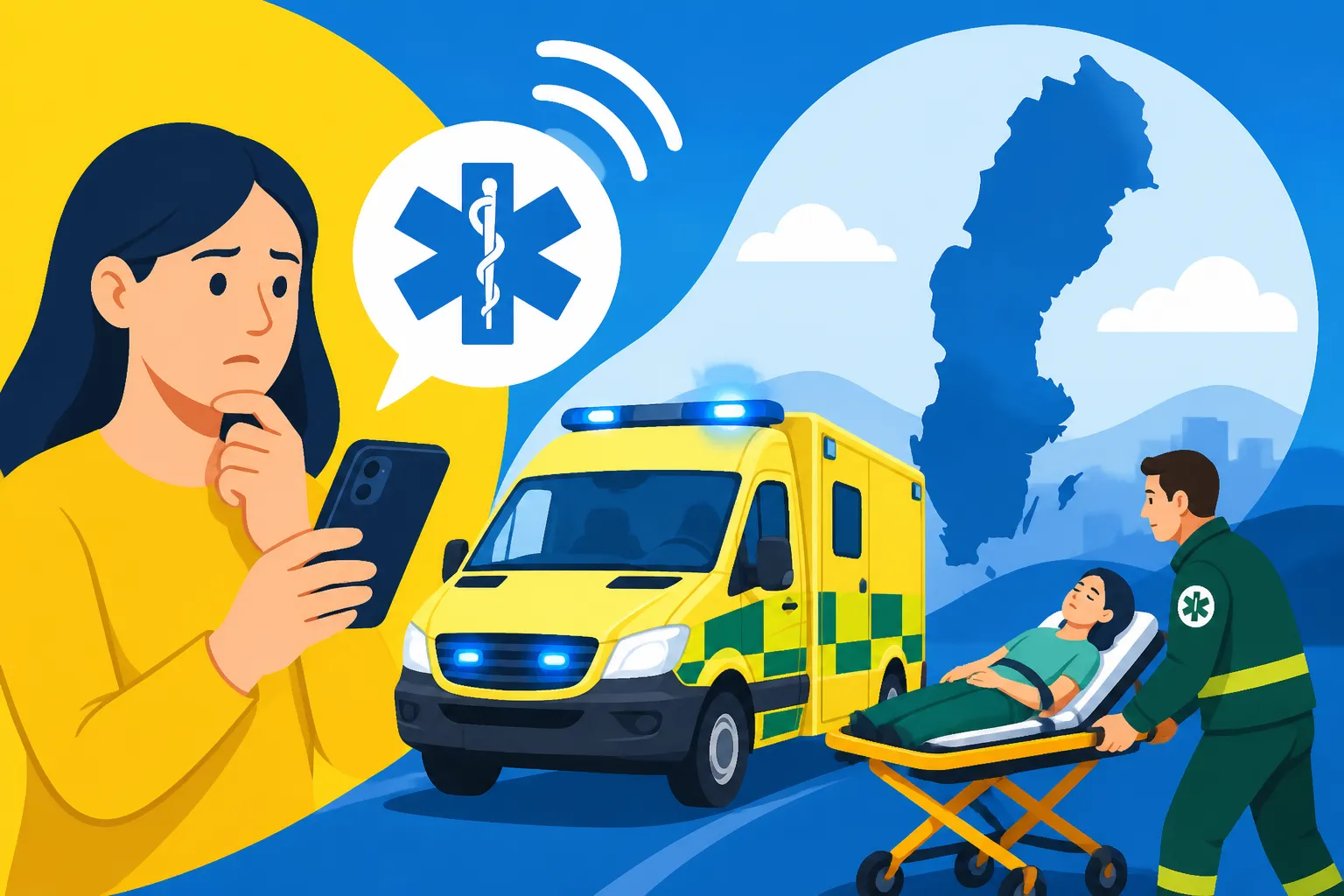
When you find yourself in a situation where a life is in danger, there is only one number you need to remember: 112. This is the national emergency number for all of Sweden, and it connects you to SOS Alarm, the organization responsible for dispatching ambulances, police, and fire services. The system is highly efficient, but for those of us used to different healthcare models, the protocol can feel slightly unfamiliar.
Knowing When to Call 112
In Sweden, there is a very clear distinction between urgent, life-threatening emergencies and medical issues that can wait. If someone is unconscious, having difficulty breathing, experiencing severe chest pain, or has suffered a major trauma, you must dial 112 immediately. The operators are bilingual in Swedish and English, and they are trained to stay on the line with you until help arrives.
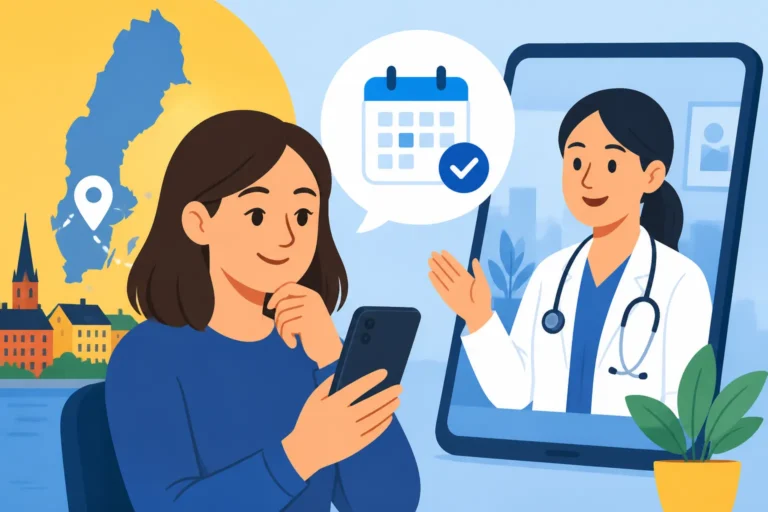
However, if your situation is not immediately life-threatening, Swedes typically turn to 1177 Vårdguiden: Navigating Sweden's National Health Advice Line and Portal. This is a 24/7 service staffed by registered nurses who can assess your symptoms and tell you whether you need to visit an Emergency Medical Care in Sweden: 112, Akutmottagning, and Urgent Help or if you can wait until morning to see a doctor at your local clinic.
The Dispatch Process and Priority Levels
When you call 112, the operator will ask "Vad har hänt?" (What has happened?). Based on your answers, they assign a priority level to your case. Priority 1 is for life-threatening conditions where the ambulance will use sirens and lights. Priority 2 is for urgent but not life-threatening cases, and Priority 3 is for stable patients who need professional transport but not immediate intervention.
It is important to realize that an ambulance in Sweden is not just a transport vehicle; it is a mobile treatment unit. Often, a "bedömningsbil" (an assessment car) or a rapid response paramedic might arrive first to begin treatment while the larger ambulance is en route. If you are visiting Sweden as a tourist or digital nomad, having a plan like SafetyWing can provide peace of mind during these high-stress moments, as they often cover the costs associated with emergency transport and stabilization.
The Reality of Ambulance Costs in Sweden
One of the biggest shocks for new arrivals is how the billing system works. Unlike many countries where an ambulance ride can cost thousands of dollars, the Swedish system is heavily subsidized by taxes. However, it is not entirely free.
Regional Variations in Fees
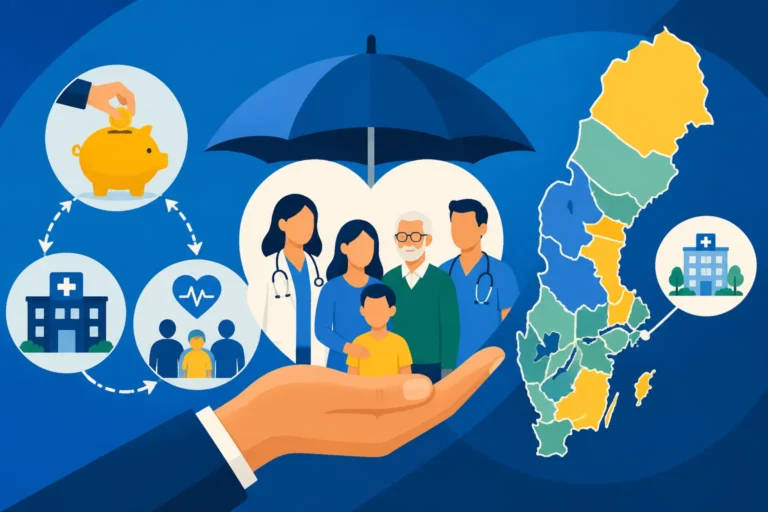
Sweden’s healthcare system is decentralized, managed by 21 different regions. This means that the cost of an ambulance can vary depending on where the emergency occurs. For example, in Stockholm, the fee for an ambulance ride is typically around 400 SEK. In other regions, it might be as low as 150 SEK or even free under certain conditions.
These fees are not paid on the spot. The paramedics will take your Personnummer, Folkbokföring, and Your Legal Status in Sweden or your passport details, and an invoice (faktura) will be sent to your registered address a few weeks later. If you have not yet received your personnummer, don't panic. The healthcare providers are legally obligated to treat you first and figure out the paperwork later. You can learn more about how these specific costs are structured by reading about Understanding Patient Fees (Patientavgift) Across Sweden's 21 Regions.
The High Cost Ceiling Protection
The good news for those with chronic conditions or those who face multiple health hurdles in a single year is the "Högkostnadsskydd." This is a national cap on healthcare costs. Once you have paid a certain amount in patient fees (typically 1,300 SEK to 1,400 SEK within a 12-month period), you receive a "frikort," and all subsequent visits and ambulance transports are free for the remainder of that period.
This protection is a cornerstone of Healthcare in Sweden for Foreign Residents: The Complete System Guide (2027). It ensures that even if you require multiple emergency transports, your financial liability remains limited. For expats who want an even higher level of comfort or perhaps want to bypass public queues for follow-up care, Private Health Insurance in Sweden: When Sjukvårdsförsäkring Is Worth It is a common choice, and providers like Cigna Global often offer plans that integrate smoothly with these local costs.
Cost Comparison Table for Emergency Transport
To help you visualize the potential costs, here is a breakdown of what you might expect to pay for different types of emergency transport in Sweden.
| Service Type | Estimated Cost (Patient Fee) | Coverage Detail |
|---|---|---|
| Standard Road Ambulance | 150 – 400 SEK | Varies by region; capped by Högkostnadsskydd. |
| Rapid Response Car | 150 – 400 SEK | Often the same fee as a full ambulance. |
| Air Ambulance (Helicopter) | 0 – 400 SEK | Usually free if medically necessary; region-dependent. |
| Sea Ambulance (Boat) | 0 – 400 SEK | Common in the Stockholm and Gothenburg archipelagos. |
| Non-Emergency Sjukresa | 50 – 150 SEK | Subsidized transport for those unable to use public transit. |
Specialized Ambulance Services and Air Rescue
Sweden is a massive country with remote forests, vast archipelagos, and mountainous regions in the north. Because of this geography, the ambulance service isn't limited to vans on the road.
Air Ambulances and Rural Coverage
In the northern reaches of Sweden or in the middle of the Stockholm archipelago, a traditional ambulance simply cannot reach you fast enough. In these cases, the regional health authorities dispatch a helicopter. You might wonder, Does Sweden Have Air Ambulance Services for Remote Areas? The answer is a resounding yes. Sweden maintains a fleet of highly advanced medical helicopters equipped with intensive care technology.
Crucially, the cost for an air ambulance is typically the same as a road ambulance—a small patient fee. The government views this as a necessary part of equal access to care, regardless of whether you live in downtown Malmö or a cabin in Lapland. For long-term residents, ensuring you are Registering with a Vårdcentral: Your Guide to Primary Care in Sweden is the first step toward being fully integrated into this network.
Psychiatric and Pediatric Ambulances
Sweden has also pioneered specialized emergency vehicles for specific needs. In Stockholm, for example, there is a dedicated "PAM" (Psykiatrisk Akut Mobilitet) unit. This is an ambulance staffed by mental health professionals designed to respond to psychiatric crises. This reduces the trauma for the patient and ensures they receive the right kind of care immediately. Similarly, pediatric transport teams are often dispatched for neonatal emergencies, ensuring that the smallest patients have the highest level of specialized equipment during transit.
Coverage and Payment for Non-Residents
If you are a newcomer still waiting for your residence permit or a visitor on a short-term stay, the way you interact with the ambulance service is slightly different.
EU Citizens and the EHIC
If you are from another EU/EEA country, you should always carry your European Health Insurance Card. By Using Your EHIC for Care While Settling Into Sweden, you are entitled to the same subsidized rates as Swedish citizens. Without it, the hospital or the ambulance service might attempt to charge you the "actual cost" of the service, which can run into the thousands of kronor. If you forget your card, you can often provide a provisional replacement certificate from your home country later.
Non-EU Residents and Insurance Requirements
For those arriving from outside the EU, the situation is more complex. While you are waiting for your personnummer, you are often considered "uninsured" in the eyes of the Swedish state unless you have a specific type of permit. This is why Health Insurance Requirements for Non-EU Residence Permit Holders in Sweden are so strict.
If you are a tourist or a digital nomad, the ambulance will still come, and the hospital will still treat you. However, you will be billed the full, non-subsidized rate. This is where having a robust international plan is vital. SafetyWing is a popular choice for younger travelers and nomads because of its ease of use in emergencies, while Cigna Global provides the kind of comprehensive, long-term security that many professional expats prefer when moving their families to Sweden.
Practical Steps Following an Ambulance Call
Once the emergency has passed and you have been treated at the "Akutmottagning" (Emergency Department), there are a few administrative things you need to handle to ensure you don't run into trouble with the Swedish bureaucracy.
- Wait for the Invoice: Do not try to pay the paramedics. They do not carry card readers or cash boxes. The bill will arrive in your mailbox (or digital mailbox like Kivra) about 30 days later.
- Check Your Högkostnadsskydd Status: If you have had several medical appointments recently, check your status on the 1177.se portal. Once you hit the limit, you should stop receiving bills for patient fees. You can read more about how The Högkostnadsskydd Explained: Sweden's Healthcare Cost Ceiling and Frikort works to make sure you aren't overpaying.
- Keep Your Receipts: If you are using a private insurer like Cigna Global or SafetyWing, you will need the itemized invoice from the region to file your claim. Swedish invoices are usually very clear, but they will be in Swedish, so you may need to provide a basic translation for your insurer.
- Follow-up Care: The ambulance crew will provide a "remiss" (referral) or a digital note in your journal. Make sure to follow up with your local clinic for any ongoing issues.
Sweden's emergency system is built on the principle of "need-based care." In a crisis, the system works brilliantly to prioritize those in the most danger. While the administrative side—the invoices, the regional differences, and the waiting for a personnummer—can be frustrating, the actual medical care delivered in that ambulance is world-class.
Disclaimer
This guide is intended for informational purposes only and does not constitute legal or medical advice. Healthcare regulations, patient fees, and insurance requirements in Sweden are subject to change. Always consult with the Swedish Social Insurance Agency (Försäkringskassan), your local Region, or a qualified legal professional regarding your specific residency status and healthcare entitlements. In a medical emergency, always dial 112 immediately.