Personnummer, Folkbokföring, and Your Legal Status in Sweden
Moving to a new country like Sweden, you’re often faced with a whirlwind of excitement and, let’s be honest, a fair bit of administrative head-scratching. One of the biggest puzzles, and often the source of endless frustration for newcomers, revolves around getting your Personnummer and understanding the pivotal role of Folkbokföring. It can feel like you're stuck in limbo, not fully 'in the system' until these pieces fall into place. Trust me, you're not alone in feeling this way. This guide is here to untangle the bureaucratic knots and help you understand your legal status, giving you the clarity you need to settle in properly.
Decoding the Personnummer: Your Swedish Identity Number
Ah, the Personnummer. It’s perhaps the most talked-about, most sought-after, and often most elusive piece of administrative magic for any foreigner arriving in Sweden. You'll quickly learn that without it, your life here will be an uphill battle. I remember the sheer relief, and frankly, utter joy, when mine finally arrived in the post. It’s not just a number; it’s your key to unlocking Swedish society.
What Exactly is a Personnummer and Why You Need It
In its simplest form, a Personnummer is a unique ten-digit personal identity number issued by the Swedish Tax Agency, Skatteverket. It's composed of your birth date (YYMMDD), followed by four additional digits, with the penultimate digit determining gender (even for women, odd for men). This number is fundamental to nearly every aspect of life in Sweden. Think of it as your social security number, national ID, and tax ID all rolled into one. It’s how the government identifies you, tracks your taxes, ensures you receive healthcare, and even processes your salary.
Without a Personnummer, you'll find it incredibly difficult, if not impossible, to do basic things that residents take for granted. Imagine trying to open a proper bank account, get a mobile phone contract, register with a local vårdcentral (health clinic), apply for förskola (preschool) for your kids, get a library card, or even sign up for many loyalty programs. Each of these steps, and countless more, will ask for your Personnummer. It’s a prerequisite for accessing most public services and even many private ones. It’s the data point that connects you to the entire system, making your life smoother and more integrated. For example, it’s the vital link to getting registered with a Vårdcentral after getting your Personnummer, ensuring you can finally access the Swedish healthcare system.
Eligibility for a Personnummer: Who Qualifies and When
This is where the process can get a bit opaque and frustrating for many newcomers. Skatteverket has strict rules for who qualifies for a Personnummer. Generally, you must intend to reside in Sweden for at least one year and demonstrate a "right of residence" or a valid residence permit. This isn't just a casual intention; it needs to be proven through documentation.
For EU/EEA citizens, the right of residence usually comes from working, studying, being self-sufficient, or having family in Sweden. You'll need to show employment contracts, university acceptance letters, or proof of sufficient funds. For non-EU/EEA citizens, a valid residence permit from Migrationsverket is almost always a prerequisite. This means you first need to secure your work permit, study permit, or family reunification permit. The moment you cross that one-year intended stay threshold and have your permit in hand, you should be eligible. However, Skatteverket will also look at whether your move to Sweden constitutes a "habitual residence," meaning you genuinely intend to make Sweden your home. They want to see that you're not just passing through, but truly embedding yourself in the society. This is why having a rental contract, an employment letter, and a clear purpose for your stay are so crucial.
The Application Process: Navigating Skatteverket
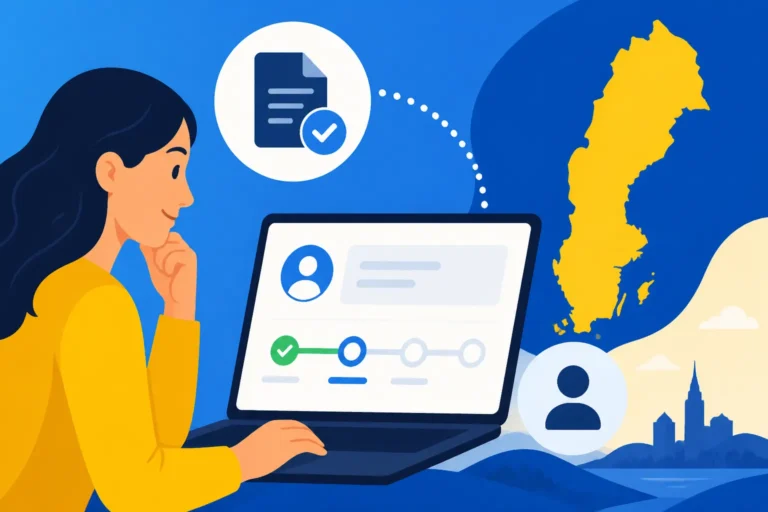
Applying for a Personnummer requires a visit to a Skatteverket service office. You can’t just mail it in, though you can book an appointment online, which is highly recommended to avoid long queues, especially in bigger cities like Stockholm or Gothenburg. When you go, you need to bring a collection of documents. This typically includes:
- Your valid passport (original, not a copy).
- Your residence permit card (UT-kort) if you're a non-EU/EEA citizen.
- Documents proving your right of residence (e.g., employment contract, university admission letter, proof of sufficient funds if self-sufficient).
- Proof of your marital status and family relationships (if applicable), which may require internationally recognised marriage or birth certificates. These often need to be original, translated into Swedish or English by a certified translator, and sometimes even apostilled or legalised, depending on the issuing country. Services like RushTranslate or Translayte can be incredibly helpful for getting those certified translations done correctly, ensuring Skatteverket accepts them without a hitch.
- Your rental contract or other proof of address in Sweden.
The Skatteverket official will review your documents, ask you questions about your intentions to live in Sweden, and then process your application. It’s a conversation, not just a document drop-off. Be prepared to explain your situation clearly and confidently. They want to ensure you meet all criteria for Folkbokföring (population registration), which is the underlying process that generates the Personnummer. Understanding what to expect when dealing with Migrationsverket, and by extension Skatteverket, can really help manage expectations. After your appointment, it’s a waiting game. The processing time can vary significantly, sometimes taking a few weeks, sometimes longer, especially during peak periods or if they require additional information.
Folkbokföring: The Heart of Your Swedish Residency
While the Personnummer is the number itself, Folkbokföring is the actual registration of your person in the Swedish population register. It’s the foundational administrative act that officially recognises you as a resident of Sweden. This isn't just a formality; it has profound implications for your legal status and access to society.
Understanding Population Registration in Sweden
Folkbokföring, or population registration, is essentially the act of being recorded as living in a specific municipality and parish in Sweden. Skatteverket maintains this register, which is considered a public record (yes, in Sweden, basic information like your address and even income can be publicly accessed, which is a culture shock for many!). When you apply for a Personnummer, you are, in essence, applying to be folkbokförd. The two processes are inextricably linked. You can't get a Personnummer without being registered in the population register, and vice versa.
Skatteverket's core principle for Folkbokföring is that you should be registered where you actually live. This means they'll want to see a valid address, usually a rental contract in your name, or a confirmation from the person whose address you're sharing. The intention is to ensure that everyone who is considered a resident is accounted for, which allows the government to properly allocate resources, manage public services, and collect taxes. It’s a very robust and central system designed for efficiency and transparency, but it can feel incredibly intrusive and slow for those new to it.
The Impact of Folkbokföring on Your Daily Life
Once you are folkbokförd, a multitude of doors open for you. This is where you truly start feeling like a resident, not just a visitor. Being registered means you are entitled to the same rights and obligations as other residents.
Firstly, your healthcare access solidifies. You can now register with a local vårdcentral, get a doctor, and pay the subsidised patient fees, benefiting from the högkostnadsskydd (high-cost ceiling) system. Before Folkbokföring, your healthcare options are much more limited, often restricted to emergency care or requiring you to pay the full, unsubsidised cost, which can be eye-wateringly expensive. Being properly registered is the prerequisite for enjoying the benefits of healthcare in Sweden for foreign residents: The Complete System Guide (2026).
Secondly, it unlocks access to the social security system via Försäkringskassan. This includes things like child allowance (barnbidrag), parental leave benefits (föräldrapenning), and sick pay (sjukpenning). Without Folkbokföring, you cannot claim these crucial benefits, which are a cornerstone of Swedish society.
Thirdly, Folkbokföring impacts your taxes. You become eligible for standard Swedish income tax, including the jobbskatteavdrag (employment tax credit), which reduces your taxable income. You'll receive your tax returns pre-filled by Skatteverket, which makes filing your Swedish tax return (Deklaration): What You Need to Know much simpler. It also affects municipal taxes, as these vary by municipality, and you'll be taxed according to where you're registered.
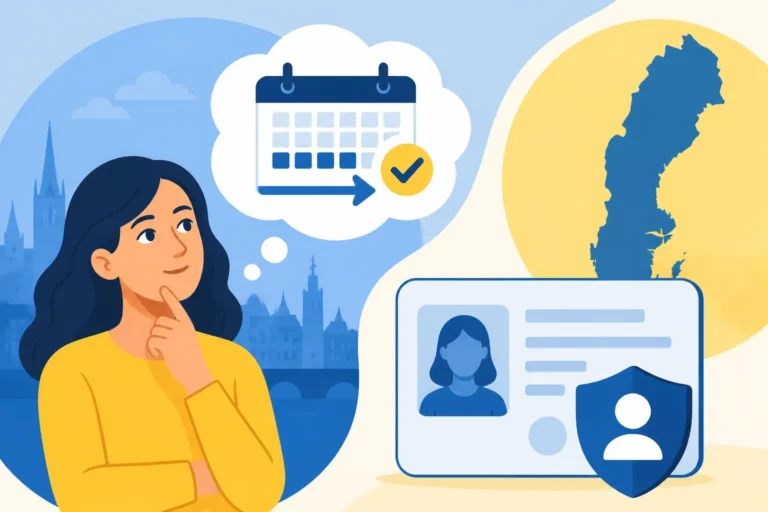
Finally, and perhaps most importantly, Folkbokföring is often a key step towards obtaining a Swedish ID card, which is the gold standard for identification in Sweden, enabling you to get BankID and fully engage in Sweden's largely cashless digital society. It truly is the pivot point for so much of your new life.
How to Register Your Move with Skatteverket
The process of registering your move (Flyttanmälan) is typically part of your initial Personnummer application. However, it’s important to understand that every time you change your permanent address within Sweden, you must notify Skatteverket within one week of moving. This is not optional; it’s a legal requirement.
To register a change of address, you can often do it conveniently online if you already have a Personnummer and BankID. Otherwise, you might need to fill out a form and mail it in, or visit a service office. They will require proof of your new address, usually a new rental contract. It’s crucial to keep your Folkbokföring address up to date because it dictates which municipality you pay tax to, which school district your children belong to, and which vårdcentral catchment area you fall into. For a more detailed walkthrough, refer to our guide on Registering your move (Flyttanmälan) with Skatteverket. Neglecting to update your address can lead to mail going missing, incorrect tax calculations, and even issues with accessing local services. It’s one of those administrative tasks that seems small but has significant ripple effects.
The Elusive Coordination Number (Samordningsnummer)
Sometimes, despite your best efforts, getting a Personnummer immediately isn’t possible. Perhaps your residence permit is for less than a year, or you’re a cross-border worker, or maybe you simply arrived and are waiting for your permit decision. In these situations, Sweden has a backup plan: the Samordningsnummer. While it's not a Personnummer, it's a step up from having no identification at all.
When a Samordningsnummer Steps In: A Temporary Solution
A Samordningsnummer, or coordination number, is a temporary identifier issued by Skatteverket to individuals who do not qualify for a Personnummer but still need to be identified by Swedish authorities. It’s usually issued when you need to interact with a specific Swedish authority or perform a specific task that requires an identity number, but your stay is not expected to be 12 months or longer. For instance, if you're working in Sweden on a project for less than a year, applying for a driving license, or if you're an asylum seeker awaiting a decision, you might be issued a Samordningsnummer.
It's also sometimes used by newborns if their parents haven't yet received their Personnummer and thus cannot register the child for one. The Samordningsnummer allows these individuals to be recognised in certain administrative systems, which is far better than being completely invisible. Think of it as a stepping stone or a placeholder. It provides a limited degree of official recognition for certain purposes, but it’s crucial to understand its limitations.
How a Samordningsnummer Differs from a Personnummer
The differences between a Samordningsnummer and a Personnummer are significant. While both are eleven-digit numbers and contain your birth date (though the day is usually increased by 60 for a Samordningsnummer), their functionality and the doors they open are vastly different.
The most fundamental difference is that a Samordningsnummer does not mean you are folkbokförd (registered in the population register). This lack of Folkbokföring is the primary reason why it doesn't grant you the same comprehensive access to Swedish society. A Personnummer is linked to your permanent address and your full integration into the social welfare system. A Samordningsnummer is not.
Here’s a quick comparison:
| Feature | Personnummer | Samordningsnummer |
|---|---|---|
| Purpose | Full citizen/resident identification | Temporary identification for specific needs |
| Folkbokförd | Yes, requires population registration | No, not registered in the population register |
| Validity | Permanent (unless revoked/inactive) | Needs renewal every five years, can become inactive |
| Healthcare | Full access to subsidised public healthcare | Limited to emergency care or full cost payments |
| Bank Account | Generally required for full services | Possible, but limited services/specific banks |
| BankID | Yes, key to digital ID | No, cannot get BankID with this alone |
| Social Benefits | Full access (e.g., parental leave, child allowance) | No access |
| Tax Status | Standard Swedish tax system | Often SINK tax (special income tax for non-residents) |
| Driving Licence | Allows application for Swedish ID/licence | Required for some licence exchanges/applications |
This table clearly shows why a Personnummer is the ultimate goal for anyone planning a long-term stay. The guide The Coordination Number (Samordningsnummer) Explained offers more details on this temporary identifier.
Limitations and Uses of the Samordningsnummer
While better than nothing, relying solely on a Samordningsnummer comes with significant limitations. As highlighted in the table, you won't get BankID, which is a major hurdle in Sweden's increasingly digital, cashless society. Booking doctor’s appointments, accessing online banking, authenticating purchases, or interacting with many government agencies online become difficult without it.
You also won't have the same access to the full public healthcare system. While you can receive emergency care, you'll likely pay the full, unsubsidised cost, which can be very high. You won't be able to easily register with a vårdcentral or benefit from the högkostnadsskydd. Your interactions with Försäkringskassan will be minimal, as most benefits require Folkbokföring.
However, a Samordningsnummer does allow you to:
- Have an official identity number for specific Swedish authorities.
- Receive a salary from a Swedish employer (though your tax deductions will differ, often falling under the SINK tax regime).
- Open a basic bank account with some banks, though often with restrictions. Our guide on How to open your first Swedish bank account without a Personnummer might offer some insight.
- Get a Swedish driving license if you're eligible to exchange your foreign one.
In essence, a Samordningsnummer provides a bare minimum level of administrative integration. It's a pragmatic solution for specific short-term needs, but it's not a substitute for the full resident status conferred by a Personnummer and Folkbokföring. It definitely feels like living life on the administrative sidelines, which can be immensely frustrating when you see others easily navigating things you can't.
Proof of Legal Status: More Than Just a Permit Card
Beyond the Personnummer and Folkbokföring, your legal right to be in Sweden is fundamentally tied to your visa or residence permit. This is your primary document proving that Migrationsverket (the Swedish Migration Agency) has granted you permission to live, work, or study here. It's the first step on your journey, and arguably the most important one.
Your Residence Permit (UT-kort) as a Key Document
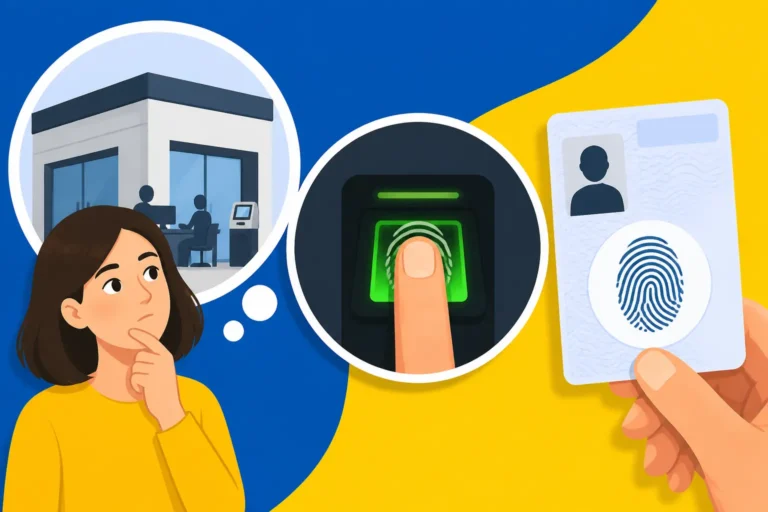
For non-EU/EEA citizens, your residence permit, often referred to as an "UT-kort" (from Uppehållstillståndskort), is your most crucial document after your passport. This plastic card contains your personal details, your photo, fingerprints, and specifies the type of permit you have (e.g., work permit, study permit, family reunification permit) and its validity period. It’s physical proof of your legal right to reside in Sweden.
When you enter Sweden, border control will typically ask for your passport and your UT-kort. It's what allows you to re-enter the country if you travel abroad. This card is also frequently requested by banks, landlords, and other authorities as proof of your legal status, especially before your Personnummer is issued. Losing it can be a significant hassle, leading to delays and complications, so treat it like gold. Renewing your Swedish residence permit before it expires is absolutely critical to maintain your legal status. Never let it lapse. The implications of your permit expiring can be severe, including losing your right to work or even having to leave the country.
The Importance of a Valid Passport and Travel Documents
While your residence permit card proves your right to reside in Sweden, your passport is your primary proof of identity and citizenship. It's internationally recognized and essential for all travel outside of Sweden, and often for internal processes within Sweden, such as applying for your Personnummer or a Swedish ID card. Always ensure your passport is valid for the entire duration of your planned stay in Sweden, and ideally, for a few months beyond. If your passport is nearing expiration, start the renewal process with your home country's embassy or consulate well in advance.
In some exceptional cases, if you cannot obtain a national passport from your home country, Sweden may issue you an "alien's passport" (främlingspass) or a "travel document" (resedokument). These are typically issued under very specific circumstances, often for individuals with refugee status, stateless persons, or those who cannot reasonably obtain a passport. These documents serve as a substitute for a national passport but have limitations regarding travel to certain countries. However, for the vast majority of expats, maintaining a valid national passport is the standard and necessary practice.
Beyond the Basics: Understanding Your Rights and Obligations
Having a valid permit and being folkbokförd isn't just about gaining access; it also comes with rights and obligations. Your rights include access to public services, the right to work (if your permit allows), and protection under Swedish law. However, you also have obligations.
- Follow the law: This is a given in any country, but familiarize yourself with Swedish laws and regulations.
- Maintain your permit status: Ensure you meet the conditions of your residence permit (e.g., maintaining employment, attending studies). Any changes to your circumstances (e.g., losing your job, changing universities, divorcing a Swedish partner) may impact your permit and must often be reported to Migrationsverket.
- Keep documents updated: Always keep your contact information, address, and document validity (passport, permit) up to date with relevant authorities like Skatteverket and Migrationsverket.
- Understand tax obligations: Once you are folkbokförd, you are subject to Swedish tax laws on your worldwide income. You'll need to understand how the Swedish Tax System Explained: Rates, Returns, and Filing applies to you.
- Respect cultural norms: While not legal obligations, integrating into Swedish society often means understanding and respecting local customs, such as fika, quiet hours in apartment buildings, and meticulous recycling habits.
Understanding these intertwined aspects of your legal status is crucial for a smooth and stress-free life in Sweden. It moves you from being a temporary visitor to a recognised member of the community.
Navigating the Bureaucracy: Tips and Common Pitfalls
Dealing with any country's bureaucracy can be a challenge, and Sweden is no exception. While generally efficient, the system can feel rigid and confusing, especially when English isn't always available, or the rules seem counter-intuitive. Having been through it myself, I've picked up a few pointers to make the journey less bumpy.
Essential Documents and Translations
Preparation is key when interacting with Swedish authorities. Always assume you need the original document, plus a copy. For any documents not in Swedish or English, you will almost certainly need a certified translation. This is not just a polite request; it’s a non-negotiable requirement. Skatteverket and Migrationsverket will only accept translations from translators certified in Sweden or, in some cases, internationally recognised certifications.
This is where services like RushTranslate and Translayte become invaluable. They specialise in certified translations and can handle documents like birth certificates, marriage certificates, academic transcripts, and criminal record checks. Trying to skimp on this step by doing your own translation or using an uncertified translator will almost certainly lead to your application being rejected or significantly delayed. I’ve seen countless friends get stuck because their translations weren’t up to scratch. It's an investment that saves a lot of headaches later. Always check Skatteverket or Migrationsverket’s specific requirements for translations, as they can sometimes vary based on the document's origin.
Beyond official translations, always keep a meticulous folder (digital and physical) of all your important documents: passport, residence permit, employment contract, rental agreement, university letters, bank statements, and any correspondence from Skatteverket, Migrationsverket, or Försäkringskassan. You never know when you'll need to reference something from months ago.
Dealing with Delays and What to Do If Your Application Is Stalled
Delays are, unfortunately, a common part of the immigration process, whether it's for a Personnummer, a residence permit, or any other administrative step. This can be incredibly frustrating, especially when your life plans are on hold. The key is patience, persistence, and proactive communication.
- Check processing times: Migrationsverket and Skatteverket often publish estimated processing times on their websites. Use these as a guide, but understand they are just estimates. How long does it take to get a Personnummer after moving to Sweden? It varies widely.
- Be proactive, but polite: If your application is beyond the estimated processing time, you can contact the agency. For Migrationsverket, this might mean calling their customer service or, in specific cases, submitting a begäran om att avgöra ärendet (request for decision). For Skatteverket, a phone call can often clarify things. Always be polite and have your case number ready.
- What if my Personnummer application is delayed in Sweden?: If you've been waiting an unusually long time, you can ask Skatteverket for an explanation. Sometimes it's a backlog, other times they might need more information, or there was a minor issue with your initial application.
- Temporary solutions: If a delay with your Personnummer means you can't get a bank account, some international money transfer services or specific banks might offer limited services without a full Personnummer, or with a Samordningsnummer. For healthcare, remember that emergency care is always available, though costly without full registration.
The most important thing is not to panic. Keep copies of all correspondence and notes of when and with whom you spoke. Swedish authorities generally operate with integrity, but the system can be slow.
Common Mistakes to Avoid When Registering in Sweden
Making a mistake in the administrative process can set you back significantly. Here are some common pitfalls that newcomers often encounter, and how to avoid them:
- Incomplete applications: Always double-check that you've included every single document requested by Skatteverket or Migrationsverket. Missing one small piece of paper can lead to an immediate rejection or long delays.
- Uncertified translations: As mentioned, don't try to submit documents translated by yourself or an uncertified source. It simply won't be accepted.
- Not proving your 'intention to live': For the Personnummer, Skatteverket is looking for a clear intention to live in Sweden for at least 12 months. A strong employment contract, a long-term rental agreement, and a clear reason for your stay (e.g., not just a short-term consultancy) are vital.
- Delaying application: Apply for your Personnummer and Folkbokföring as soon as you meet the criteria and have all your documents ready after arrival. The sooner you apply, the sooner you'll get it, and the sooner you can access all Swedish services.
- Incorrect address: Ensure your address is accurate and that your name is clearly visible on the mailbox. Skatteverket sends official mail, and if it bounces back, it can cause problems.
- Not understanding the language barrier: While many Swedes speak excellent English, official communication from authorities will often be in Swedish. Be prepared to use online translation tools, ask Swedish-speaking friends for help, or, for critical documents, invest in professional translation.
- Assuming knowledge: Never assume that the official you're speaking to knows your specific situation or previous interactions. Always provide full context and have your reference numbers ready.
By being meticulous, patient, and prepared, you can significantly smooth your path through the Swedish administrative landscape.
The Benefits and Responsibilities of Full Registration
Finally, let's talk about why all this bureaucratic hurdle-jumping is so worth it. Once you're fully registered, with a Personnummer and Folkbokföring, a whole new world of benefits opens up, alongside some important responsibilities. It’s the difference between being an outsider and being an integral part of Swedish society.
Accessing Public Services: Healthcare, Education, and More
This is arguably the most significant immediate benefit. With your Personnummer, you gain full, subsidised access to Sweden's excellent public services.
- Healthcare: As covered, you can finally register with a vårdcentral, get a family doctor, and benefit from the Högkostnadsskydd Explained: Sweden's Healthcare Cost Ceiling and Frikort. This means significantly lower patient fees for doctor visits, specialists, and prescription medicines. You can book appointments online via 1177.se using your BankID. This vastly improves your quality of life and sense of security, knowing you’re covered. For a deep dive, see Healthcare in Sweden for Foreign Residents: The Complete System Guide (2027).
- Education: If you have children, your Personnummer is essential for enrolling them in förskola (preschool) and grundskola (compulsory school). These are high-quality, heavily subsidised services vital for families. For adults, it opens doors to adult education like SFI (Swedish for Immigrants) and Komvux courses.
- Social Security: Försäkringskassan, the Swedish Social Insurance Agency, becomes accessible. This is where you claim benefits like barnbidrag (child allowance), föräldrapenning (parental leave benefits), and sjukpenning (sick pay). These benefits are crucial safety nets and support systems unique to the Swedish welfare state.
- Library Services: Getting a library card seems minor, but it's a gateway to free books, media, and community activities, often requiring a Personnummer.
These services aren't just conveniences; they are cornerstones of Swedish society that contribute to its high quality of life. Being able to access them makes a massive difference to your daily living.
Financial Doors: Bank Accounts, Loans, and Taxes
Your Personnummer is the golden key to Sweden's financial system.
- Bank Accounts: While some banks might offer limited accounts with a Samordningsnummer or even just a passport, a Personnummer is generally required to open a full Swedish bank account, get a debit card, credit card (eventually), and access all online banking services. This is also your pathway to Getting BankID: Sweden's Essential Digital Identity, which is vital for almost all digital financial transactions and online authentication in Sweden. Without BankID, you're practically locked out of the digital economy. For detailed guidance, see Opening a Bank Account in Sweden: A Step-by-Step Guide.
- Loans and Mortgages: Once you have a Personnummer and a established credit history, you can apply for personal loans, car loans, and eventually, a mortgage (bolån) if you plan to buy property. Your creditworthiness (your "UC score") is tied to your Personnummer.
- Taxes: As discussed, your Personnummer ensures you are correctly registered in the tax system. This means your employer can correctly deduct preliminärskatt (preliminary tax) from your salary, and you’ll receive your annual tax declaration from Skatteverket, allowing you to easily file your tax return. It also enables you to claim various tax deductions you might be entitled to, like ROT and RUT deductions for home services. Your financial life becomes transparent and integrated.
In short, having a Personnummer allows you to fully participate in the modern Swedish economy, from receiving your salary easily to making everyday digital payments with Swish and BankID.
Civic Responsibilities and Long-Term Integration
With all these benefits come responsibilities. Being folkbokförd means you are now a registered member of a municipality, and with that comes certain civic duties and expectations.
- Adhere to laws and regulations: This includes everything from traffic laws to local environmental rules (like detailed recycling requirements).
- Pay your taxes: This is how the generous welfare state is funded, and by being integrated, you become a contributor.
- Update your information: Keep your address and contact details current with all authorities.
- Vote in local elections: If you're an EU citizen or a non-EU citizen who has been folkbokförd for a certain period (usually three consecutive years before the election), you gain the right to vote in municipal and regional elections. This is a significant step in civic integration, allowing you to influence local policy.
- Engage with your community: While not a legal requirement, active participation in local associations, parent-teacher groups, or sports clubs is a fantastic way to integrate, learn Swedish, and build a social network.
Ultimately, navigating the journey to obtain your Personnummer and Folkbokföring is more than just an administrative chore; it's a foundational process that defines your legal status and unlocks your potential for a rich and integrated life in Sweden. It validates your presence here, moving you from a complex initial phase to a smooth, fully participatory existence. It's a journey, not a sprint, but one that is incredibly rewarding.
Disclaimer
The information provided in this guide is for general informational purposes only and does not constitute legal, financial, or immigration advice. While every effort has been made to ensure accuracy, regulations in Sweden can change rapidly. Always consult official sources such as Migrationsverket (Swedish Migration Agency), Skatteverket (Swedish Tax Agency), and Försäkringskassan (Swedish Social Insurance Agency) or seek advice from a qualified professional for your specific situation.