Private Health Insurance in Sweden: When Sjukvårdsförsäkring Is Worth It
Getting stuck in a Swedish healthcare queue when you are in pain is a rite of passage no one asks for. I remember waiting four months just to see a specialist for a recurring back issue, feeling completely abandoned by the system I was paying so much in taxes to support. This guide breaks down exactly when private health insurance (sjukvårdsförsäkring) is a lifesaver and when you can rely on the state.
Understanding the Swedish Healthcare Paradox
The Swedish healthcare system is often lauded globally for its egalitarian principles and high-quality outcomes. However, once you live here, you quickly realize there is a massive gap between the theory of universal care and the daily reality of accessing a doctor. The paradox is that while Sweden spends a significant portion of its GDP on health, the administrative hurdles and wait times can be soul-crushing for expats accustomed to more direct systems.
How the Public System Works and Where It Falters
Public healthcare in Sweden is decentralized, managed by 21 different regions. While this ensures local accountability, it also creates a "postcode lottery" regarding wait times. Most newcomers start by Registering with a Vårdcentral: Your Guide to Primary Care in Sweden to access a General Practitioner. The GP acts as the gatekeeper. Without their approval, you cannot see a specialist or get advanced diagnostics like an MRI unless you go through the emergency room.
The primary frustration for foreigners is the "wait and see" approach. Swedish doctors are famously conservative with prescriptions and referrals. If you have a non-life-threatening condition, you might be told to take paracetamol and wait two weeks before calling back. For someone who has moved from a country where you can book a specialist directly, this feels like a significant downgrade in service, leading many to investigate private alternatives.
The Rise of Sjukvårdsförsäkring
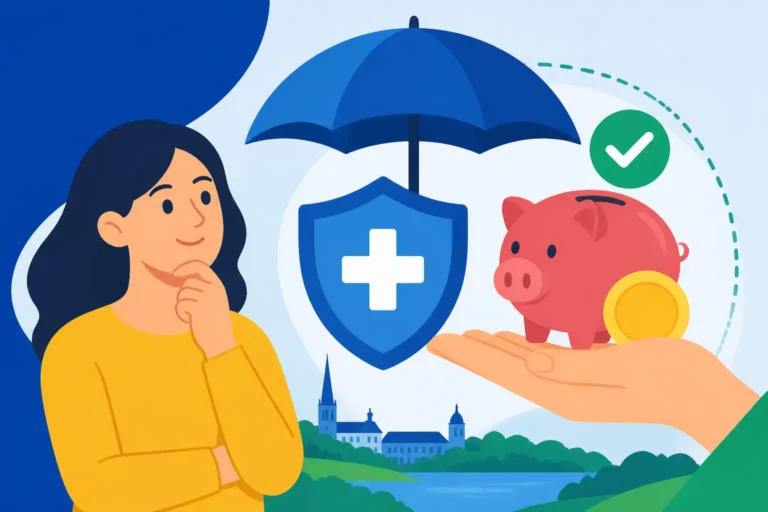
In response to these public system bottlenecks, the popularity of private health insurance, or sjukvårdsförsäkring, has exploded among Swedes and expats alike. It is no longer just a luxury for the ultra-wealthy. Today, over one in ten Swedes has some form of private coverage, often provided as a benefit by their employer. This insurance doesn't replace the public system; it runs parallel to it, offering a fast track to specialists and elective surgeries.
For an expat, having this insurance means you can bypass the GP at the local health center for many issues. Instead of waiting weeks for a remiss (referral), you call a dedicated nurse line provided by your insurer. They assess your symptoms and, in many cases, can book you an appointment with a private specialist within 24 to 48 hours. This level of responsiveness is the primary reason people opt into the private sector.
Defining Private in a Swedish Context
It is crucial to understand that "private" in Sweden doesn't mean a completely separate network of hospitals. Many private specialists actually have contracts with the regional health authorities. When you use your sjukvårdsförsäkring, you are essentially paying for "front-of-the-line" access to these providers. The doctors are often the same ones working in the public system, but they reserve slots for private insurance patients.
This distinction is important because even with private insurance, you will still use the public system for emergencies. If you are in a car accident or have a heart attack, you are going to a public university hospital, as they have the only intensive care units equipped for such crises. Private insurance is about managing elective care, chronic issues, and diagnostic speed—the things that impact your quality of life but aren't immediate threats to it.
The Core Benefits of Private Health Insurance
If you are debating whether to spend your hard-earned kronor on a private policy, you need to look beyond the marketing brochures. The value proposition for an expat is vastly different than for a local who has a lifetime of "navigating the system" experience. For us, private insurance is often more about psychological peace of mind and overcoming language barriers than just medical outcomes.
Speed of Access and the Vårdgaranti Reality
Sweden has a national "Care Guarantee" known as The Vårdgaranti: Your Right to Timely Care in Sweden. Legally, you should see a GP within three days and a specialist within 90 days. In practice, these targets are frequently missed, especially in major cities like Stockholm or Gothenburg. I’ve known people waiting six months for a simple dermatological check or a routine knee scope.
Private insurance essentially renders the Vårdgaranti irrelevant for you. Most private policies guarantee an initial specialist consultation within 5 to 7 working days. If surgery is required, it is often performed within two weeks. When you are unable to work or enjoy your hobbies because of a nagging injury, the ability to shave months off your recovery time is worth every penny of the premium.
Choice of Specialists and Clinics
In the public system, you are generally assigned to the specialists within your region. If you live in a smaller town, your options may be limited. Private insurance opens up a national network of private clinics. If you need a specific type of orthopedic surgeon or a cardiologist who speaks fluent English, your insurer can often find a match that the public system simply cannot accommodate.
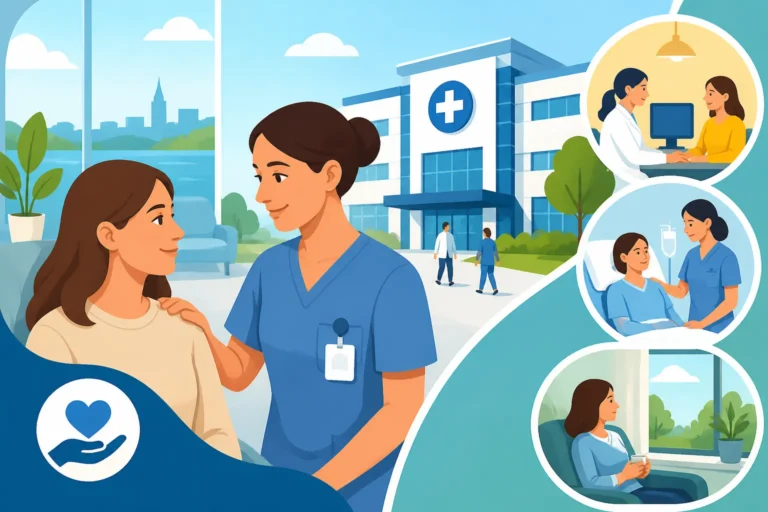
Furthermore, the environment in private clinics tends to be more service-oriented. You aren't just another number in a crowded waiting room. The facilities are often more modern, and because these clinics rely on insurance contracts, they are highly motivated to provide a positive patient experience. For an expat who might already feel vulnerable in a foreign country, being treated with a high level of hospitality can significantly reduce medical anxiety.
Digital Health Integration and Convenience
Sweden is a world leader in digital health, and private insurers are at the forefront of this trend. Most policies include 24/7 access to digital doctors via video call. While the public system has apps like KRY or Min Doktor, private insurance often provides a more seamless integration. You can talk to a doctor at 10 PM on a Sunday, get a prescription sent to your Pharmacies and Prescriptions in Sweden: The Apotek System for Newcomers immediately, and have a follow-up scheduled for Monday morning.
This convenience extends to the administrative side. Dealing with the Swedish bureaucracy can be a headache, but private insurers handle most of the paperwork for you. They coordinate with the clinics, manage the billing, and ensure you aren't stuck in a loop of "waiting for the system to update." For busy professionals, the time saved on admin alone is a significant benefit.
When Is Private Insurance Actually Worth It?
The "is it worth it" question depends heavily on your personal health profile and your stage of life. If you are 22, healthy, and only visit the doctor once every three years for a cold, the public system is perfectly adequate. However, there are specific scenarios where private insurance transitions from a "nice-to-have" to an essential tool for survival in Sweden.
Chronic Conditions and Specialist Needs
If you are Managing a Chronic Condition in Sweden: Diabetes, Asthma, and More, the public system is actually quite robust once you are "in." The problem is getting in. If you arrive in Sweden with a pre-existing condition, you might find that the local Vårdcentral wants to re-evaluate your entire treatment plan from scratch, which can take months.
Private insurance—provided you get it before the condition is documented in Sweden or if you choose an international plan like Cigna Global that can sometimes cover pre-existing conditions after a waiting period—allows you to maintain a higher level of continuity. You can see your specialist more frequently and get diagnostic tests done on your own schedule rather than waiting for the regional budget to allow for your next scan.
Mental Health Support and Therapy Access
The wait times for mental health services in the public sector are, quite frankly, abysmal. It is not uncommon for people struggling with depression or anxiety to be told the wait for a psychologist is six to twelve months. This is a dangerous gap in care. Private insurance is often the only way to get Mental Health Support in Sweden: Psychologists, Therapy, and Referrals in a timeframe that actually helps.
Most private policies include a set number of therapy sessions per year. Crucially, they can help you find an English-speaking therapist, which is vital for effective treatment. In the public system, you take whoever is available, and if their English isn't up to par for discussing complex emotional states, your progress will be stalled. Having a private policy ensures you can interview and choose a therapist who truly understands your cultural background.
Expat-Specific Needs and International Coverage
For many expats, Sweden is a temporary home or a base for frequent travel. Local Swedish insurance only works within Sweden. If you travel back home or go on holiday, you are back to relying on the Using Your EHIC for Care While Settling Into Sweden or standard travel insurance. This is where international expat insurance brands like SafetyWing become highly relevant.
If you are a digital nomad or someone on a short-term assignment, an international plan might be more "worth it" than a local Swedish sjukvårdsförsäkring. These plans offer global coverage, meaning you can choose to have a procedure done in Sweden, in your home country, or in a third country with specialized clinics. This flexibility is something local Swedish plans simply cannot match, making them a superior choice for those who don't plan on staying in the Nordics forever.
Comparing Private Insurance Providers
Choosing the right provider in Sweden requires navigating a sea of Swedish-language websites and fine print. You generally have two paths: local Swedish insurers or international expat providers. Both have their merits, but they serve different purposes.
Local Swedish Providers
The most common names you will hear are Skandia, Trygg-Hansa, Länsförsäkringar, and Bliwa. These companies have deep roots in the Swedish medical landscape. Their primary advantage is their direct billing network with local private clinics like Sophiahemmet in Stockholm. When you use these providers, the process is usually "cashless"—the clinic bills the insurer directly, and you pay nothing or a small deductible.
| Feature | Local Swedish Insurance | International Expat Insurance |
|---|---|---|
| Network | Extensive within Sweden | Global / Flexible |
| Language | Primarily Swedish apps/docs | English support as standard |
| Billing | Direct billing (Cashless) | Often reimbursement-based |
| Pre-existing | Strictly excluded usually | Possible with loading/waiting |
| Portability | Stays in Sweden | Moves with you to other countries |
The downside to local providers is that they are very much designed for people with a Getting Your Personnummer: The Gateway to Swedish Healthcare and a long-term presence in the Swedish population register. If you are still waiting for your ID number, you may find it difficult to even sign up for these local policies.
International Expat Insurance
Brands like Cigna Global and SafetyWing cater specifically to the "global citizen." For a newcomer in Sweden, Cigna Global is a heavy hitter because they offer highly modular plans. You can add vision and dental, which is helpful since Dental Care in Sweden: Folktandvården, Costs, and the Tandvårdsbidrag can get surprisingly expensive for adults.
SafetyWing, on the other hand, is excellent for those who need a bridge while they are setting up their life in Sweden. Their Nomad Health product provides comprehensive coverage that behaves like a high-end private policy but with the flexibility of a monthly subscription. This is particularly useful if you haven't yet decided if you'll stay in Sweden long enough to justify a local multi-year commitment with a company like Skandia.
Corporate-Provided Insurance
If you are moving to Sweden for a job at a tech firm or a multinational, check your contract immediately. Many high-tier employers include private health insurance as a standard perk. This is the absolute best-case scenario because the employer often negotiates "no medical underwriting," meaning you are covered even for pre-existing conditions that a private individual policy would reject.
However, be aware of the "benefit tax." In Sweden, if your employer pays for your private health insurance, it is considered a taxable benefit. You will see a deduction on your Understanding Your Swedish Payslip and Preliminärskatt every month. Even so, the cost of the tax is significantly lower than the cost of buying the policy yourself, making it a no-brainer to opt-in if offered.
Cost Analysis and the High-Cost Ceiling
One of the biggest misconceptions about private insurance in Sweden is that it replaces all your costs. Even with a private policy, you are still interacting with a system designed around socialized medicine. You need to understand how your premiums interact with the state's safety nets.
Premiums vs. the Högkostnadsskydd
Even without insurance, Sweden has a brilliant system called The Högkostnadsskydd Explained: Sweden's Healthcare Cost Ceiling and Frikort. This ensures that no one pays more than a certain amount (roughly 1,300–1,400 SEK depending on the region) for doctor visits in a 12-month period. Once you hit this ceiling, you get a frikort and your visits are free.
Private insurance doesn't necessarily "save" you money on these small fees. In fact, most private policies have a deductible (selvrisiko) of around 500 to 1,000 SEK per condition. Therefore, you aren't buying insurance to save the 200 SEK GP fee; you are buying it to avoid the six-month wait for a 50,000 SEK surgery that the state would eventually provide for free—but only when they get around to it.
Deductibles and Coverage Limits
When comparing policies, look closely at the annual limits. Most Swedish sjukvårdsförsäkring policies have very high caps—often up to 5 or 10 million SEK—which is effectively unlimited in the Swedish cost context. However, they may have limits on specific things like physiotherapy sessions or the duration of psychiatric care.
If you choose an international provider like Cigna Global, you have more control over these limits. You can choose a "Silver" or "Gold" tier depending on how much risk you want to retain. For most expats in Sweden, a mid-tier plan is sufficient because, again, the truly expensive "catastrophic" care (like cancer treatment or major trauma) is handled excellently by the Swedish public hospitals regardless of your insurance status.
The True Cost of "Going Private" Out-of-Pocket
What if you don't want to pay a monthly premium? Can you just pay cash for a private doctor? Yes, you can. A consultation with a private specialist in Stockholm without insurance will typically cost between 1,500 and 3,000 SEK. An MRI might cost 4,000 to 6,000 SEK.
If you are generally healthy, "self-insuring" by simply keeping a few thousand kronor in a savings account might be more economical. However, the moment you need surgery—like a gall bladder removal or an ACL repair—the out-of-pocket costs jump to 40,000–80,000 SEK. This is where the insurance pays for itself tenfold. If you are active, play sports, or are at an age where "wear and tear" is becoming a factor, the premium is a small price for the ability to fix a problem and get back to your life.
Navigating the Application Process
Applying for insurance in Sweden isn't always as simple as clicking "buy" on a website. Because the public system is so strong, private insurers are very picky about who they take on. They are not looking to inherit expensive, ongoing cases from the state.
Health Declarations and Pre-existing Conditions
When you apply for a local Swedish policy, you will have to fill out a comprehensive health declaration (hälsodeklaration). They will ask about everything from your height and weight to any time you've seen a doctor in the last five years. If you have an ongoing issue—say, a bad shoulder—they will likely issue the policy but with an "exclusion" for that specific shoulder.
This is a major frustration for expats who moved to Sweden specifically to get better care for an existing problem. If this is your situation, an international plan like Cigna Global may be your best bet, as they are more accustomed to "international underwriting" where you can sometimes pay a higher premium (a "loading") to have your pre-existing condition covered after a certain period of time.
Timing Your Application
If you are planning a move, do not wait until you have a problem to look for insurance. Most policies have a "qualifying period" (karenstid) of 30 to 90 days for non-accidental illnesses. This prevents people from signing up only when they feel a lump or start having chest pains.
Ideally, you should apply for your insurance as soon as you have your Getting Your Personnummer: The Gateway to Swedish Healthcare. If you are moving from a country with high medical costs (like the US), you might even want to start an international plan like SafetyWing a month before you move so you have seamless coverage during your transition period.
Combining Public and Private Care
One of the most effective ways to use private insurance in Sweden is as a "diagnostic accelerant." You can use your private insurance to see a specialist and get all your scans and bloodwork done in a single week. Once you have a definitive diagnosis and a treatment plan, you can then choose to have the actual treatment done in the public system if it is a major, long-term issue (like oncology).
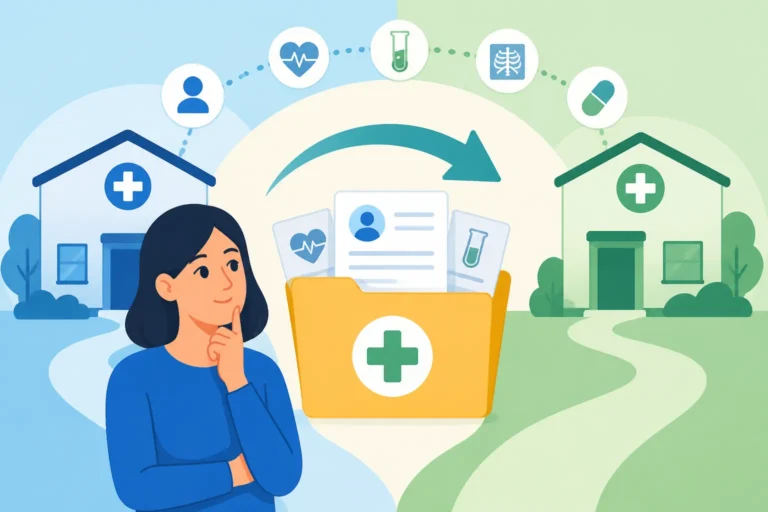
Swedish doctors in the public system are much more likely to help you if you show up with a folder full of private test results. It removes the "wait and see" barrier. Understanding how to bridge these two worlds is the secret to getting the best possible care in the Nordics.
Real-World Expat Experiences
To truly understand the value, you have to talk to people who have navigated both sides. The general consensus among the expat community is that the public system is for "survival" and the private system is for "living."
Case Studies of Queue Skipping
I once spoke to an expat named Sarah who had a suspected case of endometriosis. In the public system, she was told the wait for a specialist gynecologist was seven months. She was in constant pain and it was affecting her job. Because she had a private policy through her employer, she called the insurance line. She was seen by a top specialist at a private clinic in central Stockholm three days later. Within two weeks, she had her laparoscopic surgery.
This isn't about getting "better" medicine—the surgeon might have been the same person Sarah would have seen in seven months—it's about the seven months of life she got back. That is the core "product" of Swedish private insurance: time.
The Psychological Peace of Mind
For many of us, the "I've-been-there" reality is that the Swedish system can feel incredibly gaslighting. You know something is wrong with your body, but the gatekeepers at the Vårdcentral tell you to "come back in a month if it still hurts." This creates an enormous amount of stress.
Having private insurance provides a "pressure valve." Knowing that you have a number to call where someone will listen to you and book an appointment immediately reduces the background anxiety of living in a foreign country. You no longer have to "fight" the system to be heard. You are a customer, and in a country where "customer service" can sometimes be an afterthought in the public sector, that shift in dynamic is incredibly refreshing.
Common Pitfalls and Misconceptions
The biggest pitfall is assuming that private insurance covers everything. Many expats are shocked to find that Dental Care in Sweden: Folktandvården, Costs, and the Tandvårdsbidrag is almost never included in standard sjukvårdsförsäkring. You usually need a separate dental policy or a high-end international plan like Cigna Global to cover your teeth.
Another misconception is that private insurance will help you with Maternity Care in Sweden: Mödravård, Midwives, and Giving Birth. In Sweden, maternity care is strictly public. There are no "private maternity hospitals" where you can pay for a luxury suite. While some private clinics offer extra ultrasounds for a fee, the actual birth and postnatal care happen within the regional system. Fortunately, this is one area where the Swedish public system is genuinely world-class and generally free of the long queues found in other departments.
Final Verdict: Do You Need It?
So, is private health insurance in Sweden worth it for you? If you are an expat who values your time, has a low tolerance for bureaucratic "wait and see" policies, or has a history of needing specialist care, the answer is a resounding yes.
For those who are just arriving and don't yet have a Personnummer, or for those who travel frequently, starting with an international plan like SafetyWing or Cigna Global offers the best balance of protection and flexibility. Once you are settled, registered, and perhaps have a job that offers it, you can transition to a local Swedish policy.
Sweden is a wonderful place to live, but the healthcare system is a complex beast. By having a private backup, you ensure that you can enjoy the high quality of life here without the fear of being "lost in the queue." You pay your taxes for the safety net; you pay your insurance premiums for the ladder. Both have their place in a successful life in the North.
Disclaimer
This guide is for informational purposes only and does not constitute professional medical or financial advice. Healthcare regulations and insurance terms in Sweden change frequently. You should always verify the specifics of any policy with the provider and consult with the Swedish Social Insurance Agency (Försäkringskassan) regarding your public healthcare rights. Information about wait times and costs is based on 2026 estimates and may vary by region.