Are My Children Covered by Swedish Healthcare Through Me?
Moving to a new country with children is an emotional rollercoaster, and nothing triggers parental anxiety faster than wondering if your little ones will be treated if they wake up with a fever. I remember sitting in our temporary apartment in Malmö, clutching my daughter’s passport and wondering if I needed a stack of cash just to see a pediatrician. This guide solves the mystery of how children are covered under the Swedish health system, ensuring you know exactly where to go and what it costs.
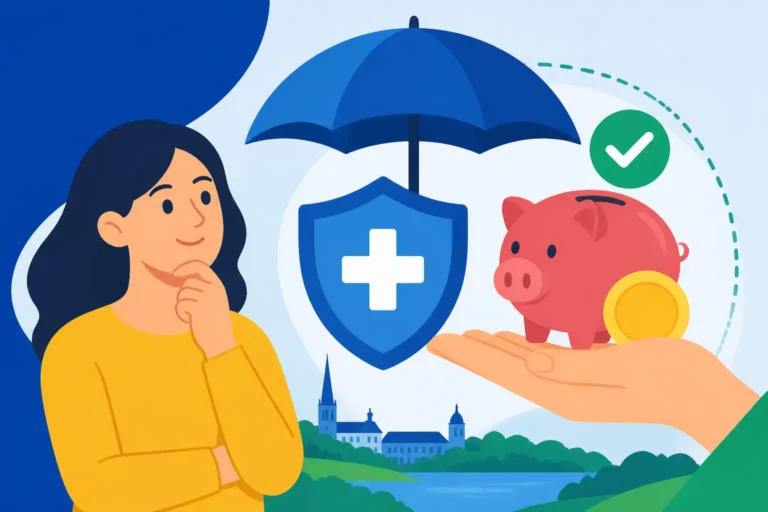
Understanding the Swedish Principle of Universal Child Healthcare
The first thing you need to breathe a sigh of relief about is that Sweden takes a very protective stance toward children. In many countries, a child’s right to healthcare is strictly tied to the parent’s employment or insurance policy. In Sweden, the philosophy is different: health is viewed as a fundamental right of the child. While your own access might be pending certain administrative milestones, children often have a much smoother path to receiving care.
The Right of the Child vs Your Legal Status
In Sweden, all children residing in the country have a right to healthcare. This includes children of asylum seekers and children who are "undocumented" or "hidden" (papperslösa). From a veteran expat’s perspective, this is a massive cultural shift. Even if your paperwork with Skatteverket is still sitting in a pile on someone’s desk, your child is entitled to "care that cannot be deferred."
This doesn't mean the administration won't be a headache, but it does mean that medical professionals are ethically and legally bound to treat your child. If you are an EU citizen or a non-EU citizen on a long-term residence permit, your child is essentially covered under the same umbrella as you, but often with even fewer financial barriers. Understanding How Sweden's Tax-Funded Healthcare Works: Regions, Costs, and Coverage is helpful here, but for kids, the "costs" part is usually zero.
Is Healthcare Really Free for Kids
For the vast majority of services, yes, healthcare for children in Sweden is free. This includes visits to the GP (General Practitioner), specialist consultations, and emergency room visits. This coverage typically lasts until the child turns 18, though some regions (like Stockholm) extend certain free services until age 20 or even 23.
However, "free" doesn't always mean "without effort." You still have to navigate the system to get into the database. I recall being surprised that while the doctor’s visit was free, I still had to pay for certain over-the-counter medications at the pharmacy. The state subsidizes the visit, but the logistical journey of Registering with a Vårdcentral: Your Guide to Primary Care in Sweden is something every parent must complete to make the process seamless.
Navigating the System While Waiting for a Personnummer
The "waiting period" is the most stressful time for any new arrival. You’ve moved, you’re paying taxes, but you don't yet have that magical 12-digit personal identity number. This is the stage where many parents feel most vulnerable. You might wonder, Can I See a Doctor in Sweden Before I Get My Personnummer? and the answer for your children is a resounding yes, though it requires a bit more manual paperwork.
Using the Samordningsnummer for Children
If you are working in Sweden but haven't lived there long enough to get a Personnummer, or if you are in a transition phase, your child might be issued a Samordningsnummer (coordination number). This acts as a temporary ID in the healthcare database. When you visit a clinic, the staff will create a "reserve number" (reservnummer) for the child.
In my first month, I had to take my son to a local clinic. We didn't have our ID cards yet. The receptionist was patient but firm—they needed to create a manual profile. It took an extra twenty minutes, but we weren't turned away. This is a common experience, but it’s why it is wise to arrive with your children's birth certificates and your residence permit approval letters in hand. For more on the initial hurdles, check out Getting Your Personnummer: The Gateway to Swedish Healthcare to understand the timeline you're looking at.
Access for EU vs Non-EU Families
If you are moving from within the EU, your children are covered via the European Health Insurance Card (EHIC) during the initial months. This card proves that your home country will pick up the tab until you are fully registered in the Swedish system.
For those of us coming from outside the EU, the situation is slightly different. You are generally expected to have private insurance to cover the gap before you are "folkbokförd" (registered in the population register). This is where services like SafetyWing or Cigna Global become invaluable. They provide that safety net for the first 90 days while you wait for Skatteverket to process your application. Even though the Swedish state provides emergency care for kids, having a private policy ensures you can access private clinics or get reimbursed for costs incurred before your Swedish rights are fully activated.
Essential Health Services for Children in Sweden
Once you are in the system, you’ll realize that child healthcare is divided into distinct silos: the BVC for the little ones, the school nurse for the older ones, and the dentist for everyone.
The Role of Barnavårdcentralen BVC
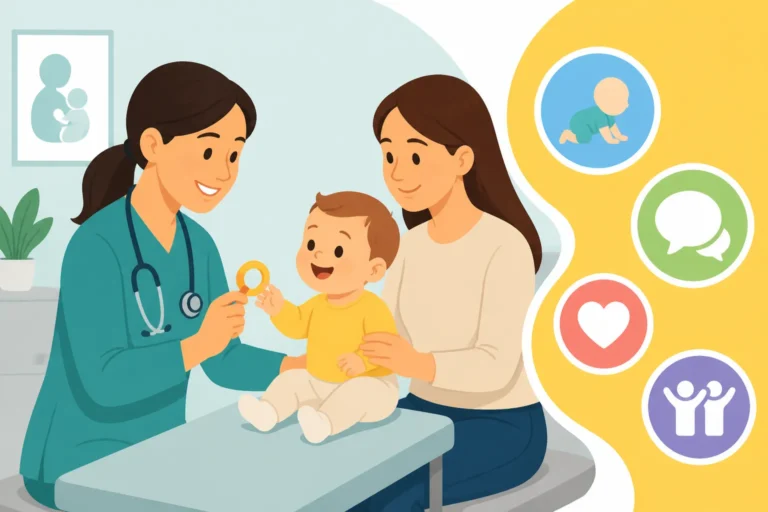
If you have a child under the age of six, the BVC (Barnavårdscentralen) will become the center of your universe. This is not a doctor’s office in the traditional sense; it’s a wellness center staffed by specialized nurses. They handle everything from growth checks and vaccinations to parenting advice and developmental milestones.
The BVC system is incredible because it is proactive. They will call you for appointments. When we first arrived, I was shocked that a nurse actually spent 45 minutes talking to me about my toddler's sleep patterns. It felt more like a support system than a medical clinic. To get started, you should look into Family and Children's Healthcare in Sweden: BVC, Mödravård, and Beyond as soon as you have an address.
School Health Services (Elevhälsan)
Once your child starts "förskoleklass" (the year they turn six), the responsibility for routine health shifts from the BVC to the school’s "Elevhälsan" (student health). Every school in Sweden is required to have access to a school nurse and a school doctor. They handle the national vaccination program, vision and hearing screenings, and even mental health support.
This is a great relief for working parents. If your child needs a routine booster shot, it often happens during school hours, saving you a trip to the clinic. However, for actual illnesses—like a bad ear infection—you still need to go to your local Vårdcentral. The school nurse is for preventative care and minor scrapes, not for diagnosing acute illnesses.
Dental Care for Children (Folktandvården)
Dental care is perhaps the greatest perk of the Swedish system for families. It is completely free for children and young adults. This includes everything: check-ups, cleanings, fillings, and even orthodontics (braces) if there is a clinical need.
In many countries, braces are a major financial burden for parents. In Sweden, if the dentist determines that the child's teeth need correction for functional reasons, the state covers it. You’ll usually be registered with Dental Care in Sweden: Folktandvården, Costs, and the Tandvårdsbidrag automatically, but you can also choose a private dentist who is affiliated with the national health insurance system.
Supplemental Coverage and Private Insurance Options
While the public system is robust, it isn't perfect. Waiting times for non-urgent specialist appointments (like seeing an allergist or a child psychologist) can be long. This is where the veteran expat advice comes in: sometimes the public system needs a "boost."
When International Health Insurance Makes Sense
Many expats choose to maintain a private policy even after they receive their Personnummer. Why? Because the "Vårdgaranti" (care guarantee) in Sweden promises a specialist appointment within 90 days. For a parent watching a child struggle with a chronic but non-life-threatening issue, 90 days can feel like an eternity.
International providers like Cigna Global allow you to bypass these queues by accessing private pediatricians who don't have the same backlog as the public Vårdcentral. If your employer offers a "sjukvårdsförsäkring" (private health insurance), make sure it covers your dependents. Often, the base policy only covers the employee, and you have to pay a small monthly fee to add your children.
Comparing Cigna Global and SafetyWing for Families
For those in the transition phase or those who travel frequently, these two brands serve different needs:
- SafetyWing is fantastic for the "arrival gap." It’s affordable, can be bought while you are already traveling, and covers the basics of what a family needs when they first land in Stockholm or Gothenburg.
- Cigna Global is a more comprehensive, long-term solution. It’s for the family that wants "Gold Standard" access—private rooms in hospitals, global coverage when visiting home, and much shorter wait times for specialists.
Many families use SafetyWing for the first six months and then switch to the public system, while others prefer the peace of mind that Cigna Global provides for the duration of their stay in Sweden.
Step-by-Step Guide to Accessing Care
If your child gets sick tomorrow, here is the exact workflow you should follow to ensure they are seen and covered.
Booking Appointments and Using 1177
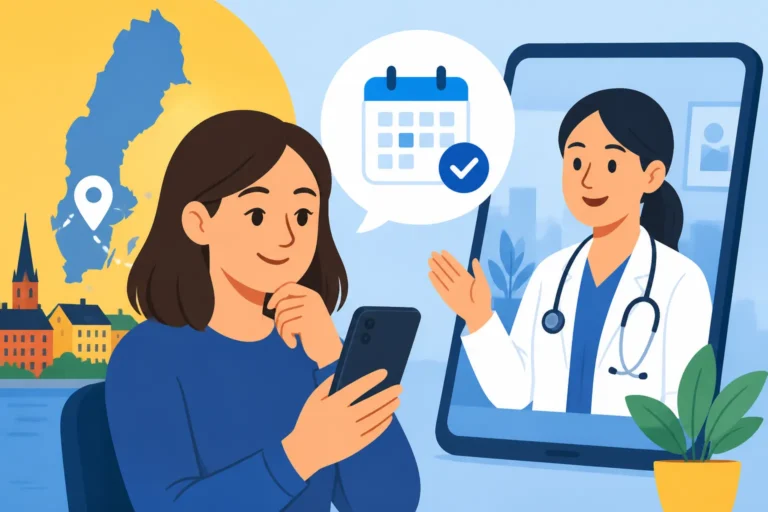
The first step is always to call or visit the 1177 Vårdguiden: Navigating Sweden's National Health Advice Line and Portal. This is a 24/7 service staffed by registered nurses. You can call 1177 and speak to someone in English. They will assess your child’s symptoms and tell you if you should stay home, go to a Vårdcentral, or head to the emergency room.
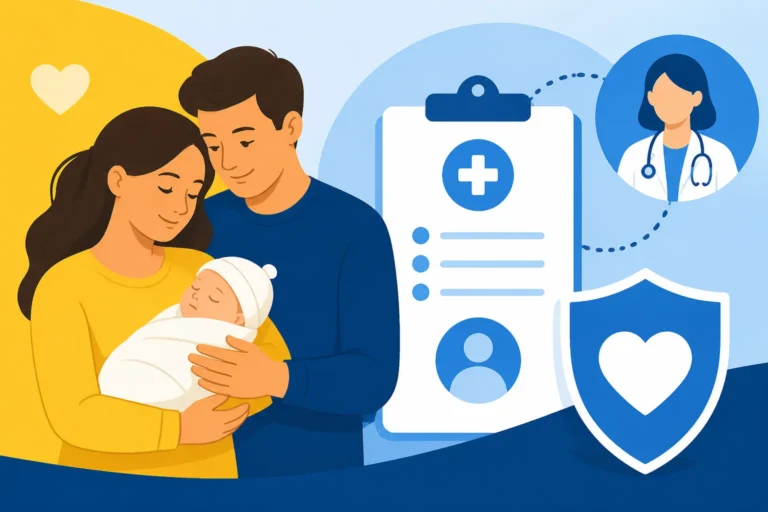
Once you have a BankID, you can log into the 1177.se portal and book appointments online. For children, you can act as their "ombud" (representative) in the digital system. It allows you to see their medical records, vaccination history, and lab results. If you’re a newcomer, you’ll likely need to start by How Do I Register a Newborn for Healthcare in Sweden? if you've recently given birth here, or manually registering your older children at the desk of your chosen clinic.
Emergency Situations and the Akutmottagning
In a true emergency, you call 112. For urgent but non-life-threatening issues after hours, you head to the "Barnakuten" (Children’s ER). Major cities like Stockholm, Gothenburg, and Uppsala have dedicated emergency rooms just for kids.
Be prepared: triage is strict. If you show up with a child who has a mild cold, you will wait for hours. But if your child is struggling to breathe or has a high fever that won't break, the Swedish system moves with incredible speed and expertise. You can find more details on what to expect in Emergency Medical Care in Sweden: 112, Akutmottagning, and Urgent Help.
Important Cost and Coverage Comparison Table
| Service Type | Age Group | Cost (Public System) | Who Pays? |
|---|---|---|---|
| BVC Wellness Checks | 0 – 6 Years | 0 SEK | State Funded |
| GP / Pediatrician Visit | 0 – 18 Years | 0 SEK | State Funded |
| Specialist Referral | 0 – 18 Years | 0 SEK | State Funded |
| Hospital Stay | 0 – 18 Years | 0 SEK | State Funded |
| Dental Check-up | 0 – 23 Years* | 0 SEK | State Funded |
| Emergency Room (ER) | 0 – 18 Years | 0 SEK | State Funded |
| Prescription Meds | 0 – 18 Years | Highly Subsidized/Free | Parent (up to a small cap) |
*Age limit for free dental care varies slightly by region but is at least until age 19 nationwide.
Why the System Might Feel Different to You
As an expat, you might find the Swedish approach a bit "hands-off" compared to the US or some parts of Southern Europe. Swedish doctors are notoriously conservative with antibiotics and often recommend "paracetamol and rest" for things that might get a prescription elsewhere.
Don't mistake this for a lack of care. It’s a focus on evidence-based medicine and preventing antibiotic resistance. If your child is truly ill, the system will mobilize. But if they have a standard viral cough, the doctor will likely tell you to buy some Alvedon and wait it out. It takes some getting used to, but once you realize that your children are essentially covered for life without you ever seeing a massive bill, the peace of mind is worth the initial cultural adjustment.
Final Advice for Newcoming Parents
The best thing you can do today is to find your local Vårdcentral and walk in. Ask them how to register your children. Don't wait until someone is sick. Having the children's names in the system before the first winter flu hits is the best gift you can give your future self. And while the public system is your "Hero," don't be afraid to use Cigna Global or SafetyWing to bridge those early gaps. Sweden is a wonderful place to raise a family, and once you navigate these first few hurdles, you'll see why.
Medical Disclaimer
This article provides general information for educational purposes only and is based on personal experiences and research. It does not constitute legal or professional medical advice. Healthcare regulations in Sweden can change, and policies may vary across different regions. Always consult with official Swedish authorities, such as 1177 Vårdguiden or Försäkringskassan, for the most current information regarding your specific situation. In case of a medical emergency, always dial 112 immediately.