How Do I Register a Newborn for Healthcare in Sweden?
The moment you bring a newborn home in Sweden, the administrative clock starts ticking while you are likely operating on three hours of sleep and a diet of caffeine. I remember sitting in our Stockholm apartment, staring at a stack of mail from Skatteverket while my daughter screamed, wondering if she was actually "in the system" yet. This guide breaks down exactly how to register your newborn for healthcare so you can focus on your baby instead of the paperwork.
The Automatic Triggers What Happens the Moment Your Baby is Born
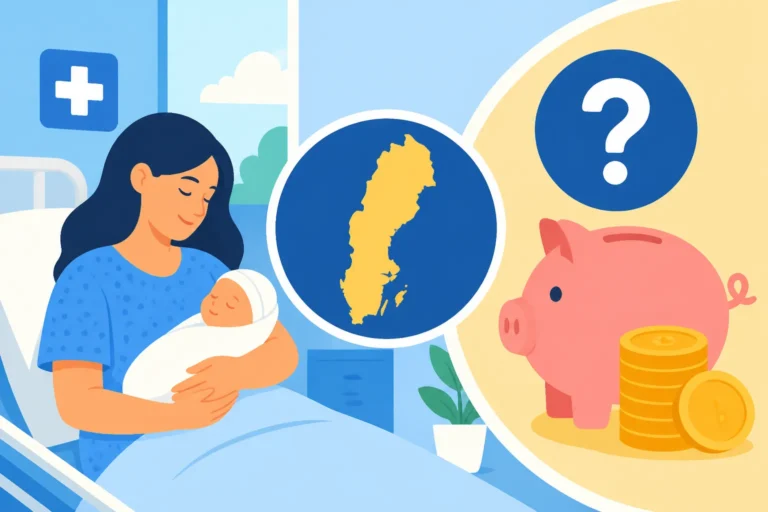
In Sweden, the registration process for a newborn begins almost instantly, often before you even leave the hospital. When a baby is born, the healthcare provider—whether it is a hospital or a licensed midwife at a birth center—is legally required to send a "Notification of Birth" (födelseanmälan) to the Swedish Tax Agency (Skatteverket). This is the critical first gear in the Swedish administrative machine. You do not need to fill out a form to tell the government your baby exists; the medical staff handles that initial handshake.
Once Skatteverket receives this notification, they will officially register the birth in the Population Register. This triggers the generation of a personal identity number for your child. For most of us expats, Getting Your Personnummer: The Gateway to Swedish Healthcare was a months-long saga of waiting and proving our existence. For your newborn, however, the process is significantly faster. You will usually receive a letter in the mail within a week or two containing the baby's new 12-digit number. This number is the key to every single medical interaction your child will have for the rest of their life in Sweden.
While you wait for that letter, your baby is not "uninsured." In the Swedish system, a newborn is essentially covered under the mother's residency status and healthcare rights during the immediate postpartum period. If you are an expat who moved recently and are still navigating the residency maze, you might feel a bit exposed. I have seen families use Cigna Global to bridge these gaps, especially if their own residency status was still pending when the baby arrived. Having that private cushion can take the edge off the "what if" scenarios while the Swedish bureaucracy grinds along.
Connecting with the Barnavårdscentralen BVC
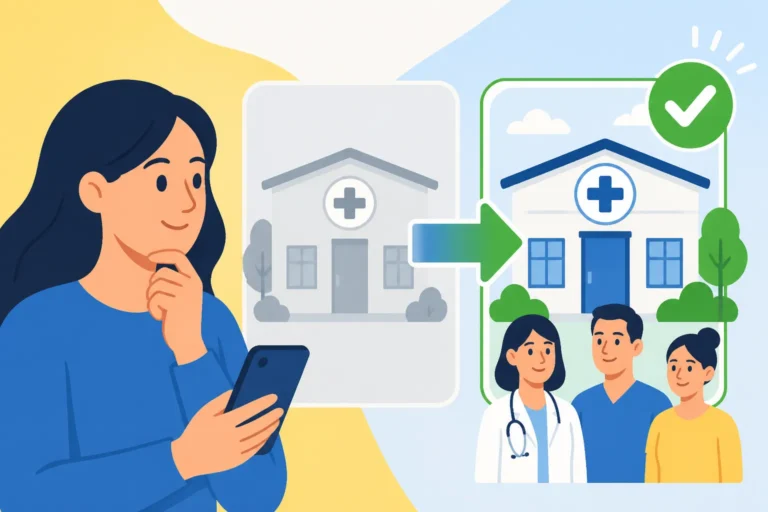
While the tax agency handles the identity, the Barnavårdscentralen, or BVC, handles the actual health. The BVC is a specialized clinic for children from birth until they start school. It is separate from the standard adult primary care center, though they are often located in the same building. Registration with a BVC is technically voluntary, but in the eyes of Swedish society, it is an essential part of being a parent. It is where your child will receive all their vaccinations, developmental checks, and weight monitoring.
Shortly after you return home from the hospital, a nurse from your local BVC will likely contact you. If they don't, you should reach out to the one closest to your home. In many regions, the first meeting is a "home visit." I found this incredibly helpful but also a bit nerve-wracking—you feel like you’re being inspected, but really, the nurse is there to support you. They check the baby's weight, help with breastfeeding questions, and officially open the child's medical record. You can read more about how this works in our guide on Child Health in Sweden: How Barnavårdscentralen (BVC) Supports Families.
If you live in a larger city, you actually have the right to choose which BVC you attend. This is part of the "Vårdval" or choice of care system. You aren't stuck with the one across the street if you prefer a clinic closer to your work or one that has a reputation for being more expat-friendly. Many parents find it useful to look for clinics where the staff are comfortable speaking English, although most Swedish nurses are exceptionally proficient. If you are moving during the first year of the baby's life, remember that Choosing and Switching Your Vårdcentral Through Vårdval applies to children's clinics too.
| Registration Step | Responsible Agency | Timeline | Key Document |
|---|---|---|---|
| Birth Notification | Hospital / Midwife | Within 48 hours | Födelseanmälan |
| Identity Number | Skatteverket | 1–2 weeks | Personnummer Letter |
| Healthcare Enrollment | Local BVC | 1 week post-birth | Health Record (Hälsobok) |
| Insurance Registry | Försäkringskassan | Upon registration | Social Insurance Rights |
The Financial Side Registering with Försäkringskassan
One of the most confusing parts of the Swedish system for newcomers is the distinction between the "medical" system (the doctors) and the "social insurance" system (the money). While your baby gets medical care because they live here, you still need to ensure they are registered with Försäkringskassan. This is the agency that handles child allowance (barnbidrag) and parental leave payments. Usually, once the personnummer is issued, Skatteverket notifies Försäkringskassan, but as an expat, you often need to take an extra step to prove your child's right to benefits.
You should log in to "Mina Sidor" on the Försäkringskassan website using your BankID. You will want to verify that your child is listed under your profile. If you are a non-EU citizen, you might need to send in copies of the child's residence permit once that is processed. Don't skip this. I’ve known expats who missed out on months of child allowance because they assumed the "system" talked to itself perfectly. It doesn't always. For a deeper dive, check out Registering with Försäkringskassan: When and Why You Need To.
Regarding the cost of the actual medical visits, the news is excellent: healthcare for children in Sweden is free. This includes GP visits, specialist consultations, and even most dental care. You won't have to worry about the Understanding Patient Fees (Patientavgift) Across Sweden's 21 Regions that adults have to pay. However, some parents still choose to maintain a private policy like Cigna Global for their children. The reason isn't the cost, but the speed of access to certain specialists or the desire for a private room if the child ever needs hospitalisation. While the public system is world-class, the waiting lists for non-emergency specialist care can be long.
Handling the Gap Between Birth and Residency Permits
For many expats, the most stressful scenario is when the baby is born while the parents' residence permits are still being extended or if the baby needs their own permit to stay. If you are a non-EU citizen, your baby does not automatically become a Swedish citizen just by being born on Swedish soil. You must apply for a residence permit for the child as soon as they have their personnummer.
During this "pending" phase, you might worry about healthcare coverage. While the Swedish law generally mandates that children "staying" in Sweden have a right to healthcare, the administrative hurdles can be a nightmare. This is a situation where SafetyWing can be a lifesaver. While they are often associated with digital nomads, their coverage can act as a vital safety net for families in transition who don't yet have their full Swedish social security rights solidified. It provides a layer of protection that the "emergency-only" care for those without a personnummer doesn't quite cover.
Make sure you keep all receipts if you end up paying out of pocket for anything during this transition. Once the residency and personnummer are fully sorted, you can sometimes claim these costs back from the region (landsting), but it is a bureaucratic marathon. It's much easier to have a clear understanding of Health Insurance Requirements for Non-EU Residence Permit Holders in Sweden before the baby arrives. If you are an EU citizen, your life is a bit simpler, but you still need to ensure your child is registered correctly to avoid any hiccups when you go to the pharmacy.
Practical Steps for Your First Medical Visits
Once the personnummer is in hand and you've had your first BVC visit, you'll start a routine of check-ups. In the beginning, these happen every week or two, then stretch out to every month. You will receive a physical "Health Book" (hälsobok) where the nurse will plot the baby's growth on a chart. Hold onto this book tightly; it is a physical backup of your child's health history that is useful if you ever travel or move regions.
When your baby gets their first fever or cough, you won't call the BVC—you'll call 1177. This is the national health advice line. The nurses on the other end are incredible at triaging. They will tell you if you should stay home and give Alvedon (the Swedish version of Tylenol/Paracetamol) or if you should head to the "Nästakuten" (urgent care). You can learn more about this in 1177 Vårdguiden: Navigating Sweden's National Health Advice Line and Portal.
If your child needs a prescription, it will be linked digitally to their personnummer. You just go to any pharmacy (Apotek) and show your own ID (as the registered guardian). The pharmacist will see the child's prescriptions in the system. Remember that most medicines for children are heavily subsidized or free up to a certain point. It is worth reading about Pharmacies and Prescriptions in Sweden: The Apotek System for Newcomers to understand how the pick-up process works for minors.
The Role of Private Insurance in a Public System
While Sweden's public system is the backbone of society, many expats find that adding a private layer provides a sense of security that the sometimes-strained public system cannot. Brands like SafetyWing and Cigna Global are popular in the expat community for a reason. They offer a "fast-track" to specialists and often cover things like private hospital rooms, which are not guaranteed in the public system.
In my experience, the public system is amazing for emergencies and routine care, but if your child develops a chronic but non-life-threatening issue—like a persistent skin condition or a minor developmental delay—the wait for a public specialist can be months. Having private coverage allows you to bypass these queues by visiting private clinics that take insurance. When you are a new parent, a three-month wait feels like a lifetime. If you're weighing the options, our guide on Private Health Insurance in Sweden: When Sjukvårdsförsäkring Is Worth It breaks down the pros and cons for families.
Also, consider that private insurance often travels with you. If you take your newborn back to your home country to visit family and something happens, your Swedish public coverage (via the EHIC card) only covers you within Europe. A global policy ensures that your baby is protected no matter where in the world you are showing them off to grandparents.
Summary Checklist for New Parents in Sweden
To make sure you haven't missed anything in the fog of new parenthood, here is a quick checklist of the essential registrations:
- Check the Födelseanmälan: Confirm with the hospital staff that they have sent the birth notification to Skatteverket.
- Wait for the Personnummer: Watch your physical mailbox for the 12-digit number.
- Contact your BVC: Don't wait for them to call you; find your local clinic and schedule that first home visit.
- Update Försäkringskassan: Log in with BankID and ensure your child is linked to your account for benefits.
- Apply for the Permit: If you are non-EU, start the residence permit application for the baby immediately.
- Review your Insurance: Decide if you need a gap-filler like SafetyWing or a long-term private solution like Cigna Global.
- Download the 1177 App: Get familiar with the digital portal for booking future appointments.
Navigating the healthcare system with a newborn can feel overwhelming, but the Swedish system is designed to catch you. As long as you follow the trail of the personnummer, you'll find that the support for families here is among the best in the world. Whether it's the free vaccinations or the midwife who checks in on your mental health, you are rarely left to figure it out entirely on your own. For more help with the early days of parenting, see Family and Children's Healthcare in Sweden: BVC, Mödravård, and Beyond.
Disclaimer
This guide is for informational purposes only and does not constitute legal or medical advice. Healthcare regulations and immigration laws in Sweden can change frequently. Always consult with the Swedish Tax Agency (Skatteverket), the Social Insurance Agency (Försäkringskassan), and the Migration Agency (Migrationsverket) for the most current and personalized information regarding your specific situation.