Can I Use Swedish Healthcare on a Student Residence Permit?
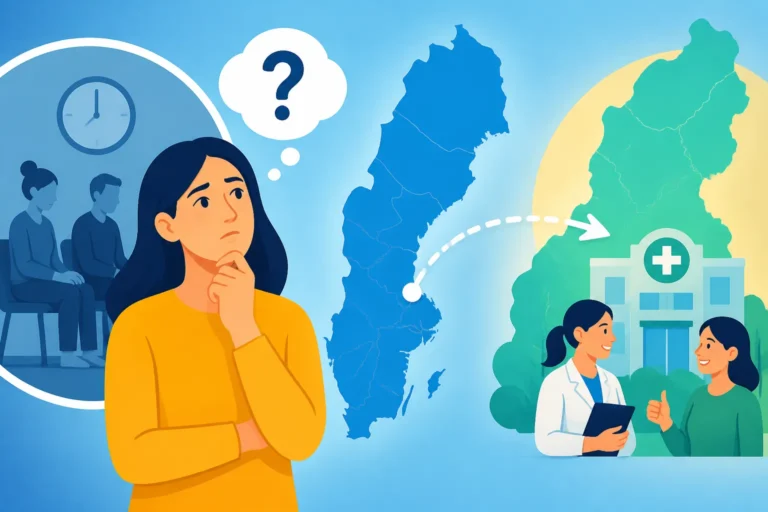
Moving to Sweden for university is a whirlwind of excitement until you realize the healthcare system operates like a complex clockwork mechanism that requires a very specific key to enter. When I first moved to Stockholm for my studies, I spent my first month terrified of even catching a cold because I was stuck in the "personnummer" waiting game. This guide provides a clear roadmap for every international student navigating the Swedish healthcare system, from registration hurdles to managing medical costs.
The Deciding Factor: The Length of Your Residence Permit
The most critical element in determining your healthcare rights in Sweden is the duration of your study program, which is reflected in your residence permit. Sweden’s system is fundamentally built around the population register, and your access level shifts dramatically depending on whether you are here for a single semester or a full degree program.
Studying for More Than 12 Months
If your residence permit is granted for at least 13 months, you are generally entitled to register in the Swedish population register (folkbokföring). This is the "golden ticket" for students. Once you are registered, you receive a personal identification number, or personnummer. This number grants you access to healthcare on the same terms as Swedish citizens. You will pay the standard subsidized patient fees rather than the full cost of treatment. For a deep dive into this process, you should read about Getting Your Personnummer: The Gateway to Swedish Healthcare to understand the timing and requirements.
Studying for Less Than 12 Months
For students on shorter exchange programs, such as those lasting only one or two semesters, the path is different. You will not be eligible for a personnummer and, consequently, you are not automatically covered by the Swedish public health system. In this scenario, you are viewed as a temporary visitor. While you still have the right to receive care, you will often be charged the "full" non-subsidized cost of the visit unless you have the correct insurance or an EHIC card. This is where many students experience a major "sticker shock" if they haven't planned ahead. It is vital to understand Can I See a Doctor in Sweden Before I Get My Personnummer? if you fall into this category.
Healthcare Rights for EU and EEA Students
Students coming from within the European Union, the EEA, or Switzerland have a distinct advantage thanks to reciprocal agreements. However, these rights are not always automatic and require specific documentation to be presented at the point of care.
The Power of the EHIC Card
If you are an EU student in Sweden for a short-term exchange, your primary tool is the European Health Insurance Card (EHIC). This card proves that you are insured in your home country. When you visit a Swedish doctor, presenting this card ensures you only pay the standard Swedish patient fee (usually between 200 and 400 SEK) rather than the thousands of kronor that a private or uninsured patient might pay. Many students forget to check the expiry date on their EHIC before leaving home, which can lead to administrative nightmares later. You can learn more about this in Can EU Citizens Use Swedish Healthcare with an EHIC Card?.
Moving Beyond the EHIC for Long-Term EU Students
Even if you have an EHIC, if you are staying in Sweden for more than a year, you should still apply for a personnummer. While the EHIC covers "necessary care," having a personnummer makes it much easier to use digital services like 1177.se and to register with a specific clinic. It transitions you from being a "visitor with rights" to a "resident in the system."
Healthcare for Non-EU/EEA Students
For students arriving from outside the EU, the situation is more complex. Migrationsverket requires proof of comprehensive health insurance as a condition for granting a residence permit if your studies are for less than a year.
Mandatory Insurance and Private Options
If you are studying for less than a year, you must have insurance that covers the entire duration of your stay. Many students rely on the insurance provided by their home universities or specific expat policies. Brands like Cigna Global provide comprehensive international coverage that meets these requirements, ensuring that even without a Swedish personnummer, your hospital bills are handled directly. For those who need more flexible, travel-focused options while they settle in, SafetyWing is often a popular choice for younger expats and students who want to bridge the gap before their official Swedish residency begins.
University-Provided Insurance (FAS and FAS+)
Most Swedish universities provide a collective insurance policy through Kammarkollegiet, known as FAS or FAS+. This insurance is designed specifically for students who pay tuition fees and those on certain exchange programs. It generally covers emergency medical and dental care. However, it is crucial to remember that this is often a "reimbursement" model. You might have to pay the doctor's bill upfront and then file a claim with Kammarkollegiet to get your money back. Always keep every receipt, as the Swedish bureaucracy is meticulous about documentation. You can check the specific details in Health Insurance Requirements for Non-EU Residence Permit Holders in Sweden.
Navigating the Swedish Healthcare Infrastructure
Once you know your rights, the next hurdle is actually finding a doctor. The system in Sweden is decentralized and begins at the primary care level.
The Role of the Vårdcentral
The "Vårdcentral" (Health Center) is your first point of contact for non-emergency issues. Whether you have a skin rash, persistent fatigue, or need a prescription refill, this is where you go. As a student, you have the right to choose which Vårdcentral you want to visit. If you have a personnummer, the process is seamless. If you don't, you can still book an appointment, but you may be assigned a "reserve number" in their system. Knowing How Do I Register at a Vårdcentral When I First Arrive in Sweden? will save you a lot of time during your first semester.
Student Health Centers (Studenthälsan)
Most major universities, like Lund University or KTH, have their own Student Health Centers. It is important to note that these are not full-service medical clinics. They typically focus on health issues related to the student lifestyle, such as stress, anxiety, sleep disorders, or ergonomic issues. They are an excellent resource for mental health support but cannot treat physical illnesses like infections or broken bones. For those needs, you must visit a regular Vårdcentral.
Comparing Healthcare Access by Student Status
| Student Category | Basis of Access | Expected Cost per Visit | Digital Access (BankID) |
|---|---|---|---|
| Long-term (1+ year) | Personnummer | Subsidized (approx. 200-400 SEK) | Yes |
| EU Exchange (<1 year) | EHIC Card | Subsidized (approx. 200-400 SEK) | No (usually) |
| Non-EU Exchange (<1 year) | Private Insurance / FAS | Full Cost (reimbursed by insurance) | No |
| Non-EU Degree (1+ year) | Personnummer | Subsidized (after registration) | Yes |
Mental Health Support for International Students
The dark Swedish winters and the pressure of university exams can take a toll on your mental well-being. Many expats struggle with "winter blues" or the isolation of being in a new country.
Accessing Therapy and Counseling
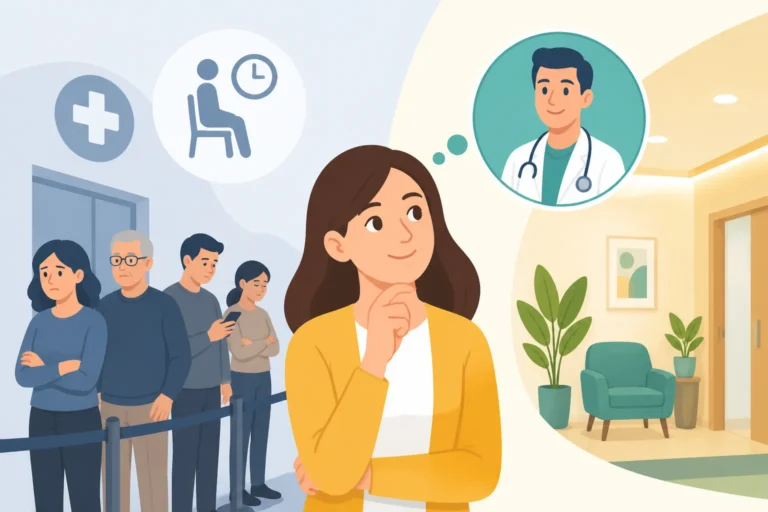
If you need mental health support, your first stop should be Studenthälsan at your university. They offer counseling and workshops in English. If you require more specialized psychiatric care, you will need a referral from a doctor at a Vårdcentral. The Swedish system provides comprehensive mental health services, but waiting times can be long. For a more detailed explanation of how this works, see Mental Health Support in Sweden: Psychologists, Therapy, and Referrals.
Managing Stress and the 1177 Hotline
For general health advice, Sweden has a national 1177 hotline. You can call this number any time of day to speak with a nurse who can advise you on whether you need to see a doctor or if your symptoms can be managed at home. This is particularly helpful for students who aren't sure how "sick" they need to be to justify an appointment. You can find out more about this service in What Number Do I Call for Non-Emergency Medical Advice in Sweden?.
Costs, Fees, and the High-Cost Ceiling
Even with a personnummer, healthcare in Sweden isn't completely free, but it is heavily capped to protect you from financial ruin.
Patient Fees for Students
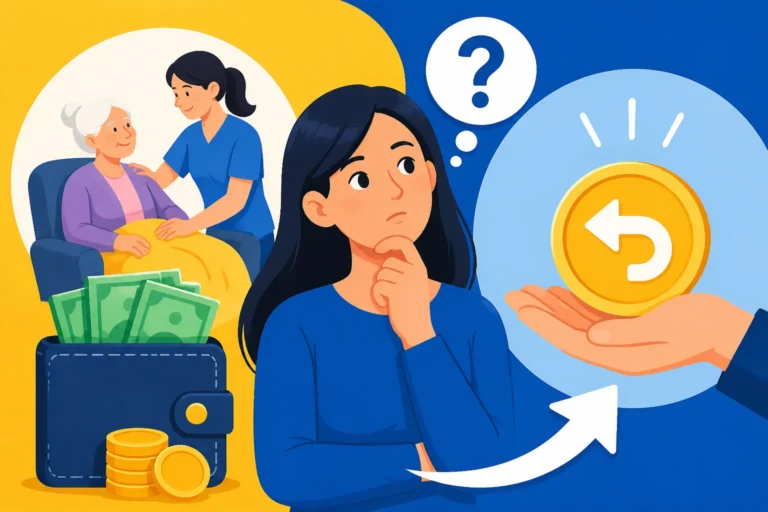
Every time you see a doctor, you pay a "patientavgift" (patient fee). This fee varies slightly by region (Stockholm might be different from Skåne). Generally, a GP visit costs around 200-250 SEK, while a specialist might cost 400 SEK. If you end up needing hospital care, the cost is around 130 SEK per day. For many students on a tight budget, these small fees can add up. It’s worth checking What Does a GP Visit Cost at a Swedish Vårdcentral? for the most current regional rates.
The High-Cost Protection (Högkostnadsskydd)
The best part of the Swedish system is the "Högkostnadsskydd." Once you have paid a certain amount in healthcare fees within a 12-month period (currently 1,400 SEK as of 2024/2025), you receive a "frikort" (free card). This means all subsequent visits for the remainder of that 12-month period are free. This is a life-saver for students with chronic conditions. Make sure you understand The Högkostnadsskydd Explained: Sweden's Healthcare Cost Ceiling and Frikort to ensure your payments are being tracked correctly in the national database.
Prescriptions and Pharmacies
Getting a prescription in Sweden is a purely digital process if you have a personnummer. The doctor sends the "recept" (prescription) to a central database, and you can pick it up at any "Apotek" (pharmacy) in the country by showing your ID.
Subsidies for Medication
Similar to the healthcare visits, there is a high-cost ceiling for prescription medications. You never have to pay more than a certain amount (currently around 2,850 SEK) for subsidized medications in a year. If you are using private insurance like Cigna Global, you will likely need to pay the full amount at the pharmacy and then claim it back later, especially if you do not yet have a personnummer.
Over-the-Counter Essentials
For minor ailments, Swedish pharmacies are well-stocked, though you won't find the same variety of high-strength medicines available over-the-counter as you might in the US or UK. Swedes tend to be conservative with medication, particularly antibiotics. If you're looking for basic relief, you can read about Buying Over-the-Counter Medicine at a Swedish Apotek.
Emergency Situations: When You Can't Wait
If you are in a life-threatening situation, the rules about personnummers and insurance status take a backseat to immediate care.
Calling 112 and Emergency Rooms
In a true emergency, call 112. The operators speak English and will dispatch an ambulance if necessary. You can also go directly to the "Akutmottagning" (Emergency Room) at a hospital. Be prepared for long waits if your condition is not life-threatening. For those living in more remote university towns, it’s helpful to know What Should I Do in a Medical Emergency Outside a Major Swedish City?.
Emergency Costs for Students
Emergency care is more expensive than a regular clinic visit. If you have a personnummer or an EHIC, the cost is still subsidized. If you are a non-EU student without a personnummer and without valid insurance, an ER visit can cost several thousand kronor. This is why having a policy from a provider like SafetyWing is so critical during your first few months in the country. You can verify the basics of emergency services in Is the 112 Emergency Line in Sweden Free to Call?.
Final Tips for International Students
Navigating health as a student in Sweden is about being proactive. Don't wait until you are sick to figure out which Vårdcentral is closest to your student housing. If you are an EU student, ensure your EHIC is valid for your entire stay. If you are a non-EU student, keep a digital and physical copy of your insurance policy and your "Letter of Acceptance" from the university, as clinics may ask for these to verify your status.
While the administrative side can be frustrating, once you are "in the system," the quality of care in Sweden is world-class. You will be treated with respect, and most medical professionals speak excellent English, making the actual consultation much less stressful than the paperwork that precedes it.
Disclaimer
The information provided in this guide is for informational purposes only and does not constitute legal or professional medical advice. Healthcare regulations, fees, and immigration policies in Sweden are subject to change. Always consult the official websites of Migrationsverket, Skatteverket, and 1177 Vårdguiden for the most up-to-date information regarding your specific situation.