Child Health in Sweden: How Barnavårdscentralen (BVC) Supports Families
Moving to Sweden with a toddler in tow can feel like assembling IKEA furniture without the manual, especially when it comes to the medical system. I remember standing in the snow in Malmö, clutching a crying baby and wondering why I couldn't just call a pediatrician directly. This guide explains how the Barnavårdscentralen (BVC) provides the support your family needs.
The Role of Barnavårdscentralen in Swedish Society
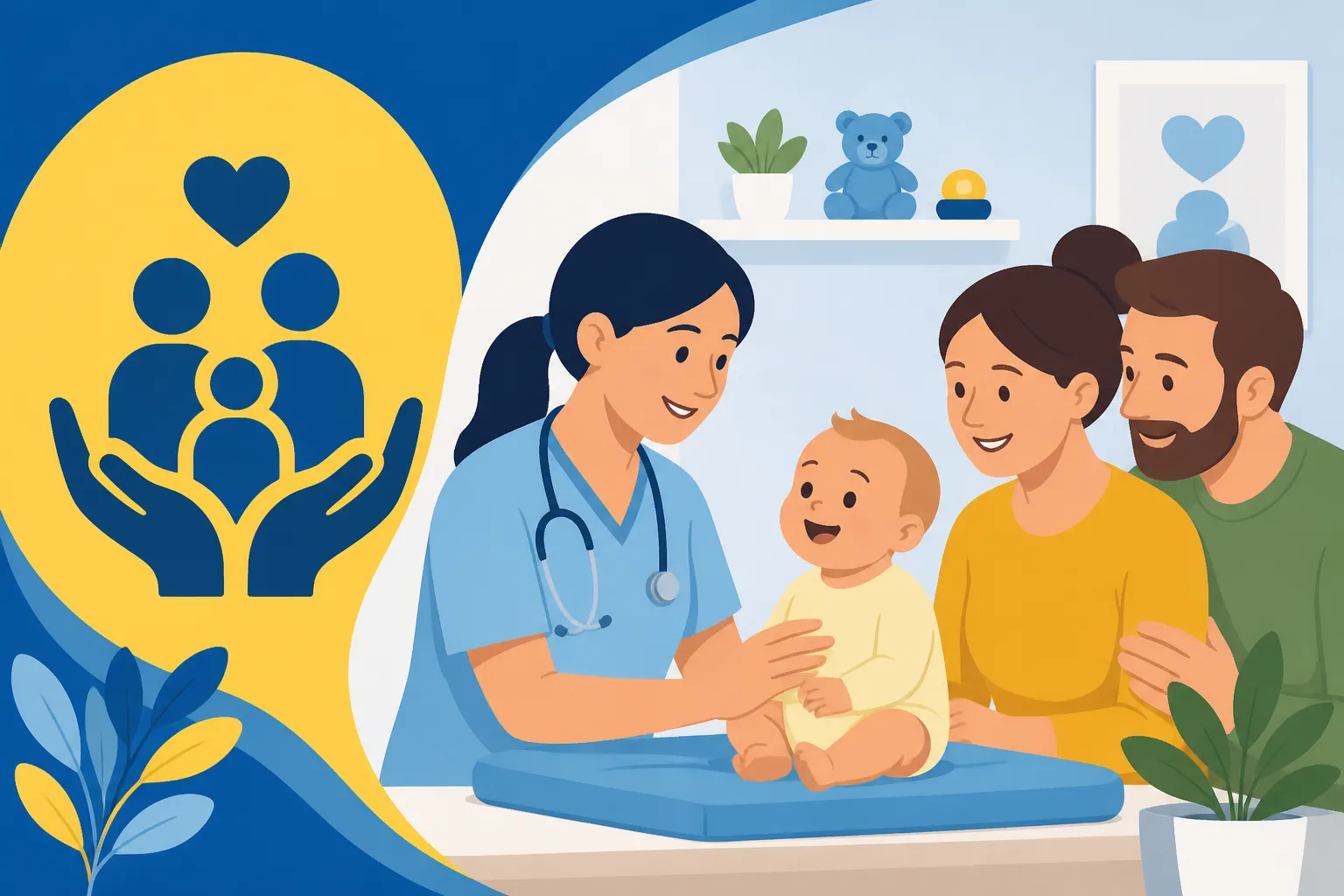
The Barnavårdscentralen, universally known as the BVC, is the cornerstone of the Swedish welfare state's commitment to the next generation. Unlike many other countries where you might see a specialized pediatrician for every sneeze or checkup, Sweden utilizes a decentralized, nurse-led model that focuses on preventative care and holistic family well-being. From the moment you bring your baby home from the hospital until they take their first steps into the formal school system at age six, the BVC is your primary point of contact for everything related to your child's growth and health.
The philosophy here is heavily weighted toward egalitarianism and early intervention. The system is designed to ensure that every child, regardless of their parents' income or background, reaches their developmental milestones with the support of a dedicated professional. This is often a specialized pediatric nurse who becomes a semi-permanent fixture in your life. You aren't just a number in a file; you are a family that the BVC nurse gets to know over several years, which provides a level of continuity that is increasingly rare in modern medicine.
It is important to understand that the BVC is not an urgent care clinic. This is a common point of confusion for new arrivals. If your child has an acute illness, such as a high fever or a broken bone, the BVC is not the place to go. For those situations, you would instead look toward Emergency Medical Care in Sweden: 112, Akutmottagning, and Urgent Help. The BVC's mandate is strictly development, vaccinations, and parental support. Understanding this distinction early on will save you a lot of frustration when trying to book appointments during a flu outbreak.
What Exactly is a BVC and Who is it For
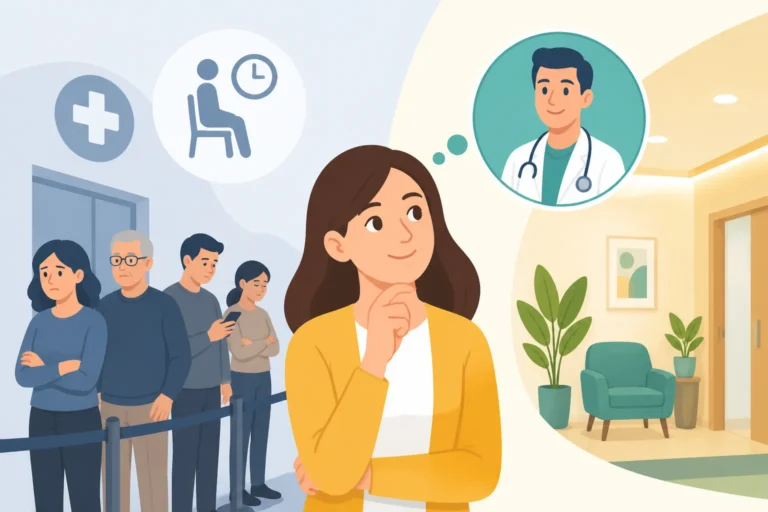
A BVC is essentially a wellness center specifically for children aged zero to six. These centers are often co-located with a general medical clinic, known as a Vårdcentral, but they operate as a distinct entity with their own staff and waiting areas. This separation is intentional; it keeps healthy children away from the waiting rooms filled with adults who might be carrying contagious illnesses. The service is entirely voluntary but almost universally utilized by Swedes and expats alike because of the high quality of care and the fact that it is free of charge.
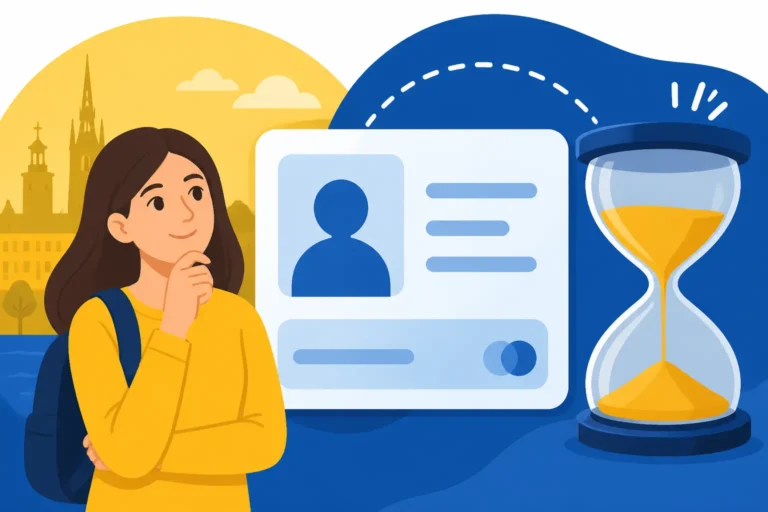
For families newly arrived in the country, the BVC serves as an unofficial orientation center. When you first register, you are assigned a specific nurse who will manage your child’s records and schedule. This person is your advocate. They track height, weight, and head circumference, but they also check for social cues, motor skills, and emotional development. If you are still waiting on administrative hurdles, you should read about Getting Your Personnummer: The Gateway to Swedish Healthcare to understand how your child’s ID number links their BVC records to the national system.
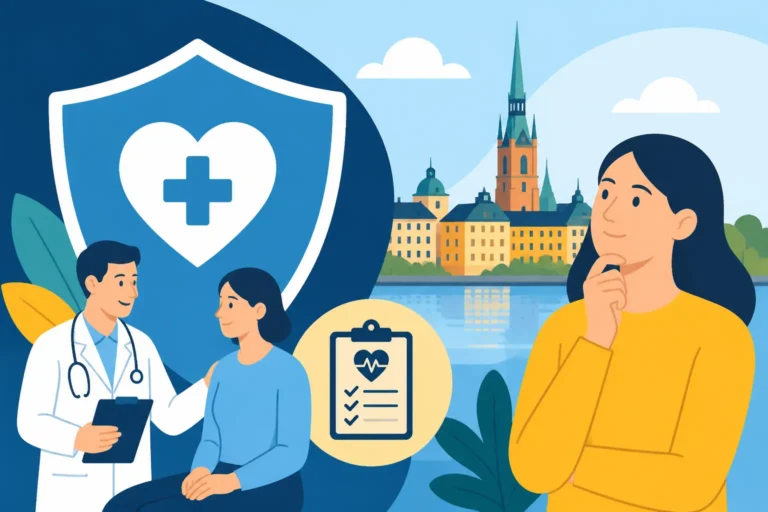
The "who" also includes the parents. In Sweden, child health is viewed as a subset of family health. During your appointments, the nurse will frequently ask how you are doing—not just as a courtesy, but as a clinical check on the family environment. They are trained to spot signs of parental burnout or postpartum depression, ensuring that the support system around the child remains robust. This holistic approach is one of the reasons why Sweden consistently ranks at the top of global child well-being indices.
The First Home Visit: Setting the Foundation
In the Swedish system, the relationship with your BVC often begins in your own living room. Shortly after you return from the hospital with a newborn, or once you have registered your young child as a new resident, the BVC nurse will offer a home visit. For many expats, this can feel a bit intrusive at first—I certainly felt the urge to scrub my baseboards before the nurse arrived—but the reality is far more relaxed and supportive than a formal inspection.
The purpose of the home visit is to meet the child in their natural environment where they are most comfortable. The nurse will perform a basic physical check on the baby, perhaps weighing them using a portable scale, but the bulk of the visit is dedicated to conversation. They will discuss feeding habits, sleeping arrangements, and safety in the home. It is a golden opportunity for you to ask all those "is this normal?" questions that tend to pile up in the early weeks of parenting.
This visit also serves to establish a "contract" of trust between the family and the healthcare provider. The nurse will explain the upcoming schedule of visits and vaccinations, ensuring you know exactly what to expect in the months ahead. If you have recently arrived and are still navigating the broader medical landscape, this is also a good time to ask about Family and Children's Healthcare in Sweden: BVC, Mödravård, and Beyond to see how the BVC fits into the larger puzzle of Swedish social services.
Choosing and Switching Your BVC
Sweden operates under a "vårdval" (choice of care) system, which means you are not strictly tied to the BVC closest to your front door. While most people choose the most convenient local option, you have the right to select any BVC within your region. This is particularly useful if you find that you don't "click" with your assigned nurse or if you prefer a clinic that has more experience with international families. Some BVCs in larger cities like Stockholm or Gothenburg even offer specialized groups for English-speaking parents.
If you decide to switch, the process is surprisingly straightforward. You simply contact the new BVC you wish to join, and they will handle the transfer of records. You don't need to provide a complex justification; the system respects your right to choose a provider that makes you feel comfortable. This flexibility is a key part of Choosing and Switching Your Vårdcentral Through Vårdval, and it applies equally to the child-specific clinics.
However, there is a practical limit to this choice. Popular BVCs in high-density areas can sometimes be full, meaning they may not be able to accept new non-local patients immediately. It is always a good idea to visit a couple of clinics and speak with the receptionists to get a feel for the atmosphere before making a final decision. Remember that you will be visiting this place frequently for the next six years, so choosing a location that is easily accessible by stroller or public transport is a vital consideration.
The Swedish Developmental Milestone Schedule
The schedule of visits at the BVC is rigorous and standardized across the country, though there may be minor regional variations. In the first year, visits are frequent—often once every few weeks in the beginning, then tapering off to once every few months. Each visit has a specific goal, whether it is a physical examination by a doctor or a developmental screening by the nurse. This structured approach ensures that no child "falls through the cracks" during the most critical periods of their early development.
As a parent, you will receive a physical or digital "health book" (Hälsobok) where all measurements and observations are recorded. While much of this is moving into the digital realm via 1177 Vårdguiden: Navigating Sweden's National Health Advice Line and Portal, having that physical record of your child’s growth is a cherished tradition for many families. It serves as a roadmap of their progress, from their very first smile to the day they are ready for school.
The milestones checked in Sweden might differ slightly from what you are used to back home. There is a heavy emphasis on "free movement" and natural development. Swedes are generally less concerned with early academic achievements and more focused on gross motor skills and social interaction. You will find that the BVC nurse is an expert at spotting the subtle signs of healthy development that might not be obvious to a first-time parent navigating the stress of relocation.
Routine Physical Exams and Growth Tracking
Growth tracking is the bread and butter of the BVC. At every visit, your child will be weighed and measured. These data points are plotted on a growth curve (tillväxtkurva) that compares your child’s progress against national averages. For many expat parents, these curves can be a source of anxiety—I remember worrying because my daughter was in the "lower percentile" until the nurse reminded me that being on the curve is what matters, not being at the top of it.
In addition to the nurse's checks, there are several key appointments where a physician (läkare) is present. These usually occur at 4 weeks, 6 months, and 12 months. The doctor will perform more detailed physical exams, checking the heart, hips, eyes, and reflexes. They are looking for congenital issues or developmental delays that require specialist intervention. If a doctor does find something that needs further investigation, they will issue a referral (remiss) to a specialist pediatrician at a hospital.
This referral system is a core component of the Swedish model. You generally cannot book a specialist appointment for your child without this initial screening from the BVC or a GP. To understand how this process works in more detail, you should look into How the Referral (Remiss) System Works for Seeing a Specialist in Sweden. It is a gatekeeping mechanism that ensures specialists can focus on the most complex cases while the BVC handles the routine wellness of the general population.
Vaccinations and Immunization Protocols
Sweden has a comprehensive and highly effective national vaccination program. While vaccines are not mandatory by law, the uptake rate is incredibly high—often exceeding 97%—because the public has a deep trust in the medical authorities. All vaccinations included in the national program are provided free of charge at the BVC. The schedule starts early, usually at 3 months, with a combination vaccine that protects against diphtheria, tetanus, whooping cough, polio, Hib, and hepatitis B, alongside a pneumococcal vaccine.
One thing that surprises many expats is the Swedish approach to certain vaccines that might be routine elsewhere. For example, the chickenpox vaccine is not currently part of the standard national program, although this is a topic of ongoing debate. If you want vaccines outside the standard schedule, you may need to visit a private clinic or pay an additional fee. For a full breakdown of what is covered, see Vaccinations in Sweden: The National Childhood Immunisation Schedule.
If you are moving from another country, it is vital to bring your child’s previous immunization records. The BVC nurse will translate these into the Swedish system and determine if any "catch-up" doses are needed. If you find the public system's schedule too slow or want access to vaccines not offered by the state, you might consider how Private Health Insurance in Sweden: When Sjukvårdsförsäkring Is Worth It can offer more flexibility, although most parents find the public program more than sufficient.
The 2.5-Year and 4-Year Checkups
As your child leaves the toddler phase, the visits become less frequent but more focused on cognitive and linguistic development. The 2.5-year checkup is a significant milestone where the nurse evaluates the child's language skills. They are looking for the ability to use two-word sentences and a basic understanding of instructions. This is also when they check social interaction—does the child make eye contact? Do they engage in "play" with the nurse?
The 4-year checkup is arguably the most intensive. It includes a vision screening and a more complex hearing test. The child is asked to perform tasks like drawing a circle, hopping on one leg, and following multi-step directions. It is a comprehensive "school readiness" check. If there are any concerns about speech delays or motor issues, the BVC will coordinate with local "logopeder" (speech therapists) or physiotherapists to provide support before the child enters the formal school system.
For international families, these checks can be nerve-wracking if the child is not yet fluent in Swedish. However, BVC nurses are accustomed to multilingual households. They focus on whether the child is developing well in their mother tongue, even if their Swedish is still catching up. If you are worried about your child's progress, you can read Family and Children's Healthcare in Sweden: BVC, Mödravård, and Beyond for more context on how Sweden supports bilingual development.
Parental Support and Social Integration Through BVC
One of the most underrated aspects of the BVC system is its role in combating the isolation that often hits new parents, especially those who have moved away from their home support networks. Sweden recognizes that a healthy child needs a healthy, socially connected parent. The BVC is not just a medical clinic; it is a social hub designed to integrate you into the local community and provide a safety net for your mental health.
The support offered is both formal and informal. Formally, the BVC provides access to psychologists and parenting experts. Informally, it connects you with other families in your exact same situation—living in the same neighborhood with children of the same age. For an expat, this "forced" socialization is often the primary way to make Swedish friends, as the shared experience of parenthood tends to break through the typical Swedish social reserve.
The Power of the Föräldragrupp
The "föräldragrupp" (parent group) is a Swedish institution. Shortly after your child is born, your BVC nurse will invite you to join a group of about 6 to 10 other parents whose babies were born around the same time. These groups meet regularly at the BVC to discuss topics like sleep, feeding, and toddler behavior, led by the nurse. But the real magic happens after the meeting, when the group decamps to a local café for a "fika."
For many expats, the föräldragrupp is a lifeline. It provides a structured way to meet neighbors and share the unique frustrations of raising a child in a foreign country. I still meet with the parents from my daughter's 2021 group; we've traded baby clothes, shared tips on the best "förskola" (preschool), and supported each other through the long, dark winters. If you are in a large city, you can often find groups specifically for English speakers, though joining a Swedish group is a fantastic way to practice the language in a low-pressure environment.
These groups are also where you learn the "unwritten rules" of Swedish parenting—like the importance of the "overall" (winter jumpsuit) and the Swedish habit of letting babies nap outside in their strollers even in sub-zero temperatures. If you are still trying to find your feet in a new city, checking out Which Vårdcentral Should I Choose If I Just Moved to Stockholm? might help you find a clinic known for having active and diverse parent groups.
Postpartum Care and Parental Mental Health
The transition to parenthood is difficult under the best of circumstances, but doing it in a new country without your extended family can be overwhelming. The BVC nurses are specifically trained to look for signs of postpartum depression (förlossningsdepression). Around the 6-to-8-week mark, they will often ask the mother to fill out a standardized questionnaire known as the EPDS (Edinburgh Postnatal Depression Scale).
If the results suggest you are struggling, the BVC doesn't just send you home with a brochure. They have direct pipelines to specialized psychologists who focus on parental mental health. These services are usually free and can be accessed much faster than general mental health services. They also encourage fathers or non-birthing partners to be involved, recognizing that "baby blues" and depression can affect the entire family unit.
For those who feel they need even more specialized or faster support, companies like Cigna Global provide international plans that include robust mental health coverage, which can be a great supplement if you prefer to see a therapist who shares your specific cultural background. However, the foundational support from the BVC is excellent and should be your first port of call. You can find more about the general system in Mental Health Support in Sweden: Psychologists, Therapy, and Referrals.
Navigating Diet and Nutrition Advice
Swedish nutrition advice for children is famously practical and science-based, but it can sometimes clash with cultural norms from other countries. The BVC will provide detailed guidance on introducing solids (smakisar), vitamin D drops (D-droppar), and the importance of iron-rich foods. In Sweden, "välling" (a cereal-based drink) is a staple that you might not see anywhere else, and your nurse will likely explain how and when to use it.
There is also a strong emphasis on dental health from a very early age. Even before the first tooth arrives, the nurse will talk to you about sugar intake and oral hygiene. In many regions, the BVC coordinates with the Folktandvården (public dental service) to ensure your child has their first dental checkup by age three. For more on this, see Dental Care in Sweden: Folktandvården, Costs, and the Tandvårdsbidrag.
If your child has specific dietary needs, such as allergies or a vegan diet, the BVC can refer you to a "dietist" (dietician) who specializes in pediatric nutrition. This ensures that your child is getting all the necessary nutrients while respecting your family's lifestyle choices. This level of personalized, professional advice is part of why the BVC system is so highly regarded.
Practical Administrative Hurdles for International Families
While the care at the BVC is top-notch, getting into the system can be a bureaucratic headache for those who have just stepped off the plane. Sweden’s healthcare system is built entirely around the personnummer (personal identity number). Without it, you are "invisible" to the digital booking systems and automated registries that Swedes take for granted. However, being invisible doesn't mean you are ineligible for care.
The most important thing to remember is that children in Sweden have a right to healthcare regardless of their administrative status. If you are a resident, your child should receive care. The challenge is often navigating the paperwork to prove that residency while Skatteverket (the Tax Agency) processes your application. This period can be stressful, but there are established workarounds that every expat parent should know.
Registering Without a Personnummer
If you have just arrived and your child doesn't have a personnummer yet, you can still register with a BVC. The clinic will issue a "reservnummer" (reserve number), which acts as a temporary placeholder in their local system. This allows the nurse to start your child’s vaccination schedule and growth tracking immediately. You should not wait for your official ID card to arrive before contacting your local BVC; early engagement is key to a smooth transition.
During this gap period, you may need to provide proof of your application to Skatteverket or your residence permit. If you are an EU citizen, your EHIC card is an essential tool for accessing care before you are fully registered in the Swedish population register. For a step-by-step guide on how to handle this, read How to Register with a Vårdcentral After Getting Your Personnummer and the related advice on Can I See a Doctor in Sweden Before I Get My Personnummer?.
Because the administrative process can sometimes take months, many expats choose to carry a "bridge" insurance policy. SafetyWing is a popular choice for this specific scenario, as it provides a safety net while you are in the "limbo" between your home country's coverage and the Swedish state system. It ensures that if something happens outside the BVC's scope of wellness, you aren't left with a massive bill while waiting for your personnummer.
Digital Health and the 1177 Portal
Once you have your personnummer and a BankID (the Swedish digital ID system), the way you interact with the BVC changes completely. You will gain access to the 1177.se portal, which is the digital heart of Swedish healthcare. Through this portal, you can see your child's vaccination records, read the nurse’s notes from your last visit, and even book or cancel appointments online.
The 1177 system also includes a 24/7 phone line (just dial 1177) where you can speak to a registered nurse about any health concerns. They can advise you on whether a fever needs a trip to the emergency room or if it can wait until the morning. This is an invaluable resource for parents. For a deeper dive into how to use these tools, check out 1177 Vårdguiden: Navigating Sweden's National Health Advice Line and Portal and Booking Doctor Appointments Online Through 1177.se with BankID.
One tip for international parents: even if you don't speak Swedish yet, the 1177 website has an extensive section in English and several other languages. The phone operators are also usually happy to speak English. Using these digital tools makes managing your child's health much less of a chore and helps you feel more in control of the process.
Handling Language Barriers and Translation Services
While most BVC nurses speak excellent English, medical terminology can still be tricky. If you feel that your Swedish is not yet strong enough to discuss complex developmental issues, you have a legal right to an interpreter (tolk). This service is provided free of charge by the state. You just need to inform the BVC when you book your appointment that you require an interpreter for a specific language.
In practice, the interpreter usually joins via a loudspeaker phone or a video link. They are professional, neutral, and bound by strict confidentiality rules. Using an interpreter ensures that there are no misunderstandings regarding your child's health or the advice you are being given. It is always better to ask for an interpreter than to guess at what "tillväxtkurva" or "sprutskräck" means in a high-stakes conversation.
As you settle in, you might find that you want to improve your own medical Swedish. Many parents find that the simple, repetitive nature of BVC visits is actually a great way to learn vocabulary related to the body and health. For more on integrating into the system as a non-speaker, you can read How Do I Get Care If I Don't Speak Swedish Yet?.
Financial Considerations and Supplemental Protection
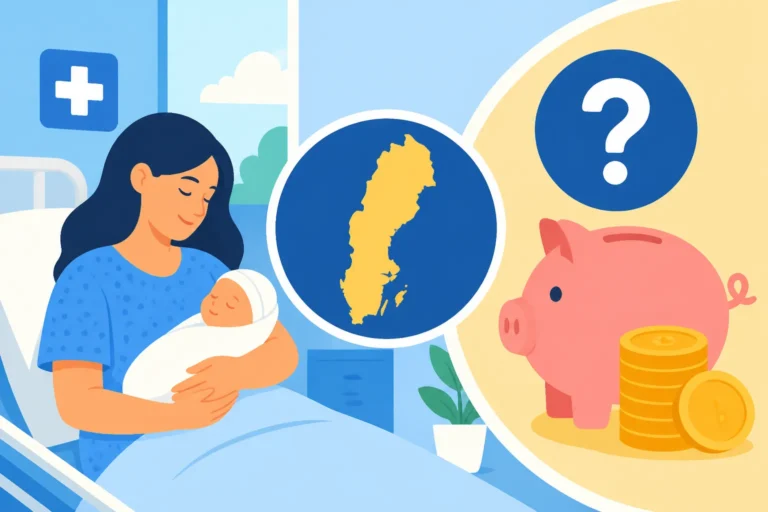
One of the greatest shocks—usually a pleasant one—for expats moving to Sweden is the cost of child healthcare. Within the public system, almost everything related to your child's health is free. This includes BVC visits, vaccinations, doctor consultations, and even most prescriptions for children under 18. The system is funded through your municipal and regional taxes, which you pay once you start working in the country.
However, "free" doesn't mean there aren't things to consider. There are still areas, like advanced dental work for adults or certain specialized private treatments, where costs can occur. For families who want the absolute maximum level of choice and speed, understanding the interplay between the public system and private options is essential.
The Real Cost of Child Healthcare in Sweden
In Sweden, the principle of "equal care for all" means that a billionaire's child and a refugee's child sit in the same BVC waiting room and receive the same vaccinations. There are no "gold-tier" BVCs. The patient fees (patientavgift) that adults pay for doctor visits are almost always waived for children. To get a better sense of how the financing works, read Understanding Patient Fees (Patientavgift) Across Sweden's 21 Regions.
Prescription medications for children are also largely subsidized. In many cases, if a doctor at a Vårdcentral or a hospital prescribes a standard medication for a child, you will pay nothing at the pharmacy. This is part of the "Högkostnadsskydd" system, which limits the total amount any individual pays for healthcare in a year. You can learn more about this in The Högkostnadsskydd Explained: Sweden's Healthcare Cost Ceiling and Frikort.
| Service Type | Public BVC Cost | Private Clinic Cost (Estimated) |
|---|---|---|
| Routine Checkups | Free | 800 – 1,500 SEK |
| National Vaccinations | Free | 500 – 1,200 SEK per dose |
| Home Visits | Free | 1,500 – 3,000 SEK |
| Speech Therapy | Free (with referral) | 1,000 – 2,000 SEK per session |
| Pediatrician Consult | Free | 1,200 – 2,500 SEK |
When Private Insurance Bridges the Gap
Despite the excellence of the public system, many expat families choose to maintain private health insurance. The primary reason is speed and choice. While the Swedish public system is great for routine care, the waiting times for non-emergency specialist appointments (like a dermatologist or an allergist) can sometimes be long. Private insurance, often referred to as "Sjukvårdsförsäkring," allows you to bypass these queues and see a specialist within days.
For international residents, Cigna Global offers plans that are specifically designed for the needs of expats. These plans can be tailored to include premium dental care, vision, and international coverage, which is useful if you travel frequently or want the option to seek treatment in your home country. It provides a layer of comfort that the public system, with its "wait and see" approach, sometimes lacks.
Another scenario where private protection is vital is during the initial move. As mentioned, the time it takes to get a personnummer can be significant. Having a policy from a provider like SafetyWing ensures that you are covered for emergencies and unexpected illnesses from the moment you cross the border. It acts as a bridge until you are fully integrated into the Swedish social safety net. You can read more about these options in Private Health Insurance in Sweden: When Sjukvårdsförsäkring Is Worth It.
Comparing Care Pathways for Foreign Residents
Choosing between strictly following the public BVC path or supplementing it with private care depends on your family's specific needs and risk tolerance. Most expats find that the public BVC is more than enough for 95% of their child's health needs. The nurses are highly skilled, the facilities are clean, and the community aspect is irreplaceable.
If your child has a chronic condition that requires frequent specialist visits, the public system is actually often the best place to be, as the major university hospitals in Stockholm, Gothenburg, and Lund have resources that private clinics cannot match. For more on managing complex needs, see Managing a Chronic Condition in Sweden: Diabetes, Asthma, and More.
Ultimately, the BVC is more than just a medical service; it is your gateway to Swedish society as a parent. It is where you will learn the language, meet your neighbors, and watch your child grow from a tiny infant into a confident "förskolebarn." Embrace the system, ask questions, and don't be afraid to lean on your BVC nurse—they are there to make sure your family's Swedish adventure gets off to the healthiest start possible.
Disclaimer
This article is intended for informational purposes only and does not constitute professional medical or legal advice. While we strive to keep information accurate and up-to-date for 2026, healthcare regulations and immigration policies in Sweden can change. Always consult with official sources such as 1177.se, Migrationsverket, or your local Vårdcentral for specific advice regarding your family's health and legal status.