Maternity Care in Sweden: Mödravård, Midwives, and Giving Birth
Seeing those two pink lines in a foreign country can trigger a unique mix of joy and absolute administrative panic. When I first moved here, I spent hours staring at my laptop, unable to figure out if I needed a GP or a specialist for my first checkup. This guide solves that confusion by breaking down every step of the Swedish maternity journey.
Understanding the Swedish Maternity System
The first thing you need to realize about having a baby in Sweden is that the philosophy here is deeply rooted in the idea that pregnancy is a natural process rather than a medical condition. This can be a massive culture shock if you come from a country where you expect to see an OB-GYN every month. In Sweden, the entire system is midwife-led. Unless there is a specific medical complication, you might go your entire pregnancy without ever seeing a doctor.
The Centrality of the Midwife
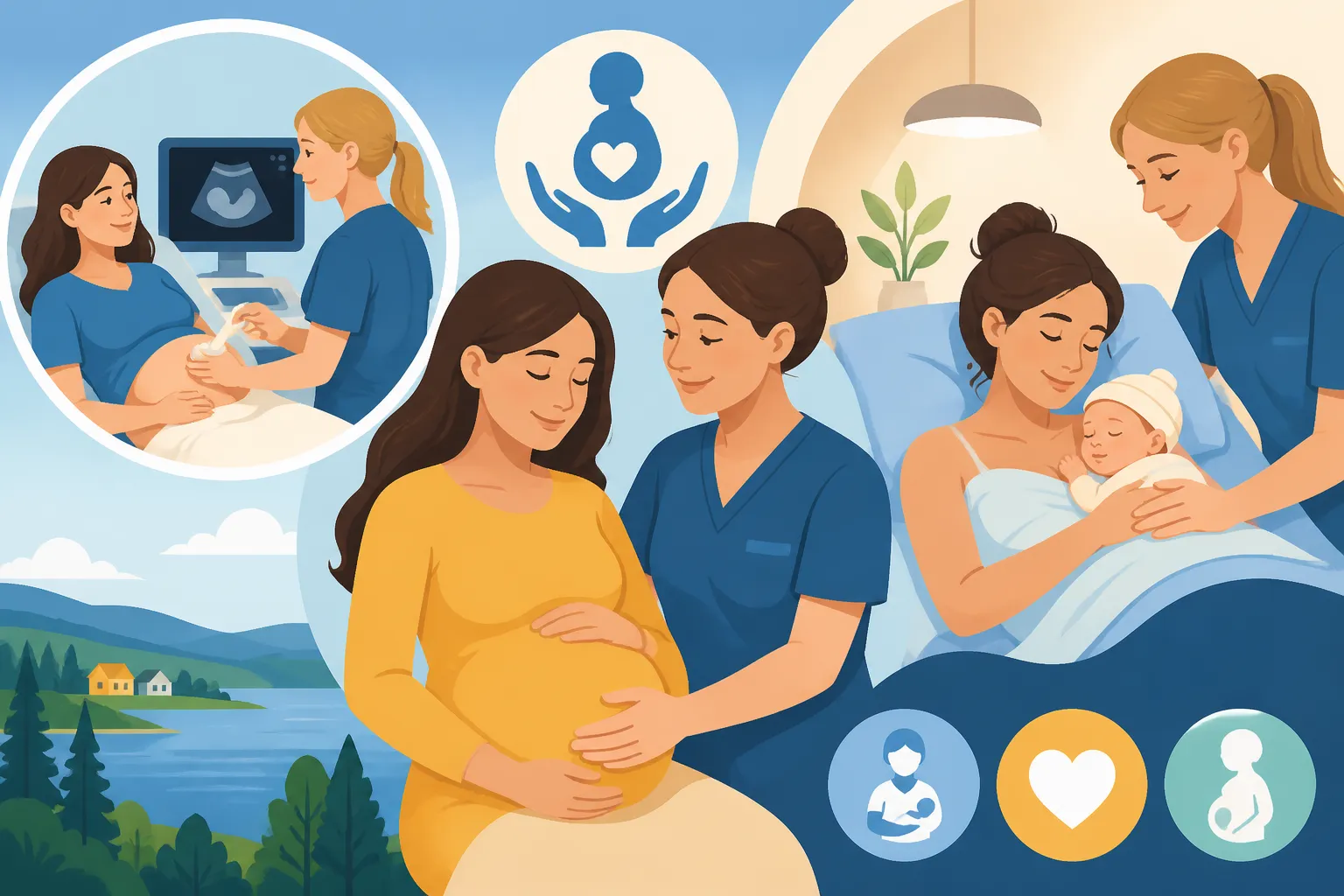
In Sweden, your barnmorska (midwife) is your everything. She is your medical provider, your administrative guide, and often your unofficial therapist. When you first find out you are pregnant, your first step isn't to call a hospital; it is to find a Barnmorskemottagning (BMM), which is a dedicated maternity clinic. These clinics are often located within or near a Registering with a Vårdcentral: Your Guide to Primary Care in Sweden but operate as their own specialized unit.
The bond you form with your midwife is significant. She will be the one tracking your blood pressure, checking your iron levels, and measuring your SF-mått (the growth of your uterus) using a simple tape measure—a classic Swedish tradition that feels surprisingly low-tech but is incredibly accurate. If you are wondering Where Do I Go for Antenatal Care When Pregnant in Sweden?, the answer is always your local BMM.
Registration and the First Appointment
The "insubskrivning" or enrollment meeting usually happens between week 8 and 11. This is a long appointment where your midwife will take a deep dive into your medical history, lifestyle, and mental health. If you are an expat, this is the time to be very vocal about any previous births or conditions you had in your home country.
I remember feeling a bit overwhelmed by the directness of the questions regarding alcohol and tobacco, but it is important to understand that Swedish healthcare is extremely proactive about preventative care. They will also discuss your rights and the general timeline of care. If you haven't received your personal identity number yet, you might worry about costs, but there are ways to manage this. For those in the transitional phase of moving, having coverage from Cigna Global can be a lifesaver to ensure you have access to private consultations if the public queue feels too long for your peace of mind.
Routine Checkups and Screenings
The schedule of care in Sweden is standardized but can feel "sparse" to those used to more frequent intervention. Typically, you will have a handful of appointments in the second trimester, increasing in frequency as you approach your due date.
One of the biggest shocks for expats is the number of ultrasounds. In a healthy, uncomplicated pregnancy, the Swedish system typically offers only one routine ultrasound between weeks 18 and 20. This is the "RUL" (rutinultraljud), where they check the anatomy and can usually tell you the sex of the baby if you want to know. If you want more frequent scans, you may need to look into private clinics. For many foreigners, the Private Health Insurance in Sweden: When Sjukvårdsförsäkring Is Worth It can help cover these "extras" that the public system deems medically unnecessary but you might find vital for your emotional well-being.
Navigating Antenatal Care as an Expat
Living in a new country adds a layer of complexity to pregnancy that locals simply don't face. You aren't just growing a human; you are navigating a new language and a completely different set of social norms regarding parenting and medical authority.
Language Barriers and Interpretation Services
One of the most common questions is: Can I Book a Doctor's Appointment in English in Sweden?. The short answer is yes. Most midwives and doctors speak excellent English. However, medical terminology can be tricky. If you feel even slightly uncomfortable, you have a legal right to a professional interpreter during your maternity appointments, and this service is free of charge.
Never feel like you are "bothering" the staff by asking for an interpreter. It is essential that you fully understand the results of your blood tests or the details of your birth plan. In my experience, the midwives appreciate the clarity an interpreter brings. They want you to feel safe and informed, as a stressed mother is not the goal of the Swedish system.
Integrating Foreign Medical Records
If this isn't your first child, or if you have a pre-existing condition managed abroad, you need to bring your records to your first meeting. The Swedish system is highly digitalized, but it doesn't always "talk" to systems outside of its borders.
When you are Managing a Chronic Condition in Sweden: Diabetes, Asthma, and More while pregnant, your midwife will coordinate with specialists (specialistmödravården). Be prepared to have your foreign records translated or at least summarized in English. The more information you provide, the better they can tailor the vårdplan (care plan) to your specific needs.
Private Insurance vs. Public Care
The public system is world-class, but it can be rigid. This is where contextual services like SafetyWing or Cigna Global come into play for expats. If you are a digital nomad or waiting for your residency to be processed, you might not yet be covered by the How Sweden's Tax-Funded Healthcare Works: Regions, Costs, and Coverage system.
SafetyWing is particularly popular among younger expats and those on temporary assignments who need a safety net while they settle in. Having private insurance allows you to bypass certain wait times or access private "ultra-sound" boutiques without feeling like you are fighting the system. It provides that extra cushion of "I've got this" while you wait for your Personnummer to arrive.
The Labor and Delivery Experience
As your due date approaches, the focus shifts from the BMM to the Förlossningsklinik (the birth clinic). In Sweden, you don't just show up at the nearest hospital; you generally have a discussion with your midwife about where you would like to give birth, though the final decision often depends on which clinic has space when you actually go into labor.
Choosing Your Birth Clinic
Through a system called Vårdval, you often have the right to choose your clinic, especially in larger cities like Stockholm, Gothenburg, or Malmö. However, the reality of a busy labor ward means that if your preferred clinic is full, you might be redirected.
When I was pregnant, I obsessed over the "rankings" of different hospitals. My advice? Don't. All Swedish hospitals follow the same high safety standards. The most important thing is that you feel comfortable with the philosophy of the clinic. Some are more focused on natural births, while others are more integrated into large university hospitals with immediate access to NICU facilities. For more on this, check out What to Expect as a Patient at a Swedish University Hospital.
Pain Management Options in Sweden
The Swedish approach to pain management is "options-first." You will be encouraged to try non-medical interventions first, such as warm baths, sterile water injections (which sting but work for back labor!), and the famous lustgas (laughing gas/nitrous oxide).
Lustgas is the hallmark of the Swedish birth experience. It is used in almost every delivery room. However, if you want an epidural (ryggbedövning), it is available 24/7. Unlike in some countries where there is a "window" for an epidural, Swedish anesthesiologists are usually very flexible, provided the birth hasn't progressed too far. You should definitely discuss these options in your birth plan, or förlossningsplan, which you will write with your midwife around week 35.
The Birth Plan and The Bag
Your förlossningsplan is a digital or paper document that the midwives at the hospital will read as soon as you are admitted. It should include your preferences for pain relief, who you want in the room, and any fears you have.
As for "the bag," Swedes are practical. You don't need a formal gown; the hospital provides functional (if not particularly fashionable) gowns and giant mesh underwear. What you do need are snacks for your partner, a long charging cable for your phone, and the baby's first outfit. Most importantly, bring your own "homey" items. The Swedish delivery rooms are designed to feel less clinical and more like a bedroom.
Postnatal Care and the First Weeks
Once the baby arrives, the care doesn't stop, but it does change location. The first few days are about recovery and "bonding" (anknytning).
The Aftercare Stay (Patienthotell)
In many Swedish cities, if the birth was uncomplicated, you will move from the labor ward to a Patienthotell (Patient Hotel). This is exactly what it sounds like—a hotel attached to the hospital where you, your partner, and the baby stay in a private room.
The hotel is staffed by midwives and nurses who are there if you need them, but they generally leave you alone to bond. They will come in to help with breastfeeding or to perform the baby's first checks. This is a bridge between the hospital and home that many expats find incredibly helpful. It feels less like being a "patient" and more like being a new family.
Home Visits and BVC Transition
After you leave the hospital, your care transitions from the midwife to the Child Health in Sweden: How Barnavårdscentralen (BVC) Supports Families. Within the first week, a nurse from the BVC will usually perform a home visit. They will weigh the baby on a portable scale and check on your physical and mental recovery.
This transition is vital. The BVC will be your primary contact for the baby's health until they start school. If you are wondering How Do I Get My Child's Development Checks at BVC in Sweden?, the process usually happens automatically once your birth is registered, but it never hurts to give your local clinic a call once you are home.
Mental Health and Postpartum Support
Sweden takes postpartum depression very seriously. At the BVC, you will be asked to fill out the "Edinburgh Postnatal Depression Scale" multiple times in the first year. It is very common for expats to struggle with "the blues" more intensely because of the lack of a local support network.
If you are feeling overwhelmed, don't stay silent. There is extensive Mental Health Support in Sweden: Psychologists, Therapy, and Referrals available. Your midwife or BVC nurse can refer you to a specialist psychologist who deals specifically with new parents. Remember, asking for help is considered a sign of a responsible parent in Sweden, not a failure.
Costs and Administration
The administrative side of having a baby in Sweden is where the country's social safety net really shines, but it does require some paperwork.
Is Maternity Care Really Free?
For those registered in the population register, maternity care is almost entirely free. You might pay a small fee (around 100-200 SEK) for certain specialist doctor visits or a daily fee for your stay at the patient hotel, which covers your meals.
If you are curious about the specifics, How Much Giving Birth Cost in Sweden? provides a breakdown of these minor fees. For the most part, you won't see a massive bill. The system is designed so that the cost is never a barrier to safe delivery. Even the Högkostnadsskydd Explained: Sweden's Healthcare Cost Ceiling and Frikort applies here, ensuring that even if you have complications, your out-of-pocket costs are capped.
Registration for Non-EU Residents
If you are a non-EU resident, ensure your residence permit is in order well before your due date. If you don't have a Personnummer yet, you may be charged "tourist" rates for care, which can be thousands of kronor. This is where having a robust policy from Cigna Global is essential—they are experts at handling these types of international claims and can ensure you aren't left with a massive bill while you wait for Skatteverket to process your ID.
Parental Leave and Försäkringskassan
One of the best things about having a baby in Sweden is the parental leave. You are entitled to 480 days of paid leave per child, which can be shared between parents. However, to access this, you must be Registering with Försäkringskassan: When and Why You Need To.
Do this as soon as you have your Personnummer. You will need to send in a "Moderskapsintyg" (pregnancy certificate), which your midwife will give you around week 20. This certificate notifies the state that you are expecting, allowing them to calculate your parental benefits.
Swedish Maternity Care vs. Other Systems
| Feature | Sweden (Public) | USA (Typical) | UK (NHS) |
|---|---|---|---|
| Primary Provider | Midwife (Barnmorska) | OB-GYN | Midwife |
| Routine Ultrasounds | 1 (Week 18-20) | 2-3 or more | 2 (Week 12 & 20) |
| Cost | Free / Nominal Fee | High ($5k-$20k+) | Free |
| Pain Relief | Lustgas focus | Epidural focus | Gas & Air / Epidural |
| Stay Post-Birth | Patient Hotel (1-3 days) | Hospital Ward (1-2 days) | Home / Ward (6-24 hrs) |
| Home Visits | Yes (BVC) | Rarely | Yes (Midwife/Health Visitor) |
Summary of the "Swedish Way"
Having a baby in Sweden is an exercise in trust. You have to trust that the midwife knows when a doctor is needed. You have to trust that the lustgas will be enough (until it isn't!). And you have to trust that the system will catch you if you fall.
The Swedish system prioritizes the health of the mother and the baby over medical theater. It might feel "hands-off" at times, but the outcomes—low infant mortality and high maternal safety—speak for themselves. Embrace the coffee in the waiting rooms, the practical advice of your barnmorska, and the incredible peace of mind that comes from knowing you are in one of the best places in the world to start a family.
Disclaimer
This guide is for informational purposes only and is based on personal experience and current Swedish healthcare regulations as of 2026. Healthcare policies and costs can vary by region (regioner). Always consult with a licensed medical professional or your local Barnmorskemottagning for specific medical advice and the most up-to-date administrative requirements. External insurance providers like Cigna Global and SafetyWing are independent entities; ensure you review their specific policy terms regarding maternity coverage in Sweden.