Eye Care and Opticians in Sweden: Exams, Glasses, and Coverage
One of the most jarring realizations for many newcomers is that the Swedish healthcare system, while world-renowned for its efficiency, treats your eyes as something of a luxury category rather than a standard medical necessity. I remember the frustration of my first winter in Stockholm, squinting through the afternoon gloom and realizing my prescription had definitely lapsed. I assumed I could just call my local clinic for a quick check-up, but I quickly learned that the path to clear vision in Sweden requires a different set of rules and a separate budget. This guide will walk you through exactly how to navigate opticians, understand what the government will—and won't—pay for, and how to get the best care for your eyes without getting lost in the bureaucracy.
Understanding the Swedish Eye Care Landscape
The primary thing you need to grasp is the distinct separation between an "Optiker" (Optician) and an "Ögonläkare" (Ophthalmologist). In many countries, these roles overlap or are housed under the same roof, but in Sweden, they occupy different worlds. If you simply need a new pair of glasses because your vision is blurry, you are looking for an optician. These are almost exclusively private retail businesses found in every shopping mall and high street across the country. They handle the vast majority of vision correction and basic eye health screenings without any involvement from the state.
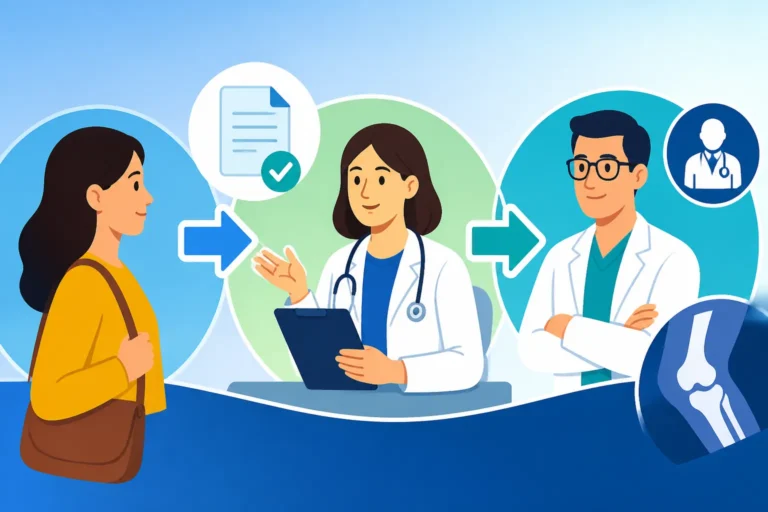
If you have a medical condition, such as a severe infection, glaucoma, or a sudden loss of vision, you then move into the realm of the Ögonläkare. This is part of the public health system. However, you generally cannot just walk into an ophthalmologist's office. Most residents begin by Finding a Doctor in Sweden: GPs, Specialists, and the Referral System through their local primary care center. If your GP determines the issue is medical rather than refractive, they will issue a referral. This distinction is crucial because the public system will not help you get a prescription for fashion frames; they are there to treat disease.
For expats who are still finding their footing, the retail nature of eye care can be a relief because it bypasses many of the wait times associated with public health. You can usually book an appointment with an optician within a day or two. However, because it is private, you are responsible for the full cost of the exam and the hardware. This is where Healthcare in Sweden for Foreign Residents: The Complete System Guide (2027) becomes relevant, as it explains the broader context of what is covered by your residence status. Understanding this divide early on will save you hours of unnecessary phone calls to 1177.
The Role of the Optiker in Daily Life
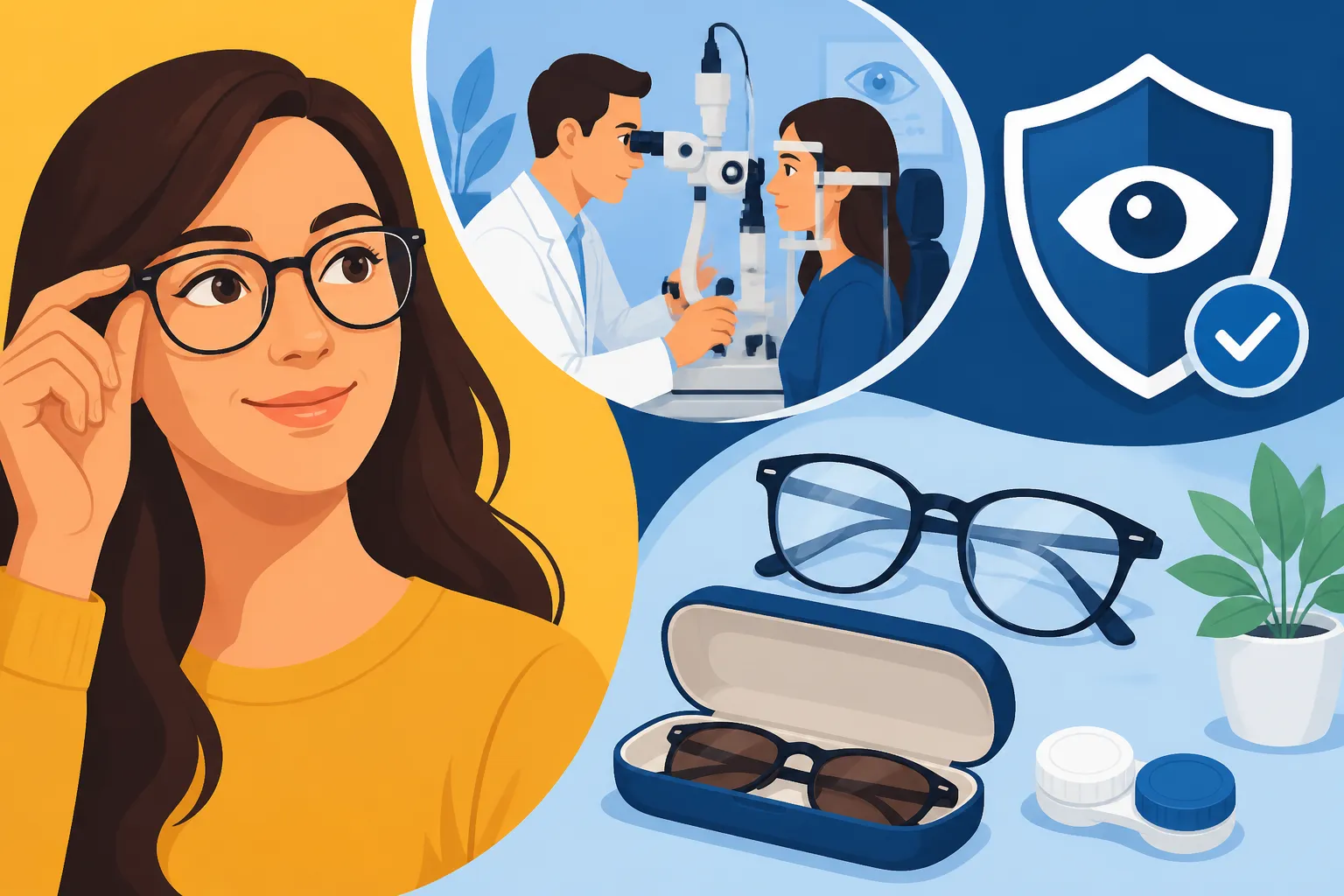
In Sweden, the optician is much more than a salesperson; they are highly trained medical technicians. When you go for a "Synundersökning" (eye exam), the optician is legally qualified to perform many of the tests that a doctor might do elsewhere, including measuring eye pressure and photographing the retina. If they spot something concerning that isn't related to your prescription, they are the ones who will advise you to seek medical attention through the public system.
Most opticians in Sweden work for large chains like Specsavers, Synsam, or Smarteyes. These shops are ubiquitous and offer a standardized level of care. Because the market is so competitive, you can often find "free" eye exams if you commit to buying glasses, but be wary of the fine print. It is wise to pay the flat fee for the exam (usually between 300 and 600 SEK) so that you own your prescription and can shop around for frames or buy contacts online later.
When to Seek an Ögonläkare
The transition from an optician to a specialist happens when there is a risk to the physical health of the eye. If you experience sudden "floaters," flashes of light, or persistent pain, you should bypass the optician entirely. In these cases, you would use 1177 Vårdguiden: Navigating Sweden's National Health Advice Line and Portal to find the nearest emergency eye clinic (S:t Eriks Ögonsjukhus in Stockholm is the gold standard).
If the condition is chronic but not an emergency, you will need a "remiss" (referral). This is the key to entering the specialized public system. You should read about How the Referral (Remiss) System Works for Seeing a Specialist in Sweden to understand the timelines involved. Be prepared for a wait; non-urgent specialist appointments can take weeks or even months, which is why some expats prefer to maintain a policy with Cigna Global to access private specialists more quickly.
Language and Accessibility
One of the biggest anxieties for new arrivals is whether they can communicate their symptoms accurately. Thankfully, the level of English among Swedish opticians and medical professionals is exceptionally high. You will rarely find an optician who isn't comfortable conducting the entire exam in English. If you are worried, you can check Can I Book a Doctor's Appointment in English in Sweden? for more tips on navigating these interactions.
Even in the specialized medical clinics, the terminology used is often quite similar to English. Most professionals will explain the results of your retina scan or eye pressure test in plain English. I’ve found that being upfront about your language level right at the start of the appointment makes the process much smoother. They are used to international residents and are generally very accommodating.
Navigating the Eye Examination Process
When you book a "Synundersökning," you aren't just getting a vision check; you’re entering a very structured process. Most appointments last about 30 minutes. You will sit in a dark room with various high-tech machines, most of which are incredibly modern. Sweden takes pride in its technological integration, so expect digital retinal mapping and computerized vision charts. The optician will check your current vision, your eye coordination, and the health of your cornea and lens.
The experience is generally very low-pressure. Unlike some countries where the "upsell" is aggressive, Swedish opticians are bound by professional ethics. They will tell you clearly if your prescription has changed enough to warrant new glasses or if you can wait another year. If you are a contact lens wearer, the exam is slightly different ("Linsundersökning") and usually costs a bit more because it involves checking the fit of the lenses on your eyes and teaching you how to handle them if you're a first-timer.
What Is Included in a Standard Exam
A standard exam in Sweden is quite comprehensive. It typically includes an Autorefractor test (the machine where you look at a picture of a hot air balloon), a Tonometry test (the "puff of air" to check for glaucoma), and a Subjective Refraction test where you read the letters on the wall. Many of the bigger chains now include digital fundus photography (a photo of the back of your eye) in their standard price, which is a great way to track eye health over several years.
After the exam, you are legally entitled to a copy of your prescription ("recept"). Some shops might try to keep it on their digital file, but you should always ask for a printed or emailed copy. This allows you to compare prices or even order from abroad. If you're curious about the specific price points, you should look into What Does a GP Visit Cost at a Swedish Vårdcentral? to see how the cost of a private eye exam compares to a standard medical visit.
Booking and Online Portals
Most major optician chains have excellent online booking systems. You can usually see all available slots for the next two weeks and book without needing a Personnummer, though having one makes the paperwork at the shop much faster. If you are still waiting for your ID, you can learn about Getting Your Personnummer: The Gateway to Swedish Healthcare to understand why this number is so vital for your long-term medical records.
If you are using the public system for a medical eye issue, you will likely interact with the 1177 portal. Here, you can see your referrals and sometimes even book your specialist appointments. We have a detailed guide on Booking Doctor Appointments Online Through 1177.se with BankID that covers the digital side of the Swedish health system, which is incredibly useful once you are in the "system."
Frequency of Exams
The general advice in Sweden is to have an eye exam every two years if you wear glasses, and every year if you wear contact lenses. If you work in front of a computer all day—as many of us expats do—your employer is actually legally required to pay for an eye exam and "terminalglasögon" (work glasses) if you need them specifically for screen use. This is a benefit many foreigners overlook.
If you find that your vision is changing rapidly, don't wait. Swedish winters are notoriously dark, and the strain of low light combined with heavy screen use can lead to significant eye fatigue. If you have private coverage through Cigna Global, you might find that regular screenings are covered more generously than through the basic Swedish "out-of-pocket" retail model.
Purchasing Glasses and Contact Lenses in Sweden
Once you have your prescription in hand, the next step is the actual purchase. This is where you might feel the "Sweden tax." Glasses can be surprisingly expensive, especially if you opt for designer frames or high-index lenses. However, there is a wide range of options if you know where to look. The market is dominated by big players, but boutique shops and online retailers are gaining ground.
One thing to note is that Swedish style tends to favor "Scandi-minimalism"—thin metal frames or bold, thick acetate in neutral colors. If you have a very specific aesthetic from your home country, you might find the selection a bit uniform. That said, the quality of the lenses provided in Sweden is generally top-tier. Coatings for anti-reflection and blue light filtering are standard offerings in almost every shop.
The Major Optician Chains
When looking for glasses, you'll likely start with one of the big four. Each has a slightly different market position, and choosing the right one can save you thousands of kronor. If you are on a budget, Specsavers is generally the go-to. They frequently run "2-for-1" deals which are excellent for getting a spare pair or a set of prescription sunglasses for the blindingly bright Swedish summer.
| Chain | Market Position | Typical Exam Cost | Best For |
|---|---|---|---|
| Specsavers | Budget / Value | 345 – 450 SEK | 2-for-1 deals and basic lenses |
| Synsam | Premium / Lifestyle | 500 – 700 SEK | Designer brands and subscription models |
| Smarteyes | Fixed Price / Modern | 0 – 500 SEK | Transparent pricing and trendy styles |
| LensWay | Online / Fast | N/A (Online) | Cheap contact lenses and simple frames |
If you are moving to the capital, you might want to look at Which Vårdcentral Should I Choose If I Just Moved to Stockholm? for your general health, but for eyes, the Specsavers on Drottninggatan is a reliable starting point. Synsam offers a unique "Lifestyle" subscription where you pay a monthly fee and can swap your glasses every year, which is very popular among Swedes who like to stay on-trend.
Buying Contact Lenses
If you prefer contacts, Sweden is an incredibly easy place to live. Once you have a valid contact lens prescription, you aren't forced to buy from the optician. In fact, most Swedes order their lenses online from sites like LensWay or YourLenses. The prices are significantly lower than in-store. However, you must have an annual check-up to keep your prescription valid for online orders.
One thing to watch out for is that Swedish opticians are very strict about the health of your cornea. They will not renew a prescription if they see signs of oxygen deprivation from over-wearing lenses. This medical-first approach is great for your long-term health, even if it feels like a hurdle when you just want more lenses. If you're a digital nomad or frequent traveler, having a flexible plan like SafetyWing can provide peace of mind if you lose your lenses or experience an eye irritation while away from your primary Swedish optician.
Understanding Costs and Hardware
The cost of glasses in Sweden is broken down into the frame price and the lens price. Lenses are where the costs escalate. A basic pair of single-vision lenses might be included in the frame price at a place like Smarteyes, but if you need progressive lenses (progressiva glas) or high-index lenses for a strong prescription, expect to add 2,000 to 5,000 SEK to the total.
If you are worried about the total bill, you should read How Much Do Glasses Cost in Sweden? for a deeper dive into hidden fees. Also, keep in mind that unlike standard medical care, glasses do not count towards The Högkostnadsskydd Explained: Sweden's Healthcare Cost Ceiling and Frikort. You are essentially on your own for these costs unless you have a specific private insurance policy or an employer benefit.
Pediatric Eye Care and Subsidies for Children
Sweden is exceptionally generous when it comes to children's healthcare, and eye care is no exception. While adults have to pay for their own vision correction, children and teenagers are entitled to significant support. This is rooted in the Swedish philosophy that no child's education or development should be hindered by poor vision.
From the time a child is born, their eyes are monitored through the Child Health in Sweden: How Barnavårdscentralen (BVC) Supports Families system. These routine checks look for physical abnormalities or signs of "lazy eye" (amblyopia). Once they reach school age, the responsibility shifts slightly, but the state remains heavily involved in ensuring every child can see the whiteboard.
Free Eye Exams for Minors
In most Swedish regions, eye exams for children (usually defined as under age 19, though it varies slightly by region) are completely free. If a teacher or a school nurse suspects a child has vision issues, they will recommend an exam. You can take your child to an optician, but for younger children (typically under 8), the exam must be done by an ophthalmologist or an orthoptist in the public system to ensure no underlying developmental issues are present.
If you have recently arrived, you should check Are My Children Covered by Swedish Healthcare Through Me? to confirm your family's eligibility. Once you have your Personnummer, you simply book the appointment and the costs are billed directly to the region. For families in transition who might not have their paperwork yet, SafetyWing can be a vital safety net to cover unexpected specialist visits if a school screening identifies a problem.
The "Glasögonbidrag" (Glasses Subsidy)
Since 2016, there has been a national law in Sweden requiring all regions to provide a subsidy for glasses or contact lenses for children and young people aged 0 to 19. This subsidy is typically 800 SEK. While 800 SEK might not cover a pair of designer frames, it is often enough to cover the full cost of a basic pair of glasses at a value retailer like Specsavers or Smarteyes.
To claim the subsidy, you usually need a prescription from an eye doctor or a qualified optician. The shop will then deduct the 800 SEK from your total bill and handle the paperwork with the region themselves. It is a seamless process that takes the sting out of the cost of growing children who might break or outgrow their glasses frequently. You can find more details on this in our post Are Eye Exams Free for Children in Sweden? which breaks down the regional differences.
School Vision Screenings
The school health service ("Skolhälsovården") conducts regular vision screenings, usually in preschool class (Förskoleklass) and then again in grades 2, 4, and 8. These are not full eye exams but rather simple "Snellen chart" tests to identify children who might need a more thorough check. If your child "fails" a school screening, you will receive a notification to book a proper exam.
If you are homeschooling or your child is in an international school, ensure you stay on top of these milestones. For those using private medical coverage like Cigna Global, you might have access to more comprehensive pediatric screenings than the standard school check, which can be beneficial for catching subtle issues like tracking problems or binocular vision dysfunction.
Medical Eye Conditions and the Referral System
While buying glasses is a retail transaction, treating a medical condition like cataracts, glaucoma, or retinal detachment is a strictly medical affair. This is where you enter the Swedish "queue" system. The quality of care is world-class, but the wait times can be a test of patience. The system is designed to prioritize the most urgent cases, meaning a life-altering but non-emergency condition like a slow-growing cataract might have a wait time of several months.
If you notice a medical issue, your first point of contact is almost always your GP at your local Vårdcentral. They will perform a basic check and, if necessary, write a "remiss." It is very rare to see an eye surgeon without this referral unless you go through the private system. You can read more about this in How the Referral (Remiss) System Works for Seeing a Specialist in Sweden.
Wait Times and the Vårdgaranti
Sweden has a "Vårdgaranti" (Care Guarantee) which states that you should not have to wait more than 90 days to see a specialist and another 90 days for treatment (like surgery). In reality, these targets are often missed in the busier regions like Stockholm or Västra Götaland. If the wait is too long, the region is technically required to pay for your treatment in another region or at a private clinic, but navigating this requires you to be your own advocate.
For those who find the 90-day wait unacceptable, private health insurance becomes a very attractive option. Policies from Cigna Global often allow you to skip the public queue and see a private ophthalmologist within days. This is particularly relevant for conditions that are progressing quickly or causing significant discomfort. You should weigh this against the public system's costs, which are capped by The Högkostnadsskydd Explained: Sweden's Healthcare Cost Ceiling and Frikort.
Specialized Eye Hospitals
Sweden is home to some of the world's leading eye research institutes. The S:t Eriks Ögonsjukhus in Stockholm is a dedicated eye hospital that handles everything from emergency trauma to complex eye cancers. If you are referred there, you are in excellent hands. The facility is state-of-the-art, and the staff are international experts.
When you are treated at a specialized hospital, the costs are the same as any other specialist visit, usually around 300-400 SEK per visit. These fees are regulated by the region, and you can see the breakdown in Understanding Patient Fees (Patientavgift) Across Sweden's 21 Regions. Once you hit the annual cap (usually around 1,300 – 1,400 SEK), all further visits within that 12-month period are free.
LASIK and Elective Surgery
It is important to note that elective laser eye surgery (LASIK, LASEK, RLE) is almost never covered by the public healthcare system. Since it is considered a cosmetic or lifestyle choice to avoid wearing glasses, you must pay for this entirely out of pocket at private clinics like Memira or Vårda. These clinics are very professional and offer free consultations to see if you are a candidate.
The cost for laser surgery in Sweden is quite high, often ranging from 25,000 to 50,000 SEK for both eyes. Because this isn't "essential" care, it's not covered by standard expat policies like SafetyWing, but some premium corporate packages through Cigna Global may offer discounts or partial coverage. Always check with your HR department if you're working for a large Swedish multinational, as "wellness" benefits sometimes include these procedures.
Insurance, Costs, and Financial Planning
Managing the costs of eye care in Sweden requires a two-pronged strategy: using the public system for medical issues and budgeting (or insuring) for vision correction. For many expats, the lack of coverage for glasses is a shock, especially if they come from countries where vision insurance is a standard part of employment. In Sweden, you need to be proactive about your financial planning for your eyes.
If you are a freelancer or a digital nomad, you are in a particularly vulnerable spot because you don't have an employer to provide "terminalglasögon." In these cases, having a robust international plan like SafetyWing can be a lifesaver for the medical side of things, ensuring that if you develop an eye infection while traveling or before your Personnummer is issued, you aren't paying thousands out of pocket for specialist care.
Comparing Private and Public Costs
The table below illustrates the typical out-of-pocket expenses you can expect for various eye care services in Sweden. Remember that these are estimates and can vary by region and retail chain.
| Service | Public System Cost | Private Retail/Clinic Cost |
|---|---|---|
| Basic Eye Exam | N/A (Only for medical) | 300 – 600 SEK |
| Specialist Visit | 300 – 400 SEK | 1,200 – 2,500 SEK |
| Standard Glasses | N/A | 1,500 – 5,000 SEK |
| Kids' Exam | 0 SEK | 0 SEK |
| Cataract Surgery | ~300 SEK (Patient fee) | 15,000 – 25,000 SEK (per eye) |
For most residents, the public system is the best choice for surgery and chronic illness, provided you can wait. However, for those who value time over money, private clinics offer a much faster route. If you have a high-end policy with Cigna Global, you can often choose your own private surgeon and have the costs covered, bypassing the regional queues entirely.
The Benefit of Employer Coverage
As mentioned earlier, the "Terminalglasögon" rule is a major perk. If you work at a computer for more than an hour a day, your employer must pay for a specialized eye exam and the glasses required for that specific distance. Note that these are not your "everyday" glasses; they are optimized for the distance between your eyes and the screen. However, many employers are flexible and will allow you to pay the difference to upgrade the frames so you can wear them more generally.
If you are starting a new job, this should be one of the first things you ask your "Skyddsombud" (Safety Representative). It’s a legal right, not a favor. For more on your rights in the Swedish office, you can read The Swedish Workplace: Culture, Contracts, and Your Rights. Combined with a private health policy, this can significantly reduce your annual eye care spend.
Final Tips for Expat Eye Care
Don't neglect your eyes during the Swedish winter. The combination of extreme darkness outside and harsh, dry indoor heating can cause "Dry Eye Syndrome," which many expats mistake for a changing prescription. Before rushing to buy new glasses, try high-quality lubricating drops from an "Apotek." We have a guide on Pharmacies and Prescriptions in Sweden: The Apotek System for Newcomers that can help you find the right over-the-counter products.
Finally, always keep a digital copy of your prescription. If you are traveling or moving between cities, you might need it quickly. If you are moving within Sweden, you can find out How Do I Switch Vårdcentral When I Move to a New Swedish City? to ensure your medical eye records follow you, but your retail optician records are usually stuck within that specific chain's database. Being organized is the best way to ensure your vision stays clear in your new Nordic home.
Disclaimer
The information provided in this article is for informational purposes only and does not constitute professional medical or legal advice. While we strive to keep the information up to date, Swedish healthcare regulations and regional fees can change. Always consult with a qualified medical professional or contact 1177 Vårdguiden for specific medical concerns. For insurance matters, please review your policy documents from providers like Cigna Global or SafetyWing directly.