Can I Get Birth Control Prescribed for Free in Sweden?
Navigating the Swedish healthcare system when you first arrive can feel like trying to read a map in a language you haven’t learned yet. I remember my first month in Stockholm, standing in a local pharmacy with a half-empty pack of pills from home, realizing that my old prescription was essentially a piece of scrap paper here. This guide solves the confusion around birth control costs and access in Sweden, ensuring you know exactly where to go and what you’ll pay.
Age-Based Coverage: Who Qualifies for Free Contraception in Sweden
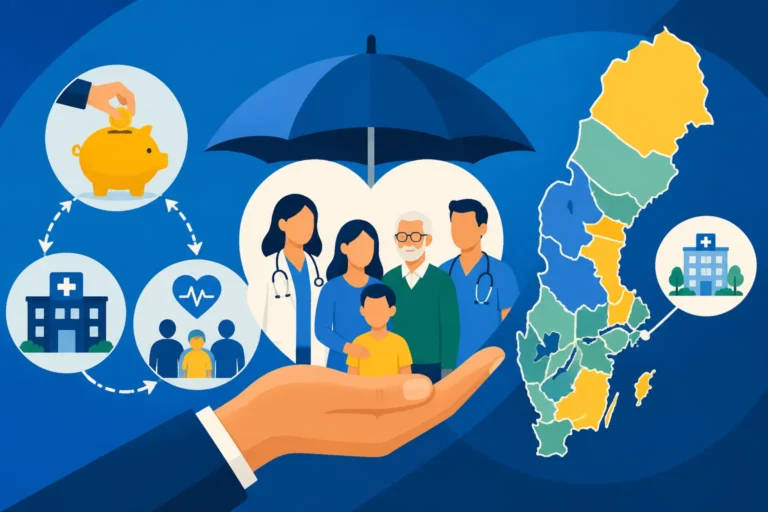
The first thing you need to understand about the Swedish system is that "free" is a relative term that largely depends on your age and the region you live in. While Sweden is famous for its social welfare, the rules for sexual health services are governed by both national mandates and regional policies. This can lead to a bit of "postal code lottery," though the national baseline is quite generous compared to many other countries.
Universal Free Care for Under 21s
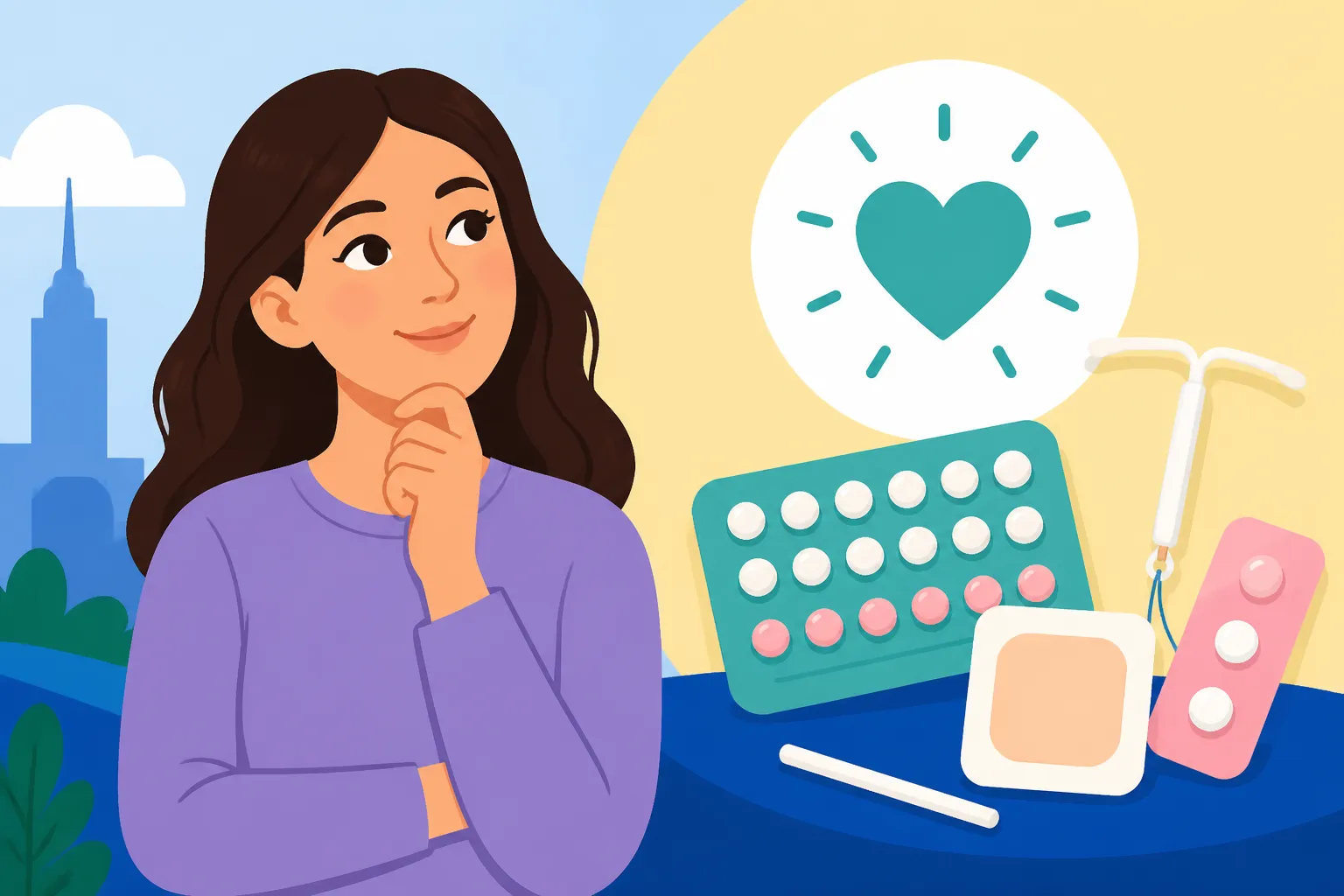
Nationally, the Swedish government has mandated that most forms of hormonal contraception—including birth control pills, hormonal IUDs, implants, patches, and vaginal rings—are completely free for anyone under the age of 21. This was a major policy shift aimed at reducing unplanned pregnancies and ensuring that financial barriers don't stand in the way of reproductive health. If you fall into this age bracket and have a Swedish personal number or are an EU citizen with an EHIC, you generally won't pay a single krona at the pharmacy for your prescription, nor will you pay for the consultation to get it.
Regional Subsidies for Young Adults Up to 25
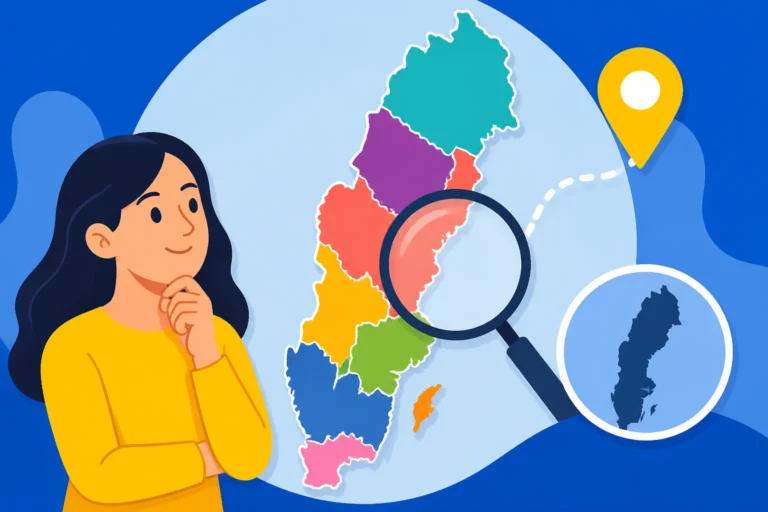
Once you turn 21, the landscape changes slightly. Most regions in Sweden, such as Region Stockholm or Västra Götaland, extend the subsidy for young adults until the day they turn 26. In these regions, you typically pay a heavily discounted flat fee—often around 100 SEK per year—for your birth control. It is important to Find Out Which Region I Belong to in Sweden because while Stockholm might offer this, a smaller region might have different age caps. Many expats get caught out by this when moving between cities for university or work.
Adult Costs and the Pharmaceutical Subsidy
For those of us over the age of 26, birth control is generally not "free," but it is subsidized. Sweden uses a system called the high-cost ceiling, or högkostnadsskydd. This means you pay the full price for your medication up to a certain limit within a 12-month period. Once you hit that limit, the state starts covering a percentage of the cost until it eventually becomes free for the remainder of that year. Even without hitting the ceiling, the prices are regulated. You might find that a three-month supply of pills costs significantly less than what you were used to paying in the US or the UK. To understand the mechanics of this, you should read about The Högkostnadsskydd Explained: Sweden's Healthcare Cost Ceiling and Frikort.
Where to Go: Finding Your Way to a Prescription
In Sweden, you don't usually see a General Practitioner (GP) for birth control. The system is built around midwives, who are highly trained specialists in reproductive health. Knowing where to book your appointment is the first step to getting your prescription sorted.
Ungdomsmottagning for the Younger Crowd
If you are under 25 (or sometimes 23, depending on the city), your first stop should be the Ungdomsmottagning, or UM. These are youth clinics specifically designed to be approachable and non-judgmental. They handle everything from testing for STIs to mental health support and, of course, birth control. You can find these in almost every town. They are usually walk-in friendly, but it is always better to check the 1177 Vårdguiden: Navigating Sweden's National Health Advice Line and Portal for local opening hours.
Barnmorskemottagning for Adults
For those over 25, the Barnmorskemottagning (BMM) or midwife clinic is the place to go. These clinics are often located within or next to a primary care center. When you are Registering with a Vårdcentral: Your Guide to Primary Care in Sweden, you can ask them to point you toward the affiliated midwife clinic. The midwives here are the ones who will perform your PAP smears, provide prenatal care, and manage your contraception. It’s a very different vibe than seeing a doctor in a sterile hospital room; it feels much more personal and conversational.
The Role of Private Health Insurance
If you are a digital nomad or waiting for your residency paperwork to clear, you might find the public system’s waiting times a bit frustrating. This is where Private Health Insurance in Sweden: When Sjukvårdsförsäkring Is Worth It comes into play. While most Swedes rely on the public system for reproductive health, some expats use international plans like Cigna Global to access private clinics for faster consultations. If you are a short-term visitor or a freelancer without a personnummer yet, a plan from SafetyWing can provide a safety net for general medical needs, though you should always check if they cover routine contraceptive consultations.
The Consultation Process: What to Expect from a Swedish Midwife
The first time I sat down with a Swedish barnmorska, I was surprised by how much time she spent talking to me. It wasn’t a five-minute "here’s your script" meeting. It was a deep dive into my health history and lifestyle.
The Role of the Barnmorska
In Sweden, midwives have the legal authority to prescribe most types of contraception. They are the gatekeepers of reproductive health. During your appointment, they will check your blood pressure—especially if you are asking for the combined pill—and discuss any family history of blood clots or heart issues. If you have complex medical needs, they might consult a doctor, but for 90% of women, the midwife is the only professional you’ll need to see.
Choosing the Right Method
Sweden is very big on "Long-Acting Reversible Contraception" (LARC), such as IUDs and implants. The midwives will often encourage these because they are more effective than the pill and, in the long run, much cheaper. If you choose an IUD, the midwife will usually perform the insertion right there at the clinic. For those who prefer the pill, they will often give you a prescription that lasts for a full year, with refills you can pick up as needed. They are also very open to discussing Sexual and Reproductive Health Services in Sweden for Newcomers in a way that respects your cultural background while providing modern medical advice.
Getting Your Digital Prescription
Sweden is almost entirely paperless. Once the midwife enters your prescription into the system, it is tied to your personnummer. You don't need a physical piece of paper. You simply walk into any Apotek (pharmacy) in the country, show your ID, and they will see your "e-recept" on their screen. If you are still waiting for your ID, you should look into How Do I Get a Swedish ID Card? as soon as possible, as it makes these transactions much smoother.
Understanding Costs and the High-Cost Ceiling
While the prescription itself might be subsidized or free, you need to account for the "patient fee" for the appointment. Sweden's healthcare is tax-funded, but not entirely free at the point of service for adults.
| Age Group | Appointment Cost (BMM/UM) | Prescription Cost |
|---|---|---|
| Under 21 | Free | Free (Standard list) |
| 21–25 | Free or ~100 SEK | Heavily Subsidized (~100 SEK/year) |
| 26+ | 0 – 300 SEK (Region dependent) | Subsidized via Högkostnadsskydd |
| Visitors (Non-EU) | Full Cost (~1200+ SEK) | Full Market Price |
For adults over 26, you will pay a fee for the visit to the midwife, which usually counts towards your annual ceiling for medical visits. This is separate from the ceiling for medications. If you are worried about the initial costs, you might find that Understanding Patient Fees Across Sweden's 21 Regions helps you budget. Also, keep in mind that not every single brand of birth control is covered by the subsidy. If you insist on a specific high-end brand name that isn't on the "subsidized list," you will have to pay the full market price.
Special Considerations for Expats and Visitors
One of the most common questions I get from newcomers is: "What if I don't have my personnummer yet?" It’s a valid concern because the Swedish system is heavily built around that 12-digit number.
Access Without a Personnummer
If you are newly arrived and still in the "waiting for Skatteverket" phase, you can still get birth control. You won't be able to use the 1177 online booking system without BankID, so you’ll have to call the clinic directly. You can see a doctor or midwife using a "reserve number" (reservnummer), which the clinic will create for you. However, without a personnummer or an EHIC, you might be charged the "non-resident" fee, which can be quite high. This is another scenario where having a plan from Cigna Global can be a lifesaver, as they can often reimburse these out-of-pocket costs.
Using International Insurance
For those here on a shorter stay, perhaps on a job seeker visa or as a tourist, Can EU Citizens Use Swedish Healthcare with an EHIC Card? is a vital read. If you have an EHIC, you are entitled to care at the same price as a Swede. If you are from outside the EU, you will likely need to rely on your travel insurance or a specialist expat plan like SafetyWing to cover any urgent reproductive health needs, though "routine" birth control is often excluded from basic travel policies. Always carry a copy of your current prescription from home; while the pharmacist can't fill it, it helps the Swedish midwife understand exactly what you need.
Managing Your Prescription and Refills
Once you have your prescription, managing it is relatively easy thanks to Sweden's digital infrastructure. You can actually How Do I Order Repeat Prescriptions Online in Sweden? once you have your BankID set up. This saves you a trip to the pharmacy and is incredibly convenient during the dark winter months when you just want to stay indoors.
Pharmacy Availability
Most pharmacies (Apotek) in Sweden are open during standard shopping hours, but if you need a refill on a weekend, you should check Do Swedish Pharmacies Open on Sundays and Public Holidays? for the nearest "Jour-apotek" (emergency pharmacy). These are usually located in city centers or near major hospitals like Karolinska.
Switching Methods
If you find that the brand prescribed in Sweden isn't agreeing with you, don't suffer in silence. The Swedish approach is very patient-centric. You can book a follow-up appointment with your midwife to discuss side effects. They are generally very willing to switch you to a different pill or method. In my experience, they are much more cautious about side effects like mood changes and skin issues than doctors in some other countries might be.
Healthcare in Sweden for Foreign Residents: The Complete System Guide (2026)
This guide is part of a larger ecosystem of information designed to help you settle into Swedish life. If you are feeling overwhelmed by the administrative side of things, remember that every expat has been where you are. From Getting Your Personnummer: The Gateway to Swedish Healthcare to eventually Becoming a Swedish Citizen: Requirements and the Application Process, the journey is long but manageable. The healthcare system, while it has its quirks and waiting times, is designed to catch you when you fall. Birth control is seen as a fundamental part of that safety net, and once you are "in the system," you’ll find it remarkably efficient.
Disclaimer
This article provides general information about accessing birth control in Sweden and does not constitute professional medical or legal advice. Healthcare regulations and costs in Sweden can change frequently. You should always consult with a qualified healthcare professional at a Vårdcentral, Barnmorskemottagning, or via 1177 Vårdguiden for advice tailored to your specific medical history and residency status. Always verify the latest regional fee structures with your local healthcare provider or Region.