Is Dental Care Free for Children in Sweden?
Walking into a Swedish dental clinic for the first time with a toddler is a nerve-wracking experience when you haven't yet mastered the bureaucratic maze. I remember gripping my daughter's hand, terrified I’d walk out with a four-figure bill I couldn't afford just because I hadn't filled out the right form. This guide clarifies exactly why you can breathe easy regarding your children's teeth in Sweden.
The Swedish Dental Care Model for Minors
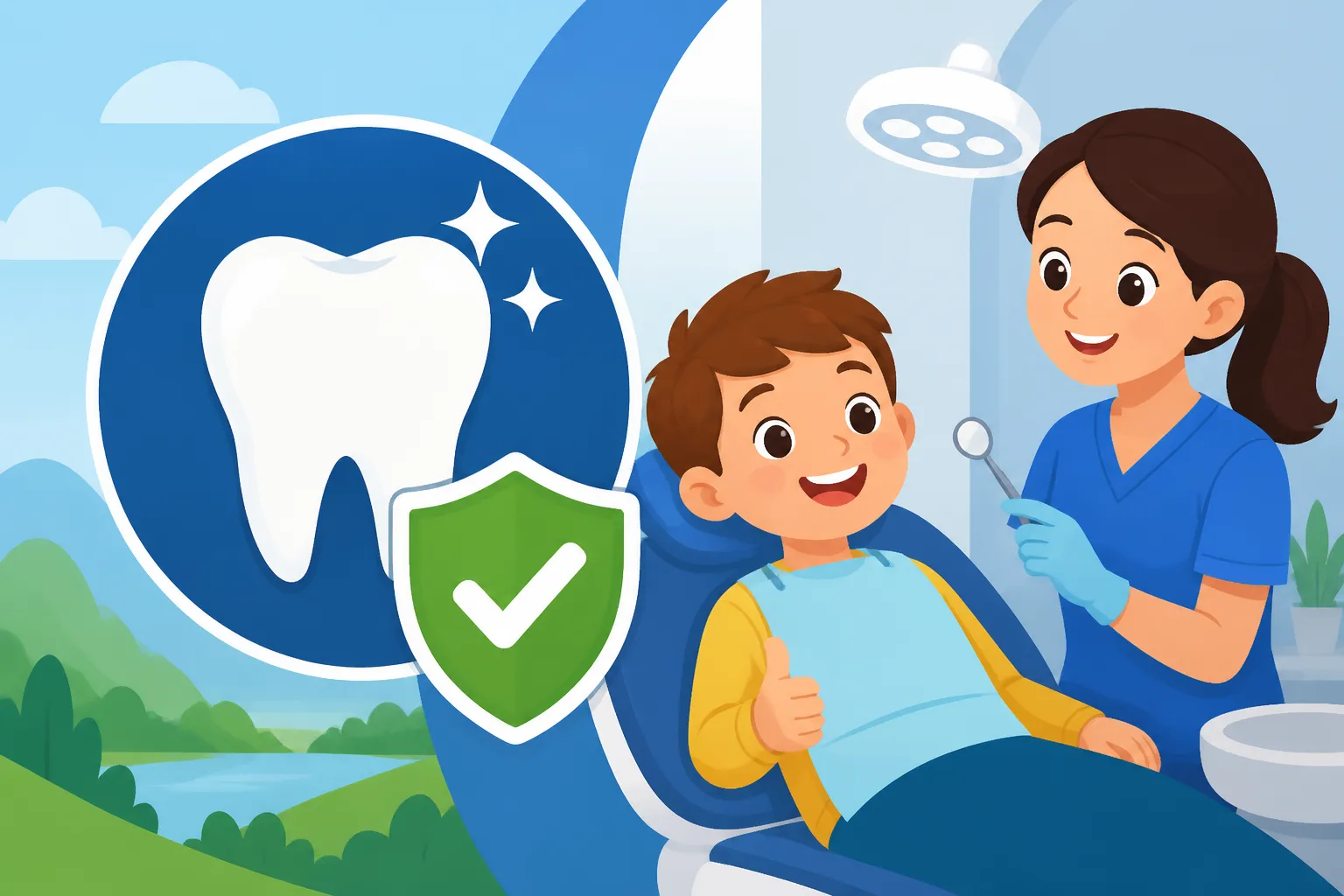
The short answer is yes, dental care is free for children in Sweden, but the definition of "child" and the scope of "free" have undergone significant changes recently. In the Swedish mindset, preventative health is a pillar of the social contract. From the moment a child gets their first tooth, the state takes an active interest in ensuring that tooth stays healthy. This is managed primarily through the regional public dental provider, Folktandvården, though private clinics also participate in the system.
Unlike the general healthcare system where you might pay a small "patientavgift" for a doctor's visit, dental care for minors is generally exempt from these fees. This covers everything from routine check-ups and cleanings to more complex procedures like root canals or extractions. The goal is to ensure that no child reaches adulthood with preventable dental issues due to their family's financial situation. This philosophy is deeply integrated into Family and Children's Healthcare in Sweden: BVC, Mödravård, and Beyond.
The 2025 Policy Shift: When the Free Ride Ends
For several years, Sweden was exceptionally generous, offering free dental care up to the age of 23. However, following recent legislative changes and regional budget adjustments, most parts of Sweden have reverted to a lower age limit. As of 2025 and 2026, dental care is generally free until the end of the year in which the individual turns 19. Starting January 1st of the year you turn 20, you enter the adult system.
This transition can be a shock for expat families with older teenagers. It is vital to understand that once a "child" turns 20, they are expected to utilize the Tandvårdsbidrag, which is a state dental subsidy, but it does not cover the full cost. If you are moving with older children, you should check the specific rules in your region, as Understanding Patient Fees (Patientavgift) Across Sweden's 21 Regions can reveal slight variations in how these transitions are managed.
What is Covered Under General Care
The scope of free care is impressively broad. It isn't just about a quick look-over once a year. The system focuses on "complete" dental care, which includes:
- Regular diagnostic examinations and X-rays.
- Preventative treatments like fluoride varnish and fissure sealants.
- Scaling and removal of plaque or tartar.
- Fillings for cavities using modern, mercury-free materials.
- Emergency treatments for accidents or sudden toothaches.
- Oral hygiene instruction and nutritional advice.
If your child chips a tooth on the playground, you would use the Emergency Medical Care in Sweden: 112, Akutmottagning, and Urgent Help protocols to find the nearest emergency dentist (Jourläkare), and for minors, this remains covered by the state.
Accessing Dental Services as an International Resident
For those of us who moved here from countries with private-pay models, the lack of a bill feels almost suspicious at first. However, the system is highly automated. Your child is typically invited to their first appointment around age three. These invitations are sent via post to the address where the child is registered in the population register (Folkbokföring).
If you have just arrived and haven't received an invitation, you don't have to wait. You can proactively contact a clinic. For families still in the "waiting phase" for their paperwork, Can I See a Doctor in Sweden Before I Get My Personnummer? is a must-read, as dental care follows similar residency-based rules.
The Personnummer Prerequisite
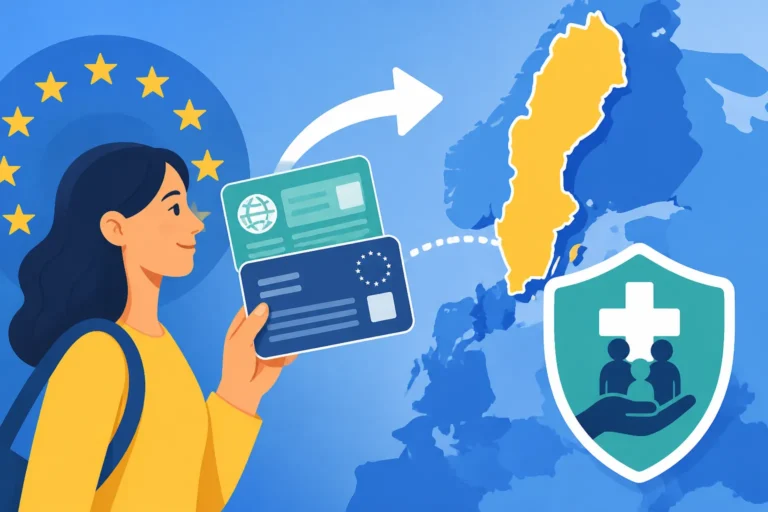
To access the fully subsidized system, your child needs a Swedish personal identity number. This is the "golden ticket" to all Swedish social services. When you are Getting Your Personnummer: The Gateway to Swedish Healthcare, your children are usually processed as part of the family application. Once the number is issued, they are automatically entered into the regional dental database.
If you are in Sweden on a shorter stay or are waiting for your permit to be processed, you might not have a personnummer yet. In these gap periods, having a plan from SafetyWing can be a lifesaver, as it provides a safety net for unexpected medical needs while you are in bureaucratic limbo. While SafetyWing is often used by digital nomads, it serves as a crucial bridge for expat families who haven't yet been fully "baked" into the Swedish social system.
Choosing Folktandvården vs. Private Dentists
You are not strictly required to use the public Folktandvården clinics. Sweden has a "Vårdval" (Choice of Care) system that extends to dentistry. You can choose a private dentist for your child, provided that the private clinic has an agreement with the region to provide subsidized care.
Many expats prefer private clinics because they sometimes offer faster appointment times or have staff more accustomed to international patients. If you choose a private clinic, the region still pays the bill for your child’s basic care. However, always confirm that the clinic is "ansluten till den regionala tandvårdsstöd" (connected to regional dental support) before the appointment. For parents who want the absolute best and perhaps want to avoid any potential regional waiting lists for specialists, a premium international policy from Cigna Global can provide additional peace of mind and access to a wider network of private specialists.
Orthodontics and Braces: Navigating the Waiting Lists
This is where the "free" aspect gets complicated. Unlike a simple filling, braces are not automatically free for every child who wants straighter teeth. In Sweden, orthodontics are covered by the state only if there is a documented "medical necessity."
The Swedish system uses a four-point scale to determine the severity of a malocclusion (misalignment). If your child falls into Category 3 or 4—meaning the misalignment could cause future health problems, speech impediments, or significant functional issues—the treatment, including the braces themselves, is 100% free.
The Aesthetic vs. Functional Divide
If the dentist determines that the need for braces is purely aesthetic (Category 1 or 2), the state will not pay. In these cases, you as a parent will have to foot the bill, which can range from 20,000 to 50,000 SEK. This is a common point of frustration for expats who come from cultures where perfect "Hollywood" teeth are the standard.
Furthermore, even if your child qualifies for free braces, the waiting lists can be several years long in cities like Stockholm or Gothenburg. I’ve known parents who moved to Sweden with a 12-year-old only to find out they wouldn't get their free braces until they were 16. If you find yourself in this situation, you might look into Private Health Insurance in Sweden: When Sjukvårdsförsäkring Is Worth It to see if private alternatives or supplemental coverage from Cigna Global could expedite the process.
Comparison Table: Public vs. Private Child Dental Care
| Feature | Folktandvården (Public) | Private Clinic (Region-Affiliated) |
|---|---|---|
| Cost for Basic Care | Free (until age 19/20) | Free (until age 19/20) |
| Emergency Care | High Availability | Varies by Clinic |
| Waiting Times | Can be long for routine visits | Generally shorter |
| Language | Swedish/English | High likelihood of English-speaking staff |
| Orthodontics | Free if medically necessary | Free if medically necessary |
| Registration | Often automatic by mail | Must contact and register manually |
Practical Advice for Newcomers
If you have recently arrived, the first thing you should do after Registering with a Vårdcentral: Your Guide to Primary Care in Sweden is to find a local dentist. Don't wait for the invitation letter. Call your local Folktandvården and ask to be put on their list.
If your child was mid-treatment in your home country, bring all dental records, X-rays, and treatment plans with you. Swedish dentists are generally very pragmatic, but they need to see the history to continue care. Be prepared for a different philosophy; Swedish dentists are much less likely to recommend aggressive treatments or frequent X-rays than dentists in the US or UK. They focus heavily on the "wait and see" approach, prioritizing natural tooth preservation.
Managing the Gap Periods
For many of us, the time between landing and getting that personnummer can take months. How Long Does It Take to Get a Personnummer After Moving to Sweden? is a question with a shifting answer, often ranging from 4 to 18 weeks. During this time, your child is technically not covered for non-emergency dental care.
This is why we often suggest SafetyWing for the initial transition phase. It’s an affordable way to ensure that if a dental emergency happens before your Swedish ID card arrives, you aren't paying out of pocket. Once you are settled and perhaps looking for more comprehensive, long-term options that include premium dental benefits not covered by the state (like aesthetic braces), Cigna Global is a robust choice for the expat community.
Finally, make sure you use the 1177 Vårdguiden: Navigating Sweden's National Health Advice Line and Portal. You can log in with BankID (once you have it) to see your child's dental records, book appointments, and even message their dentist directly. It’s the digital backbone of the system and makes managing your family's oral health significantly easier.
Disclaimer
This guide is for informational purposes only and reflects the dental care system in Sweden as of 2026. Healthcare regulations and age limits for free dental care are subject to change by regional authorities. Always consult with a qualified dental professional or contact 1177 Vårdguiden for specific medical advice and the most current fee structures in your specific region.