Family and Children’s Healthcare in Sweden: BVC, Mödravård, and Beyond
Navigating a new healthcare system while pregnant or clutching a feverish toddler is one of the most stressful experiences you can face as an expat. I remember standing in the snow outside a locked clinic with my crying two-year-old, realizing I didn't even know the difference between a GP and a pediatric specialist in this country. This guide provides the clarity you need to master Sweden’s family-focused medical landscape.
Understanding the Swedish Family Healthcare Philosophy
The Swedish approach to family health is rooted in the belief that every child deserves an equal start in life, regardless of their parents' income or background. This results in a system that is heavily subsidized, highly regulated, and deeply focused on prevention rather than just reaction. When you first enter this system, it can feel surprisingly hands-off compared to the more interventionist medical cultures in the US or parts of Asia, but there is a robust logic behind it.
Preventative Care as a Foundation
In Sweden, the focus is on keeping the population healthy through consistent monitoring and lifestyle guidance. From the moment a pregnancy is confirmed, the system kicks into a high-gear preventative mode. You aren't just seeing a doctor when something is wrong; you are entering a cycle of wellness checks designed to catch developmental or health issues before they become crises. For children, this means a rigorous schedule of growth monitoring, vaccinations, and cognitive assessments that are standard for every child in the country.
When I first arrived, I was confused by the lack of "wellness visits" with a traditional pediatrician. In Sweden, you don't typically see a pediatrician for routine check-ups. Instead, you interact with highly specialized nurses who are experts in child development. This can be jarring if you are used to a system where an MD handles every cough, but these nurses are the backbone of the system. They have the time and the specialized training to discuss everything from breastfeeding techniques to the psychological impact of starting preschool.
Decentralization: Regions and Local Clinics
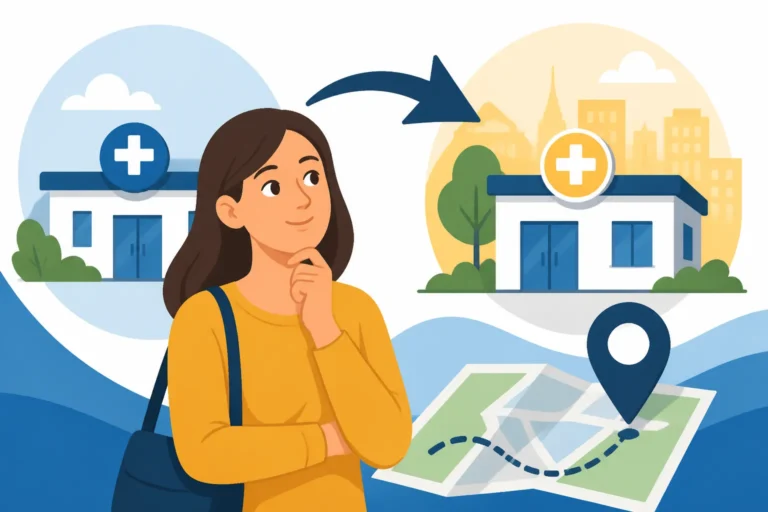
Sweden is divided into 21 regions, and each region is responsible for providing healthcare to its residents. This means that while there are national guidelines, the way you access care in Stockholm might slightly differ from how you access it in Kiruna. For families, this means your primary point of contact will always be a local clinic. You won't find yourself driving across the city to a giant hospital for a routine vaccination; instead, you’ll head to your neighborhood center.
Understanding How Sweden's Tax-Funded Healthcare Works: Regions, Costs, and Coverage is vital because your "home base" for health is determined by where you live. This decentralization is meant to make care accessible, but it does require you to be proactive about registering with your local providers as soon as you move. Many expats wait until their child is sick to find a clinic, only to find the registration process takes a few days they don't have during an emergency.
The Role of the Personnummer in Family Health
Everything in the Swedish healthcare system revolves around the personal identity number, or personnummer. Without this, accessing non-emergency care for your family becomes significantly more complicated. The personnummer links your medical records, your prescriptions, and your appointments across different clinics and regions. It is the "key" to the digital health portal, 1177.se, where you will manage most of your family’s medical needs.
If you are a new arrival and still waiting for your ID number, don't panic. You can still receive care, but you may be issued a "reserve number" or samordningsnummer. However, for the full, seamless experience—including the ability to book appointments for your kids online—Getting Your Personnummer: The Gateway to Swedish Healthcare should be your absolute first priority upon landing. Until that number is secured, many families find that carrying a policy like SafetyWing can provide a necessary safety net for those "in-between" months when you aren't yet fully integrated into the regional population register.
Maternity Care: Mödravårdscentralen (MVC)
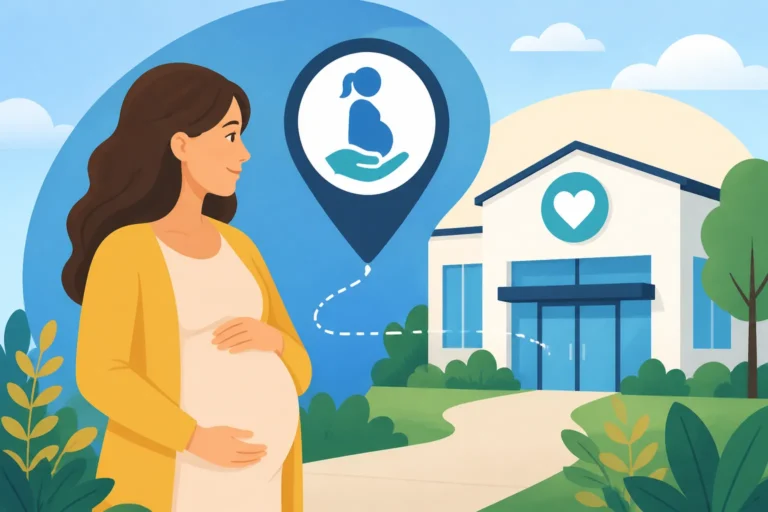
If you are expecting a baby in Sweden, your journey begins at the Mödravårdscentralen, commonly referred to as the MVC or barnmorskemottagning. This is a dedicated clinic for expectant mothers, and it is a world away from the sterile, high-pressure OBGYN environments found in many other countries. In Sweden, pregnancy is treated as a natural life event rather than a medical condition, and the primary caregiver is almost always a midwife (barnmorska).
Your First Appointment with a Midwife
Your first visit to the MVC usually happens around week 8 to 12 of pregnancy. This is often an "inskrift" or enrollment appointment. During this session, the midwife will take a detailed health history, perform basic blood tests to check your iron and sugar levels, and discuss lifestyle choices like diet, exercise, and alcohol consumption. It is a long appointment, and it’s your chance to ask all those burning questions about Maternity Care in Sweden: Mödravård, Midwives, and Giving Birth.
I found my first midwife appointment surprisingly intimate. There was a lot of talking and very little "medicalizing." You won't typically get an ultrasound at this first visit, which can be a disappointment for some, but you will establish a relationship with the person who will be your primary guide for the next nine months. In most cases, you will see the same midwife throughout your entire pregnancy, providing a level of continuity that is incredibly comforting for an expat navigating a foreign system.
Standard Check-ups and Ultrasounds
The schedule of appointments in Sweden is standardized but can feel sparse to those from more intervention-heavy countries. Generally, a healthy, low-risk pregnancy involves about 8 to 10 visits to the midwife. These visits include measuring your "SF-measure" (the growth of your uterus), listening to the baby's heartbeat, and checking your blood pressure. If everything is progressing normally, you may never see an actual doctor during your entire pregnancy.
Ultrasounds are typically offered twice: a dating/nuclal translucency scan around week 12-14 (depending on the region and your age) and a routine anatomy scan around week 18-20. If you want more frequent scans, you often have to seek out Private Clinics in Sweden: Faster Specialist Access Outside the Public System, as the public system only provides what is medically necessary. This "less is more" approach can be stressful if you're a worrier, but the midwives are incredibly skilled at spotting signs that a pregnancy might need a higher level of medical intervention.
Choosing Where to Give Birth
In Sweden, you generally have a choice of which hospital you want to give birth in, provided there is space. This is part of the "Vårdval" or choice of care system. During the later stages of your pregnancy, your midwife will help you write a "birth plan" and discuss the different maternity wards (förlossningsavdelning) in your region. In larger cities like Stockholm or Gothenburg, you might even be able to choose a specific birthing center that aligns with your preferences, such as a more "home-like" environment.
However, it’s important to stay realistic. If a hospital is full when you go into labor, you might be redirected to another facility. This is a common point of frustration for expats, but the quality of care is remarkably consistent across all Swedish hospitals. Every delivery room is equipped with the latest technology, and pain management options—from nitrous oxide (laughing gas) to epidurals—are readily available and fully covered by the state. You can read more about what to expect on the big day in our guide on Where Do I Go for Antenatal Care When Pregnant in Sweden?.
| Feature | Mödravårdscentralen (MVC) | Barnavårdscentralen (BVC) |
|---|---|---|
| Primary Focus | Prenatal care and mother's health | Child health and development (0-6 years) |
| Primary Caretaker | Midwife (Barnmorska) | Specialized Pediatric Nurse |
| Key Services | Blood tests, ultrasounds, birth planning | Vaccinations, growth checks, parenting groups |
| Frequency | Monthly, then bi-weekly near birth | Frequent in year 1, then annually |
| Cost | Free for residents | Free for all children |
Child Healthcare: Barnavårdscentralen (BVC)
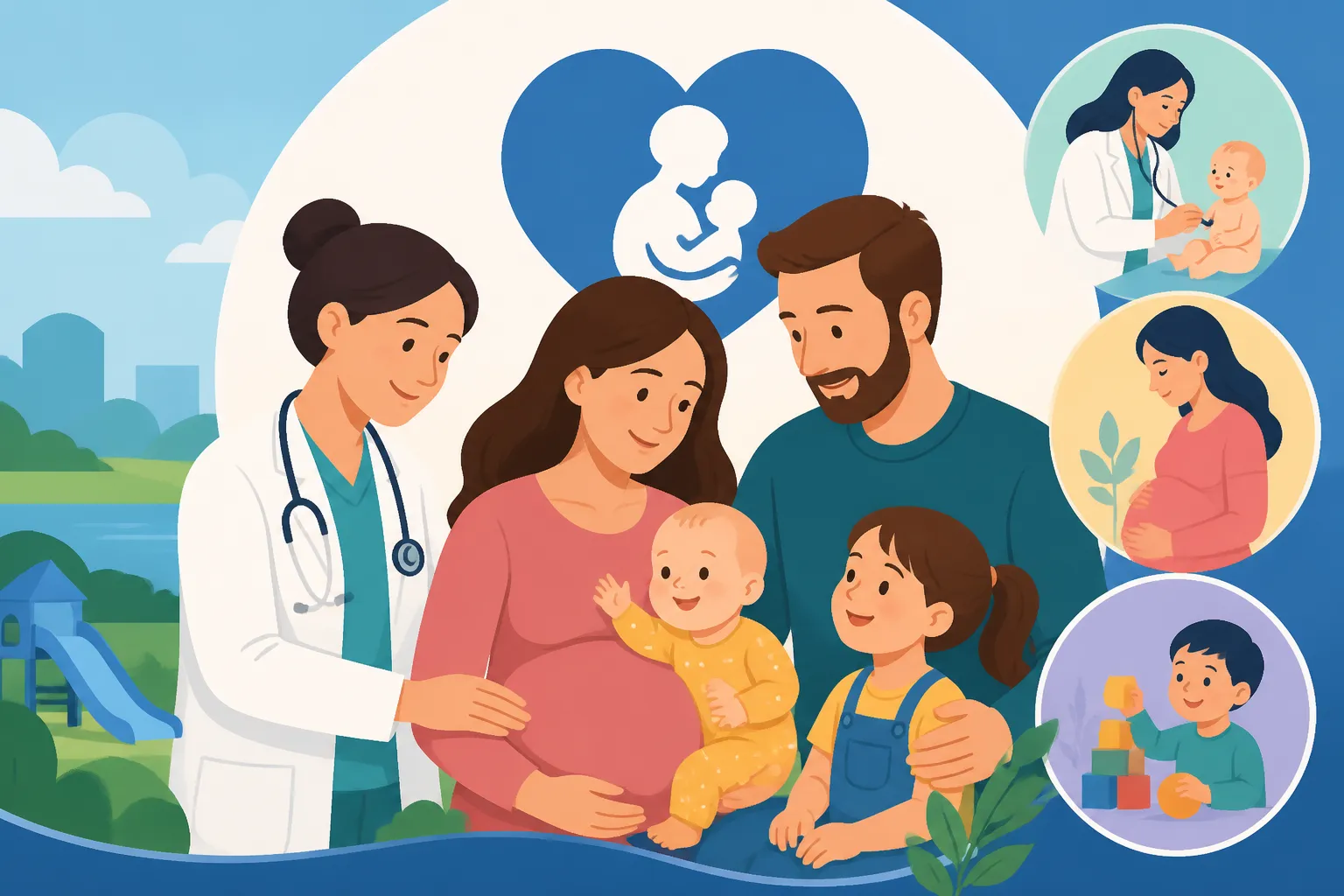
Once you bring your baby home, your care shifts from the MVC to the Barnavårdscentralen (BVC). This is the hub for everything related to your child's health from birth until they start school at age six. The BVC is where you will spend a lot of time in your first few years as a parent in Sweden, and it is arguably one of the best parts of the Swedish social safety net.
Registration and the First Home Visit
You don't usually need to worry about "finding" a BVC; the hospital where you give birth will often notify the BVC closest to your home. Within a few days of leaving the hospital, a nurse from your local BVC will call you to schedule a home visit. This was one of my favorite parts of the experience. A nurse actually comes to your house, weighs the baby on a portable scale, checks how breastfeeding or bottle-feeding is going, and generally makes sure you aren't drowning in the "new parent" fog.
This home visit is the perfect time to ask about How do I Register a Newborn for Healthcare in Sweden?. The nurse will provide you with a "Health Book" (usually a small physical book or a digital link) where all your child's measurements and vaccinations will be recorded. This book is your child's medical passport until they start school, and it’s essential to bring it to every appointment. If you've moved to Sweden with an older child under six, you should proactively contact the nearest Registering with a Vårdcentral: Your Guide to Primary Care in Sweden to get them enrolled in the BVC system.
The Vaccination Schedule and Growth Checks
The BVC follows a very strict national program for vaccinations and developmental checks. In the first year, you will visit the BVC almost every month. The nurse will track your child's weight, length, and head circumference, plotting them on a "growth curve" that is famously Swedish. They will also check developmental milestones: when the baby starts to smile, roll over, sit up, and eventually walk.
The Swedish vaccination program is comprehensive and covers all the standard childhood illnesses. It is entirely voluntary, but the vast majority of parents participate. Vaccinations are usually administered at 3 months, 5 months, and 12 months, with boosters later on. If you are coming from abroad, the BVC nurse will review your child's previous records to see if they need any "catch-up" doses. You can find the full list in Vaccinations in Sweden: The National Childhood Immunisation Schedule. For expat families who travel frequently, it’s worth noting that international plans like Cigna Global can sometimes cover additional vaccinations not included in the standard Swedish schedule, such as those needed for travel to tropical regions.
Parental Support and Parent Groups
One of the unique features of the BVC is its focus on the parents' well-being. They recognize that a healthy child requires a healthy, supported parent. To this end, BVCs organize "Parent Groups" (föräldragrupper). These groups bring together parents whose babies were born around the same time and in the same neighborhood. It is the primary way many expats make their first Swedish friends.
In these groups, the nurse facilitates discussions on topics like sleep training, introducing solid foods, and even the strain a new baby can put on a relationship. It's an incredibly empathetic environment. If the nurse notices you are struggling—perhaps with signs of postpartum depression—they can provide a direct referral to a psychologist specifically trained in maternal and paternal mental health. This integrated approach is a lifesaver for those who don't have a local family network to lean on.
Costs and Coverage for Families
For many foreigners, the most shocking part of the Swedish healthcare system is the bill—or rather, the lack of one. Sweden operates on a tax-funded model, which means that most services for children are completely free, and costs for adults are capped at a very low level.
Is Healthcare Really Free for Children?
The short answer is yes. Until a child turns 20 (or 18 in some regions, though 20 is becoming the national standard), almost all healthcare is free. This includes visits to the GP, specialist appointments, emergency room visits, and even most dental care. You won't receive a bill after your child has their tonsils removed or spends a night in the hospital for observation. This is a massive weight off the shoulders of any parent.
Prescription medications for children are also largely free. When a doctor issues an electronic prescription (e-recept), you simply go to any Pharmacies and Prescriptions in Sweden: The Apotek System for Newcomers, show your ID (or your child's ID/personnummer), and collect the medicine. There are no co-pays for pediatric prescriptions. This level of support ensures that a child's health is never compromised by a family's financial situation.
Understanding Dental Care for Kids
Dental care is another area where Sweden shines for families. Children and young adults are entitled to free dental care through the public provider, Folktandvården, or through private dentists who have agreements with the region. This coverage typically lasts until the end of the year the person turns 23. It covers everything from routine check-ups and cleanings to fillings and even orthodontics (braces), provided there is a documented medical need.
I was amazed when my eldest was offered free braces. In many countries, that’s a $5,000 expense. In Sweden, if the dentist determines the teeth alignment will cause future health problems, the region picks up the tab. However, be aware that Dental Care in Sweden: Folktandvården, Costs, and the Tandvårdsbidrag works on a queue system. Once your child is of age (usually starting at 3 years old), they will be automatically invited for their first "check-up" visit, provided they are registered in the population register.
The High-Cost Protection (Högkostnadsskydd)
While children's care is free, parents do have to pay small "patient fees" (patientavgift) for their own care. These fees are usually around 200 to 400 SEK per visit. However, no one in Sweden has to pay thousands of crowns a year for healthcare. The Högkostnadsskydd Explained: Sweden's Healthcare Cost Ceiling and Frikort acts as a safety net. Once you have spent a certain amount (currently around 1,400 SEK) on healthcare visits within a 12-month period, you receive a "Free Card" (frikort), and all subsequent visits for the rest of that year are free.
A similar system exists for adult prescriptions. The cost of medicine is capped, and as you spend more, the percentage you pay out-of-pocket decreases until you hit the maximum ceiling (around 2,850 SEK). This ensures that even for parents managing chronic conditions, the financial burden remains manageable. For those who want to avoid these small fees altogether or want a higher level of comfort (like a private room in a hospital), Private Health Insurance in Sweden: When Sjukvårdsförsäkring Is Worth It is an option worth exploring.
Navigating Common Illnesses and School-Aged Health
As your children grow and enter the school system, their healthcare needs shift. You move away from the frequent BVC visits and into a system that is integrated with their education and your workplace rights.
School Health Services (Elevhälsan)
Once your child starts Förskoleklass (around age 6), their primary preventative care moves from the BVC to the Elevhälsan (School Health Service). Every school in Sweden is required to have access to a school nurse and a school doctor. They take over the vaccination schedule (administering boosters for measles, mumps, rubella, etc.) and perform vision and hearing screenings.
The school nurse is a fantastic resource. They are often the first to notice if a child is struggling with learning disabilities, ADHD, or emotional issues. They work closely with teachers and parents to ensure the child is supported. If your child gets a minor scrape at school or feels unwell, the school nurse is there. For more serious issues, they will refer you back to your local Vårdcentral or a specialist.
Managing VAB (Vård av Barn)
One of the most important Swedish acronyms for parents to learn is VAB. It stands for Vård av Barn (Care of Child). In Sweden, if your child is sick and cannot go to school or preschool, you have a legal right to stay home and care for them while receiving about 80% of your salary from the state. This is funded through Försäkringskassan, the Swedish Social Insurance Agency.
The process is remarkably simple: you "VAB" by notifying your employer and then logging into the Försäkringskassan website or app to claim your "vab-ersättning." For the first seven days of a child's illness, you don't even need a doctor's note. This policy is a cornerstone of Swedish family life and is why you’ll see so many parents out with strollers in the middle of a Tuesday. To access this benefit, you must be Registering with Försäkringskassan: When and Why You Need To as soon as you start working.
Accessing Specialized Pediatric Care
If your child has a condition that requires more than a GP can provide—such as chronic asthma, severe allergies, or developmental delays—you will enter the referral (remiss) system. In Sweden, you generally cannot just book an appointment with a specialist; you must be referred by a doctor at your Vårdcentral or by a BVC nurse.
This can feel like a bottleneck, especially if you are used to direct access. However, the How the Referral (Remiss) System Works for Seeing a Specialist in Sweden is designed to ensure that those with the most urgent needs are seen first. For non-urgent issues, there can be waiting times. This is where many expats choose to supplement with Private Health Insurance in Sweden: When Sjukvårdsförsäkring Is Worth It, which can often bypass these wait times and get your child seen by a specialist within days rather than weeks.
Mental Health and Wellness for Parents and Children
The dark Swedish winters and the isolation of being an expat can take a toll on a family’s mental health. Fortunately, Sweden has a very robust, albeit sometimes overwhelmed, mental health support system for both parents and children.
Postnatal Depression Support
Sweden takes postpartum mental health very seriously. At the MVC and BVC, screening for postnatal depression is a standard part of the protocol. Nurses use the Edinburgh Postnatal Depression Scale (EPDS) to check in on how new mothers (and increasingly, fathers) are coping. If you are struggling, the help is immediate and often integrated into the same clinic where you take your baby for check-ups.
They offer "Mamma-pappa-barn" (Mom-Dad-Baby) support sessions and can provide referrals to specialized psychologists. Because this is part of the public system, it is free or very low cost. I’ve found that the Swedish system is much more proactive about this than many others; they don't wait for you to ask for help—they look for the signs and offer it first.
BUP: Mental Health Services for Children and Youth
For children and teenagers experiencing mental health challenges—ranging from anxiety and depression to neurodivergent assessments (like Autism or ADHD)—the primary resource is Barn- och ungdomspsykiatrin, known as BUP. Access to BUP usually happens through a referral from the school nurse or a GP at your Vårdcentral.
BUP is an incredible resource, but it is notorious for long waiting times for non-acute issues. If your child is in a crisis, there are emergency BUP clinics that you can go to directly. For routine assessments, however, the wait can be several months. This is a common pain point for families. Some find that using an international plan like Cigna Global allows them to access private child psychologists more quickly while they wait for the public system to catch up. For more details on the process, check out Mental Health Support in Sweden: Psychologists, Therapy, and Referrals.
Youth Clinics (Ungdomsmottagning)
As children become teenagers, they have access to Ungdomsmottagning (UM). These are clinics specifically for young people, usually between the ages of 13 and 25. They offer a safe, confidential space where teens can talk about anything from sexual health and contraception to body image and stress.
UM is free and often staffed by midwives, social workers, and doctors who specialize in adolescent health. It’s a brilliant way to empower young people to take charge of their own health in a non-judgmental environment. You can read more about these services in What Is an Ungdomsmottagning and Who Can Use It?.
Practical Tips for New Arrival Families
When you first land in Sweden, the sheer volume of new information can be overwhelming. Here are some "boots-on-the-ground" tips to help you navigate the first few months.
Navigating the 1177 Hotline with Kids
If your child wakes up with a high fever at 2:00 AM, your first move should be to call 1177. This is the national healthcare advice line, and it is available 24/7. When you call, you’ll speak to a registered nurse who can evaluate your child’s symptoms over the phone and tell you whether you should wait until morning, go to a local "Närakut" (urgent care), or head straight to the "Akutmottagning" (ER).
The 1177 nurses are famously calm and follow standardized medical protocols. If you don't speak Swedish yet, you can ask to speak in English—almost all the nurses are fluent. This service is a lifesaver for expats. For more on how to use this portal, see 1177 Vårdguiden: Navigating Sweden's National Health Advice Line and Portal.
Preparing for Your First Appointment
When you go to your first BVC or MVC appointment, bring your passport and any residency permit cards. If you have medical records or vaccination history from your home country, bring a translated copy if possible. The Swedish system is digital, but they have to manually enter data from foreign systems.
Expect a lot of questions about your family’s general health. In Sweden, doctors and nurses tend to take a holistic view. They aren't just interested in the "problem" you came in for; they want to know how the whole family is settling in. This can feel a bit intrusive at first, but it's part of their comprehensive care model.
Dealing with Language Barriers in Clinics
While almost everyone in the Swedish healthcare system speaks excellent English, you have a legal right to an interpreter if you feel your Swedish isn't strong enough to discuss complex medical issues. This service is free, but you must request it when you book the appointment.
For children, this is especially important. You want to be 100% sure you understand the instructions for a medication or a developmental assessment. Don't be "too polite" to ask for an interpreter. The staff would much rather have a clear, three-way conversation through a professional than struggle with a language barrier. You can find more advice on this in How Do I Get Care If I Don't Speak Swedish Yet?.
The Role of Private Insurance for Families
While the public system is world-class, many expat families choose to have a private insurance policy as a "buffer." This isn't meant to replace the public system—nothing can truly replace the Swedish public hospital network—but it adds a layer of speed and convenience.
When Public Care Isn't Enough
The primary reason to consider private insurance in Sweden is the "Vårdgaranti" (Care Guarantee). While the law says you shouldn't have to wait more than 90 days for a specialist, in practice, these times can be pushed to the limit for non-emergency pediatric issues. If your child needs a minor surgery or a specialist consultation for a non-life-threatening condition, a private policy can often get you an appointment within a week.
Private clinics in Sweden are often smaller, more modern, and offer more amenities. If you have Private Health Insurance in Sweden: When Sjukvårdsförsäkring Is Worth It, you can often bypass the GP referral process for certain things and go straight to a specialist. This is particularly popular for dermatological issues or minor orthopedic concerns.
Evaluating International Health Insurance Options
For "global citizens" who move between countries, a local Swedish private policy might not be enough. This is where companies like Cigna Global come in. These plans provide comprehensive coverage that follows you if you travel or move again. They often include "wellness" benefits that are more extensive than the Swedish public system, such as more frequent dental cleanings or higher-end maternity suites.
On the other end of the spectrum, SafetyWing offers a more flexible, subscription-based model that is perfect for families who are in the "nomad" phase or who are waiting for their personnummer to be processed. It provides the essential emergency coverage you need to sleep soundly while you wait for your Swedish ID card to arrive.
Final Checklist for Foreign Families
To summarize, here is your "survival list" for managing your family's health in Sweden:
- Register for your Personnummer: Do this the day you arrive.
- Contact your local Vårdcentral: Find the one closest to your home and register yourself and your children.
- Enroll in the BVC: If you have children under 6, call the BVC to set up an introductory appointment.
- Register with Försäkringskassan: This is essential for receiving "VAB" pay and child allowance.
- Bookmark 1177.se: Get your BankID set up so you can log in and see your family’s medical records.
- Secure "Gap" Insurance: Use a service like SafetyWing to cover your family while you wait for full Swedish residency benefits.
Living in Sweden with children is a unique experience. Once you get past the initial hurdle of the paperwork and the slightly different "philosophy" of care, you realize that you are part of a system that truly values your family's health and happiness. It’s not about just fixing problems; it’s about building a foundation for a healthy life.
Disclaimer
This guide is intended for informational purposes only and is based on personal experience and general knowledge of the Swedish healthcare system as of 2026. Healthcare regulations, costs, and procedures can change and may vary by region. Always consult with a qualified medical professional or the official 1177.se portal for specific health advice or current administrative requirements. This content does not constitute legal or professional medical advice.