Private Clinics in Sweden: Faster Specialist Access Outside the Public System
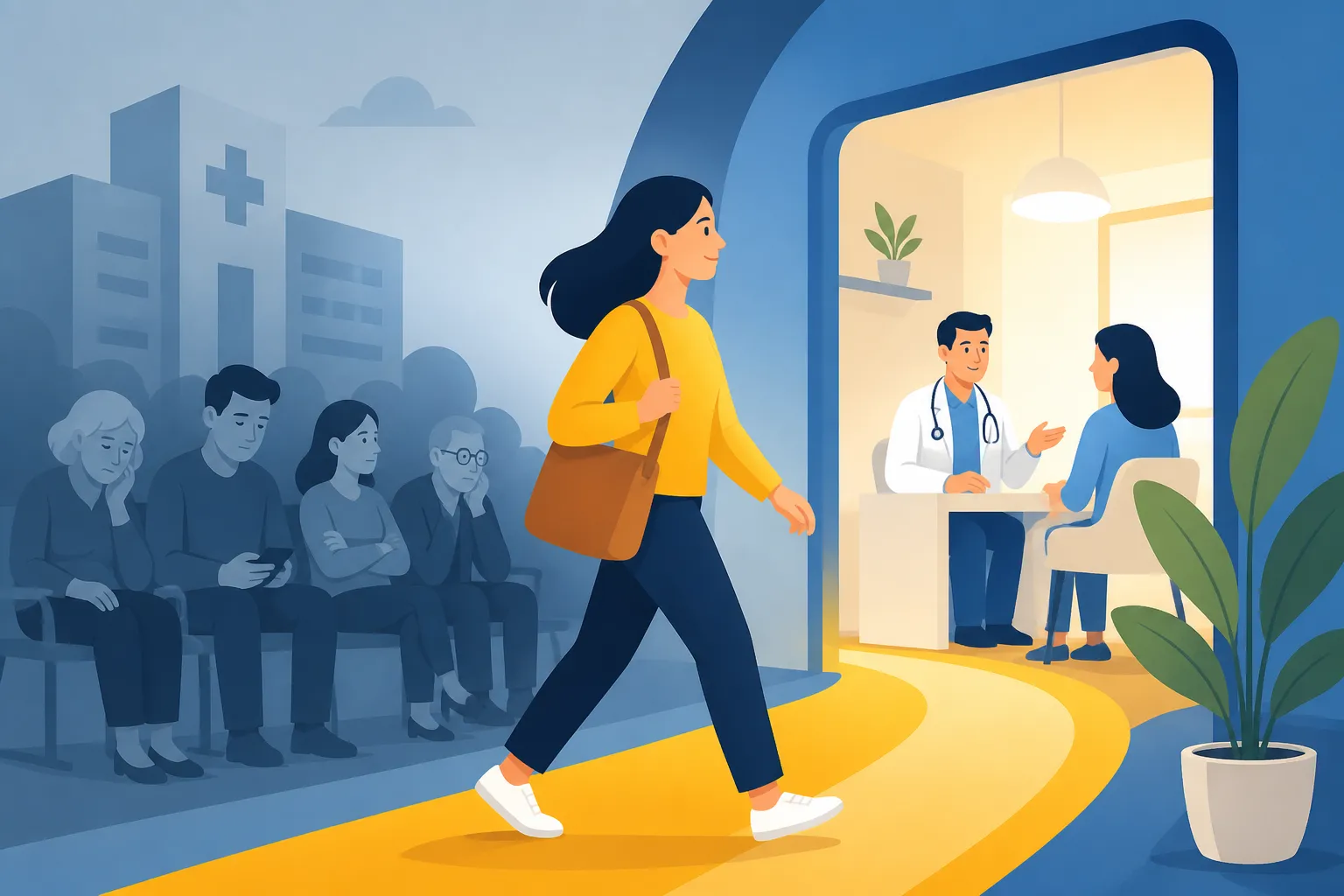
Waiting for a specialist appointment in Sweden can often feel like waiting for the first day of spring—long, agonizing, and seemingly unpredictable. I remember waiting nearly eight months just to have a persistent skin condition looked at by a dermatologist, only to be told the public queue was still growing. This guide explains how private clinics provide an essential shortcut to specialist care and faster medical results.
Understanding the Swedish Private Healthcare Landscape
When you first arrive in Sweden, the concept of private healthcare can be incredibly confusing because the line between "public" and "private" is often blurred. In many countries, a private clinic is entirely separate from the state system, but in Sweden, many private providers are actually integrated into the public healthcare choice system known as Vårdval. This means you might visit a private clinic but only pay the standard public fee because the region is footing the rest of the bill. However, when we talk about "Faster Specialist Access," we are specifically referring to the purely private track where you either pay out-of-pocket or use private insurance.
Publicly Funded Private Care vs. Purely Private Care
The majority of private clinics you see on the street are actually contracted by the regional government. This is an important distinction to make when you are looking for Healthcare in Sweden for Foreign Residents: The Complete System Guide (2027). If you choose a private clinic that has a "vårdavtal" (care agreement) with the region, you are still bound by the same waiting lists and referral requirements as the public hospitals. You will pay the standard patient fee, and your costs will count toward your high-cost protection ceiling.
Purely private care, on the other hand, operates entirely outside this regional framework. These clinics do not accept the state-subsidized patient fee. Instead, they charge the full market rate for a consultation, which can range from 1,500 SEK to 3,000 SEK or more. The "win" here is speed. Because they aren't bogged down by the massive volume of the public system, they can often see you within days rather than months. If you are struggling with the system, you might ask yourself, Can I See a Doctor in Sweden Before I Get My Personnummer? In the private sector, the answer is almost always yes, provided you can pay.
The Rise of Private Sjukvårdsförsäkring
In recent years, more and more expats and Swedes alike have turned to private health insurance, known as Sjukvårdsförsäkring. This is often provided as a job benefit, but it can also be purchased individually. This insurance is the golden ticket to the private clinics we are discussing. When you have this coverage, you don't call your local health center; you call your insurance provider’s "care planning" desk. They then book you into a private specialist at a clinic they have a contract with, often guaranteeing an appointment within 7 days.
For those who are moving to Sweden and don't have a job that provides this yet, or for digital nomads, international options like SafetyWing can provide a bridge of coverage. Many expats use these international plans to access private specialists in Stockholm and Gothenburg when the local Vårdcentral was simply too slow to respond to their needs.
The Remiss Barrier: Why Private Clinics Are the Ultimate Shortcut
The biggest frustration for foreigners in the Swedish system is the "Remiss" or referral. In the public system, you generally cannot just decide to see a cardiologist or an orthopaedic surgeon. You must first see a General Practitioner (GP) at your local Vårdcentral. If the GP agrees that you need specialist care, they will write a referral. This is the bottleneck where many people get stuck. Understanding How the Referral (Remiss) System Works for Seeing a Specialist in Sweden is crucial because, in the public sector, the GP acts as a gatekeeper.
Bypassing the Gatekeeper
At a purely private clinic, you can often bypass the GP referral entirely. If you have a knee injury and you know you need to see an orthopaedic specialist, you can simply call a private specialist clinic and book an appointment. You are paying for the privilege of skipping the "gatekeeper" phase. This is particularly valuable if you feel your GP is not taking your symptoms seriously or if you want a second opinion from a top-tier specialist without waiting months for the "system" to approve it.
Every time, I was told to try a salt-water rinse. Eventually, I walked into a private clinic in central Stockholm, paid for the consultation myself, and was diagnosed with a deviated septum within twenty minutes. The relief was worth every krona. This is why many expats eventually decide that Finding a Doctor in Sweden: GPs, Specialists, and the Referral System is easier if you look toward the private sector for specific, non-emergency issues.
Speed of Diagnostics and Imaging
It isn't just the consultation that is faster in private clinics; it’s the diagnostics. In the public system, after you finally see a specialist, you might wait another several weeks or months for an MRI, CT scan, or specific blood tests. Private clinics often have their own diagnostic equipment or "fast-track" agreements with private imaging centers. When you are paying for private care, the time between the initial consultation, the scan, and the follow-up results is compressed from months into days.
This speed is a massive factor for anyone whose career or quality of life depends on a quick recovery. If you are an athlete, a freelancer who can't work while injured, or a parent struggling to keep up with kids due to a medical issue, the public waiting times can be financially and emotionally devastating. While The Vårdgaranti: Your Right to Timely Care in Sweden theoretically guarantees care within 90 days, the reality on the ground—especially in major cities—often falls short of this promise.
Financials and Private Insurance: What Does It Actually Cost?
The cost of private care in Sweden is high compared to the subsidized public fees, but it is often lower than private healthcare costs in the United States or Switzerland. If you are paying entirely out-of-pocket, you should expect to pay a premium for the speed and convenience.
Comparing Costs: Public vs. Private
| Service Type | Public System Cost (Approx.) | Private Clinic Cost (Self-Pay) |
|---|---|---|
| General Consultation | 200 – 300 SEK | 1,200 – 2,500 SEK |
| Specialist Consultation | 350 – 400 SEK | 2,000 – 4,500 SEK |
| MRI / Advanced Imaging | Subsidized (Part of Fee) | 4,000 – 8,000 SEK |
| Minor Surgery | Subsidized (Part of Fee) | 15,000 – 50,000+ SEK |
| High-Cost Protection | Applies (Max ~1,400 SEK/year) | Does Not Apply |
It is important to remember that when you go purely private, Understanding Patient Fees (Patientavgift) Across Sweden's 21 Regions does not apply. You are in a different financial ecosystem. Your payments will not count toward your "Frikort" (free card). Therefore, you should always ask for a clear price list before committing to any procedure at a private clinic.
The Role of International and Local Insurance
If the out-of-pocket costs look daunting, this is where insurance becomes vital. Many expats choose to maintain international health insurance from providers like Cigna Global. These plans are designed for people who want the flexibility to choose their doctor and avoid the queues of a nationalized system. Having such a plan means you can essentially ignore the public waiting lists and head straight to the best private facilities in the country.
For those settled in Sweden long-term, local private insurance (Sjukvårdsförsäkring) is the more common route. However, be aware that these local plans often have "pre-existing condition" exclusions. If you already have a back problem, a new Swedish private insurance policy might not cover treatment for it. This is a common pitfall that catches many newcomers off guard. If you are considering this, read up on Private Health Insurance in Sweden: When Sjukvårdsförsäkring Is Worth It to see if the investment aligns with your specific health history.
How to Access and Book Private Specialist Care
The logistics of booking a private appointment are significantly different from the public 1177 system. While Booking Doctor Appointments Online Through 1177.se with BankID is the standard for public care, private clinics often have their own proprietary booking portals or require a phone call.
The Search and Selection Process
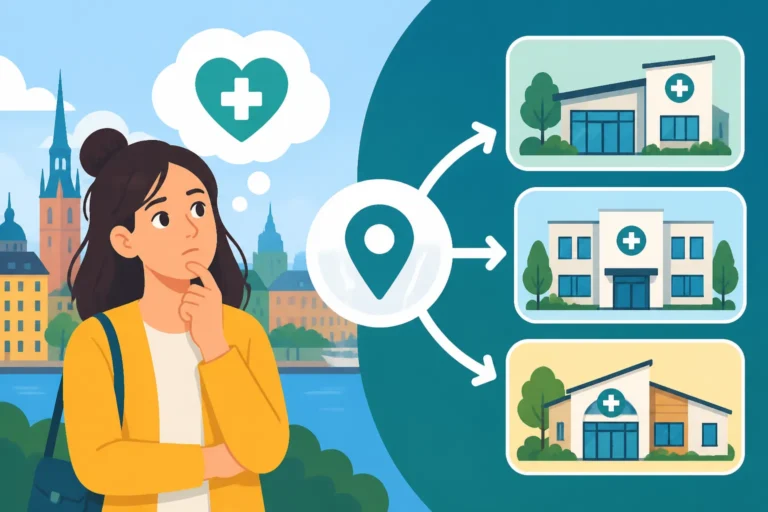
To find a private specialist, you can start by searching for terms like "Privatläkare" or "Specialistklinik" followed by your city and the specialty you need (e.g., "Privat kardiolog Stockholm"). Many of the largest private providers, such as Capio, Aleris, and Sophiahemmet, have both public and private wings. You must be very explicit when calling: ask specifically for a "privatbetalande" (private-paying) appointment or state that you have "privat sjukvårdsförsäkring."
If you don't specify this, the receptionist may assume you are looking for a publicly funded appointment and tell you that they aren't taking new patients or that the wait is six months. The "magic words" about paying privately often open up a different calendar with appointments available as early as tomorrow.
What to Bring to Your Private Appointment
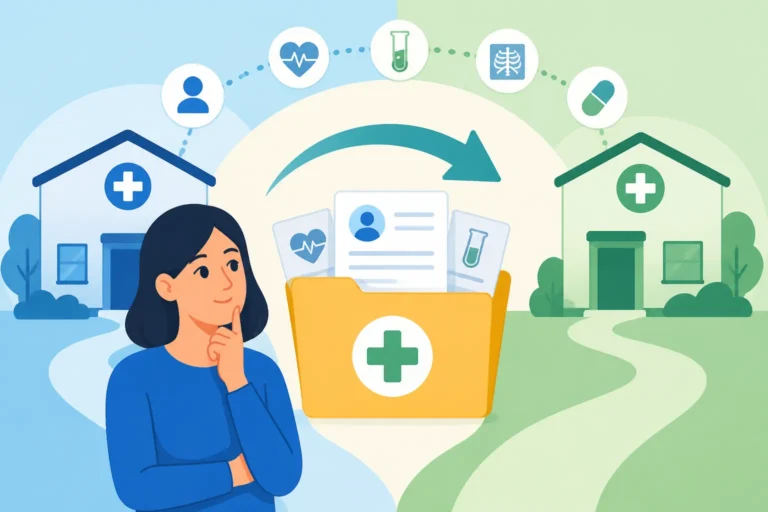
Even though you are paying, the Swedish medical system still relies heavily on your historical data. If you have had tests or scans done in the public system, it is incredibly helpful to have those records available. While some private clinics can see your records if they use the same digital system (like Journalen), others cannot due to strict privacy laws between different "care providers."
I always recommend downloading your records from 1177 before heading to a private specialist. This prevents the specialist from having to redo basic blood tests, saving you both time and money. If you are wondering how the billing works, you will usually be invoiced or asked to pay by card at the reception. Swish is also a very common payment method in these clinics.
Private Clinics vs. The Public System: A Balanced View
It would be unfair to say that private is always "better." The Swedish public system is world-class when it comes to emergency care, chronic disease management (like cancer or diabetes), and complex surgeries. Private clinics in Sweden are generally not equipped to handle emergencies.
When to Stay Public
If you are involved in a serious accident or have a sudden, life-threatening illness, the public system is exactly where you want to be. Private clinics are "elective" centers. They handle the "quality of life" issues—the hip replacements, the skin checks, the persistent back pain, and the Mental Health Support in Sweden: Psychologists, Therapy, and Referrals. For anything acute, you should always go to the "Akutmottagning" (Emergency Room) at a major university hospital.
The public system also excels in long-term continuity. Your Vårdcentral is meant to be your "medical home." If you jump from private clinic to private clinic for every minor issue, your medical records become fragmented. This can make it harder for any one doctor to see the full picture of your health. It’s often best to use private clinics as a "surgical strike" for specific problems while keeping your main registration at a public Vårdcentral.
The "Frikort" Factor
One major disadvantage of the purely private route is the loss of the high-cost protection. In the public system, once you have paid about 1,400 SEK in patient fees within a 12-month period, the rest of your care is free. You can learn more about How the Frikort Works Once You Reach the High-Cost Ceiling to see how much money this can save you over a year. At a private clinic, you could spend 1,400 SEK in the first ten minutes and still have a 10,000 SEK bill for the follow-up. For families with multiple children or individuals with chronic conditions requiring frequent visits, the public system's cost-efficiency is hard to beat.
The Digital Transition: Private Apps and Telemedicine
A middle ground has emerged in Sweden through digital providers like Kry, Min Doktor, and Doktor.se. These started as purely private apps but have since become integrated into the public system.
Speed via the Smartphone
If you need a specialist consultation and don't necessarily need a physical exam right away, these apps are the fastest possible route. You can often speak to a doctor within an hour. While they are primarily for primary care, they can provide referrals to specialists or, in some cases, have their own specialists on staff for video consultations. This is a great first step if you are unsure if your problem warrants a 3,000 SEK trip to a private clinic.
However, be wary of the "referral loop." Sometimes, a digital doctor will write a referral, but that referral enters the same public queue as a referral from a physical Vårdcentral. If your goal is to skip the queue, a digital referral to a public hospital won't help you much. You would still need to take that referral to a private specialist who accepts it, or simply book the private specialist directly as a self-paying patient.
Navigating 1177 as a Private Patient
Even if you go private, you will still likely use the 1177 platform to view your "Journal" (medical notes). It is a surreal experience to see your private specialist's notes appearing alongside your public GP's notes. This integration is one of the strengths of the Swedish system, allowing for a somewhat cohesive view of your health regardless of who is providing the care. Just make sure you know your way around the portal; our guide on 1177 Vårdguiden: Navigating Sweden's National Health Advice Line and Portal covers the essentials of managing your digital health presence.
Final Advice for Navigating Private Care
Using private clinics in Sweden is about taking control of your timeline. It is an acknowledgement that while the public system is equitable and high-quality, it is also heavily burdened. If you have the financial means or a good insurance policy, going private for specialist consultations can save you months of stress and physical discomfort.
Don't be afraid to be a "demanding" patient in the private sector. You are a customer as much as a patient. Ask about the doctor's experience, ask how quickly they can schedule a follow-up, and ensure they provide you with a full copy of your records so you can bring them back to the public system if needed. Balancing both systems is the "pro-move" for any veteran expat living in Sweden.
Disclaimer
This article provides general information about private healthcare in Sweden and should not be taken as professional medical or legal advice. Healthcare regulations and costs in Sweden can change frequently. Always consult with a qualified medical professional or your insurance provider regarding your specific health needs and coverage details. Information about regional fees and waiting times is subject to local variation across Sweden's 21 regions.