Can I Get Help with Breastfeeding Through Swedish Healthcare?
Starting a breastfeeding journey in a new country can feel isolating, especially when the midwife language is different and the clinical protocols seem rigid. I remember sitting in my Stockholm apartment at 3 AM, struggling with a latch and feeling like I was failing a Swedish national exam I never signed up for. This guide breaks down exactly how to navigate the Swedish healthcare system for breastfeeding support, from free regional clinics to private specialists.
The Swedish Philosophy on Breastfeeding and Early Support
Sweden is famously "pro-breastfeeding," but for a newcomer, this cultural stance can feel like a double-edged sword. On one hand, the resources are extensive; on the other, the societal expectation can sometimes feel like a heavy weight when things aren't going as planned. The Swedish healthcare system is designed to provide a continuous chain of care, starting from the moment you are in the maternity ward (known as BB, or Barnbördhuset).
During your stay at the hospital, the midwives and nurses are your first line of defense. They are trained to help with the initial "golden hour" and subsequent feeds. However, many hospitals in larger cities like Stockholm, Gothenburg, or Uppsala are often under pressure, and you might find the staff are stretched thin. If you feel the support isn't enough before you are discharged, you have the right to ask for more time or a dedicated session with a lactation specialist on the ward. This is a crucial part of Maternity Care in Sweden: Mödravård, Midwives, and Giving Birth that many expats overlook because they don't want to "bother" the busy staff.
Once you are home, the system shifts toward the "BB-hemma" (BB at home) model or your local clinic. In many regions, if you are discharged early, a midwife might even visit you at home within the first few days to check on both your recovery and the baby’s feeding progress. This transition is a vital window where you should be vocal about any pain or latching difficulties. Swedish healthcare professionals often take a "wait and see" approach with the natural progression of milk coming in, but if you are struggling, you must be the one to initiate the request for deeper intervention.
Transitioning to the Barnavårdscentralen BVC
After the first week, your primary point of contact for everything related to your baby’s health is the Barnavårdscentralen, commonly referred to as the BVC. This is where you will go for regular weight checks and vaccinations. Your BVC nurse is specifically trained in child development, which includes basic breastfeeding support.
When you first Registering with a Vårdcentral: Your Guide to Primary Care in Sweden, you will likely be assigned a BVC based on your neighborhood, though you have the right to choose any clinic. During the first few weeks, the BVC nurse usually performs a home visit (hembesök). This is the perfect, low-stress environment to ask for a "feeding observation." Unlike a clinical office visit, the nurse can see how you are positioned on your own sofa or bed and offer practical adjustments.
However, it is important to realize that BVC nurses are generalists. If your breastfeeding issues involve complex tongue-tie concerns, persistent mastitis, or significant low supply, the BVC nurse’s role is to identify the problem and then provide a referral to a specialized clinic. If you feel like your concerns are being dismissed as "just a normal part of the process," do not hesitate to ask specifically for a referral to an Amningsmottagning. Understanding Child Health in Sweden: How Barnavårdscentralen (BVC) Supports Families can help you realize that you aren't just a number in the system; you are entitled to this specialized care.
Specialized Breastfeeding Clinics Amningsmottagning
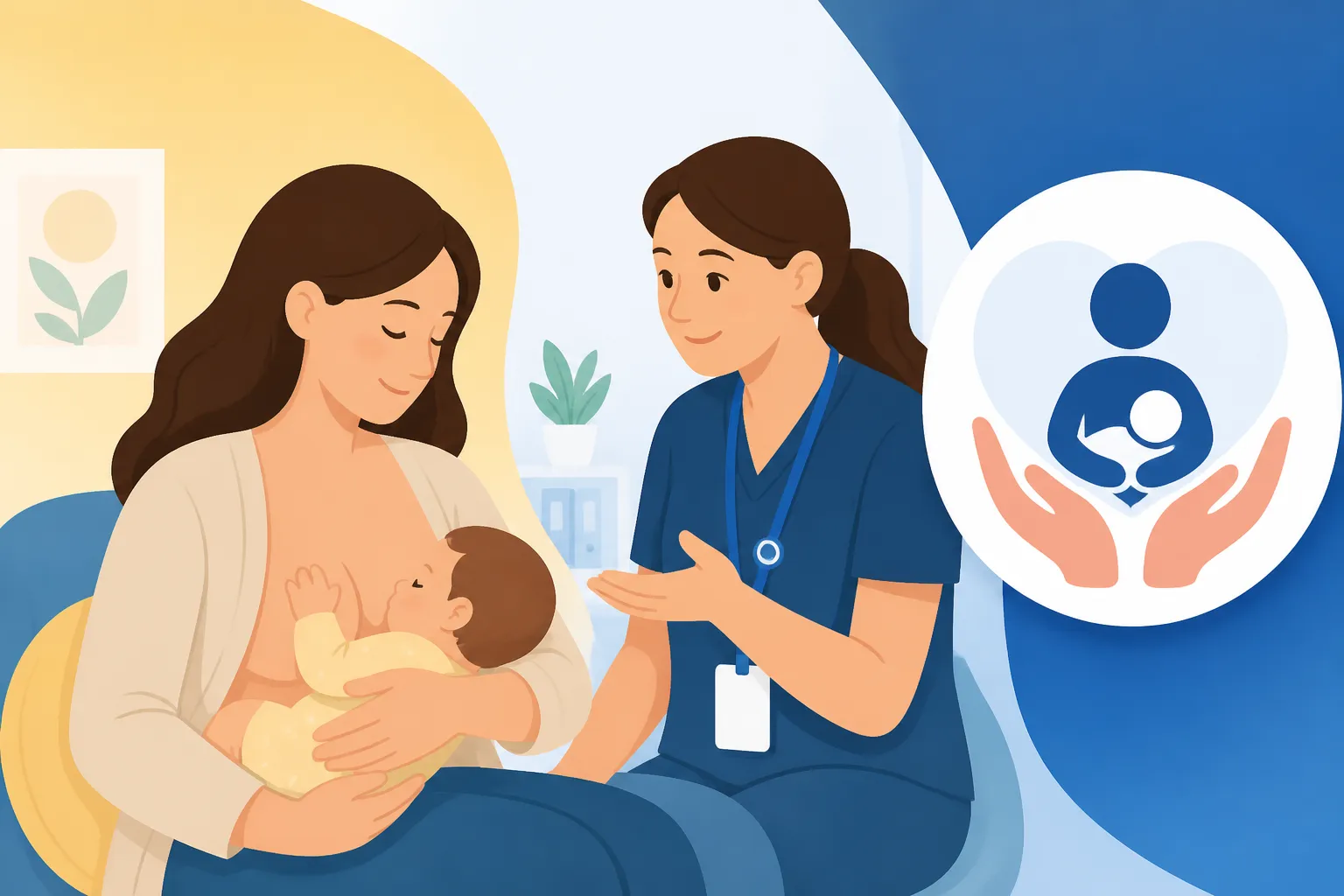
The Amningsmottagning is the "gold standard" for breastfeeding help in the Swedish public system. These clinics are usually attached to major hospitals like Karolinska University Hospital in Stockholm or Sahlgrenska in Gothenburg. They are staffed by midwives who have undergone advanced training in lactation (International Board Certified Lactation Consultants, or IBCLCs).
Accessing these clinics usually requires a referral from your BVC or your obstetrician, but in some regions, you can self-refer by calling them directly. The care here is highly specialized. During an appointment, they will often perform a "weighted feed," where the baby is weighed before and after nursing to determine exactly how much milk is being transferred. They also use ultrasound to check for abscesses if you have symptoms of severe mastitis.
For many expats, the challenge is the waiting list or the geographic distance to the nearest hospital-based clinic. If you are still in the process of Getting Your Personnummer: The Gateway to Swedish Healthcare, you might worry about the costs or the ability to book these appointments. While emergency care is always available, routine specialist visits can be trickier without your Swedish personal number. In these gap periods, having private coverage through providers like Cigna Global or SafetyWing can be a lifesaver, as they may allow you to bypass the public referral wait times by seeing a private IBCLC and claiming the cost back.
Digital and Community Support Options
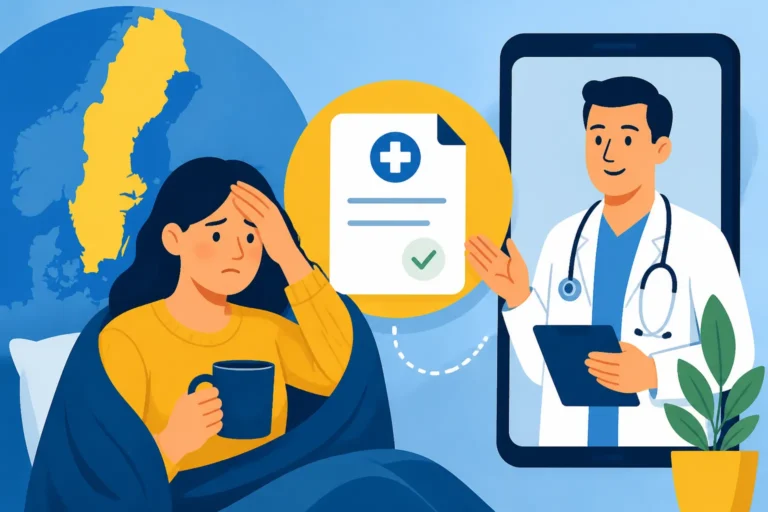
When it’s 11 PM and you’re dealing with a frantic, hungry baby, you can’t wait for a BVC appointment. This is where Sweden’s digital infrastructure becomes your best friend. Your first call should always be to 1177. This is the national health advice line, and they have a dedicated "press" option for pediatric and maternity questions in many regions.
The nurses at 1177 Vårdguiden: Navigating Sweden's National Health Advice Line and Portal can walk you through the symptoms of mastitis or help you determine if your baby is getting enough fluids based on diaper counts. They can also see your medical records if you have already been registered in the system, which provides them with the context of your birth experience.
Beyond the official medical lines, there is a powerful volunteer organization called Amningshjälpen. This is a non-profit group of "help-mothers" (hjälpmammor) who have undergone training to provide peer support. They are incredibly active on Facebook, with local groups for almost every major city. The beauty of Amningshjälpen is the "I've-been-there" empathy that can sometimes be missing from a clinical hospital setting. They are often more up-to-date on the latest research regarding tongue-ties (tungband) than some general practitioners at a local Vårdcentral. If you are wondering Can I See a Doctor in Sweden Before I Get My Personnummer?, these volunteer groups are an excellent resource for advice that doesn't require any formal registration.
Language Barriers and Cultural Nuances
One of the biggest hurdles for expats is the language. While almost all Swedish medical staff speak excellent English, the nuance of breastfeeding advice—which is often emotional and physical—can get lost in translation. Terms like "lock-on," "let-down reflex," and "cluster feeding" might be explained using Swedish equivalents like taget, utdrivningsreflexen, and maratonamning.
Culturally, Swedish midwives tend to be very hands-off. They believe in the mother’s intuition and the "natural" ability of the baby to find the breast. While this is empowering for some, for an expat mother who is used to more directive medical care, it can feel like you aren't being "shown" what to do. You may need to be very assertive. Instead of saying "I'm having a bit of trouble," say "I need you to physically show me how to hold the baby to improve the latch."
If you find that the public system’s pace is too slow or the language barrier is too high, you might look into private lactation consultants. These are professionals who operate outside the regional healthcare system. They often offer longer appointments and can come to your home. While the public system covers almost everything once you are registered, these private visits are out-of-pocket. This is where Cigna Global or SafetyWing can provide a layer of financial security, especially if your policy includes "specialist consultations" or "outpatient maternity support." Private consultants are often more flexible and can offer sessions in English, Spanish, or other languages, which can significantly lower your stress levels.
Costs and Access for Newcomers
A common question for those new to the country is: Is Maternity Care Really Free in Sweden? The answer is generally yes, provided you are a resident or have the right to coverage through the EU. For breastfeeding support specifically, visits to the BVC are always free for the child. Appointments at a hospital-based Amningsmottagning usually fall under the standard specialist fee (patientavgift), which is typically between 250 and 400 SEK, depending on your region.
These fees are capped by The Högkostnadsskydd Explained: Sweden's Healthcare Cost Ceiling and Frikort. Once you hit the annual limit (usually around 1,400 SEK for outpatient care), all subsequent visits in that twelve-month period are free. For your baby, almost all healthcare—including specialist breastfeeding support—is completely free of charge until they turn 18 or 20, depending on the region.
| Support Type | Provider | Access Method | Cost (with Personnummer) |
|---|---|---|---|
| Initial Latch Help | Hospital BB (Maternity) | Immediate at birth | Free / Part of birth stay |
| Routine Checks | BVC (Child Health) | Automatic registration | Always Free |
| Specialist Lactation | Amningsmottagning | Referral from BVC/Midwife | ~250-400 SEK (Region dependent) |
| Phone Advice | 1177 Vårdguiden | Call 1177 (Anytime) | Free |
| Peer Support | Amningshjälpen | Facebook/Website | Free (Volunteer-led) |
| Private Consultant | Private IBCLC | Direct Booking | 1,000 – 2,500 SEK per visit |
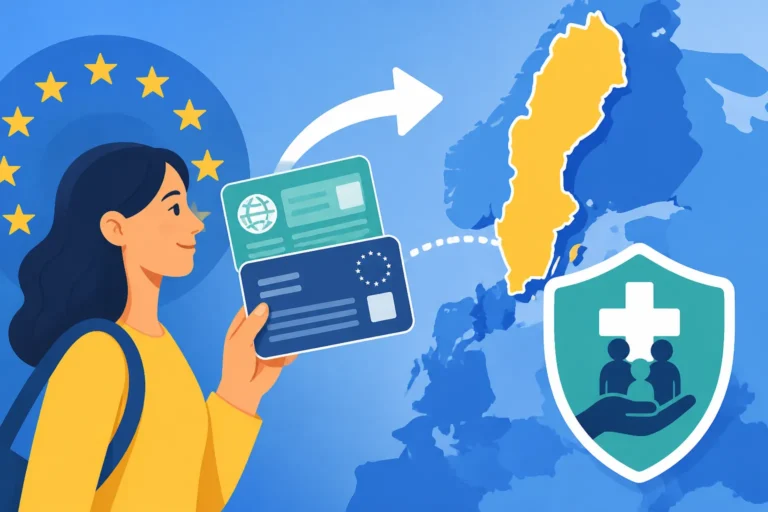
If you are an EU citizen, make sure you know Can EU Citizens Use Swedish Healthcare with an EHIC Card? while you wait for your local registration to process. For non-EU citizens, the situation is more complex. You are always entitled to "care that cannot be deferred," which often includes help with feeding a newborn, but you may be billed at the full "non-resident" rate if you don't have your paperwork in order. This is why many expats choose to maintain Cigna Global coverage during their first year; it ensures that even the high costs of private specialists or non-resident hospital fees are covered without a headache.
Practical Steps to Get Help Today
If you are struggling right now, do not wait for your next scheduled BVC appointment. The Swedish system is built on the principle of egenansvar (own responsibility), which means you need to be the one to push the button.
- Call 1177: Ask to speak to a nurse about breastfeeding. They can give you immediate advice and tell you which Amningsmottagning in your city accepts self-referrals.
- Contact your BVC nurse: Even if your next check-up is a week away, call them during their morning "telefontid" (phone hours). Tell them you are concerned about the baby's weight or your pain level.
- Find the local Amningshjälpen group: Search on Facebook for "Amningshjälpen [Your City]". These groups are goldmines for finding out which local doctors are supportive of breastfeeding or which pharmacies stock specific nipple shields or creams.
- Check your insurance: If you have Cigna Global, SafetyWing, or a Swedish Sjukvårdsförsäkring, call their help desk. Ask if they have a list of preferred private lactation consultants who speak English.
Remember, the goal of the Swedish system is a healthy baby and a healthy mother. If the "natural" way isn't working, the system has the tools to help you, but you must be your own advocate. Whether you are still wondering How Do I Register a Newborn for Healthcare in Sweden? or you are already fully integrated, the resources are there—you just need to know which door to knock on.
Disclaimer
The information provided in this article is for informational and educational purposes only and does not constitute professional medical advice, diagnosis, or treatment. Healthcare regulations and regional policies in Sweden can change frequently. Always seek the advice of your physician, midwife, or other qualified health provider with any questions you may have regarding a medical condition or your child's health. Do not disregard professional medical advice or delay in seeking it because of something you have read in this guide. In the event of a medical emergency, call 112 immediately.