How Do I Find a Dentist Accepting New Patients in Sweden?
Finding yourself with a mounting toothache and no idea where to turn is a quintessential expat "welcome to Sweden" moment that nobody enjoys. I remember wandering around Stockholm with a throbbing molar, realizing that the seamless Swedish healthcare system I’d heard so much about didn't seem to apply to my teeth in the same way. This guide solves the confusion of navigating the Swedish dental market, explaining how to find a clinic that actually has room for you and how to manage the costs.
The Dual Nature of the Swedish Dental System
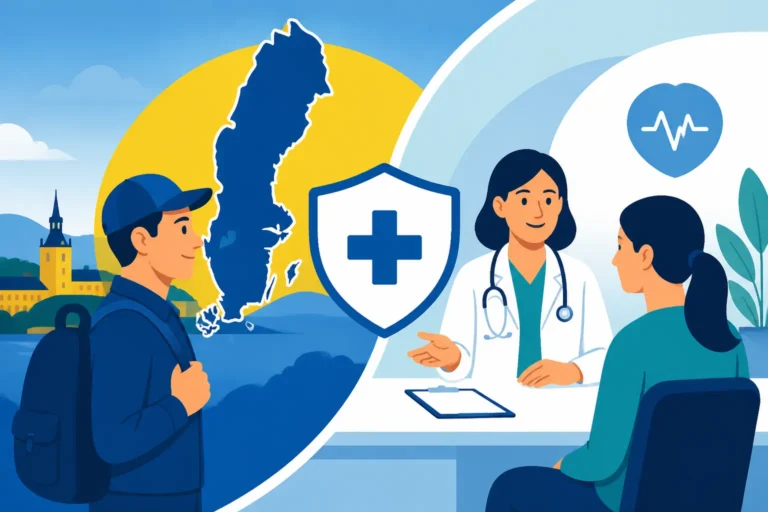
In Sweden, the dental system is split into two main branches: the public sector, known as Folktandvården, and a massive network of private practitioners. Unlike general medical care, where you are often encouraged to stay within the public regional system, dental care for adults is highly privatized and operates more like a regulated marketplace. While children receive entirely free care until the age of 23, adults are expected to pay a significant portion of their bills, supported by a national subsidy system.
Understanding Folktandvården
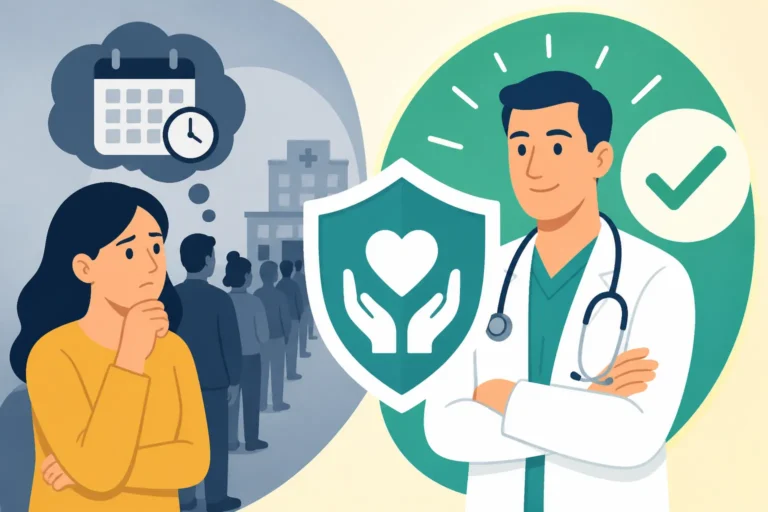
Folktandvården is the state-run dental service managed by each of Sweden's 21 regions. In theory, it is the most accessible point of entry, especially for families. However, the reality for many expats is that Folktandvården is often overwhelmed. In major cities like Stockholm, Gothenburg, or Uppsala, the waiting lists to become a regular patient at a public clinic can stretch into months or even years. When I first arrived, I was told the wait for a routine check-up at my local Folktandvården was fourteen months. If you are a new resident, you should still check Healthcare in Sweden for Foreign Residents: The Complete System Guide (2027) to see how dental fits into your broader medical rights.
The primary advantage of the public system is the Frisktandvård agreement. This is a "subscription" dental plan where you pay a fixed monthly fee based on your oral health risk category. It covers most routine care and emergencies. However, you generally cannot sign up for this until you have had an initial examination, which brings you back to the "finding a clinic with an opening" problem.
The Private Dental Market
Because of the bottlenecks in the public system, the vast majority of adult expats and locals alike turn to private clinics. Private dentists in Sweden are not "luxury" options; they are the standard for most working professionals. These clinics are heavily regulated and are almost always connected to the national dental subsidy system (Tandvårdsstöd). This means that even if you go to a private dentist, the state still pays a portion of your bill.
Finding a private dentist is significantly easier than getting into Folktandvården. Most private clinics are actively accepting new patients and can often see you within a week for non-emergencies. The quality of care is exceptionally high, and most dentists speak perfect English, which is a huge relief when someone is coming at your mouth with a drill. If you are still waiting for your residency paperwork, you might wonder Can I See a Doctor in Sweden Before I Get My Personnummer? regarding medical visits, but for private dental, you can often pay out-of-pocket immediately.
Step-by-Step Guide to Finding a Dentist
If you are currently looking for a dentist, do not just walk into the first building that has a tooth icon on the window. You need to be strategic to ensure the clinic is connected to the national insurance scheme and that they have the capacity to take you on as a long-term patient.
Using Digital Platforms and 1177
The first place you should look is the national health portal. You can find a lot of information by searching 1177 Vårdguiden: Navigating Sweden's National Health Advice Line and Portal. On the 1177.se website, there is a "Hitta vård" (Find care) function. By selecting "Tandläkare," you can see a list of both Folktandvården and private clinics in your zip code.
There are also specialized booking platforms like Tandläkare.se. These sites act much like a booking engine for hotels. You can see real-time availability, read reviews from other patients, and book an appointment directly. This is often the fastest way to find a clinic "accepting new patients" because the platform filters specifically for open slots.
Evaluating a Clinic for New Patients
When you find a clinic, call them or check their website for the phrase "Vi tar emot nya patienter" (We are accepting new patients). Before booking, you should verify three things:
- Are they connected to Försäkringskassan (The Swedish Social Insurance Agency)? Most are, but it is essential for getting your subsidies.
- What are their baseline prices? Private clinics set their own rates, but they must provide a price list.
- Do they have English-speaking staff? While common, it is always worth a quick ask.
If you are a newcomer without a full ID yet, read about Getting Your Personnummer: The Gateway to Swedish Healthcare because having that number is what triggers your dental subsidies in the national system.
| Feature | Folktandvården (Public) | Private Clinics |
|---|---|---|
| Availability | Often long waiting lists for new adults | Usually high; same-week appointments possible |
| Cost | Fixed regional prices | Variable; can be slightly higher than public |
| Payment Plans | Frisktandvård (Subscription model) | Usually pay-per-visit or third-party financing |
| Language | English common, but varies by region | English very common, international staff |
| Emergency Care | Centralized emergency hubs | Many offer urgent "akut" slots daily |
Managing Costs and the National Subsidy
One of the biggest shocks for expats is realizing that dental care is not part of the same "cost ceiling" as regular doctor visits. You cannot use your standard The Högkostnadsskydd Explained: Sweden's Healthcare Cost Ceiling and Frikort for dental work. Instead, there is a separate system.
The Tandvårdsbidrag (General Dental Subsidy)
Every person registered in the Swedish population register (Folkbokföring) is entitled to an annual dental subsidy. If you are aged 30–64, you receive 300 SEK per year. If you are 24–29 or 65+, you receive 600 SEK per year. This amount is automatically credited to your Personnummer and can be saved for up to two years. When you visit a dentist, they will ask if you want to use your "bidrag" to lower the cost of the cleaning or exam. For more detail, see Dental Care in Sweden: Folktandvården, Costs, and the Tandvårdsbidrag.
High-Cost Protection for Dental Work
While a 300 SEK subsidy doesn't cover much, the "Högkostnadsskydd" for dental care is what saves you during major procedures like root canals or crowns. The system works on a 12-month cycle:
- For costs up to 3,000 SEK: You pay 100% (minus your small annual subsidy).
- For costs between 3,001 and 15,000 SEK: You pay 50% of the "reference price."
- For costs above 15,000 SEK: You pay 15% of the "reference price."
It is important to note the term "reference price." The government sets a standard price for every procedure. If your private dentist charges more than the reference price, you pay the difference out-of-pocket, and that extra amount does not count toward your high-cost protection. This is Why Is Adult Dental Care So Expensive in Sweden for many foreigners who choose high-end clinics.
Private Insurance Options
For those who are not yet covered by the Swedish state system—perhaps you are here on a shorter visa or are a digital nomad—relying on the national subsidy isn't an option. In these cases, having private coverage is vital.
Companies like Cigna Global offer comprehensive expat health insurance that includes dental modules. This is particularly useful if you anticipate needing significant work, as they can cover the high costs that the Swedish system leaves to the patient. For those on a more flexible or budget-conscious path, SafetyWing provides travel medical insurance that can cover emergency dental stabilization. This is a lifesaver if you have a sudden accident before you've managed to register with a local clinic or get your What Is a Samordningsnummer and Can I Get Care With One? sorted.
Emergency Dental Care (Akuttandvård)
Tooth pain doesn't always wait for business hours. If you have an emergency—such as a knocked-out tooth, severe swelling, or unbearable pain—the process for finding a dentist changes.
Finding an Emergency Slot
During regular business hours, your first call should be to any local private clinic. Most keep one or two "akut" slots open every day for emergencies. If it is after hours or the weekend, you will likely need to go to a designated emergency dental clinic. In Stockholm, for example, the Folktandvården Akuten at Sankt Eriksplan is a major hub.
You can call What Number Do I Call for Non-Emergency Medical Advice in Sweden (the 1177 line) to find out which emergency dentist is on duty in your region. They can guide you to the nearest open facility. Be prepared: emergency visits have a surcharge, often around 50% extra on top of the standard procedure fee if it's a weekend or holiday.
What to Expect at the Emergency Visit
Emergency dentists are there to stabilize you. They will stop the bleeding, provide pain relief, or perform a temporary filling or extraction. They rarely perform permanent cosmetic work during an emergency visit. You will be expected to follow up with your regular dentist for permanent repairs.
If you are an EU citizen, make sure you are Using Your EHIC for Care While Settling Into Sweden to ensure you are charged the same rates as a local resident for emergency treatments. Without it, or without a Personnummer, you may be charged the "uninsured" rate, which is substantially higher.
Practical Tips for Your First Appointment
Once you’ve found a clinic that is "taking new patients," there are a few administrative hurdles to clear. Sweden is a highly digital society, and dental clinics are no exception.
Registration and Medical History
At your first visit, you will be asked to fill out a health declaration. Even if the dentist speaks English, these forms are sometimes only in Swedish. Don't be afraid to use a translation app or ask the receptionist for help. They will ask about your medications, allergies, and previous surgeries.
You must bring a valid ID. If you have your Swedish ID card, this is perfect. If not, a passport is usually required. If you are still in the process of settling in, you might want to check How Do I Get a Swedish ID Card? to make life easier for future appointments.
Payment and Invoicing
Most dental clinics in Sweden are cashless. You will be expected to pay by credit card or via "Swish" (if you have a Swedish bank account) immediately after your treatment. Some clinics can send an invoice (faktura), but they often run a quick credit check through a system called UC before allowing this for new patients.
If you have private insurance through a provider like Cigna Global, you will usually pay the clinic upfront and then submit your receipt for reimbursement. Make sure to ask for a "specificerat kvitto" (itemized receipt) that shows the exact procedure codes, as insurance companies require this for claims.
For parents, remember that you don't need to worry about this for your little ones. Is Dental Care Free for Children in Sweden?—the answer is a resounding yes, and they are usually invited to their first check-up automatically by the region around age three.
Healthcare Disclaimer
The information provided in this article is for informational purposes only and does not constitute professional medical or dental advice, diagnosis, or treatment. Always seek the advice of a qualified dental professional or healthcare provider in Sweden with any questions you may have regarding a medical condition. System rules and subsidies can change; always verify current rates with Försäkringskassan or 1177.se.