Can I Use My EHIC If I’m Moving to Sweden Permanently?
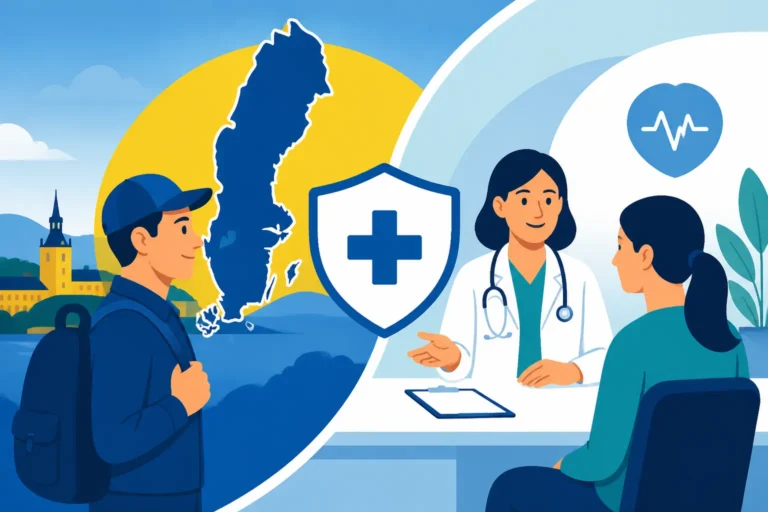
Moving to Sweden often feels like an endless game of administrative Tetris, where every piece—your housing, your job, and your bank account—depends on that one elusive ten-digit number. I remember sitting in my first cold apartment in Gothenburg, staring at my blue European Health Insurance Card (EHIC) and wondering if it would actually protect me if I tripped on the ice. This guide clarifies the limits of your EHIC and how to navigate the transition to the Swedish healthcare system.
Understanding the Limitations of the EHIC for Permanent Residents
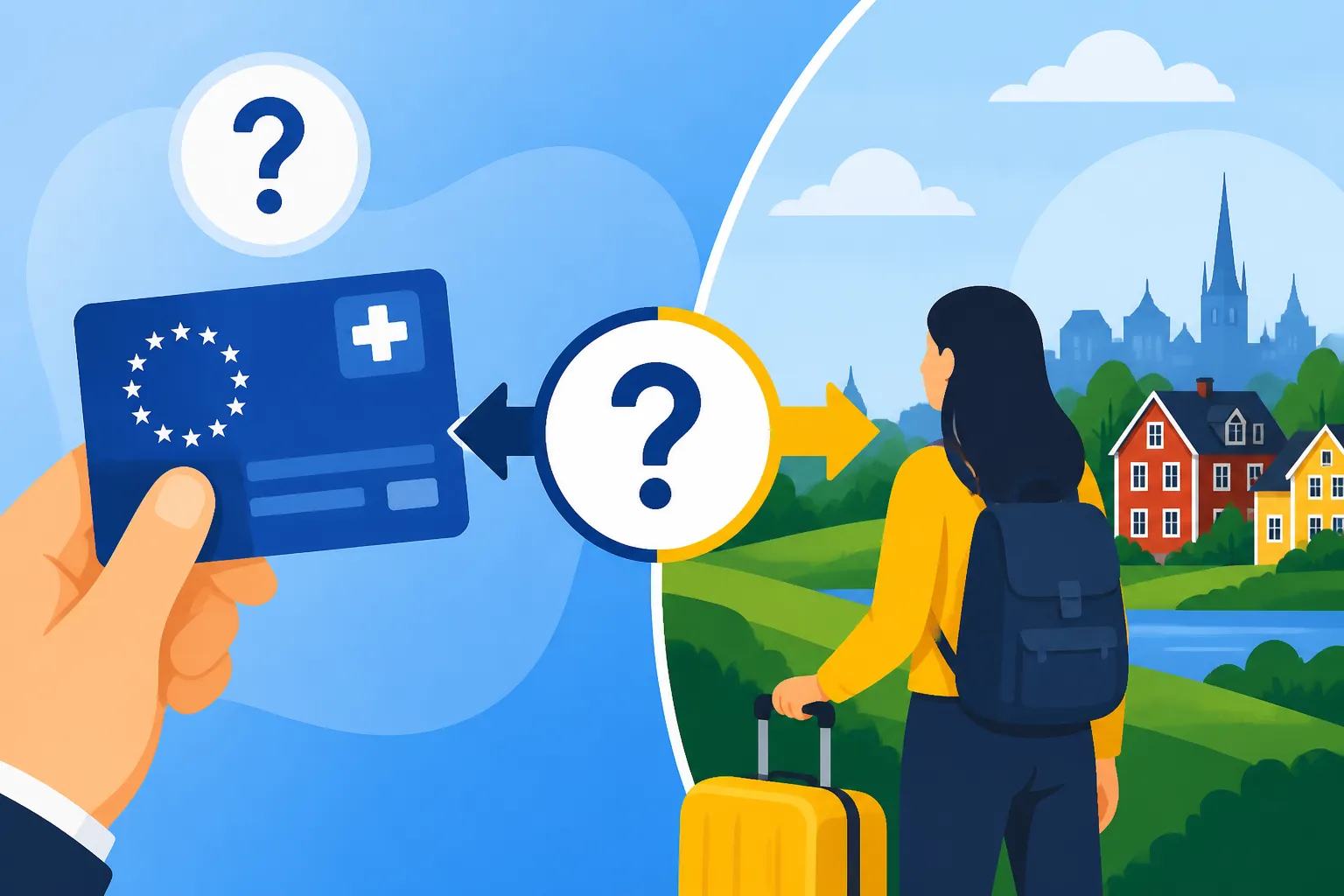
The most important thing to grasp immediately is that the EHIC is designed for temporary visitors, not for people who have moved their "center of vital interest" to Sweden. If you are a tourist, a student on a short exchange, or a business traveler, the EHIC is your best friend. It grants you access to medically necessary, state-provided healthcare under the same conditions and at the same cost as people insured in Sweden. However, the moment you register with Skatteverket (the Swedish Tax Agency) and state your intention to live here for a year or more, you are signaling that you are no longer a visitor.
When you move permanently, you are effectively ending your residency in your home country. Since the EHIC is issued by your home country’s national health provider, it is predicated on you being a resident there. Once you are no longer paying social security contributions or taxes in your home country, that EHIC technically becomes invalid. Many newcomers try to use their EHIC six months into their residency, only to be told by a sharp-eyed receptionist that because they now have a Swedish address and a job, they should be in the local system.
It is a common misconception that the EHIC serves as a long-term insurance policy. In reality, it only covers "necessary care"—things that cannot wait until you return home. This includes emergency room visits, treatment for acute illnesses, and ongoing care for chronic conditions like diabetes or pregnancy (unless you traveled specifically to give birth). It does not cover elective surgeries or routine check-ups once you have established your life here. For those moving from outside the EU, the rules are even stricter, and many often ask, Do I Need Private Insurance to Get a Swedish Residence Permit? to ensure they are covered before the state system kicks in.
The Infamous Personnummer Limbo
The "limbo" period is the most stressful phase of any expat’s journey. This is the time between arriving in Sweden and finally receiving your Personnummer (personal identity number). During these weeks or months, you exist in a strange vacuum. You are living here, perhaps working here, but you aren't yet fully "in" the system. This is where the EHIC plays a vital but temporary role.
While you wait for your application to be processed, the Swedish healthcare system will generally honor a valid EHIC for urgent needs. However, the administrative headache is real. Without a Personnummer, you cannot easily use the 1177 Vårdguiden: Navigating Sweden's National Health Advice Line and Portal to book appointments online. You will likely have to call your local clinic, explain your situation, and potentially pay the full "uninsured" fee upfront, which you then have to claim back or settle once your EHIC is verified. It’s a tedious process that requires keeping every single receipt and piece of paper.
I remember the frustration of trying to explain to a clinic that I had applied for my ID but was still waiting. The staff are usually wonderful and empathetic, but the computer system is built entirely around that ten-digit number. If you find yourself in this gap, it is often wise to have a backup. Some expats choose short-term international coverage from providers like SafetyWing to handle the transition, especially if they are digital nomads or their residency status is still being finalized. This provides a safety net that the EHIC simply isn't designed to handle once you've officially moved.
Registering for Full Healthcare Rights
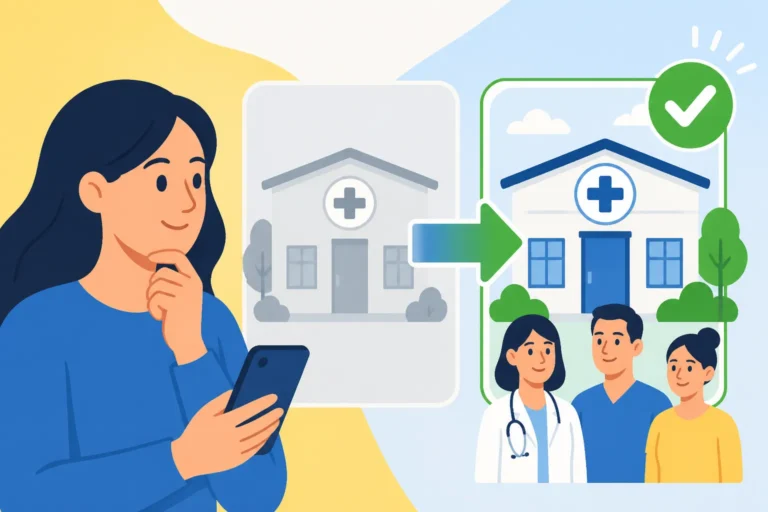
To move beyond the EHIC, you must complete the process of folkbokföring (population registration). This is the gateway to everything. Once you are registered, you are entitled to healthcare under the same terms as every other Swede. This means you only pay the standard patient fees, which are heavily subsidized. For example, a visit to a GP might cost between 200 and 300 SEK, depending on your region. To get started, you should look into Registering with a Vårdcentral: Your Guide to Primary Care in Sweden as soon as your Personnummer arrives in the mail.
One of the best features of the Swedish system that you cannot access fully with just an EHIC is the high-cost protection. This is a life-saver for anyone with a chronic condition or who requires frequent visits. Once you pay a certain amount in a 12-month period, the rest of your care is free. You can find more details in our guide on The Högkostnadsskydd Explained: Sweden's Healthcare Cost Ceiling and Frikort. This is a level of integration that the EHIC simply does not provide; it’s the difference between being a guest and being a member of society.
| Feature | EHIC (Temporary) | Swedish Residency (Permanent) | Private Insurance (Optional) |
|---|---|---|---|
| Duration | Short-term / Unforeseen | Permanent | Annual / Flexible |
| Scope of Care | Necessary/Emergency only | Comprehensive | Comprehensive + Fast Track |
| Cost | Subsidized (Patient Fee) | Subsidized (Patient Fee) | Premium-based |
| Cost Ceiling | No | Yes (Frikort) | Varies by Policy |
| Primary Goal | Stay until return home | Long-term health in Sweden | Speed and comfort |
The S1 Form: A Special Route for Some Expats
If you are a retiree or a "posted worker" (sent by your employer in another EU country to work in Sweden for a set period), there is a specific document called the S1 form. This is your golden ticket to using the Swedish system while your home country still pays for your care. Unlike the EHIC, the S1 form is specifically designed for people living abroad.
When I moved, I met a British retiree who had used the S1 form to transition smoothly. By registering this form with Försäkringskassan (the Swedish Social Insurance Agency), you gain full access to Swedish healthcare as if you were a local taxpayer. This is particularly important for those who might wonder, Can EU Citizens Use Swedish Healthcare with an EHIC Card? for long-term treatments. The S1 form bridges the gap between your home country's social security and the Swedish system without the "necessary care" restriction of the EHIC.
For the rest of us—those moving for a new Swedish job or to live with a partner—the S1 is rarely an option. We must rely on our Swedish tax contributions. This transition can be confusing, especially regarding Transferring EU Health Rights to Sweden with an S1 or EHIC, so it's worth checking with your home country's health authority before you pack your bags.
When Private Insurance Makes Sense
Even after you are in the Swedish system, you might find that the waiting times for specialists are longer than you're used to. Sweden has a "Care Guarantee" (Vårdgaranti), which states you shouldn't have to wait more than 90 days for a specialist appointment, but in reality, this can vary wildly by region. This is where some expats decide that the public system isn't enough on its own.
Private health insurance, or sjukvårdsförsäkring, is becoming increasingly common among foreigners in Sweden. It isn't a replacement for the public system—you still pay your taxes and can still use the Vårdcentral—but it allows you to bypass the queues. Brands like Cigna Global are popular for this reason; they provide a level of international portability and fast-track access that the public system, hampered by bureaucracy, sometimes lacks. For a deep dive into whether this is right for you, check out Private Health Insurance in Sweden: When Sjukvårdsförsäkring Is Worth It.
Having a private policy can be particularly comforting during that first year when you are still learning how to navigate the Finding a Doctor in Sweden: GPs, Specialists, and the Referral System. It gives you a sense of control in a system that can otherwise feel quite rigid and slow. I’ve found that while the public care in Sweden is world-class once you are in the room with a doctor, getting into that room is the hard part.
Practical Tips for Your First Months
Don't wait until you're sick to figure this out. The day you get your residence permit or move your belongings, start the paperwork. Visit Skatteverket immediately. While you are waiting for that Personnummer, carry your EHIC, but also carry a copy of your employment contract or your application to Skatteverket. If you need to visit a clinic, this proof of "intent to reside" can sometimes help the staff categorize you correctly in their system.
If you have children, the rules are slightly more relaxed, as Sweden prioritizes the care of minors regardless of their paperwork status. However, for adults, the system is strict. You may want to read How to Register with a Vårdcentral After Getting Your Personnummer so you know exactly which clinic you want to join the moment your ID card arrives.
Remember that Swedish healthcare is decentralized. Each of the 21 regions has its own rules and fees. What works in Stockholm might be slightly different in Skåne. Stay proactive, keep your EHIC in your wallet for emergencies during the transition, but make the Personnummer your absolute priority. It is the only way to truly "unlock" the peace of mind that comes with living in one of the world's best healthcare environments.
Essential Checklist for New Arrivals
- Check EHIC Validity: Ensure your card doesn't expire within the next six months.
- Contact Home Authority: Ask them how long they will cover you after you move.
- Apply for Personnummer: Do this on day one at Skatteverket.
- Keep Records: Save every medical receipt from the "limbo" period.
- Research Vårdcentraler: Find a local clinic near your new home before you need it.
- Consider a Gap Policy: Look at SafetyWing for basic travel-style cover or Cigna Global for comprehensive private access while you wait for the Swedish bureaucracy to churn.
The transition from a visitor using an EHIC to a resident integrated into the Swedish system is a rite of passage. It requires patience, a lot of coffee (get used to the fika culture!), and a proactive approach to paperwork. Once you're through it, the "necessary care" limitations of the EHIC will be a distant memory, replaced by the security of a system that truly looks after its residents for the long haul.
Healthcare System Disclaimer
This guide is intended for informational purposes only and is based on the experiences of expats and the general regulations. Healthcare laws and Migrationsverket policies can change. Always consult the official websites of Skatteverket, Försäkringskassan, and 1177.se for the most current legal requirements and medical advice. Private insurance terms vary by provider; ensure you read the fine print of any policy before purchasing.