Can My Partner Be Present at the Birth in a Swedish Hospital?
One of the most overwhelming moments for any expat is realizing that the birth of your child will happen in a country where you don't fully understand the hospital protocols. I remember the sharp anxiety I felt standing in a Swedish hospital hallway, worried that a strict nurse would tell me to leave my partner's side during active labor. This guide clarifies exactly what rights partners have in Swedish delivery rooms and postnatal wards.
The Swedish Philosophy on Partner Presence during Childbirth
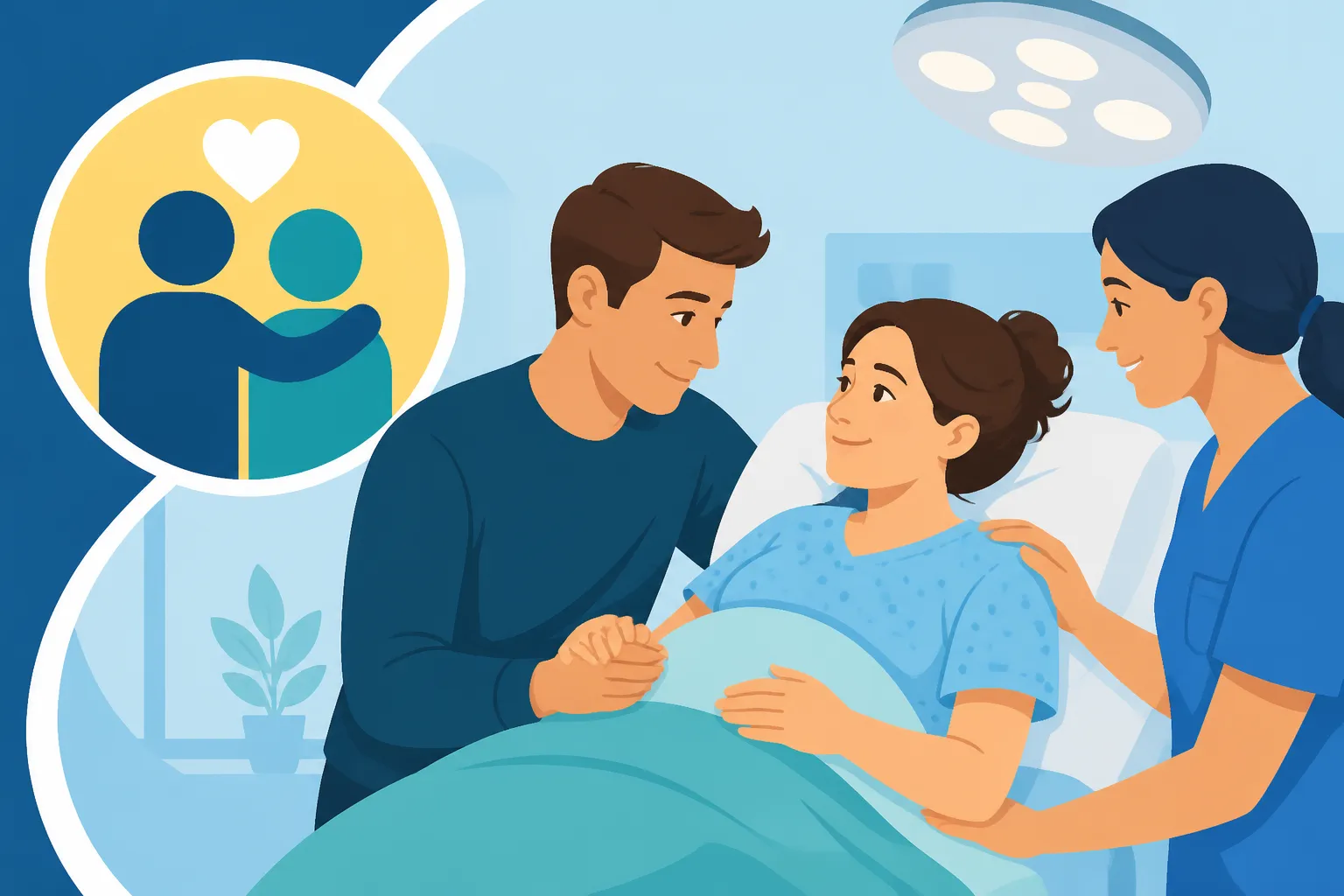
Sweden is world-renowned for its progressive approach to family life, and this begins the very second you enter the labor ward (förlossningsavdelningen). The medical system here does not view the partner as a mere visitor; you are considered an essential part of the birth team. Unlike some systems where the partner is sidelined or treated as a secondary observer, the Swedish midwife-led model actively encourages your participation. This inclusion is rooted in the deep-seated cultural value of equality and the belief that the bonding process should involve both parents from the first breath.
The Support Person Role and Inclusivity
In the eyes of the Swedish healthcare system, a "partner" is not strictly defined by marriage or even gender. Whether you are a spouse, a sambo (cohabiting partner), a same-sex partner, or a designated support person like a close friend or a doula, your presence is generally welcomed. When you are navigating Maternity Care in Sweden: Mödravård, Midwives, and Giving Birth, you will find that the system focuses on the comfort of the laboring person. If having you there reduces her stress, the hospital will do everything in its power to keep you in the room.
Some expats have been worried that their lack of a personnummer might affect their right to be in the room. Rest assured, the right to have a support person present is a matter of patient care and human rights, not administrative status. However, navigating the billing later can be a headache if you aren't properly insured. For those still waiting on their residency paperwork, companies like Cigna Global or SafetyWing can provide the necessary coverage to ensure that the focus remains on the baby, not the mounting regional invoices.
When the Partner Might Be Asked to Step Out
While the default is "always present," there are very specific medical scenarios where a partner might be asked to wait outside temporarily. This usually occurs during highly sterile procedures or acute emergencies where the room becomes crowded with specialists. For instance, if a woman requires a rapid general anesthesia for an emergency C-section, the medical team may ask the partner to stay in a designated waiting area for a few minutes while they stabilize the situation.
Even in these high-stress moments, the separation is usually brief. In Sweden, the goal is "skin-to-skin" contact as soon as possible. If the mother is unable to hold the baby immediately after a surgical birth, the partner is often the one who is given the child to hold against their bare chest. This "kangaroo care" is a standard practice in Swedish hospitals, emphasizing that you are the primary protector of the child when the mother is recovering. Understanding How Parental Leave and Healthcare Connect During Pregnancy in Sweden can help you prepare for these early bonding moments and the subsequent time off work you are entitled to.
What to Expect During the Labor and Delivery Phase
The experience begins long before you reach the hospital. In Sweden, you don't just show up at the ER when contractions start. You must call the labor ward coordinator first. They will assess the situation over the phone and tell you which hospital has space. This can be jarring for foreigners who expect to go to the hospital closest to their house, but in major cities like Stockholm or Gothenburg, capacity is managed centrally to ensure everyone gets a dedicated midwife.
Arriving at the Förlossningsavdelning
Once you are admitted, you and your partner will typically be given a private delivery room. This room is your "home" for the duration of the labor. You are encouraged to bring your own music, snacks, and even pillows to make the space feel less clinical. Midwives in Sweden are incredibly skilled and usually speak excellent English, but if you are nervous, it’s worth reading up on Can I Book a Doctor's Appointment in English in Sweden? to understand your rights to a translator if needed.
The midwife will check in on you periodically, but as the partner, you are the constant presence. You'll be the one helping with the nitrous oxide (lustgas), offering water, and communicating the birth plan. If you are worried about the costs associated with these specialized wards, remember that for residents, these fees are capped. However, for newcomers, it is vital to have your insurance sorted. SafetyWing is often a popular choice for those in the "in-between" phase of moving, while Cigna Global offers the kind of comprehensive international health plans that cover private room preferences and extensive maternity complications that might not be fully subsidized for non-residents yet.
Support and Pain Management Protocols
Sweden is famous for its use of "lustgas" (nitrous oxide) and epidurals. As a partner, you will often be tasked with holding the mask for the mother or helping her move into different positions using birthing balls or wall bars. The midwives here are experts at "active birthing," and they will expect you to be physically involved—helping the mother into the shower or supporting her weight during a squat.
If the labor becomes prolonged, the hospital staff will ensure you are also taking care of yourself. They know that if the partner faints or becomes exhausted, they have two patients instead of one. Don't be surprised if the midwife tells you to go grab a coffee or a sandwich from the staff kitchen or the hospital pressbyrån. They want you sharp for the final push. Knowing Where Do I Go for Antenatal Care When Pregnant in Sweden beforehand will have given you a chance to discuss these expectations with your midwife (barnmorska) during your check-ups.
Practical Considerations: Staying Overnight and Postnatal Care
Once the baby arrives, the focus shifts to the "BB"—the postnatal ward. This is where the Swedish system differs most from many others. If the birth was uncomplicated, you might be moved to a "Hotell BB," which is essentially a hotel wing attached to the hospital where parents and the newborn stay together in a regular hotel room setting with medical staff on call.
The BB Experience and Family Rooms
In most modern Swedish hospitals, the goal is for the partner to stay overnight. This is not always guaranteed, as it depends on room availability. If the ward is crowded, priority for private "family rooms" is given to those who had complicated births or C-sections. If you are moved to a shared ward (though these are becoming rarer), the partner might be asked to go home at night and return during visiting hours.
| Feature | Standard BB Ward | Hotell BB / Family Room |
|---|---|---|
| Partner Stay | Possible but not guaranteed | Highly likely / Guaranteed |
| Cost for Partner | Small daily fee (approx. 200-500 SEK) | Slightly higher daily fee |
| Meals | Included for mother; partner pays | Often included or available for fee |
| Privacy | May be shared with another mother | Completely private |
| Medical Support | High (nurses present in ward) | Low (on-call via button) |
If you are staying, be prepared for the cost. While the mother's stay is almost entirely covered by the state, the partner is usually charged a daily fee for the bed and meals. These are generally reasonable, but you can find more detail in our guide on Understanding Patient Fees (Patientavgift) Across Sweden's 21 Regions.
The Famous Swedish Fika and Postnatal Support
After the birth, you will be presented with the legendary "smörgåsbricka"—a tray with sandwiches, juice, and coffee, often decorated with a small Swedish flag. This is a rite of passage for every parent in Sweden. It is a moment of calm where you and your partner can finally process what just happened.
During the 24 to 48 hours you spend at the BB, the nurses will teach both of you how to bathe the baby, change diapers, and assist with breastfeeding. They expect the partner to be just as involved in these lessons as the mother. If you are concerned about the financial burden of a long stay or any complications, having a policy from Cigna Global can be a lifesaver, as they often cover the costs that the Swedish public system might bill to a "non-resident" or someone without a full personnummer. SafetyWing is also a great fallback for younger expat couples who need a safety net while they are still Registering with Försäkringskassan: When and Why You Need To.
Managing Logistics and Rights as a Non-Swedish Resident
Navigating the bureaucracy of a Swedish birth is almost as taxing as the labor itself. If you are a foreigner, you need to ensure your paperwork is in order to avoid a massive bill from the regional health authority. If you have your personnummer, the costs are minimal, usually just a few hundred kronor. If you don't, you might be looking at a bill in the tens of thousands.
Insurance and the Importance of the Personnummer
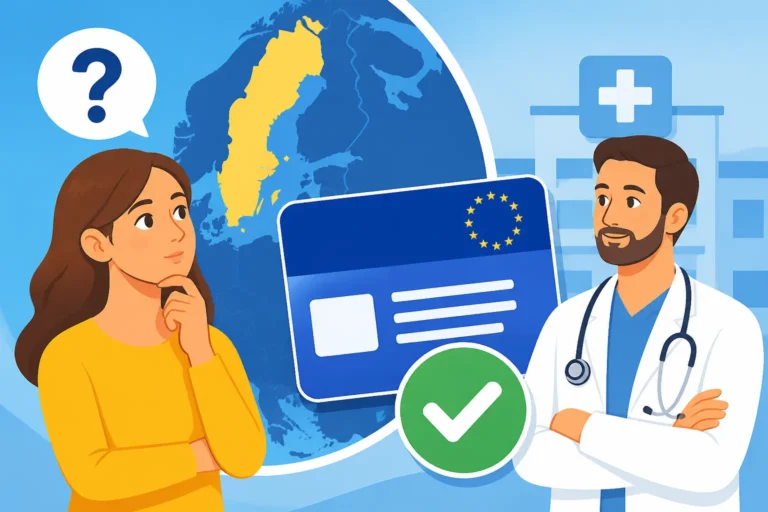
If you are an EU citizen, your EHIC might cover the birth, but it’s often complicated. If you are from outside the EU and don't yet have your personnummer, you are technically in a precarious position. This is why many expats choose to maintain private international insurance during their first year. Cigna Global is frequently cited in expat circles for its maternity modules that bridge the gap between arriving in Sweden and being fully "in the system."
You should also check Can I See a Doctor in Sweden Before I Get My Personnummer? to see how your specific visa status affects your access to subsidized care. Even without the ID number, the hospital will never turn you away for a birth—Sweden provides care based on immediate need—but they will send you the bill later. Having SafetyWing or a similar provider can prevent a beautiful life event from becoming a financial disaster.
The "Pappa-dagar" (Partner Days)
One of the best parts of the Swedish system is the 10 "pappa-dagar." These are ten days of paid leave that the partner can take immediately upon the birth of the child. These days are separate from the regular parental leave pool and are designed specifically so that the partner can be present at the hospital and during the first week at home.
To claim these, you generally need to be registered with the social insurance agency. If you haven't done this yet, read up on How Much Does Giving Birth Cost in Sweden? to see how the financial and social support systems intertwine. These ten days are a "use it or lose it" benefit, and they are the reason you see so many new fathers pushing strollers through Swedish parks on Tuesday mornings. It is a fundamental right that helps cement the partner's role as an equal parent from day one.
Disclaimer
The information provided in this guide is for informational purposes only and does not constitute legal or medical advice. Healthcare regulations and hospital policies in Sweden can change by region and are subject to updates by the Swedish Migration Agency and the National Board of Health and Welfare. Always consult with your local midwife or hospital for the most current protocols regarding your specific situation.