What Does Employer-Provided Sjukvårdsförsäkring Actually Cover?
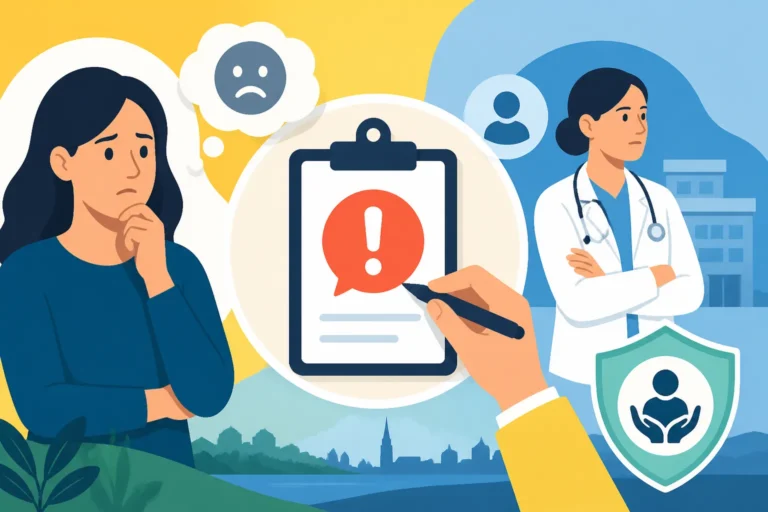
Navigating the Swedish healthcare system can feel like learning a new language where "waiting" is the most common verb. I remember sitting in a Vårdcentral waiting room for three hours with a high fever, only to be told to take some Alvedon and drink water. This guide breaks down exactly how employer-provided private insurance, or sjukvårdsförsäkring, helps you bypass these administrative hurdles.
The Reality of Sjukvårdsförsäkring in the Swedish Context
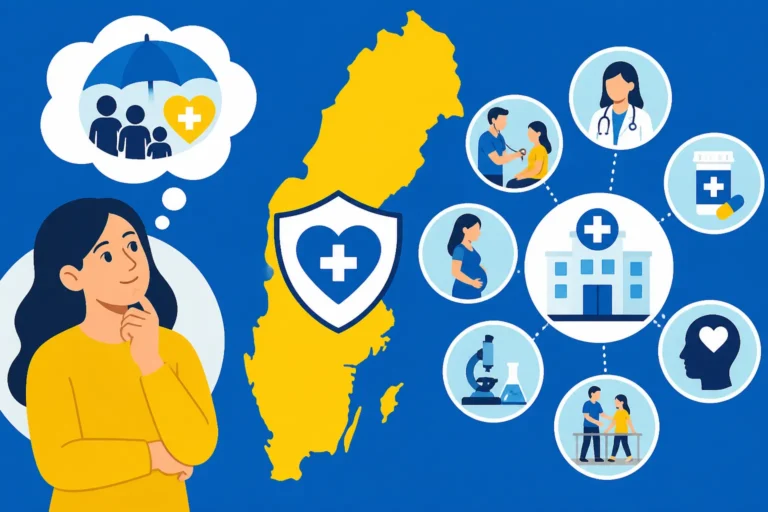
When you first land a job in Stockholm, Gothenburg, or Malmö, your benefit package might mention a private health insurance policy. To many expats, especially those coming from the US or the UK, this sounds like a replacement for the state system. However, in Sweden, health insurance is an "access" layer. It does not replace the public system; rather, it sits on top of it to provide faster routes to specialists and elective surgeries.
I’ve spent years explaining to fellow newcomers that Healthcare in Sweden for Foreign Residents: The Complete System Guide (2026) is built on the principle of need, not speed. If you have a life-threatening injury, the public system is world-class. But if you have a nagging knee injury that makes it hard to walk but isn't "urgent," you might find yourself waiting months for a consultation. This is where your employer-provided policy becomes your best friend.
It is important to understand that having this insurance is a taxable benefit in Sweden. Since 2018, the premium paid by your employer is considered part of your taxable income. This means you will see a small deduction on your payslip (förmånsvärde) every month. While some expats find it frustrating to pay tax on a "perk," the first time you get a specialist appointment within six days instead of six months, you will realize the value far outweighs the cost.
Core Benefits: What Your Policy Actually Pays For
The most significant advantage of an employer-provided policy is the circumvention of the primary care gatekeeper. In the public system, you generally must start by Registering with a Vårdcentral: Your Guide to Primary Care in Sweden. You see a General Practitioner (GP) who then decides if your case warrants a referral. With private insurance, you often call a dedicated "healthcare planning" line staffed by nurses who can book you directly with a specialist.
Speed of Access and the Care Guarantee
The Swedish state promises a "Vårdgaranti," which theoretically ensures you see a specialist within 90 days. In practice, regional backlogs can stretch this much longer. Most private policies provided by Swedish employers guarantee a specialist meeting within 7 to 14 working days. If you are an active professional, being able to address a health issue quickly means less time on sick leave and a faster return to your routine.
Specialist Consultations and Elective Surgeries
If your specialist determines that you need a procedure—perhaps a gallstone removal, a hernia repair, or a minor orthopedic surgery—the private insurance covers the cost at a private clinic. These clinics are often less crowded and provide a more personalized experience. This is one of the primary reasons why Private Health Insurance in Sweden: When Sjukvårdsförsäkring Is Worth It is such a highly-coveted benefit among the expat community.
Diagnostic Testing and Advanced Imaging
Getting an MRI or a CT scan through the public system for non-emergency issues can be an exercise in patience. Employer-provided insurance usually covers the full cost of these diagnostics at private imaging centers. Instead of waiting weeks for a slot at a major university hospital, you might be sent to a private provider like Aleris or Capio within a few days. For those who travel frequently for work, having a global backup like Cigna Global can also be beneficial if your Swedish policy is restricted to national borders, though most employer plans are robust within Sweden itself.
Comparing Public and Private Healthcare in Sweden
To truly understand what your insurance covers, it helps to see it side-by-side with the standard regional care. While How Sweden's Tax-Funded Healthcare Works: Regions, Costs, and Coverage is highly efficient for many things, the "private lane" offers distinct differences.
| Feature | Public Healthcare (Regional) | Employer-Provided Private Insurance |
|---|---|---|
| First Point of Contact | Vårdcentral (GP) | Digital portal or Nurse-led phone line |
| Specialist Wait Time | Up to 90 days (often longer) | Usually 7-14 days |
| Cost per Visit | 200–400 SEK (until high-cost ceiling) | 0 SEK (covered by policy) |
| Surgery Wait Time | 90+ days | 2-3 weeks |
| Emergency Care | High priority, 24/7 access | Not covered (use public Akutmottagning) |
| Prescription Costs | Subsidized by the state | Subsidized by state (rarely by private) |
The Referral Process and Digital Gateways
One of the most confusing aspects for newcomers is the "remiss" or referral. In the public system, you are often tethered to the decisions of a single GP. With your employer’s insurance, the process is modernized. Most providers now use apps where you can have a video consultation with a doctor who then issues a digital referral to a private specialist.
If you are currently Finding a Doctor in Sweden: GPs, Specialists, and the Referral System, you should check if your employer uses a provider like EuroAccident, DKV Hälsa, or Skandia. These companies have extensive networks of private doctors. You rarely have to pay out of pocket and "claim back"; the billing is usually handled directly between the clinic and the insurance provider.
For those who are in Sweden on shorter contracts or who haven't yet secured a permanent role with these benefits, considering an international option like SafetyWing can bridge the gap. It provides a level of security for digital nomads and remote workers who don't yet have access to a Swedish company's collective bargaining benefits.
Limitations and Exclusions: What Is Never Covered
It is a common misconception that private insurance is a "get out of jail free" card for all medical issues. In Sweden, the law is very clear about the "Humanistic Principle," which dictates that those with the greatest need must be prioritized. This leads to several hard exclusions in almost all employer-provided sjukvårdsförsäkring policies.
Emergency and Life-Threatening Care
If you are in a car accident or have a suspected heart attack, you do not call your insurance company. You call 112. Private insurance in Sweden does not operate emergency rooms. All urgent, life-saving care is handled by Emergency Medical Care in Sweden: 112, Akutmottagning, and Urgent Help. Your private policy will not cover the costs of an ambulance or the initial triage at a state hospital.
Chronic Condition Management
Private insurance is designed for "new, acute" problems. If you moved to Sweden with a pre-existing condition like Type 1 Diabetes or Crohn’s Disease, your employer-provided insurance will likely exclude the routine management of these conditions. The public system remains the primary provider for long-term chronic care, and fortunately, it is quite excellent at it. You will still need to understand How the Referral (Remiss) System Works for Seeing a Specialist in Sweden for your long-term specialists.
Maternity and Childbirth
Sweden is famous for its maternity care, but it is strictly a public sector affair. Private insurance does not cover the costs of midwives, scans, or the actual birth in a hospital. This is handled entirely through the regional "Mödravårdscentral" (MVC). If you are expecting, you should read about Maternity Care in Sweden: Mödravård, Midwives, and Giving Birth to understand the public journey, as your private policy will offer no shortcuts here.
Mental Health and Preventative Care
In recent years, Swedish employers have increased the focus on mental health. Most modern sjukvårdsförsäkring policies include a set number of sessions with a psychologist or a cognitive behavioral therapist (CBT). In the public system, Mental Health Support in Sweden: Psychologists, Therapy, and Referrals can have incredibly long waiting lists, sometimes exceeding six months for non-urgent cases.
Private insurance often allows you to start therapy within a week. This "first aid" for mental health is vital for expats who may be struggling with the isolation of moving to a new country or the infamous Swedish winters. Furthermore, some high-tier policies include "Hälsokontroll" or annual health check-ups. While the public system generally discourages "checking just for the sake of checking" unless you have symptoms, private insurance encourages this preventative approach.
For those who are moving between countries or who have family members not yet covered by a Swedish employer, Cigna Global offers flexible modules that can include vision and dental, which are areas where Swedish employer plans are sometimes thin. It’s also worth noting that SafetyWing is increasingly popular for those who spend their summers outside of Sweden but need to maintain a continuous thread of coverage that follows them across borders.
How to Check Your Specific Coverage
Not all policies are created equal. An entry-level policy might only cover specialist consultations, while a "Gold" or "Premium" plan might include physiotherapy, chiropractic care, and even speech therapy.
- Request the "Försäkringsvillkor": Ask your HR department for the full terms and conditions document. It is often in Swedish, so use a translation tool to look for "Undantag" (Exclusions).
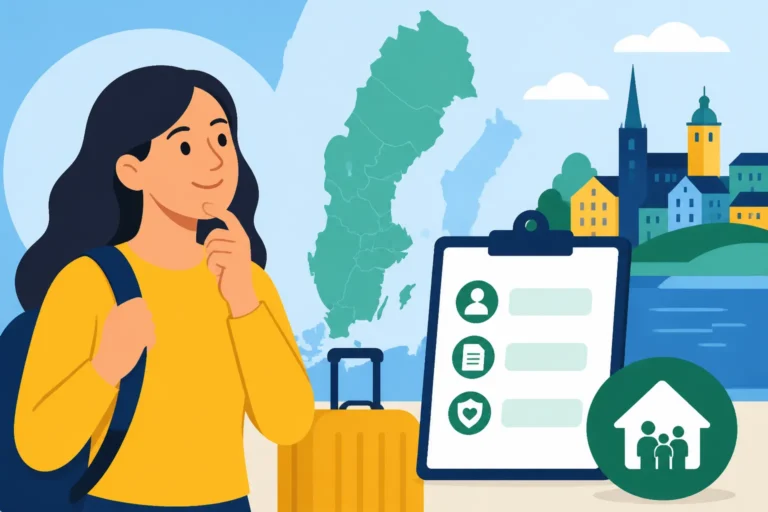
- Verify Family Coverage: Some employers allow you to add a spouse or children to the policy at your own expense, often at a discounted group rate.
- Check the "Självrisk": Most Swedish private policies have a deductible (självrisk). This is typically a one-time fee per "case" (e.g., 500 or 750 SEK). Once you pay this for a specific injury, all follow-up appointments and surgeries for that issue are free.
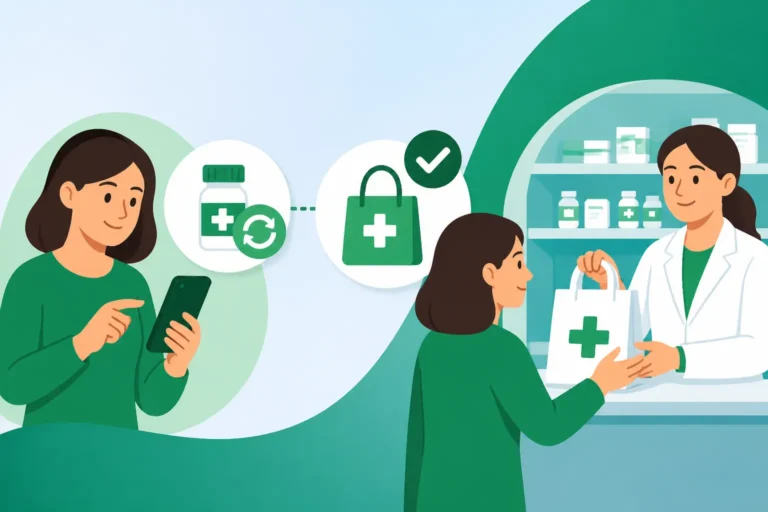
- Download the App: Almost every provider (Skandia, Trygg-Hansa, etc.) has an app. Logging in with your BankID will show you exactly what is active on your account.
In conclusion, while Can My Employer's Private Insurance Replace Public Healthcare in Sweden?) the answer is no, it serves as a powerful "fast-pass" for the parts of the system that are most prone to delays. It provides peace of mind that a minor health issue won't turn into a year-long saga of waiting rooms and red tape.
Disclaimer
The information provided in this guide is for informational purposes only and does not constitute legal or professional medical advice. Healthcare regulations and insurance policy terms in Sweden can change frequently. Always consult with your employer's HR department, your insurance provider, or a qualified legal professional regarding your specific coverage and tax obligations. For medical emergencies, always call 112 immediately.