How Do I See a Gynaecologist in Sweden?
Finding a gynaecologist in Sweden is often the first major administrative hurdle many women face after moving here, and it can be incredibly confusing. I remember sitting in my first apartment in Gothenburg, staring at a screen for hours trying to figure out why I couldn't just book a specialist directly like I did back home. This guide explains exactly how the Swedish system works, from the role of midwives to navigating referrals and finding private alternatives.
Understanding the Gateway to Women's Health in Sweden
When you first arrive, the Swedish healthcare hierarchy can feel like a maze designed to keep you away from specialists. In many countries, a gynaecologist is your primary point of contact for everything from birth control to routine exams. In Sweden, the system is built on a "gatekeeper" model. Most routine gynaecological concerns are handled by a midwife (barnmorska) at a dedicated women’s health clinic, known as a Barnmorskemottagning (BMM) or a sexual health clinic (Mottagning för sexuell hälsa).
If you are coming from a system where you see a specialist for every minor issue, this shift can feel dismissive or even risky. Many people find it frustrating when trying to explain a complex hormonal issue to a generalist. However, it is important to understand that Swedish midwives are highly trained specialists in their own right. They handle Sexual and Reproductive Health Services in Sweden for Newcomers and are the primary providers for contraception, pregnancy, and routine cervical screenings.
The gynaecologist, or gynekolog, is typically reserved for medical conditions that fall outside the scope of "normal" reproductive health—think specialized surgeries, complex endometriosis cases, or fertility treatments. Because of this, you generally cannot just call up a hospital and ask to see a gynaecologist without a specific medical reason that a midwife or GP has already vetted.
The Two Main Routes to Seeing a Gynaecologist
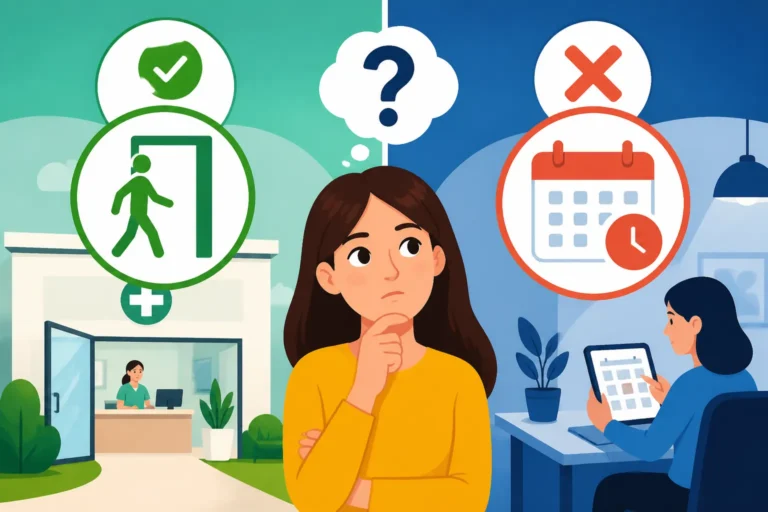
There are two primary ways to access a gynaecologist in Sweden: the public route (via a referral) and the private route (either self-pay or through insurance).
The Public Referral System (Remiss)
To see a gynaecologist within the state-funded system, you usually need a remiss (referral). This typically begins at your local Registering with a Vårdcentral: Your Guide to Primary Care in Sweden. You book an appointment with a General Practitioner (GP) and explain your symptoms. If the GP determines that your condition requires a specialist's eyes, they will send an electronic referral to a gynaecology clinic.
Alternatively, you can visit a Barnmorskemottagning. If the midwife sees something during an exam that concerns them, they have a direct line to gynaecologists and can facilitate a referral much faster than a standard GP. This is often the more "insider" way to get care, as midwives specialize in this specific anatomy. You can learn more about how this works in our guide on How the Referral (Remiss) System Works for Seeing a Specialist in Sweden.
Direct Access and E-Självremiss
In some regions, like Stockholm or Skåne, you can write what is called an egenanmälan or självremiss (self-referral). This is a formal document you submit through the 1177 Vårdguiden: Navigating Sweden's National Health Advice Line and Portal where you describe your symptoms and why you believe you need a specialist. A gynaecologist will review your "application" and decide if they will grant you an appointment. It is not a guarantee, but it bypasses the need to see a GP first.
Booking Your Appointment via 1177
Everything in Swedish healthcare revolves around the 1177.se portal. Once you have your Getting Your Personnummer: The Gateway to Swedish Healthcare, you can log in using BankID. This is where you will find your local clinics, see waiting times, and often book appointments directly.
If you are looking for a routine check-up or birth control, you should search for a "Barnmorskemottagning" or "Gynekologisk mottagning" in your area. For many foreigners, the digital barrier is the hardest part. If you haven't set up your digital ID yet, you can find help on How Do I Log Into 1177.se with BankID? to get started. Without BankID, you will have to call the clinics individually, which can be difficult due to limited "phone hours"—usually a tiny window in the morning where you leave your number for a callback.
If you are a temporary resident or a digital nomad using a plan like SafetyWing, you might not have a personnummer yet. In this case, you can still access care, but the process is manual. You will need to call 1177 for advice or visit a clinic as a "private" patient, paying the full non-subsidized cost upfront and then claiming it back from your provider.
Costs and the High-Cost Ceiling
One of the best things about Healthcare in Sweden for Foreign Residents: The Complete System Guide (2027) is that once you are in the system, it is very affordable. However, the initial fees can vary depending on where you live. Each of the 21 regions in Sweden sets its own prices for specialist visits.
| Service Type | Typical Cost (SEK) | Access Method |
|---|---|---|
| Midwife (Barnmorska) | 0 – 200 SEK | Direct Booking |
| GP (Vårdcentral) | 200 – 300 SEK | Direct Booking |
| Gynaecologist (Public) | 350 – 500 SEK | Referral Only |
| Private Gynaecologist | 1,200 – 2,500 SEK | Direct Booking / Insurance |
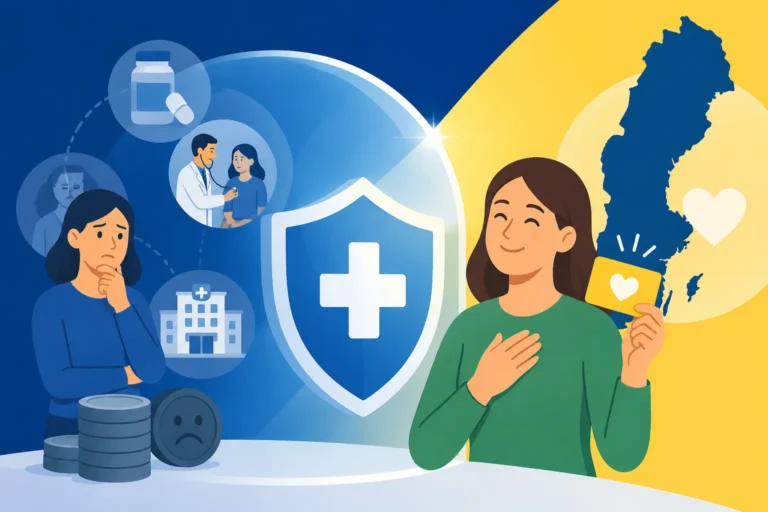
The "safety net" for these costs is The Högkostnadsskydd Explained: Sweden's Healthcare Cost Ceiling and Frikort. Once you have spent a certain amount (usually around 1,300 to 1,400 SEK) on healthcare visits within a 12-month period, the rest of your visits for that year are free. This is incredibly helpful if you are managing a chronic condition that requires multiple gynaecological follow-ups.
Private Gynaecology: When to Skip the Queue
The public system is excellent for emergencies and long-term care, but the waiting times for non-urgent specialist appointments can be demoralizing. I've known expats who were told they had to wait three months for a simple ultrasound. This is where Private Health Insurance in Sweden: When Sjukvårdsförsäkring Is Worth It comes into play.
If you have international health insurance through a provider like Cigna Global, or if your Swedish employer provides a private health plan, you can often bypass the GP and book directly with a private gynaecologist. These clinics are often called Privat Gynekologmottagning.
Even if you don't have insurance, you can choose to "self-pay" at a private clinic. You will pay significantly more—often upwards of 2,000 SEK for a consultation—but you can usually get an appointment within a week. For many of us who are used to more immediate care, this expense is often worth the peace of mind. Just ensure you check if the clinic is "completely private" or if they have a contract with the region. If they have a contract, they will charge the standard public fee, but they will also have the same long waiting list.
Preventive Care and the Cellprov Invite
In Sweden, you don't call a doctor to schedule a Pap smear. Instead, the system tracks you. Once you are registered in the population register, you will automatically receive an invitation in the mail for a "Gynekologisk cellprovtagning" (cervical screening).
This usually starts at age 23. You will be given a pre-assigned time and location at a local Child Health in Sweden: How Barnavårdscentralen (BVC) Supports Families or women’s clinic. If the time doesn't work for you, you can log into 1177 and change it. These screenings are free and are a cornerstone of the Swedish approach to preventive health. If you are curious about other screenings, you can read more about Preventive Health and Screening Programmes for Adults in Sweden.
It is worth noting that if you have symptoms (pain, bleeding, etc.), you should not wait for this invitation. The screening is only for people without symptoms. If you have concerns, you must contact your Choosing and Switching Your Vårdcentral Through Vårdval to get a diagnostic exam.
Navigating Language and Cultural Differences
One hurdle many newcomers face is the directness of Swedish medical professionals. Doctors here tend to be very pragmatic. They might not offer a battery of tests unless they are strictly necessary, which can sometimes feel like "medical gaslighting" to those of us from more interventionist medical cultures.
However, you have the right to care in a language you understand. While almost all Swedish doctors speak excellent English, you can request an interpreter when booking your appointment. This is a free service provided by the state. If you are feeling anxious, I highly recommend checking out How Do I Get Care If I Don't Speak Swedish Yet? to understand your rights as a patient.
Furthermore, if you are not happy with the gynaecologist you were referred to, you have the right to a second opinion or to choose a different clinic entirely under The Vårdgaranti: Your Right to Timely Care in Sweden. This guarantee states that you should not have to wait more than 90 days to see a specialist once a referral is issued. If your region cannot provide this, they are technically obligated to pay for your care in another region.
Practical Tips for Your First Visit
When you finally get that appointment, here are a few things to keep in mind:
- Bring ID: You must always show your ID card or passport. If you don't have your Swedish ID yet, see How Do I Get a Swedish ID Card? for the steps to obtain one.
- Arrive Early: You usually need to check in at a central reception desk and pay your fee before heading to the specific waiting area.
- Know Your History: Be prepared to discuss your menstrual history and any previous surgeries. Swedish records are digitized, but they won't have your history from abroad unless you bring it. You can learn how to How Do I Transfer My Medical Records to Sweden from Abroad? to make this smoother.
- The Midwife vs. Doctor Distinction: Do not be offended if you are seen by a midwife instead of a doctor. In Sweden, this is a sign that your case is being handled by the person with the most day-to-day experience in that specific area.
If you are a student or a young person (usually under 23 or 25, depending on the city), you should also look into the What Is an Ungdomsmottagning and Who Can Use It?. These youth clinics are free, incredibly friendly, and offer gynaecological exams and contraceptive advice without the long wait times of the general adult system.
Important Disclaimer
The information provided in this guide is for educational and informational purposes only and is based on the author's personal experience and research into the Swedish healthcare system as of 2026. It is not a substitute for professional medical advice, diagnosis, or treatment. Healthcare regulations and costs in Sweden can change and may vary significantly between the 21 different regions. Always consult with a qualified healthcare provider or contact the national health line at 1177 for medical concerns. In the event of a medical emergency, always dial 112 immediately.