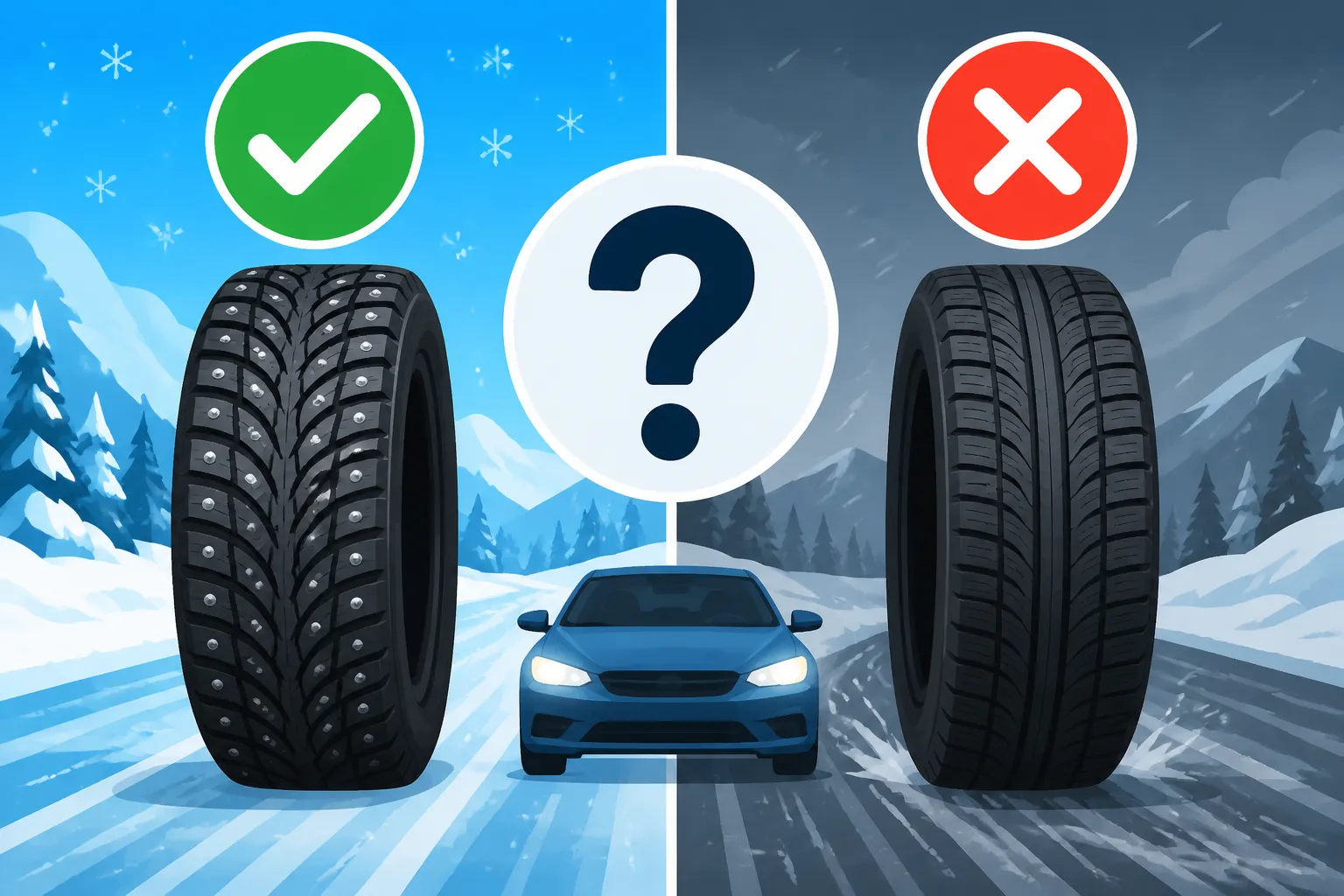
Do I Need Studded Tyres to Drive in Swedish Winters?
Ah, the Swedish winter. It’s not just a season here; it’s practically a way of life, complete with its own set of rules, customs, and, yes, automotive requirements. For us expats, especially those arriving from climates where a sprinkle of snow sends the entire country into a tizzy, navigating the intricacies of winter driving can feel like deciphering ancient runic texts. One question that inevitably pops up, usually around the first crisp autumn morning, is about tyres: specifically, "Do I need studded tyres to drive in Swedish winters?"
Let me tell you, this isn't a simple yes or no. The answer, like so many things in Sweden, comes with nuances, regulations, and a healthy dose of practical consideration. This guide is here to cut through the confusion and give you the real lowdown, straight from someone who's wrestled with icy roads and tyre choices more times than I care to count.
Understanding Swedish Winter Driving Rules
First things first, let's get the legalities out of the way. Sweden takes winter driving very seriously, and for good reason. The conditions can shift from wet tarmac to black ice to heavy snowfall in the blink of an eye, making proper equipment absolutely essential for your safety and everyone else's on the road.
The General Winter Tyre Requirement
In Sweden, it is a legal requirement to use "winter tyres" during specific periods if winter road conditions prevail. This doesn't specifically mean studded tyres, but rather a category of tyres designed for cold weather. These tyres, whether studded or "friction" (more on those later), have a unique rubber compound that remains soft and pliable in low temperatures, providing better grip than summer tyres, which harden and lose effectiveness in the cold.
If you've just arrived and are in the process of setting up your life, perhaps looking into your new accommodation through sites like Spotahome, remember that your vehicle is also a key part of your Swedish integration. Ignoring these rules isn't just a minor oversight; it can lead to fines and, more importantly, put you and others at serious risk. The Swedish Transport Agency (Transportstyrelsen) is very clear on this, and their regulations are enforced rigorously.
When Are Winter Tyres Required?
The official period for mandatory winter tyres in Sweden runs from December 1st to March 31st. However, there's a crucial caveat: this applies if winter road conditions prevail. What exactly does "winter road conditions" mean? It's typically defined as when there is snow, ice, slush, or frost on any part of the road. Even if it's just a small patch of ice in the shade, you’re expected to have winter tyres on.
Interestingly, while studded tyres have a restricted period of use (more on this in the next section), friction tyres can actually be used all year round. Though, as we'll discuss, using them in summer isn't advisable from a performance or safety perspective. This flexibility often catches newcomers off guard, as they assume "winter tyres" automatically means "studded." It’s a common misconception, so don't feel bad if you thought the same.
The Legal Framework: Transportstyrelsen's Role
The regulations concerning winter tyres are set by Transportstyrelsen, the Swedish Transport Agency. They continuously monitor road safety and environmental impacts, adjusting rules as needed. It's their directives that outline the requirements for minimum tread depth (at least 3 mm for winter tyres, compared to 1.6 mm for summer tyres) and the periods of use. They even specify the type approval markings for winter tyres (the three-peak mountain snowflake symbol, often called the "alpine symbol" or "3PMSF").
For anyone looking to dive deeper into the nuances of Swedish traffic laws, it’s worth familiarising yourself with Transportstyrelsen's website. It’s a treasure trove of information, albeit sometimes requiring a bit of translation if your Swedish isn't quite up to snuff yet. If you're a recent arrival, you'll also want to look into Driving in Sweden: Exchanging Your Licence with Transportstyrelsen to ensure your driving privileges are in order.
Diving Deeper into Studded Tyres (Dubbdäck)
Now, let's talk about the stars of the show when it comes to extreme grip: studded tyres, or dubbdäck in Swedish. These are the tyres that truly give you an advantage when the mercury plummets and the roads turn into skating rinks.
Pros of Studded Tyres
The primary benefit of studded tyres is their unparalleled grip on ice. Those small metal studs literally bite into the ice, providing traction that friction tyres simply cannot match. If your daily commute involves navigating roads prone to black ice, or if you live in a particularly northern or rural area where icy conditions are frequent and severe, studded tyres offer a significant safety margin.
Think about driving on a frozen lake; that's essentially what some roads can feel like here. With studded tyres, you gain much shorter braking distances and significantly improved control during acceleration and cornering on icy surfaces. For many expats who are still adjusting to the unique challenges of Swedish winters, this added sense of security can be incredibly reassuring. It's not just about obeying the law; it's about feeling confident and safe behind the wheel when the weather gets truly nasty.
Cons of Studded Tyres
However, studded tyres come with their downsides. One of the biggest concerns in Sweden is their environmental impact. The studs wear down the road surface, releasing fine particulate matter into the air. This particulate matter can contribute to air pollution, particularly in densely populated urban areas. Because of this, many cities have implemented restrictions on their use.
Another drawback is the noise. Driving with studded tyres is noticeably louder than with friction tyres, especially on dry asphalt. You'll hear that distinct "whirring" sound from the road. They also increase fuel consumption slightly and cause more wear and tear on the road itself.
Perhaps the most significant practical con for newcomers is the restricted usage period. While winter tyres are generally allowed from October 1st to April 30th (or when winter conditions prevail), studded tyres are only permitted between October 1st and April 15th, and even then, only if winter road conditions are present. If you have studded tyres on your car outside this window, you risk a fine, regardless of the weather. This means you must switch them out promptly when spring arrives.
Specific City Restrictions
To combat the particulate matter issue, several major Swedish cities have introduced local bans or restrictions on studded tyres on certain streets. For instance, in Stockholm, you're generally not allowed to use studded tyres on specific main streets such as Hornsgatan, Fleminggatan, and certain parts of Kungsgatan and Sveavägen during the studded tyre season. Gothenburg and Uppsala have similar restrictions on a few key routes.
This means that even if you choose studded tyres for overall safety, you need to be aware of these local rules. It's often advisable to check the specific municipality's website or use a GPS that is updated with these restrictions if you frequently drive in these areas. For someone finding their feet and perhaps needing to How Do I Register with Försäkringskassan When Moving to Sweden or simply trying to get to grips with everyday tasks, adding "checking studded tyre bans" to the mental to-do list can feel like yet another hurdle.
The Friction Tyre (Dubbfria Vinterdäck) Alternative
If studded tyres sound a bit too complicated or restrictive for your needs, don't despair! There's a widely popular alternative: friction tyres, also known as dubbfria vinterdäck (non-studded winter tyres) or often simply "all-season tyres" in some other countries, although the Swedish version is specifically designed for Nordic winter conditions.
How Friction Tyres Work
Friction tyres are engineered with a softer rubber compound and a unique tread pattern (often with many small sipes or lamellae) designed to provide grip on snow and slush without the need for metal studs. The softer rubber stays flexible in freezing temperatures, allowing the tyre to maintain contact with the road surface, while the intricate tread pattern helps to displace snow and channel water away, preventing hydroplaning on slush.
There are generally two types of friction tyres in Sweden: Nordic friction tyres and Central European friction tyres. Nordic friction tyres are specifically optimized for the colder temperatures, heavy snow, and icy conditions prevalent in Scandinavia, offering excellent performance in these environments. Central European friction tyres, on the other hand, are designed for milder winters with less snow and ice, and higher speeds, which makes them less suitable for typical Swedish winter conditions. When buying friction tyres in Sweden, ensure you’re getting the Nordic variety for optimal safety.
When Friction Tyres Excel
Friction tyres truly shine in conditions with packed snow, slush, or cold, wet asphalt. They offer a much quieter and more comfortable ride compared to studded tyres, and they don't contribute to particulate matter pollution, which means they face no city restrictions. This makes them an excellent choice for urban drivers or those who mostly stick to main roads that are regularly ploughed and gritted.
They are also incredibly convenient because, as mentioned, they can be used all year round, even though it's generally not recommended for optimal safety and tyre longevity in summer. For many, the ability to avoid the seasonal tyre change hassle is a significant plus. If you live in a city like Malmö or Gothenburg where ice might be less prevalent than in the northern parts of the country, or if you predominantly drive on highways that are well-maintained, friction tyres might be a perfectly adequate and practical choice.
When Friction Tyres Fall Short
The main area where friction tyres fall short is on pure ice. While they perform well on snow and slush, their grip on slick, icy patches is significantly reduced compared to studded tyres. On black ice, the difference in braking distance and overall control can be substantial. This is why many drivers in rural areas or those frequently encountering untreated roads will almost always opt for studded tyres.
If you find yourself frequently driving on smaller, unploughed roads, or if you live in an area known for icy patches and you prioritize maximum grip on ice, friction tyres might leave you feeling a little less secure. It's a trade-off, and understanding your typical driving environment is key to making the right decision.
Making Your Decision: Studded vs. Friction
Deciding between studded and friction tyres isn't just about what's legal; it's about what's safest and most practical for your specific situation in Sweden.
Your Driving Environment
Consider where you'll be doing most of your driving.
- City Driving: If you mostly stick to larger cities like Stockholm, Gothenburg, or Malmö, where roads are quickly cleared and salted, and where studded tyre restrictions might apply, high-quality Nordic friction tyres are often sufficient and more convenient. You'll avoid fines and contribute less to urban air pollution.
- Rural or Northern Driving: If you live outside the major urban centers, especially in central or northern Sweden, or frequently drive on smaller, less-maintained roads, studded tyres are often the safer bet. These areas are far more likely to experience prolonged periods of ice and deep snow, where the superior grip of studs becomes critical.
- Highway Commutes: For long highway stretches, especially if they’re well-maintained, friction tyres perform admirably. If those highways, however, are prone to long stretches of black ice, studded tyres again offer that extra layer of security.
Think about your daily routes. Are they on main roads, or do they involve side streets that see less attention from snow ploughs and gritters? This crucial self-assessment will guide your choice.
Your Personal Comfort Level
This is a big one. How confident are you driving in genuinely challenging winter conditions? If you're a seasoned winter driver with years of experience, you might feel more comfortable handling a car with friction tyres on various surfaces. However, if you're new to driving in snow and ice, or if you generally prefer maximum safety margins, the added grip of studded tyres, particularly on ice, can provide immense peace of mind.
Remember, winter driving in Sweden is a skill that develops over time. There's no shame in choosing the option that makes you feel safest, especially in your first few Swedish winters. Even locals debate this topic every year!
Practical Considerations and Costs
Let's not forget the practicalities and the impact on your wallet.
- Purchase Price: The cost of both types of tyres can be comparable, but it varies greatly by brand and quality. Expect to pay anywhere from 1,000 to 2,500 SEK per tyre, plus fitting costs.
- Storage: If you go with studded tyres, you'll need a place to store your summer tyres during winter, and vice-versa. Many tyre shops offer "tyre hotels" (däckhotell) where they store your off-season tyres for a fee, typically a few hundred SEK per season. If you have your own storage space, like a garage or basement, that's an option too. This might be something to consider when you're looking for Renting a Home in Sweden: How the First- and Second-Hand System Works or Buying Property in Sweden as a Foreigner: A Complete Guide.
- Switching Costs: You'll need to pay to have your tyres switched twice a year if you choose studded. If you have your own set of winter and summer wheels (tyres already mounted on rims), the cost is lower as it's just a wheel change. If your tyres need to be dismounted from rims and new ones mounted, it's more expensive.
- Fuel Economy & Noise: Friction tyres generally offer slightly better fuel economy and are much quieter. Studded tyres, while offering superior grip on ice, are louder and can have a marginal impact on fuel consumption.
Here's a quick comparison to help you weigh your options:
| Feature | Studded Tyres (Dubbdäck) | Friction Tyres (Dubbfria Vinterdäck) |
|---|---|---|
| Primary Advantage | Superior grip on pure ice | Excellent on snow/slush, good on cold/wet asphalt |
| Usage Period | Oct 1 – Apr 15 (if winter conditions) | Dec 1 – Mar 31 (if winter conditions), but usable all year |
| City Restrictions | Yes, on specific streets in some major cities | No |
| Noise Level | Noticeably louder | Quieter |
| Environmental Impact | Causes particulate matter pollution from road wear | Minimal to none |
| Fuel Efficiency | Slightly less efficient | Generally more efficient |
| Storage Need | Yes, for summer tyres during winter | Less critical, but still recommended to switch for optimal performance |
| Recommendation For | Rural driving, frequent ice, northern Sweden, maximum safety | Urban driving, well-maintained roads, less frequent ice |
Practical Tips for Winter Driving in Sweden
Choosing the right tyres is a huge step, but it's only one piece of the Swedish winter driving puzzle. Here are some more practical tips to help you navigate the colder months safely.
Getting Your Tyres Changed
Most car service centers (bilverkstad) and dedicated tyre shops (däckverkstad) offer tyre changing services. It's usually a good idea to book an appointment in advance, especially during the peak changeover periods (late September/early October and early April), as these places get incredibly busy. You can often find deals if you buy a new set of tyres and have them fitted at the same time. Many places also offer the "däckhotell" service where they store your off-season tyres.
Remember, there's a specific legal window for studded tyres, so don't delay the changeover. It's generally wise to switch to winter tyres before the first snow or ice hits, ideally sometime in October, to avoid the rush and be prepared.
General Winter Driving Habits
Beyond the tyres, your driving habits need to adapt to the conditions.
- Slow Down: This might seem obvious, but it's the most important rule. Reduce your speed significantly, especially on unfamiliar roads or when visibility is poor.
- Increase Following Distance: Give yourself much more space between your car and the one in front. Stopping distances on snow and ice are dramatically longer than on dry asphalt.
- Smooth Movements: Avoid sudden braking, acceleration, or sharp turns. Gentle inputs are key to maintaining traction.
- Anticipate: Look further ahead than usual. Pay attention to temperature changes, shaded areas, and bridges, which tend to freeze first.
- Clear Your Car Completely: Before driving, ensure all snow and ice are cleared from your windows, mirrors, lights, and roof. Snow flying off your roof can be a hazard for others.
- Check the Forecast: Stay updated on weather conditions, especially before long journeys. You can use services like SMHI (the Swedish Meteorological and Hydrological Institute) or various apps.
What if I have foreign plates?
If you’re a newcomer and your car is still registered abroad, you might be wondering if Swedish winter tyre laws apply to you. The answer is yes. If you drive in Sweden during the mandatory winter tyre period (December 1 to March 31, or when winter conditions prevail), your foreign-registered vehicle must also be equipped with winter tyres that meet Swedish standards. This includes minimum tread depth and the three-peak mountain snowflake symbol for non-studded winter tyres. So, don’t think you can sneak by just because your plates are from another country!
For any practical needs while getting settled, whether it's setting up your bank account or figuring out your mobile data plan, having reliable connectivity is crucial. Services like Airalo can be lifesavers for international travelers, ensuring you're always connected without hunting for local SIMs immediately. This can be especially useful if you're navigating new areas or trying to find a tyre shop in an unfamiliar town.
Swedish winters can be daunting, but with the right tyres and a mindful approach to driving, you'll be navigating the snowy roads like a seasoned local in no time. The choice between studded and friction tyres boils down to a personal assessment of your driving needs, local conditions, and comfort. Drive safely out there!
Disclaimer
The information provided in this guide is intended for general informational purposes only and does not constitute legal or professional advice. While we strive to ensure accuracy, regulations and conditions can change. Always consult official sources like Transportstyrelsen or a qualified professional for the most current and specific advice regarding your situation in Sweden.