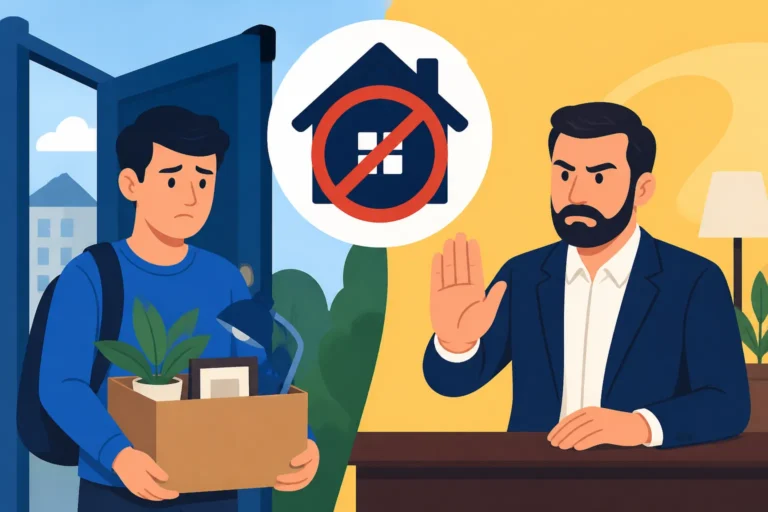
How Do I Get My Deposit Back in Sweden?
Ah, the infamous rental deposit in Sweden. Many of us expats have been there, nervously awaiting that final transfer back to our accounts, wondering if we'll ever see that chunk of change again after navigating the often unspoken rules of Swedish tenancy. It's a common source of anxiety, and for good reason! This isn't just about money; it's about fairness, understanding your rights, and not being taken advantage of in a new country. This guide is here to demystify the process, walk you through the essential steps, and equip you with the knowledge to get your rental deposit back in Sweden without unnecessary stress or deductions.
Understanding Rental Deposits in Sweden: The Basics
When you move into a rental apartment in Sweden, whether it's a first-hand contract or a second-hand sublet, it's almost a given that your landlord will ask for a security deposit, known in Swedish as a deposition or säkerhet. While the concept is universal, the specifics in Sweden can feel a little opaque if you're not used to how things operate here.
Why Landlords Ask for a Deposit (Säkerhet)
The primary purpose of a security deposit is pretty straightforward: it's a financial safeguard for the landlord. This money is held to cover any potential costs that might arise due to your tenancy, outside of normal wear and tear. This could include things like damages to the property, unpaid rent at the end of the contract, or – and this is a big one in Sweden – the cost of deep cleaning if the apartment isn't left in the pristine condition expected.
Unlike some countries where deposit regulations are very strict and government-backed schemes are mandatory (like in the UK), Sweden doesn't have a single, overarching national deposit protection scheme. This lack of a formal system can sometimes make foreigners feel a bit vulnerable, as the deposit is often held directly by the landlord. Typical deposit amounts usually range from one to three months' rent. If you’re ever asked for more than three months, that should raise a red flag and prompt you to question it, as it’s quite unusual.
The Importance of a Solid Rental Contract
This might sound like stating the obvious, but in Sweden, your rental contract is truly your bible when it comes to the deposit. Because there isn't a government-mandated deposit scheme, the contract dictates the terms and conditions under which your deposit is held and, crucially, returned. Never, and I mean never, rely on verbal agreements for anything related to your deposit. Get it all in writing!
Your contract should explicitly state the amount of the deposit, what it's intended to cover, and the conditions for its return. It should also specify how and when it will be returned. A good contract will define "normal wear and tear" and outline the expectations for the final cleaning. This is particularly vital for those of us on second-hand contracts, which are very common for newcomers. Platforms like Spotahome, which cater to expats, often have contracts that try to be clearer on these points, but always read every single clause yourself. Understanding What to Check Before Signing a Rental Contract in Sweden is paramount. Without these clear terms, you leave yourself open to potential disputes, where it becomes your word against the landlord's, which is a position you absolutely want to avoid.
Documenting Everything: Your Best Defense for Deposit Return
This is where you become a meticulous detective. The key to getting your deposit back in Sweden is robust documentation, from the moment you first step into the apartment until the day you hand over the keys. Think of it as building your legal case, even if you hope you never have to use it.
The Pre-Move-In Inspection: Your First Line of Defense
Before you even unpack your first box, you need to conduct a thorough pre-move-in inspection. This is perhaps the single most important step you can take. Swedish landlords expect apartments to be returned in the same condition they were received, minus normal wear and tear. So, you need to establish that baseline condition.
Walk through every room with a fine-tooth comb. Take high-resolution photos and videos of everything. Pay special attention to walls, floors, ceilings, kitchen appliances (inside and out!), bathroom fixtures, windows, and any provided furniture. Document any existing scratches, dents, stains, chips, or general wear. Turn on all the lights, run the taps, check the stove – make sure everything functions. If you find anything amiss, no matter how minor, document it. Write down a detailed condition report. Then, and this is crucial, send this report, along with your photos and videos, to your landlord. Ask them to acknowledge receipt and agree to the documented condition. This way, if they later claim you caused a scratch that was already there, you have undeniable proof. Common accounts describe expats losing parts of their deposit because they didn't document a small chip in the countertop or a stain on the wall that was already present.
During Your Tenancy: Keeping Records
Your documentation efforts don't stop after you move in. Throughout your tenancy, continue to keep good records. This includes proof of all rent payments – bank statements showing the transfers are ideal. If any issues arise in the apartment, like a leaky faucet or a broken appliance, report it to your landlord immediately in writing. Keep copies of all communication, whether it's emails, text messages, or letters. If a repair is done, note the date and outcome. This not only protects you if a problem reoccurs but also shows you were a responsible tenant.
Maintain the apartment well. Regular cleaning, fixing minor issues you're responsible for, and treating the property with care will go a long way. If you decide to make any changes, even small ones like hanging a heavy picture, get explicit written permission from your landlord first. Any modifications without permission could be a reason for deduction. Remember, communication is key, and having a reliable way to communicate is essential. When you're first settling in, an eSIM from providers like Airalo can ensure you stay connected and can easily reach your landlord or other important contacts without worrying about roaming charges or finding local SIMs immediately.
The Move-Out Inspection and Handover Process
When it's time to move out, schedule a final inspection with your landlord. Ideally, this should happen after you've completed all your cleaning and packing, but before you hand over the keys. This is your chance to walk through the apartment together and compare its current state to your original move-in report. Address any concerns they might have on the spot.
A massive point of contention in Sweden is the "flyttstädning" – the move-out cleaning. The standard here is incredibly high, often bordering on professional deep-clean levels. If you don't perform it to this standard, the landlord will likely hire a cleaning company and deduct the cost from your deposit, which can be substantial (often SEK 3,000-6,000 or more for a smaller apartment). Many expats opt to hire a professional cleaning company themselves and ensure they get a receipt, which serves as proof that the cleaning was done. During the final inspection, take new photos and videos of the clean, empty apartment. If the landlord agrees the apartment is in good order, try to get them to sign a document acknowledging this. This written confirmation can be invaluable.
Common Reasons for Deposit Deductions and How to Dispute Them
Even with meticulous documentation, landlords might still try to deduct from your deposit. Knowing the common reasons and how to challenge them is your superpower.
Cleaning Disputes: The Swedish Standard
As mentioned, flyttstädning is a big deal. Landlords expect the apartment to be spotless – we're talking windows sparkling, oven gleaming, every cupboard wiped, and all traces of your life erased. It's not just about tidiness; it's about hygiene and leaving it ready for the next tenant. If the landlord feels it's not up to scratch, they'll often hire a cleaning company.
To avoid this, either dedicate serious time and effort to cleaning or, better yet, hire a reputable cleaning company that specialises in flyttstädning. They know the standard and often offer guarantees. Get a receipt for the service. If your landlord still claims the cleaning was insufficient after you've done this, present your receipt and your own photos/videos as evidence. Argue that you met your obligation.
Damage Beyond Normal Wear and Tear
This is where your move-in documentation truly shines. "Normal wear and tear" (normalt slitage) refers to the natural aging and deterioration of the property that occurs through regular use. Think minor scuffs on walls, faint floor marks from furniture, or slight fading of curtains from the sun. Actual damage, however, is something you caused through negligence or accident, like a large hole in the wall, a shattered window, or a burnt countertop.
The burden of proof typically lies with the landlord to demonstrate that you caused the damage and that it goes beyond normal wear and tear. If they claim damage, ask for proof (photos, repair quotes). Compare their evidence against your move-in photos. If the "damage" was already there, you have your evidence. If it's something truly new, you might be responsible, but the cost should be reasonable and reflect the actual repair. You should not be paying for a full replacement of an old item if only a repair is needed, or if the item was already aged.
Unpaid Rent or Bills
This is usually a clear-cut case. Ensure all your rent payments are made on time, every time, right up until the last day of your contract. Keep records of these payments. Also, ensure all utility bills (electricity, internet, etc.) that were your responsibility are paid in full before you leave. Some landlords might deduct outstanding amounts from your deposit. This is generally permissible if it's explicitly stated in your contract and you genuinely owe the money. However, if you have proof of payment and they still deduct, you have grounds for dispute. Remember to officially terminate any utility contracts in your name so you aren't charged for usage after you've moved out. You can find more information about this in our guide on Setting Up Electricity El-avtal in Your Swedish Home.
Strategies for Disputing Unfair Deductions
If you believe your landlord is unfairly withholding your deposit or deducting excessive amounts, don't panic or give up. You have avenues for recourse:
- Formal Written Communication: Start by sending a polite but firm letter or email to your landlord, outlining your disagreement. Refer to your contract, your move-in report, and any other evidence you have. Clearly state that you expect the full, undisputed deposit amount back within a specific timeframe (e.g., 7-14 days). Use registered mail if sending a physical letter, so you have proof it was sent and received.
- Contact Hyresgästföreningen (The Tenants' Association): This organisation is a powerful ally for tenants in Sweden. If you're a member (which I highly recommend for any long-term renter), they can offer legal advice, help you draft letters, and even mediate disputes with your landlord. They have significant expertise in Swedish tenancy law and can often resolve issues without further escalation. Learning about Joining Hyresgästföreningen: Should You Become a Member? is a smart move for anyone renting here.
- Escalation to the Hyresnämnden (Rent Tribunal): If direct negotiation and, potentially, mediation through Hyresgästföreningen fail, your next step is the Hyresnämnden, the Rent and Tenancy Tribunal. This is a special court-like body that handles rental disputes, and critically, it's free to use for both parties. They are impartial and will review your case, including all your submitted evidence. The process is usually less formal than a traditional court. They can issue a legally binding decision on the return of your deposit. This is a common and effective route for tenants in Sweden. Our guide on The Hyresnämnden: Resolving Rental Disputes in Sweden offers a deeper dive into how this process works.
The Actual Process of Getting Your Money Back
So, you've moved out, documented everything, and said your goodbyes. Now, the waiting game begins.
Expected Timelines and Communication
There isn't a legally mandated maximum timeframe for landlords to return a deposit in Sweden. However, common practice dictates that it should be returned within a reasonable period after you've vacated the property and fulfilled all your contractual obligations – usually within 30 days. Some contracts might specify a timeframe, so check yours. If your contract doesn't state one, a good rule of thumb is to expect it within a month.
If the 30-day mark passes and you haven't heard anything, send a polite follow-up email or letter. Reiterate your expectation for the deposit to be returned, or for a clear explanation of any proposed deductions with supporting evidence. Be persistent, but always remain professional and keep all communication in writing. This forms part of your evidence trail if things escalate.
When the Landlord Refuses or Delays
If your landlord refuses to return the deposit or continues to delay without valid reason, it's time to activate your plan B. This is precisely why all that meticulous documentation and knowledge of your rights are essential.
First, if you're a member, contact Hyresgästföreningen. They are often incredibly effective at resolving these disputes through their negotiation and legal expertise. They can represent you and formally demand the return of the deposit. Their involvement often prompts landlords to act, as they know the association means business.
If Hyresgästföreningen cannot resolve it, or if you're not a member, your definitive step is to apply to the Hyresnämnden. You will need to submit a written application detailing your claim, attaching all your evidence – your contract, move-in report, photos, communication with the landlord, cleaning receipts, etc. The Hyresnämnden will then contact the landlord, inviting them to present their side of the story. They will review all documentation and often attempt to mediate a solution. If mediation fails, they will make a decision, which is legally binding. This means if they rule in your favour, the landlord is legally obligated to return your deposit. It’s a process designed to protect tenants and is often a much less intimidating route than civil court. This legal body provides a crucial safety net for expats grappling with Tenant Rights in Sweden: Contracts, Rent, and the Hyresnämnden.
Here's a quick summary of the do's and don'ts when it comes to getting your deposit back:
| DO | DON'T |
|---|---|
| Read your contract thoroughly. | Rely on verbal agreements. |
| Document apartment condition (photos/video) before moving in. | Ignore minor existing damages. |
| Get landlord acknowledgment of move-in report. | Delay reporting issues/damages during tenancy. |
| Keep records of all rent payments & communication. | Skip the final cleaning or do it poorly. |
| Conduct a final move-out inspection with landlord. | Hand over keys without a final walkthrough. |
| Hire professional flyttstädning (move-out cleaning). | Accept unfair deductions without questioning. |
| Join Hyresgästföreningen. | Get angry or aggressive with your landlord. |
| Communicate formally and in writing. | Wait too long to follow up on your deposit. |
| Escalate to Hyresnämnden if necessary. | Feel intimidated by the Swedish legal system. |
By following these steps, being proactive, and understanding your rights, you stand a very strong chance of getting your full deposit back. It might feel like a bureaucratic hurdle, but with the right approach, you can navigate it successfully.
Disclaimer
The information provided in this guide is intended for general informational purposes only and does not constitute legal advice. While we strive to provide accurate and up-to-date information, rental laws and procedures in Sweden can be complex and may vary depending on individual circumstances and specific regional regulations. For specific advice regarding your situation, it is always recommended to consult with Hyresgästföreningen or a legal professional specializing in tenancy law in Sweden.