Which Stockholm Neighbourhood Is Best for Families?
Oh, the age-old question for any new family landing in Stockholm: "Where on earth should we live?" It’s a decision fraught with more anxiety than a Swedish midsummer forecast, especially when you’ve got little ones to consider. You’re not just looking for a roof over your heads; you’re searching for a sanctuary, a community, and a place where your kids can thrive without a soul-crushing commute for mum or dad. Navigating Stockholm's notoriously challenging housing market, while trying to decipher what makes a truly family-friendly neighbourhood, can feel like you’re trying to assemble IKEA furniture with a blindfold on. This guide is here to shed some light on those choices, offering a veteran expat’s perspective on the best Stockholm neighbourhoods for families, helping you cut through the confusion and find your perfect Swedish family home.
Understanding the Family Vibe in Stockholm
Moving to a new country with children is already a huge undertaking, and Sweden, with its unique cultural nuances, can add another layer of complexity. What might be considered "family-friendly" in your home country might look a little different here. Before we dive into specific areas, let's explore what truly defines a good family neighbourhood in the Swedish capital and the realities of the housing hunt.
What "Family-Friendly" Truly Means Here
In Sweden, the concept of family-friendly is deeply ingrained in the societal fabric. It’s not just about having a playground nearby; it’s about a holistic approach to well-being that prioritizes access to nature, safety, and excellent public services. When Swedes talk about a good place for families, they’re often thinking about areas with abundant green spaces – forests, lakes, or coastal paths – that are easily accessible for spontaneous outdoor adventures, regardless of the weather. These aren't just patches of grass; they're often well-maintained natural reserves where kids can truly explore.
Beyond nature, safety is paramount. Swedish neighbourhoods are generally very safe, but for families, this extends to well-lit paths, quiet streets, and a general sense of community where people look out for each other. Proximity to förskola (preschool) and grundskola (primary school) is a massive factor. Parents want short, safe commutes for their children, often preferring areas where kids can walk or cycle to school independently as they get older. The quality of these public institutions is usually high across the board, but local reputation and specific pedagogical approaches can influence decisions. Easy access to public transport is also non-negotiable for most families, ensuring parents can get to work and children can access activities without relying solely on a car, especially in winter. You’ll want to be able to navigate the city easily, which is why understanding the regional Public Transport in Sweden: SL, Regional Cards, and Apps is so critical.
Finally, there’s the intangible "community feel." This might mean local libraries, community centres with children's activities, sports clubs, or just plenty of other families around to build connections with. It’s about creating a soft landing where your family can integrate, find friends, and feel supported. It's a balance, really, between urban convenience and a calm, nature-integrated environment.
The Realities of Stockholm's Housing Market for Families
Now, for the cold, hard truth: finding family-sized housing in Stockholm can be a brutal experience. It's not like simply choosing a house in a neighbourhood you like. The scarcity of available housing, especially first-hand rental contracts (known as förstahandskontrakt), means that many expat families start their journey in the second-hand market. These second-hand contracts, while often perfectly fine, typically offer less security of tenure and can sometimes come at a premium. Don't be surprised if your dream family home comes with a hefty price tag or requires a significant amount of persistence to secure. Companies like Spotahome can be a lifeline for many newcomers, offering furnished apartments and a streamlined booking process, which can be invaluable when you're trying to settle a family and don't have months to spend searching.
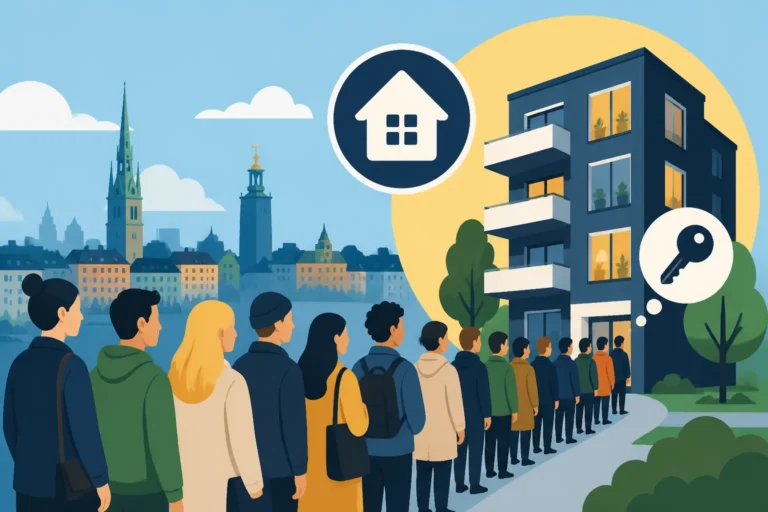
The famous "housing queue" (bostadskö) is a system you'll hear about constantly. It’s how you get those coveted first-hand contracts, but for central or popular family areas, the queue times can stretch into decades. Yes, decades. This means that for new arrivals, relying on the queue for immediate family housing is generally not realistic. Instead, families often need to consider a combination of second-hand rentals, perhaps exploring areas slightly further out, or, for those with sufficient funds and long-term plans, even Buying Property in Sweden as a Foreigner: A Complete Guide. The housing type also varies wildly; while some areas offer detached houses (often called villa or radhus for terraced homes), many family-friendly neighbourhoods in Stockholm still consist predominantly of apartments. So, adjusting your expectations about living space and garden size might be necessary.
Top Family-Friendly Neighbourhoods in Stockholm (and Why)
Stockholm is a spread-out city, made up of many islands, peninsulas, and mainland areas, each with its own character. For families, the key is often finding a balance between greenery, good schools, a manageable commute, and available housing. Here are some of the areas that consistently come up as top contenders for families.
Suburbs North of the City
Heading north from the city centre, you'll discover a range of attractive suburbs that offer a quieter, greener lifestyle without sacrificing good transport links.
Sollentuna is often a popular choice for families, and for good reason. It boasts an abundance of nature with beautiful lakes like Norrviken and Rösjön, offering swimming in summer and ice skating in winter. The municipality is known for its excellent schools and förskolor, making it highly sought after by parents. You'll find a mix of housing here, from charming detached houses with gardens to modern apartment complexes, catering to various budgets (though still competitive). The commuter train (Pendeltåg) provides a quick and efficient connection to Stockholm Central, typically taking around 15-20 minutes, which is a huge plus for working parents. There's a decent shopping centre, Sollentuna Centrum, and numerous sports clubs and leisure activities for kids. The community here is well-established, with many families putting down roots. It strikes a great balance between suburban peace and urban accessibility, which is why it's a veteran expat favourite.
Täby is another strong contender further north-east. It’s known for its spacious feel, picturesque landscapes, and a slightly more upscale vibe in certain pockets. Täby is rich in equestrian facilities, golf courses, and nature reserves, appealing to families who value outdoor pursuits. Like Sollentuna, it has a solid reputation for its schools and childcare options. Housing primarily consists of detached and semi-detached houses, making it an attractive option for those looking for more space and a garden. The Roslagsbanan light rail connects Täby to Stockholm Östra station, which is then a short metro ride to T-Centralen. The commute is a bit longer than from Sollentuna, but for many, the extra space and natural environment are worth it. You'll find a larger shopping mall, Täby Centrum, which is a destination in itself.
Danderyd, just south of Täby, is one of Stockholm's most affluent municipalities. If budget isn't your primary concern, Danderyd offers stunning properties, exceptional schools, and beautiful natural surroundings, including parts of the Royal National City Park. It's incredibly green and peaceful, yet very close to the city via the red metro line. However, housing is primarily large detached houses, making it extremely expensive and less accessible for many expat families starting out. It’s more of an aspirational area for many, but certainly ticks all the family-friendly boxes if you can afford it.
Suburbs South and West of the City
Moving to the south and west, you’ll find areas with different charms, often characterized by a slightly older, more established feel or modern developments with excellent infrastructure.
Bromma, located west of the city centre, is a highly desirable area for families. It’s famously green, with a mix of lovely parks, forests, and proximity to Lake Mälaren. Bromma boasts a rich history with many beautiful older houses, but also newer developments. The diverse housing stock includes detached houses, terraced homes, and apartment buildings, meaning there’s a broader range of options than in some other areas. Commuting is convenient, with several green metro line stations and good bus connections. Many parts of Bromma are well-regarded for their schools and are within easy reach of the city while maintaining a distinctly suburban, calm atmosphere. Being close to Bromma Airport also adds a layer of convenience for frequent travellers, though noise can be a factor in some specific spots. The area truly embodies the Swedish ideal of having nature on your doorstep while still being connected to urban life.
Enskede-Årsta-Vantör, particularly the specific neighbourhoods of Gamla Enskede and Enskede Gård, in the south, offers a wonderful "garden city" feel. Gamla Enskede, with its charming early 20th-century houses and winding streets, feels like a village within the city. It’s incredibly popular for families, known for its strong community, quiet streets, and excellent schools. Enskede Gård is a bit more diverse in its housing, including a mix of older apartments and houses, and offers great value while retaining much of the Enskede charm. Both areas are incredibly green, with plenty of parks and easy access to the Nackareservatet nature reserve. The green metro line provides excellent connections to the city centre. These areas really offer a slice of traditional Swedish family life, making them incredibly appealing to those seeking that classic charm and a strong sense of belonging. They’re also well-serviced with local amenities, including smaller shops and cafes.
Further south, Liljeholmen and Årstadal have undergone significant transformation in recent years, becoming vibrant, modern hubs. While more apartment-centric, they offer incredibly efficient public transport (red metro line and tram connections), fantastic infrastructure, and surprisingly good access to nature along Årstaviken bay. Here, you’ll find modern schools and förskolor integrated into the new developments. These areas are ideal for families who appreciate contemporary living, shorter commutes, and don't necessarily need a sprawling garden. The mix of modern apartments and proximity to water and green walking paths makes them surprisingly family-friendly for an inner-city fringe location. They also offer a plethora of services, from large supermarkets to gyms and cafes.
Inner City but Still Family-Focused
Yes, it's possible to raise a family in the inner city, though it often means trading garden space for convenience and urban vibrancy.
Kungsholmen, especially the western and northern parts closer to Rålambshovsparken and along the waters of Karlbergssjön, offers a fantastic blend of city living and green respite. Rålambshovsparken itself is a huge draw for families, with playgrounds, open spaces, and events. There are plenty of apartment buildings suitable for families, and while green spaces might be shared rather than private gardens, they are plentiful and well-used. The blue metro line provides excellent connectivity, and you're surrounded by cultural attractions and amenities. Schools on Kungsholmen are generally well-regarded, and you'll find a dynamic mix of international and local families. It's a great option for those who want to be able to walk to many places and enjoy the energy of the city, while still having ample opportunities for outdoor activities with children.
Södermalm, particularly the quieter southern slopes or areas around Hornstull and Årstaviken, can also be surprisingly family-friendly. While famously trendy, Södermalm offers stunning views, a unique artistic vibe, and many beautiful parks like Tantolunden. Housing here is almost exclusively apartments, but many are spacious older units. The area is packed with excellent förskolor and schools, and the vibe is often very relaxed and accepting. The green and red metro lines crisscross the island, making commutes easy. Families here often embrace the urban lifestyle, making use of the countless cafes, restaurants, and cultural spots that are often child-friendly. It might lack the detached houses of the suburbs, but it more than makes up for it in character, convenience, and a vibrant, diverse community.
Practical Considerations for Families Choosing a Neighbourhood
Beyond the general vibe, there are concrete, everyday aspects that families must consider when evaluating a potential neighbourhood. These are the things that impact your daily life, your sanity, and your children’s well-being.
Commute Times and Public Transport
Stockholm's public transport system, operated by SL, is generally excellent, but commute times can vary dramatically depending on where you choose to live and where you work. For families, a lengthy or complicated commute can eat into precious family time and add unnecessary stress. Before committing to an area, use online journey planners (like SL's own app or Google Maps) to check realistic door-to-door travel times to work, schools, and any regular activities. Consider the number of changes required and how crowded trains or buses might be during peak hours. If one parent has to travel across the city, it might be worth choosing a neighbourhood that balances both parents' commutes. A good internet connection is vital for planning these journeys, especially when you first arrive. Consider getting a local eSIM from a provider like Airalo upon arrival to ensure you have data to navigate and research on the go, without relying solely on patchy public Wi-Fi.
Access to Nature, Parks, and Playgrounds
For Swedish families, access to nature isn't a luxury; it's a fundamental part of childhood. Swedes have a strong belief in friluftsliv – the open-air life – and this is reflected in the prevalence of well-maintained parks, forests, and waterfront areas even within urban zones. When looking at a neighbourhood, actively seek out its green spaces. Are there playgrounds suitable for different age groups? Are there walking or cycling paths safe for children? Does it have proximity to a larger nature reserve, a lake, or the archipelago for weekend excursions? For example, areas near Nackareservatet or around Lake Mälaren offer fantastic opportunities. Even in the inner city, parks like Rålambshovsparken on Kungsholmen or Tantolunden on Södermalm become extensions of people’s living rooms during warmer months. These spaces are crucial for physical activity, mental well-being, and social interaction for both children and parents.
Schools, Förskola, and Childcare
This is often the number one priority for expat families. Sweden has a comprehensive system of förskola (preschool for ages 1-5) and grundskola (compulsory school for ages 6-16). Your child will be assigned to a local school based on your registered address (folkbokföring). While you can express preferences, getting into a highly sought-after school or förskola can be challenging. It's wise to research the specific schools and förskolor in any potential neighbourhood. Most municipalities have websites where you can find information, sometimes even statistics on student performance or parent satisfaction. Starting the application process for förskola as soon as you have your Getting Your Personnummer: The Gateway to Swedish Healthcare and registered address is crucial, as there can be queues, especially in popular areas. Remember that preschool fees are capped by the maxtaxa system, meaning costs are reasonable and income-dependent, a massive relief for many families.
Amenities and Services
Beyond schools and parks, think about the day-to-day practicalities. Are there grocery stores conveniently located? Major chains like ICA, Coop, and Willys are ubiquitous, but local availability can differ. What about healthcare access? You'll want to ensure you have a Registering with a Vårdcentral: Your Guide to Primary Care in Sweden nearby, which is your local health centre for general medical needs. Are there local libraries, which often run children's story times and activities? What about sports facilities or cultural centres? Consider how easy it is to access other essential services. Knowing that a local apotek (pharmacy) is within walking distance for when someone inevitably gets sick is reassuring. A comprehensive local infrastructure makes daily life much smoother, reducing the logistical burden on busy parents.
Here's a quick comparison of some popular family-friendly neighbourhoods:
| Neighbourhood (Municipality) | Typical Housing Type | Commute to T-Centralen (approx.) | Green Space & Nature Access | Family Vibe & Amenities |
|---|---|---|---|---|
| Sollentuna | Houses, Terraced, Apartments | 15-20 min (Pendeltåg) | High (Lakes, Forests, Parks) | Established, calm, good schools, sports |
| Bromma | Houses, Terraced, Apartments | 20-30 min (Green Metro/Bus) | High (Parks, Lake Mälaren) | Popular, green, diverse, community feel |
| Gamla Enskede | Houses, Terraced | 15-20 min (Green Metro/Bus) | High (Parks, Nackareservatet) | Charming, village-like, strong community |
| Liljeholmen/Årstadal | Modern Apartments | 10-15 min (Red Metro/Tram) | Medium (Waterfront, Parks) | Modern, convenient, vibrant, urban |
| Kungsholmen (West) | Apartments | 5-10 min (Blue Metro/Bus) | Medium (Rålambshovsparken) | Central, lively, good balance, city parks |
| Täby | Houses, Terraced | 25-35 min (Roslagsbanan/Bus) | High (Forests, Lakes, Equestrian) | Spacious, upscale, outdoor-focused |
Please remember that average prices can fluctuate wildly and are highly dependent on the specific size, condition, and exact location within these areas. This table is meant to give a general comparative overview.
Disclaimer
The information provided in this guide is intended for general informational purposes only and does not constitute legal, financial, or medical advice. While we strive to offer accurate and up-to-date content based on our experiences and available public information, rules and regulations in Sweden can change rapidly. We strongly advise you to consult official government sources, legal professionals, or relevant experts for advice tailored to your specific situation before making any decisions related to housing, immigration, or healthcare in Sweden.