How Long Is the Housing Queue in Stockholm Really?
Ah, the Stockholm housing queue. If you’ve spent more than five minutes chatting with another expat in Sweden, you’ve undoubtedly heard the hushed, almost mythical tales of its impossible length. It’s a beast, a formidable barrier for newcomers, and a source of endless frustration even for long-time residents. This guide is here to cut through the folklore and give you the real, unvarnished truth about how long you can expect to wait, what factors are at play, and crucially, what you can actually do about it.
Understanding the Stockholm Housing Queue: The Basics and the Reality
Let's not sugarcoat it: securing a first-hand rental contract (a förstahandskontrakt) in Stockholm through the official housing queue is a marathon, not a sprint. For many, it feels more like an ultra-marathon, possibly run across several decades. But what exactly is this elusive housing queue, and why does it inspire such dread and resignation among us foreigners (and plenty of Swedes too)?
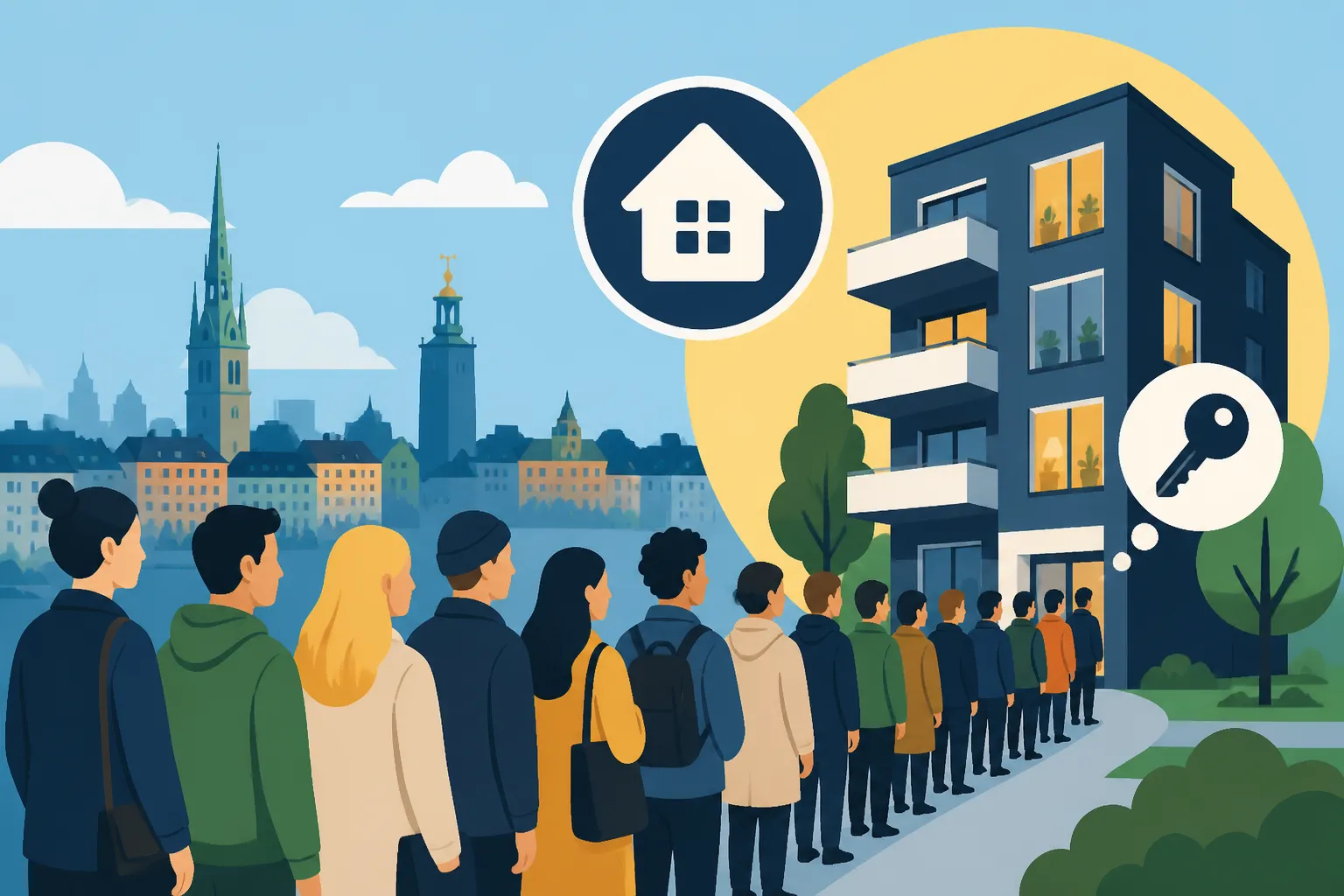
The Stockholm housing queue, officially managed by Bostadsförmedlingen i Stockholm, is the central portal for allocating most first-hand rental apartments in the city. The fundamental principle is simple: the longer you’ve been registered in the queue, the more "queue days" you accumulate, and the higher your chances of being offered an apartment. Sounds fair, right? In theory, yes. In practice, Stockholm has been experiencing a significant housing shortage for decades, leading to a situation where demand far outstrips supply, and queue times have ballooned to extraordinary lengths.
For new arrivals, this system can be particularly bewildering and disheartening. You land in Sweden, perhaps with a promising job offer or a university placement, full of hope, only to find that securing a basic place to live is arguably the biggest hurdle you'll face. You might have friends or colleagues who signed up years ago, even as teenagers, just to get a head start. And they were right to do so. The sheer scale of the queue means that for anyone starting from scratch today, with zero queue days, the prospect of a first-hand contract feels like winning the lottery, just with less immediate gratification and more paperwork. This is why many of us rely heavily on the second-hand market, which we’ll delve into later. For those eager to understand the full process, our guide on How to Register for the Housing Queue (Bostadskö) in Sweden is an excellent place to start, even if the waiting times feel daunting.
What is a First-Hand Contract and Why is it Gold?
A first-hand contract isn't just a piece of paper; it's a golden ticket in Sweden. It signifies that you are the primary tenant, renting directly from the property owner (often a municipal housing company or a private landlord with a large portfolio). These contracts come with incredible security of tenure (besittningsskydd), meaning it's incredibly difficult for a landlord to terminate your lease without very specific, legally defined reasons. The rent is also generally regulated and lower than what you’d find on the second-hand market for comparable properties.
Contrast this with a second-hand contract (andrahandskontrakt), where you rent from someone who holds the first-hand contract or owns a bostadsrätt (a co-op apartment). These are typically for fixed periods, often 6-12 months, and while they can be extended, they lack the same security and flexibility. The rent can also be significantly higher, often reflecting market rates rather than regulated "utility value" (bruksvärde) rents. The challenge, of course, is that almost every new expat, and indeed many young Swedes, must start in the second-hand market due to the queue. You can find more detailed information on the nuances in our article about First-Hand vs Second-Hand Rental Contracts in Sweden: Key Differences.
The Cold Hard Numbers: Real Waiting Times and What Influences Them
So, let's get down to brass tacks: how long is the housing queue in Stockholm really? This is where it gets complicated because there isn't one single answer. It depends heavily on where you want to live, what size apartment you need, and frankly, how lucky you are. However, we can talk in averages, and these averages can be quite eye-opening for someone just starting their journey in Sweden.
The official Bostadsförmedlingen website provides statistics, but even those can be a bit overwhelming. The general consensus, and what my fellow expats and I have experienced over the years, is that for a desirable apartment in a central area of Stockholm, you are looking at many, many years – often well over a decade.
Average Queue Times by Area and Apartment Size
To give you a clearer picture, let's break down some realistic expectations for queue times. Remember, these are averages and highly sought-after apartments or specific popular areas will always demand significantly longer waits.
| Apartment Size/Location | Average Queue Time (Years) | What This Means in Reality |
|---|---|---|
| Central Stockholm (1-2 rooms) | 10-20+ | Think Södermalm, Vasastan, Östermalm, Kungsholmen. These are the dream locations, and they require immense patience. You likely needed to register as a teenager to stand a chance as an adult. |
| Central Stockholm (3+ rooms) | 15-25+ | Larger family apartments in central areas are even rarer. Many families find themselves forced to look further out or navigate the second-hand market for years. |
| Inner Suburbs (1-2 rooms) | 5-10 | Areas like Liljeholmen, Hammarby Sjöstad, Solna, Sundbyberg (still very popular and well-connected). More achievable than central, but still a significant wait for a newcomer. |
| Inner Suburbs (3+ rooms) | 8-15+ | Even in these areas, larger apartments are competitive. |
| Outer Suburbs (1-2 rooms) | 2-5 | Areas like Skärholmen, Hagsätra, Tensta, Kista. These are much more realistic for someone with a few years of queue time. They offer good public transport links but are further from the city center. |
| Outer Suburbs (3+ rooms) | 3-8 | Again, larger apartments will always be in higher demand. |
| Student Housing | 0-3 | Student housing queues are separate and generally much shorter, but you must be an active student. Even here, popular student areas or specific types of accommodation can have queues of a year or more. |
| Elderly Housing | Varies, often shorter | Also separate queues, with eligibility criteria based on age and need. |
Disclaimer: These are approximate averages based on anecdotal evidence from expats and public statistics from Bostadsförmedlingen, and they can fluctuate significantly depending on the specific property, demand, and year.
As you can see, for anyone arriving today with zero queue days, the immediate future for a first-hand contract looks bleak. This is why the advice is universally, unequivocally: register in the queue immediately, even if you don't think you'll stay forever. Every single day counts. Our guide on Accumulating Queue Days: Why You Should Register Today in Sweden explains this crucial point in detail. You pay a small annual fee (around 200-250 SEK) to maintain your spot, and it's a small price to pay for future security.
Factors Influencing Your Wait Time
Several factors determine how quickly (or slowly) you progress in the queue:
- Location, Location, Location: As the table above illustrates, central and popular areas will always have the longest queues. If you're flexible and willing to live further out, your wait time decreases dramatically.
- Apartment Size: Smaller apartments (1-2 rooms) often have more turnover, but also attract a huge number of applicants, so the wait can still be long. Larger apartments (3+ rooms) are less common and thus also highly competitive.
- Type of Landlord: Some municipal housing companies might have slightly different policies or faster turnover than others, though generally, the queue applies across the board for Bostadsförmedlingen properties.
- Income Requirements: Many landlords through Bostadsförmedlingen have income requirements, typically demanding that your gross income is at least three times the monthly rent. If you don't meet this for a particular apartment, you won't be considered, regardless of your queue days.
- Specific Features: Apartments with a balcony, newly renovated, or with specific amenities might attract even more interest and thus require more queue days.
The system is designed to provide fair access over the long term, but for the short and medium term, especially for newcomers, it necessitates a heavy reliance on other options.
Navigating the Queue: Strategies and Alternative Paths
Given the daunting queue times, relying solely on Bostadsförmedlingen is simply not a realistic option for most people arriving in Stockholm. Instead, you'll need to develop a multi-pronged approach, focusing heavily on the second-hand market while patiently accumulating those precious queue days.
Actively Managing Your Queue Membership
First and foremost, if you haven't already, register for the housing queue today. Seriously, stop reading for a minute and go do it. It's a small annual fee, and those queue days start adding up from the moment you register. Think of it as investing in your future peace of mind.
Once registered, you need to actively "queue" for apartments. Bostadsförmedlingen lists available apartments daily, and you apply for those that match your criteria. It's not enough to just be in the queue; you need to express interest in apartments. However, don't just apply for everything! Every apartment you're offered, and decline, counts towards a certain limit (often 2-3 offers per year, though this can vary), so be strategic. Focus on apartments you would genuinely consider living in. Many people apply for dozens, if not hundreds, of apartments over the years before they get a viable offer.
Keep your contact information updated on Bostadsförmedlingen.se, and make sure you understand the income requirements for each property. Don't waste your precious "offer" slots on properties where you clearly don't meet the criteria.
The Second-Hand Market: Your Most Realistic Short-Term Solution
For the vast majority of expats and new arrivals in Stockholm, the second-hand market (andrahand) is where you'll find your first (and perhaps second, and third) home. This involves renting from someone who holds a first-hand contract or owns their apartment and is temporarily subletting it.
The second-hand market is a wild west compared to the regulated first-hand system. You need to be diligent, cautious, and quick. Here are the key platforms and tips:
-
Online Portals:
- Blocket Bostad: This is probably the biggest and most active platform for second-hand rentals. Be prepared for a huge number of listings, but also a huge amount of competition. New listings go up constantly, so set up alerts.
- Qasa: A popular platform specifically designed for second-hand rentals, aiming to offer a more secure process with digital contracts and payment handling. Many landlords prefer Qasa for its ease of use and reduced administrative burden.
- Facebook Groups: There are numerous Facebook groups dedicated to housing in Stockholm (e.g., "Lägenheter i Stockholm", "Apartments in Stockholm"). These can be hit-or-miss but sometimes offer more direct contact with landlords. Be extra cautious about scams here.
- Spotahome: This is a fantastic resource for expats, especially those moving from abroad who need to secure housing before they even land. Spotahome specialises in mid-to-long term rentals (often 1 month to a year or more) and, critically, verifies properties and offers virtual tours. It provides a layer of security and convenience that other platforms often lack, making it a valuable option when you can't view in person. They focus on verified listings, which greatly reduces the risk of scams that are unfortunately prevalent in the open second-hand market.
-
Network, Network, Network: Tell everyone you know that you're looking for an apartment. Many second-hand rentals are found through word-of-mouth. Leverage your professional network, expat groups, and friends of friends.
-
Be Prepared and Act Fast: When you find a promising listing, respond immediately. Have a short, polite introduction ready in both English and Swedish (if you can manage). Be prepared to provide references (even if they are from your home country), proof of income, and a brief description of yourself. Landlords receive dozens, if not hundreds, of applications.
-
Beware of Scams: This cannot be stressed enough. Never pay a deposit or rent before you have a signed contract and have seen the apartment (or had a trusted friend see it). If a landlord asks for money upfront without a contract, or wants you to use an unusual payment method, it’s a red flag. Always get a clear, written contract that specifies rent, deposit, notice period, and what's included. Our guide on Avoiding Rental Scams in Sweden's Tight Housing Market has more in-depth advice.
While searching, having reliable communication is key. You'll need to respond to messages, arrange viewings, and get updates. Before you even have a Swedish phone number, getting an eSIM from a provider like Airalo can ensure you're connected from the moment you land, so you don't miss out on those critical housing leads.
Understanding Your Rights as a Second-Hand Tenant
Even in the second-hand market, you have rights. The Swedish Rental Act (Hyreslagen) offers some protection, though less than a first-hand contract. Make sure the person subletting to you has permission from their landlord or their bostadsrättsförening (housing co-op association). If they don't, it could lead to issues. If you run into disputes, the Hyresnämnden: Resolving Rental Disputes in Sweden is the body to contact. It’s also wise to consider Joining Hyresgästföreningen: Should You Become a Member?, as they offer legal advice and support for tenants.
Living While You Wait: Practicalities and Temporary Solutions
Since the long wait is an inescapable reality for most, it's crucial to have a plan for how you'll manage your living situation in the interim. This means embracing temporary solutions and understanding the practicalities of setting up your life without a permanent address from day one.
Short-Term and Temporary Accommodation
Many newcomers start with short-term solutions, often found before they even arrive:
- Airbnb/Short-Term Rentals: Great for the first few weeks or months. It gives you a base from which to actively search for a more stable second-hand rental. The downside is the cost, which can be significantly higher.
- Hostels or Hotels: A last resort for very short stays, but quickly becomes expensive.
- Friend's Sofa/Spare Room: If you're lucky enough to know people in Stockholm, this can be a lifesaver for the initial transition.
- Corporate Apartments: Some larger companies provide temporary accommodation for new hires, especially expats. If your employer offers this, seize the opportunity!
The Importance of a Personnummer and Official Address
While you're navigating the housing hunt, Getting Your Personnummer: The Gateway to Swedish Healthcare is paramount. This ten-digit personal identity number is your key to almost everything in Sweden, including opening a bank account, getting a mobile phone contract, and properly registering your address. Without it, you'll feel like you're stuck in limbo, as many critical services are inaccessible.
Once you find a stable second-hand rental (even if it's not a first-hand contract), you should register your address with Skatteverket (the Swedish Tax Agency). This process, known as folkbokföring, officially registers you in the Swedish population register. It's not just a bureaucratic step; it's fundamental to establishing your legal residence, which impacts your access to healthcare, schools for children, and various social benefits. Our guide on Registering Your Move (Flyttanmälan) with Skatteverket explains this in detail. Be aware that if you're renting second-hand, the landlord needs to confirm you live there, and some might be hesitant if they haven't officially reported the sublet to their own landlord or BRF. This is another reason to ensure your sublet is legitimate.
After getting your Personnummer and registering your address, you can finally apply for a Getting a Swedish ID Card After Your Personnummer, which will make daily life much smoother – from picking up packages to proving your identity at the bank.
Setting Up Your Home
Once you secure an apartment, even a temporary one, you'll need to set up utilities and internet. This usually means signing contracts for electricity (el-avtal) and broadband. You can find more information on this in our guide on Setting Up Your Home in Sweden: Utilities, Internet, and Insurance. Don't forget home insurance (hemförsäkring), which is practically mandatory even for renters and offers crucial protection for your belongings and against liability.
The reality of the Stockholm housing queue is harsh, but it's not impossible to navigate. It requires patience, persistence, and a willingness to explore all available avenues, especially the second-hand market. While waiting for those queue days to mature, focusing on securing a stable temporary home and getting your administrative affairs in order (like the Personnummer and official address) will lay the groundwork for a successful life in Sweden.
Disclaimer
The information provided in this guide is for general informational purposes only and does not constitute legal or financial advice. Housing laws, queue times, and application processes in Sweden can change. While every effort has been made to ensure accuracy, readers should always consult official sources, such as Bostadsförmedlingen i Stockholm, Skatteverket, Migrationsverket, or qualified legal professionals, for the most up-to-date and personalized information.