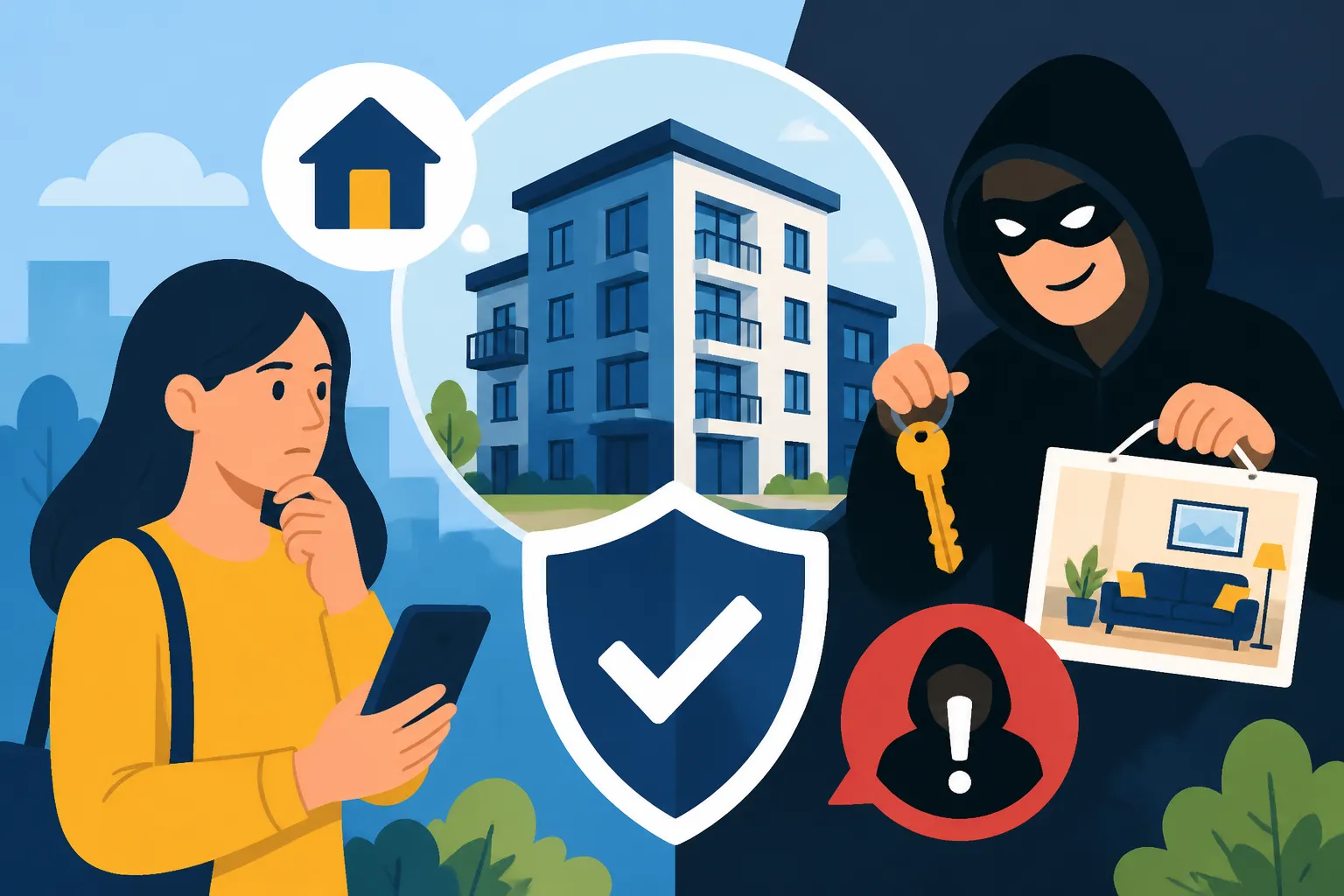
Avoiding Rental Scams in Sweden’s Tight Housing Market
Oh, the Swedish rental market. If you’ve just arrived or are planning your move, you’ve probably already heard the whispers, or perhaps even experienced the blunt reality: it's notoriously tough. The competition is fierce, especially in our major cities like Stockholm, Gothenburg, and Malmö, and this unforgiving landscape unfortunately creates fertile ground for cunning rental scams. It’s enough to make even the most seasoned expat want to pull their hair out. This guide is here to arm you with the knowledge to identify, avoid, and report these insidious traps, ensuring your search for a home is as safe as possible.
The Harsh Reality of Sweden's Rental Market
Let's be brutally honest: finding a place to rent in Sweden, especially a first-hand contract, can feel like winning the lottery. The demand far outstrips supply, leading to ridiculously long housing queues and a thriving, albeit complicated, second-hand market. This constant pressure, where good apartments are snatched up in minutes, puts newcomers and even long-term residents in a vulnerable position, making them prime targets for those looking to exploit their desperation.
Why Scams Thrive in a Seller's Market
Imagine a scenario where dozens, sometimes hundreds, of people are vying for a single apartment. Landlords and property owners hold all the cards, and the power dynamic is heavily skewed. In such an environment, scammers find it incredibly easy to blend in. They leverage the general panic and the fear of missing out, knowing that prospective tenants are often willing to overlook minor red flags in their eagerness to secure a roof over their heads. This scarcity is the scammer's best friend. They create fake listings that appear just plausible enough to hook someone, preying on the fact that you might feel you don't have the luxury of being too critical.
The truth is, while Sweden is generally a very trusting society, this tight market means you absolutely cannot let your guard down. When apartments are scarce, people are more likely to make quick decisions, and scammers are masters at exploiting that urgency. They know you're tired of searching, that you might be living in temporary accommodation, and that the pressure to find something permanent is immense. This desperation can cloud judgment, leading many good, honest people to fall for well-crafted cons.
The Desperation Trap: How Scammers Exploit Vulnerability
Newcomers, especially, are often caught in this "desperation trap." You arrive in Sweden, perhaps without a local network, a [[Personnummer]], or even a basic understanding of the rental system. You're likely stressed about all the other administrative hurdles of Housing and Living in Sweden: The Complete Newcomer's Guide (2027). Scammers are acutely aware of this vulnerability. They specifically target individuals who might not be familiar with Swedish rental laws, common practices, or even what a standard rental contract looks like.
They might offer an apartment at a slightly lower-than-market rate, just enough to seem like a great deal without being suspiciously cheap. They might promise to overlook a lack of employment history or a short stay in the country, appealing directly to the challenges you're facing. The emotional toll of an endless apartment hunt can also wear you down, making you susceptible to anyone who offers a seemingly easy solution. It's a psychological game, and sadly, many foreigners in Sweden have learned this the hard way. They dangle the carrot of a quick solution, preying on your desire to settle down and start your new life.
Common Rental Scam Tactics to Watch Out For
Scammers employ a range of tactics, from the fairly obvious to the incredibly sophisticated. Knowing these common methods is your first line of defence.
The "Too Good to Be True" Offer
This is the classic red flag. An apartment listed in a prime city location, newly renovated, with all utilities included, and significantly below the average market rent? Alarm bells should be ringing louder than a Viking horn. In Sweden, especially in the major metropolitan areas, rental prices are high. If a listing seems unbelievably generous, it almost certainly is. For example, a two-room apartment (what Swedes call a tvåa) in central Stockholm for 8,000 SEK a month is simply not realistic; you’d typically expect to pay upwards of 15,000-20,000 SEK, if not more, for a similar space in a good location.
Scammers use these attractive prices to lure in many applicants quickly. They know that the lower the price, the more desperate people will be to secure it without asking too many questions. They capitalize on the idea that you've just "gotten lucky" to find such a gem. Always compare the advertised rent with similar properties in the same area on reputable sites. If it’s significantly cheaper, investigate it with extreme caution. Remember, you're looking for a home, not a bargain that will cost you much more in the long run.
Demands for Upfront Payments Before Viewing or Contract
This is perhaps the most prevalent and damaging scam. A scammer will demand a deposit, the first month's rent, or even an "application fee" before you've seen the apartment, signed a contract, or met them in person. They'll come up with various excuses: they're out of the country, they need to secure the booking, or it's a "holding fee" due to high demand. Let me tell you, this is never legitimate. In Sweden, you absolutely do not pay anything before a valid contract is signed and you have reasonable assurance of the property's existence and the landlord's legitimacy.
They might pressure you, saying there are many other interested parties, and if you don't pay now, you'll lose the opportunity. This urgency is a key tactic. A real landlord will want to meet you, show you the apartment, and ensure you're a suitable tenant before any money changes hands. If someone insists on payment through unconventional methods like Western Union, cryptocurrency, or gift cards, or asks you to transfer money to an account outside Sweden, run, don't walk. Legitimate landlords will use a Swedish bank account and transparent payment methods. For those still waiting on their How to Open Your First Swedish Bank Account Without a Personnummer, scammers might exploit this by suggesting alternative, less traceable payment methods.
Fake Listings and Non-Existent Properties
Scammers often create elaborate fake listings using stolen photos from real estate websites (often from properties that have already been sold or rented). They might even lift images from Airbnbs or vacation rentals abroad. The apartment they are advertising simply doesn't exist, or it's not theirs to rent. You might drive past the address, and the building is real, which adds a layer of convincing authenticity. However, the apartment itself might be entirely fictional, or occupied by someone who has no idea their home is being used in a scam.
A common variant of this is when the scammer claims to be abroad and unable to show the apartment. They might send you keys by mail after you've paid, but the keys will be fake, or never arrive. They'll insist you can "drive by and look at the exterior." Always insist on an in-person viewing of the interior of the actual apartment. If an in-person viewing isn't possible, a live video tour where the "landlord" shows you around in real-time and answers questions can be a second-best, but still proceed with extreme caution. Reputable platforms like Spotahome, however, often offer verified listings with pre-recorded videos and detailed floor plans, which can provide a safer alternative if you're renting remotely.
Impersonation and Unauthorised Subletting
Another cunning scam involves someone pretending to be the legitimate owner or tenant. They might have indeed rented the apartment themselves, but are illegally subletting it without the owner's or bostadsrättsförening's (housing co-op's) permission. While First-Hand vs Second-Hand Rental Contracts in Sweden: Key Differences are common, subletting usually requires explicit approval. If you rent from someone who doesn't have the right to sublet, you risk being evicted by the actual owner, losing your deposit, and having no legal recourse.
Sometimes, a scammer might even impersonate a legitimate landlord or real estate agent. They could have access to an apartment for a short period (perhaps through a legitimate viewing, or they were once a tenant) and use this opportunity to "rent" it out to multiple unsuspecting individuals, collecting deposits from each, before disappearing. Always verify the identity of the person you're dealing with against the actual property owner or main tenant. This often means asking for official identification and verifying it against property records or contact information for the building’s bostadsrättsförening or first-hand landlord. A quick search on Ratsit.se or Mrkoll.se (public records websites) using their Personnummer can often confirm their identity, though you'll need their full name and Personnummer for that.
Verifying Legitimacy: Your Due Diligence Checklist
The key to avoiding scams is thorough verification. You need to become a detective and assume nothing at face value.
Researching the Landlord or Agent
Before you even think about signing anything or transferring money, do your homework on the person or company offering the rental. If it's a private individual, ask for their full name and Personnummer (if they are reluctant to provide it, that's a red flag in itself, as this information is often public in Sweden for tax purposes). You can then use public record sites like Ratsit.se or Mrkoll.se to cross-reference their identity, see if they own the property, or if they have any betalningsanmärkningar (payment remarks) which could indicate financial instability. While not foolproof, this can give you a clearer picture.
If it's a real estate agent, verify their credentials with Fastighetsmäklarinspektionen, the Swedish supervisory authority for real estate agents. Look up the company online: do they have a professional website? Are there reviews? Do they belong to any reputable industry associations? A legitimate agent will have no problem providing their registration details. If the "landlord" claims to be a well-known agent but is communicating from a generic email address (e.g., gmail.com instead of @companyname.se), be very suspicious.
Inspecting the Property in Person (or Virtually)
This step is absolutely non-negotiable. Always, always, always inspect the property in person before agreeing to anything or paying. This allows you to confirm several crucial things:
- The property exists: Sounds basic, but a surprisingly common scam involves non-existent apartments.
- The person showing you the apartment has access: Do they have keys? Do they seem to know the place well? This helps confirm they are either the owner or have legitimate access.
- The condition matches the photos: Scammers often use outdated or heavily edited photos. An in-person visit reveals the true state.
- You can speak to neighbours: If possible, discreetly ask a neighbour about the landlord or the apartment's history. This isn't always feasible, but can provide valuable insights.
If you are abroad and cannot view the property yourself, try to arrange for a trusted friend or colleague in Sweden to do it for you. If that's not possible, insist on a live video call. Ask the "landlord" to pan the camera around, open cupboards, and even show the view from the window to prove it's a live feed of the actual apartment. If they refuse, or only offer pre-recorded videos, consider it a major red flag. Platforms like Spotahome specialize in verified listings, offering detailed videos and floor plans, which can mitigate some of this risk when you're unable to visit physically.
Understanding Swedish Rental Law and Contracts
Swedish rental law is complex, but it's designed to protect tenants. Familiarize yourself with the basics of Renting a Home in Sweden: How the First- and Second-Hand System Works and specifically, What to Check Before Signing a Rental Contract in Sweden. A legitimate landlord will use a standard Swedish rental contract, often provided by organisations like Hyresgästföreningen (the Swedish Tenants' Association) or Fastighetsägarna (the Swedish Property Owners' Association). These contracts are usually in Swedish, and while a landlord might provide an English translation, the official document will be in Swedish. If a contract is entirely in English, or looks unprofessional, be wary.
Always read the contract carefully before signing. Pay close attention to clauses regarding rent, deposit, notice periods (see Your Notice Period and How to End a Tenancy in Sweden), and subletting rules. If anything seems unusual or deviates significantly from standard Swedish practice, get a second opinion. You can often get advice from the Joining Hyresgästföreningen: Should You Become a Member? or a legal expert. Never be rushed into signing a document you don't fully understand.
The Importance of a Personnummer and BankID
As you navigate the administrative landscape of Sweden, you'll quickly discover that your Getting Your Personnummer: The Gateway to Swedish Healthcare is the key to almost everything, including many financial services and official processes. While it's possible to open a bank account without one, for instance, securing a long-term rental contract from a legitimate landlord often implicitly requires you to be registered with Skatteverket and have a Personnummer. This allows landlords to perform credit checks and verify your identity, which is a standard part of the rental process here.
Furthermore, a Getting BankID: Sweden's Essential Digital Identity is increasingly used for digitally signing contracts and verifying identity online. Many legitimate rental portals or housing companies use BankID for secure logins and contract handling. If a landlord is perfectly happy to rent to you without ever asking for your Personnummer or requiring BankID verification for the contract signing, it could be a sign that they're avoiding official channels, which might indicate an illegitimate setup. While some private landlords might be flexible, especially for very short-term rentals, for anything serious, expect to be asked for these details.
| Legitimate Rental Signs | Rental Scam Red Flags |
|---|---|
| Landlord/Agent is traceable (public records, FMI-registered) | Landlord/Agent difficult to verify, no online presence |
| Willingness for in-person viewings (or live video) | Insists on payment before viewing, only offers external photos |
| Uses standard Swedish rental contract (in Swedish) | Unprofessional contract, entirely in English, missing key details |
| Asks for Personnummer, ID, and legitimate references | Doesn't ask for ID, references, or seems too eager to rent to anyone |
| Rent is market-rate for the area and property type | Rent is significantly lower than market value, "too good to be true" |
| Requests deposit/first month's rent AFTER contract signing | Demands upfront payment (deposit, rent, fee) BEFORE contract/viewing |
| Prefers bank transfer to a Swedish bank account | Demands payment via Western Union, crypto, gift cards, or foreign account |
| Responsive, clear communication, answers questions directly | Evasive answers, poor grammar, pressure tactics, vague explanations |
| Allows contact with the bostadsrättsförening (if applicable) | Discourages contact with neighbours or building management |
| Provides keys at handover of apartment, after payment | Offers to mail keys after payment, claims to be abroad |
Red Flags and Warning Signs in Communication
The way a prospective landlord communicates can be just as telling as the details of the apartment itself. Pay close attention to their tone, responsiveness, and the methods they prefer for interaction and payment.
Pressure Tactics and Urgency
Scammers love to create a sense of urgency. You’ll hear lines like, "Many people are interested, you need to decide now!" or "If you don't pay the deposit today, I'll give it to someone else." This is designed to panic you into making a hasty decision without proper due diligence. A legitimate landlord, while certainly wanting to rent their property quickly, will typically allow you reasonable time to review the contract, ask questions, and even consult with others. They understand that securing housing is a significant decision.
If you feel pressured, take a step back. A good rule of thumb is that if someone is trying to rush you into a major financial commitment, it's probably for their benefit, not yours. Don't let the fear of missing out override your critical thinking. There might be a queue, as is common with The Swedish Housing Queue Explained: Bostadskö and Queue Days, but legitimate processes don't involve high-pressure sales tactics.
Poor Communication and Reluctance to Share Information
Vague answers, inconsistent information, or a general reluctance to provide clear details are major red flags. If you ask specific questions about the apartment, the building, or the rental process and receive evasive, generic, or poorly worded responses, be suspicious. This is especially true if the communication style is overly informal or contains numerous grammatical errors, which can sometimes indicate someone is not a native Swedish speaker or is using translation software to scam internationally.
A legitimate landlord or agent will be transparent and forthcoming with information. They should be able to answer questions about utilities, the building's rules, the bostadsrättsförening (if it's a bostadsrätt apartment – see Understanding Bostadsrätt: Buying into a Swedish Housing Co-op), and their own identity. If they refuse to provide a phone number, prefer only email or WhatsApp, or frequently change their story, it's time to walk away. You need reliable ways to communicate, especially if you're just arriving in Sweden. Having a functional, local or international, data plan from a provider like Airalo can ensure you stay connected and responsive to legitimate inquiries, while also allowing you to perform your own research and verification calls without connectivity issues.
Payment Methods Demanded by Scammers
As mentioned earlier, the payment method is a crucial indicator. Scammers almost always insist on untraceable or irreversible payment methods. This includes:
- Western Union or MoneyGram: These services are designed for sending money to friends and family, not for commercial transactions with strangers. Once sent, the money is usually impossible to retrieve.
- Cryptocurrency: While legitimate businesses sometimes accept crypto, it's highly uncommon for private landlords in Sweden. Crypto transactions are often irreversible.
- Gift Cards: Any request for payment in gift cards (iTunes, Amazon, etc.) is a definite scam.
- Bank transfers to foreign accounts: If the landlord insists on a bank transfer to an account outside Sweden, even if they claim to be abroad, be very suspicious. Legitimate Swedish landlords will use a Swedish bank account.
Always insist on a standard bank transfer to a Swedish bank account, and only after a signed, legitimate contract is in hand, and you have physically verified the property and the landlord’s identity. When you receive the account details, it's always good practice to double-check that the name on the account matches the name of the landlord on the contract.
Language Barriers and Dodgy Explanations
While many Swedes speak excellent English, and some landlords are foreigners themselves, a consistent reliance on poor English or nonsensical explanations can be a sign of a scam. Scammers often use generic scripts and may struggle to deviate from them or answer detailed questions. They might also use a language barrier as an excuse for not meeting in person or providing specific documents.
If you find yourself constantly confused by their explanations or they seem unable to grasp simple questions, don't just put it down to a "cultural difference." It could be a deliberate tactic to obscure their intentions or hide the fact that they don't actually have an apartment to rent. You need clear, concise communication when making such an important decision.
Platforms and Resources for Safer Renting
While the market is tough, there are legitimate avenues and resources designed to help you find a home safely in Sweden. Don't be afraid to use them.
Reputable Rental Portals and Housing Queues
Your first port of call should always be the established and reputable platforms. For first-hand contracts, the municipal housing queues are the most official, albeit often slowest, route. Registering for the How to Register for the Housing Queue (Bostadskö) in Sweden as soon as you know you're moving to Sweden is crucial for building Accumulating Queue Days: Why You Should Register Today in Sweden.
For second-hand rentals, which are far more common for newcomers, stick to well-known Swedish sites and platforms that have some level of vetting or tenant protection. Sites like Blocket Bostad, Hemnet (though primarily for purchases, sometimes has rentals), and Qasa are commonly used. Some niche platforms or larger agencies also exist.
When using these platforms:
- Be wary of direct email contact: Many scams start by directing you off the platform to a private email conversation. While legitimate discussions do happen, be extra cautious if they immediately try to avoid the platform's messaging system.
- Look for verification features: Some platforms offer landlord verification or secure payment systems. Utilize these features.
- Consider platforms with enhanced security: For instance, international platforms like Spotahome offer verified properties, often including video tours and secure booking systems, which can be invaluable for expats looking for Finding a Second-Hand Rental (Andrahand) in Sweden Safely before they even arrive in Sweden.
Seeking Support and Advice from Tenant Organisations
In Sweden, tenants have strong rights, and there are organizations dedicated to protecting them. The most prominent is Hyresgästföreningen (the Swedish Tenants' Association). For a small annual fee, membership provides legal advice, contract reviews, and support in disputes with landlords. If you're unsure about a contract or suspect a scam, they can be an invaluable resource. The Hyresnämnden: Resolving Rental Disputes in Sweden is the official body for resolving rental disputes, and Hyresgästföreningen can guide you through that process if needed.
Don't hesitate to reach out to them or other expat communities and forums. Other expats have often been through similar experiences and can offer advice, share warnings, or even recommend trusted landlords or agencies. A collective experience is a powerful tool against scammers.
Legal Recourse and Reporting Scams
If you do unfortunately fall victim to a rental scam, it's vital to report it.
- Report to the Police (Polisen): File a police report as soon as possible. Even if the money is gone, reporting helps authorities track down scammers and prevent others from falling victim. Provide all evidence you have: communication, bank transfers, fake contracts, etc.
- Contact Your Bank: Inform your bank immediately about any fraudulent transfers. While it's often difficult to recover money sent via untraceable methods, a bank transfer within Sweden might offer a slim chance of reversal, especially if it's reported quickly.
- Report to the Platform: If you found the scam through an online portal, report the listing and the user to the platform administrators. This helps them remove fraudulent listings and accounts, protecting other users.
- Seek Legal Advice: Consider consulting with Hyresgästföreningen or a legal professional, especially if you signed any document or have transferred money via a traceable method. They can advise you on potential legal recourse, although this can be challenging if the scammer is international or untraceable.
Remember, reporting is crucial. It helps protect the broader community and potentially allows authorities to intervene.
Navigating the Process as a Newcomer
Moving to a new country is exhilarating, but the housing hunt can quickly become overwhelming. Here's how to approach it smartly as a fresh arrival.
Strategies for Renting Before Arriving in Sweden
Finding housing before you arrive in Sweden is a common goal for expats, but it also presents the highest risk for scams since you can't view properties in person. If you must rent remotely, prioritize security above all else:
- Utilize Verified Platforms: Look for platforms that specialize in long-term furnished rentals for expats and offer verification services. Companies like Spotahome, for example, often have local teams that visit and verify properties, providing detailed listings, high-quality photos, and even video tours. This extra layer of vetting can significantly reduce your risk.
- Demand a Live Video Tour: As mentioned earlier, if you can't be there, have someone you trust conduct an in-person viewing. If that's not possible, insist on a live video tour where the landlord actively engages with you and shows you specific details you ask for.
- Beware of "Too Good to Be True" Deals (again!): These are even more tempting when you're trying to arrange everything from afar. Stick to realistic budgets and expectations for your desired location.
- Postpone Major Payments: Try to negotiate paying the full deposit and first month's rent after you arrive and have confirmed the apartment. This might not always be possible in Sweden's competitive market, but it's always worth asking. If you absolutely must pay something upfront, ensure it's a minimal, refundable amount through a secure payment gateway of a verified platform, not a direct transfer to an individual.
When communicating from abroad, a reliable connection is also critical. An eSIM service like Airalo can ensure you have stable internet and phone access from the moment you land, allowing you to quickly respond to legitimate landlords, conduct video calls, and verify information without scrambling for a local SIM card. This connectivity is your lifeline during those crucial first days of setting up.
Building Trust and Your Local Network
Swedish society values trust and personal recommendations. As a newcomer, you'll need to work on building both.
- Networking: Join expat groups on social media, attend meetups, and leverage your professional network. Sometimes, job opportunities come with relocation packages that include housing assistance or temporary accommodation, and your employer's HR department might have a list of trusted landlords or agencies.
- Personal References: Be prepared to provide references (from previous landlords, employers, or even academic institutions). A legitimate landlord will appreciate this.
- Show Genuineness: When you communicate with potential landlords, be polite, punctual, and transparent about your situation. If you don't have a Personnummer yet, explain your timeline for getting one and how you plan to manage payments until then. Many landlords are willing to work with honest, reliable tenants, even if they're new to Sweden.
The Swedish rental market can feel like an impossible maze, especially when you're trying to figure out things like Getting Your Personnummer: The Gateway to Swedish Healthcare and How to Open Your First Swedish Bank Account Without a Personnummer at the same time. But by being informed, cautious, and leveraging the right resources, you can protect yourself and secure a safe and comfortable home in your new country.
Disclaimer
The information provided in this guide is for general informational purposes only and does not constitute legal advice. While we strive to provide accurate and up-to-date information, rental laws and regulations in Sweden can change, and individual circumstances vary. It is always recommended to seek professional legal advice from a qualified Swedish lawyer or tenant association (like Hyresgästföreningen) regarding your specific situation before entering into any rental agreement. We cannot be held responsible for any actions taken or not taken based on the information in this article.