Buying Property in Sweden as a Foreigner: A Complete Guide
Navigating the Swedish housing market can feel like trying to solve a Rubik's Cube blindfolded, especially when you're dreaming of buying your own little slice of Lagom paradise. For us expats, the journey from "I need a place to live" to "I own property here" is often riddled with unique challenges, cultural nuances, and administrative hurdles that can leave even the most resilient among us scratching our heads. This guide is here to demystify the process of buying property in Sweden as a foreigner, drawing on years of expat experience to give you the real talk, detailed steps, and practical advice you won't find in a brochure.
Understanding the Swedish Property Market: It's Unique, Trust Me
If you’ve just arrived in Sweden, you might have heard whispers about “first-hand contracts” and “housing queues,” or perhaps someone mentioned a "bostadsrätt." It's easy to get lost in the terminology, but understanding the fundamental structure of the Swedish property market is the very first, crucial step. Unlike many countries where it’s a simple case of renting or buying, Sweden has a distinct system that heavily influences why many foreigners eventually lean towards purchasing property.
Hyresrätt vs. Bostadsrätt: The Fundamental Distinction
When you first land in Sweden, you'll primarily encounter two main types of residential housing: hyresrätt and bostadsrätt. Getting these straight is absolutely critical, as they represent entirely different legal and financial realities.
A hyresrätt is what most of us would recognize as a traditional rental apartment. You sign a contract with a landlord, who could be a private company, a municipal housing company, or an individual. You pay a monthly rent, and that's it – you have the right to use the apartment, but you don't own any part of the building or have a share in its collective assets. Your rights as a tenant are strong under Swedish law, but you have very little say in the building's management or finances. These are generally seen as secure, long-term options, but also notoriously difficult to obtain as a first-hand contract.
Now, a bostadsrätt is where things get interesting, and it’s the type of property you’ll most likely be looking to buy. The term literally translates to "housing right," but it's more accurately understood as a share in a housing cooperative (bostadsrättsförening, or BRF) which owns the entire building. When you "buy" a bostadsrätt, you're not actually buying the physical apartment itself; you're buying a membership share in the BRF, which then grants you the exclusive right to occupy a specific apartment within the building. This means you become a co-owner of the entire property (the land, the building, the communal areas) along with all the other members. This distinction is vital because it means you're not just buying an apartment; you're buying into an association and its collective economy.
The financial implications are also profoundly different. With a hyresrätt, your monthly cost is simply the rent. With a bostadsrätt, you pay an initial purchase price for the share, then a monthly fee (avgift) to the BRF. This avgift covers your portion of the BRF's running costs, such as maintenance, utilities for common areas, property taxes, and crucially, interest and amortization on the BRF’s collective loans. Understanding the BRF’s financial health is paramount, because if the BRF has high or poorly managed loans, your avgift can increase, directly impacting your personal finances. It’s a collective responsibility, and that’s a big mental shift for many newcomers.
The Elusive First-Hand Contract (Hyresrätt) and Why Buying Becomes an Option
So, why would anyone bother with the complexities of buying into a BRF when a simple rental sounds, well, simpler? The answer lies in the harsh reality of the Swedish rental market, particularly in larger cities like Stockholm, Gothenburg, and Malmö. Obtaining a first-hand hyresrätt contract is incredibly difficult. You typically need to accumulate "queue days" (ködagar) in a municipal housing queue, which can take years, even decades, in high-demand areas. We're talking 10-20 years for a central apartment in Stockholm, which for many expats on temporary permits, is simply not feasible. You can read more about it in our guide on The Swedish Housing Queue Explained: Bostadskö and Queue Days.
Because first-hand contracts are so scarce, many new arrivals, including myself years ago, end up in the second-hand rental market (andrahand). These are apartments sublet by individuals or companies, often for limited periods (1-2 years) and frequently at higher prices than equivalent first-hand contracts, as landlords can legally charge more for furnished apartments or when renting out their own bostadsrätt. While these can be a lifesaver in the short term, giving you a place to land and get your bearings, they rarely offer long-term stability or allow you to truly settle. You can learn more about securing these temporary solutions in our guide Finding a Second-Hand Rental (Andrahand) in Sweden Safely.
The instability and often inflated costs of the second-hand market, combined with the near impossibility of getting a first-hand contract quickly, make buying a bostadsrätt a surprisingly attractive long-term solution for many foreigners. While it requires a significant initial investment, it offers stability, a sense of permanence, and the potential for asset appreciation. For those planning to stay in Sweden for more than a few years, buying often transitions from a distant goal to a pressing necessity, simply because the alternative rental options are so challenging. It becomes less about "should I buy?" and more about "how quickly can I buy?".
Eligibility and Initial Considerations: Can You Even Buy Here?
Before you even start dreaming of that cosy apartment with a balcony overlooking a Swedish park, you need to check if you're actually eligible to buy property here. This isn't just about having the money; it's about navigating the Swedish administrative system, which, let's be honest, can feel like a labyrinth at times.
Residency, Personnummer, and BankID: Your Gateway to Swedish Finance
The first and most critical hurdle for any foreigner looking to integrate into Swedish society, let alone buy property, is obtaining a personnummer, Sweden's unique personal identity number. Without it, you're practically invisible to the system. While it's technically possible to do some things with a samordningsnummer (coordination number), buying property and securing a mortgage from a Swedish bank is almost certainly not one of them. The personnummer is your key to accessing nearly every essential service, including opening a bank account, getting a mobile phone contract, registering with healthcare, and of course, applying for a mortgage. We’ve covered this extensively in our post Getting Your Personnummer: The Gateway to Swedish Healthcare, and also explained Why You Need a Personnummer for Almost Every Financial Service in Sweden.
Once you have your personnummer, the next crucial step is getting a Swedish bank account and, subsequently, a BankID. BankID is Sweden's electronic identification system, and it is fundamental to daily life here. You'll use it for everything from signing documents digitally, logging into government services (like Skatteverket for taxes), making online payments, and even booking doctor's appointments. Without BankID, securing a mortgage is virtually impossible, as banks use it for identification, signing loan agreements, and managing your finances. The entire process of property purchase, from viewing records to signing contracts, relies heavily on this digital identity.
The frustrating part for many newcomers is the "chicken-and-egg" situation: you need a personnummer for a bank account, and a bank account for BankID, and BankID for everything else. This administrative loop can be incredibly demoralizing when you first arrive. It took me months to get all my ducks in a row, and every step felt like a victory against bureaucracy. Be prepared for patience and persistence. Ensure your residence permit is valid for at least one year (ideally longer) and that you intend to reside in Sweden for the foreseeable future, as this is a key requirement for Skatteverket (the Swedish Tax Agency) to issue a personnummer.
Financial Preparedness: Deposits, Mortgages, and Credit Scores
Once you've got your personnummer and BankID, the real financial planning begins. Buying property in Sweden requires significant capital up front. The standard requirement is a minimum 15% down payment (kontantinsats) of the purchase price. So, if you're looking at an apartment costing 3 million SEK, you'll need at least 450,000 SEK in savings. The remaining 85% can typically be financed through a mortgage (bolån) from a Swedish bank. However, if you borrow more than 50% of the property's value, you'll also be subject to an amortisation requirement (amorteringskrav), meaning you must pay down a certain percentage of your mortgage principal each year, adding to your monthly costs. This structure is something you absolutely need to factor into your budget. We dive deeper into this in our guide on How Mortgages (Bolån) and the Amortisation Requirement Work in Sweden.
Your creditworthiness is another major factor. Swedish banks will assess your financial health very thoroughly. They'll look at your income, employment contract (permanent employment is highly preferred), debt-to-income ratio, and your credit history in Sweden. This is where your UC credit score comes into play. UC is Sweden's main credit information company, and almost every financial decision, from getting a phone plan to a mortgage, involves a UC check. If you're new to Sweden, you'll have a limited or non-existent credit history, which can make things challenging. It's not necessarily a deal-breaker, but banks might be more cautious. They'll want to see stable income and a clear financial picture.
Before you even start seriously looking at properties, it's highly recommended to get a lånelöfte (mortgage pre-approval) from a bank. This is a commitment from the bank, valid for a few months, stating how much they are willing to lend you based on your financial situation. It’s absolutely essential in the Swedish bidding process because property sales move incredibly fast. You cannot make a credible offer without a lånelöfte. To get one, you'll need to provide extensive documentation, including salary slips (Understanding Your Swedish Payslip and Preliminärskatt will be key here), employment contracts, and proof of your down payment funds. Don't be surprised if the bank asks for bank statements from your home country to verify the origin of your deposit. Many foreigners wonder, Can I Get a Mortgage in Sweden as a Foreigner? – the answer is generally yes, but with these specific requirements.
The Property Search: From Online Portals to Viewings
With your finances in order and your lånelöfte in hand, the exciting (and sometimes frantic) part begins: the actual property search. Unlike some countries where properties linger on the market, Sweden’s housing turnover can be incredibly fast, particularly in desirable areas. You need to be prepared to act quickly.
Navigating Online Listings: Hemnet, Booli, and the Swedish Way
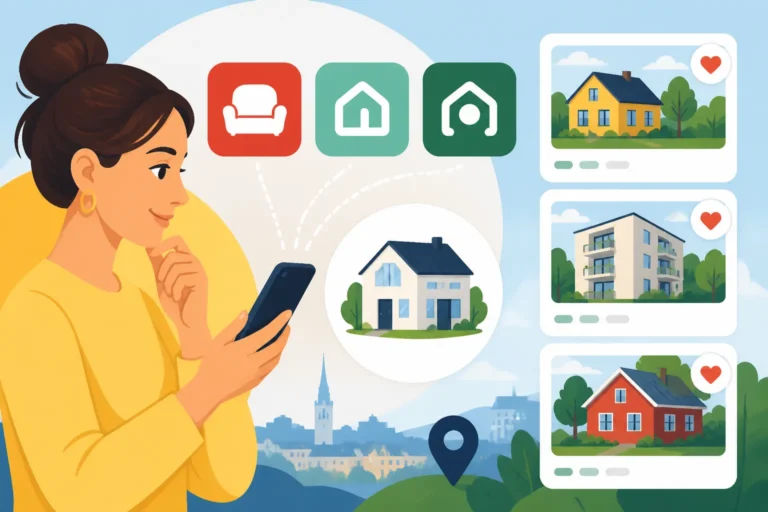
When it comes to searching for property in Sweden, there's one dominant player you absolutely need to know: Hemnet.se. This platform is the central hub for almost all residential property listings in Sweden, from apartments (lägenheter) to houses (villor). It's where real estate agents (mäklare) publish their listings, complete with photos, floor plans (planritningar), details about the bostadsrättsförening, and estimated monthly avgift. You can filter by region, price, size, and number of rooms. My advice: set up email alerts with your specific criteria on Hemnet, so you're notified the moment a new property hits the market. Time is often of the essence.
While Hemnet is where properties are listed, Booli.se is another fantastic resource. Booli aggregates listings from various sources, including Hemnet, and crucially, provides historical sales data. You can see what similar properties in the area have sold for, how long they were on the market, and even get an estimate of a property's current value. This is invaluable for understanding market trends and making informed decisions, especially when you’re about to enter a bidding war. These sites are generally very user-friendly, and you’ll find that property descriptions follow a fairly standard format, often including a link to the BRF’s annual report (årsredovisning), which you must review.
The speed of the Swedish market, particularly in cities, can be a culture shock. Properties often come online, have viewings within a week, and are sold shortly after. This means you need to be constantly checking listings and ready to book viewings at short notice. Don’t fall into the trap of “I’ll just look this week and book next.” By next week, that perfect place might be gone. Also, remember that Swedish property descriptions are generally very factual, but the photos can sometimes be a bit… aspirational. Always assume there will be some difference in person, good or bad, and always prepare for a quick viewing.
Working with a Mäklare (Real Estate Agent): Their Role and Your Expectations
In Sweden, the real estate agent (mäklare) primarily represents the seller. This is a crucial distinction from some other countries where buyers might hire their own agent. The mäklare's job is to secure the best possible price for the seller and manage the sales process. This means they are not there to advise you, the buyer, on negotiating tactics or to point out potential flaws in the property. They are neutral facilitators of the sale, but their loyalty lies with the person paying their commission.
When you attend a viewing (visning), the mäklare will be present to answer questions about the property, the BRF, and the buying process. Viewings are typically open-house style, lasting about 30-60 minutes, and can be quite crowded. Don't expect a private tour unless you specifically arrange one later. Use this time to ask practical questions: How old are the kitchen appliances? What renovations has the BRF planned? What's included in the avgift? Don't be shy, even if it feels awkward in a crowded room.
Language can be a barrier here. While many mäklare in larger cities speak excellent English, the detailed legal and financial documents (like the BRF's annual report) will almost certainly be in Swedish. If your Swedish isn't up to par, seriously consider bringing a Swedish-speaking friend or, for critical stages, a professional translator. Misunderstandings at this stage can have significant long-term consequences. The mäklare will usually collect your contact details at the viewing so they can inform you about the bidding process and provide any additional information. This is where clarity in communication becomes paramount, as the bidding can move quickly, and you want to ensure you don't miss any updates.
Viewings and Due Diligence: What to Look For Beyond the Pretty Pictures
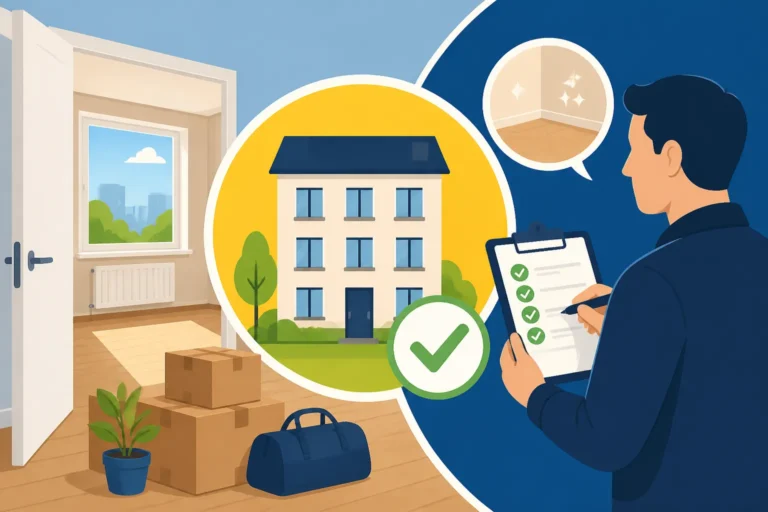
Attending a visning (viewing) for a Swedish property can feel a bit like a whirlwind tour, especially if it’s a popular listing. You’ll often find a queue outside, and once inside, it's a quick walk-through with many other prospective buyers. This isn't the time for a leisurely stroll; you need to be efficient and focused. Look beyond the staging and the appealing aesthetics. Pay attention to the state of the windows, the plumbing in the bathroom and kitchen, signs of dampness, or unusual odours. These small details can indicate potential issues down the line that could lead to costly repairs.
One of the most vital aspects of due diligence for a bostadsrätt is scrutinizing the årsredovisning (annual report) of the BRF. This document, usually available online or from the mäklare, is a goldmine of information about the association's financial health. Look for things like the BRF’s total debt, how much debt per square meter, when major renovations (like pipe replacements, roof repairs, or facade work) were last done and when they are planned next. Significant upcoming renovations often mean the BRF will take on more loans, which can lead to an increase in your monthly avgift. A BRF with low debt, a healthy cash flow, and a long-term maintenance plan (underhållsplan) is generally a good sign. Don't be afraid to ask the mäklare to explain confusing parts of the report or to directly ask about the BRF's financial stability.
Beyond the årsredovisning, also ask for the energy declaration (energideklaration) to understand the property's energy efficiency and any outstanding issues from previous inspections. If anything feels off, or if you have specific concerns (e.g., about noise insulation, dampness, or electrical wiring), it's a good idea to bring an independent expert, such as a construction engineer (besiktningsman), for a more thorough inspection before bidding. This is common practice, though you’ll need to arrange it quickly. Remember that once you buy a bostadsrätt, you are collectively responsible for the building's upkeep through the BRF, so understanding its condition and finances is as important as the apartment's interior.
Making an Offer and the Bidding Process: Get Ready for Speed!
Okay, you’ve found "the one"! Now comes the part that can be exhilarating, stressful, and incredibly fast-paced: making an offer and entering the bidding process. Swedish property sales are famous for their transparent, often intense, bidding wars.
The Bidding War: A Swedish Sport
Unlike some countries where offers are private, in Sweden, the bidding process is usually open and transparent. Once the viewings are over, interested parties communicate their offers to the mäklare (real estate agent). The mäklare then informs all active bidders of the current highest offer, allowing everyone to decide if they want to raise their bid. This typically happens via SMS or phone calls, moving at a blistering pace. You might get a message saying "Highest bid 3,100,000 SEK. Do you want to bid higher?" and you have to respond quickly. The mäklare is legally obligated to keep all active bidders informed, but they're also pushing to finalize the sale quickly for the seller.
This open system can feel like a high-stakes poker game, and it can be emotionally draining. You might find yourself caught up in the excitement, bidding more than you initially intended. It's crucial to set a maximum budget before you start bidding and stick to it, no matter how much you love the apartment. The psychological pressure is real, especially when you feel like you're just one bid away from losing out. I remember bidding on an apartment and having my heart pound with every SMS notification – it's an experience!
The bidding continues until all other bidders drop out, and one person remains with the highest offer. The mäklare will then contact the seller, who has the final say. While the highest bid usually wins, the seller can, in theory, choose any buyer they prefer (though this is rare unless there are specific circumstances, like a quicker closing date). Once the seller accepts an offer, the bidding is generally considered closed, and the next step is to sign the purchase agreement. Be aware that verbal offers are generally binding in Sweden, even if not legally so until the contract is signed, so don't make an offer you're not prepared to stand by.
The Lånelöfte (Mortgage Pre-Approval): Your Ace in the Hole
I mentioned this earlier, but it bears repeating with emphasis: a lånelöfte (mortgage pre-approval) isn't just a good idea; it's absolutely non-negotiable if you want to be a serious contender in the Swedish property market. Imagine this scenario: you've fallen in love with an apartment, you've won the bidding war, and the seller accepts your offer. If you don't have a lånelöfte already, you're now in a mad scramble to get one from a bank, which can take days or even a week. In that time, another buyer with pre-approval could come along, and the seller might simply move on to them. Speed is key, and a lånelöfte proves you're a serious, financially capable buyer ready to sign.
Getting a lånelöfte from a Swedish bank is a rigorous process, as they’ll assess your income, employment status, existing debts, and overall financial stability. They typically look for stable, permanent employment, and will calculate how much you can afford based on various stress-test interest rates. It's not a full mortgage yet, but it’s a commitment from the bank outlining the maximum amount they will lend you. This document is usually valid for a few months (e.g., three to six months), giving you a window to find a property.
If your lånelöfte is about to expire, don't wait until the last minute to renew it. Contact your bank well in advance. The lånelöfte also gives you a clear upper limit for your bids, helping you stay within your budget during those intense bidding wars. Think of it as your official "okay to play" card in the Swedish property game. It streamlines the process and gives you peace of mind that when you do find your dream home, you're financially ready to commit.
Accepting an Offer and the "No Take-Backs" Rule
Once the bidding closes and the seller accepts your offer, congratulations! You've successfully navigated the Swedish bidding war. At this point, the mäklare will quickly move to prepare the köpekontrakt (purchase agreement). It’s common for contracts to be signed very soon after the bidding closes, sometimes within hours or a day or two. This swift transition highlights an important cultural and practical aspect of Swedish property transactions: while verbal agreements are not legally binding for real estate purchases (only the signed contract is), in practice, once an offer is accepted, it's considered very poor form, and highly unusual, to back out. Both parties are expected to proceed to contract signing in good faith.
The köpekontrakt is the legally binding document that outlines all the terms of the sale: the purchase price, the down payment (handpenning) amount and deadline, the closing date (tillträdesdag), and any specific conditions. It's absolutely crucial that you understand every clause in this document. While the mäklare will walk you through it, remember they represent the seller. If you have any doubts, especially regarding complex clauses or if you feel uncertain about anything, it’s advisable to have an independent legal professional review it before you sign. This is particularly true for foreigners who might not be familiar with Swedish legal terminology or property law nuances.
Common conditions might include things like the buyer's ability to obtain a mortgage (though this is typically resolved with your lånelöfte beforehand) or an independent property inspection. However, many contracts are signed without such conditions, making your pre-bid due diligence even more vital. Once both buyer and seller have signed the köpekontrakt, the deal is officially on, and backing out without legal cause usually incurs significant penalties, typically the loss of your down payment. So, be 100% sure before you sign!
The Legal and Financial Steps After Your Offer is Accepted
The ink on the köpekontrakt is barely dry, but the journey isn't over. Now begins the formal legal and financial process of transferring ownership and securing your loan. This stage involves significant payments and bureaucratic steps that need careful attention.
The Köpekontrakt (Purchase Agreement) and Handpenning (Down Payment)
As discussed, the köpekontrakt is the legal bedrock of your property purchase. Signing it is a huge milestone. Typically, at this signing, you'll also commit to paying a handpenning, which is a down payment, usually 10% of the purchase price. This handpenning is a show of good faith and security for the seller. It’s usually due within about a week after signing the köpekontrakt. So, if you bought a 3 million SEK apartment, you’d need to transfer 300,000 SEK. This amount is separate from your 15% kontantinsats (the larger deposit required by the bank for your mortgage) – think of it as an advance portion of your full deposit.
The handpenning is almost always paid to the mäklare's client funds account (klientmedelskonto). This is a secure, escrow-like account. The mäklare holds these funds until the closing date, at which point they are transferred to the seller, along with the remaining balance of the purchase price from your bank. It’s important to understand that if you, as the buyer, breach the contract without a valid legal reason after signing, you typically forfeit this handpenning. Conversely, if the seller breaches the contract, they may be liable to pay you double the handpenning back. This is why carefully reviewing the contract before signing is so paramount.
For foreign buyers, ensure that the mäklare is clear about how you will transfer these funds, especially if they are coming from an overseas bank account. International transfers can take longer, so plan ahead to meet the handpenning deadline. This is also a good point to make sure your temporary SIM card is keeping you connected to your bank, or consider a long-term plan with a brand like Airalo for seamless international connectivity. Your bank here in Sweden, which issued your lånelöfte, will also guide you on this, but the primary responsibility for the handpenning transfer lies with you.
Mortgage Finalization and Property Transfer
With the köpekontrakt signed, your lånelöfte officially transitions into a full mortgage offer. Your bank will perform final checks, including a valuation of the property to ensure the purchase price aligns with market value, and review the BRF's finances one last time. This is where the bank will typically arrange the final loan documents for you to sign, often digitally using your BankID.
The actual transfer of ownership (or rather, the transfer of the bostadsrätt share) happens on the tillträdesdag (closing date). On this day, you and the seller (or your respective representatives, usually the mäklare and bank) meet to finalize the transaction. Your bank will transfer the remaining purchase amount (the total price minus your handpenning and the remaining portion of your kontantinsats) directly to the seller's account. At this point, you also officially receive the keys to your new home!
Beyond the direct purchase price and mortgage, there are a few other important legal documents and fees related to property ownership in Sweden that your bank will help you navigate. These primarily relate to lagfart (title deed) and pantbrev (mortgage deeds). While you don't get a traditional "title deed" for a bostadsrätt in the same way you would for a villa (detached house), the process involves similar principles for securing the bank's loan. Your bank will help ensure all necessary registrations are made with Lantmäteriet (the Swedish mapping, cadastral and land registration authority) to secure their loan against your property.
Understanding the Costs Beyond the Purchase Price
Many first-time buyers, especially from abroad, get fixated on the property's sticker price and the down payment, completely overlooking the array of additional costs involved. These förvärvskostnader (acquisition costs) can add a significant chunk to your overall expenditure and must be budgeted for.
Firstly, if you were buying a villa (freehold house), you'd pay a lagfartskostnad (stamp duty or transfer tax), which is 1.5% of the purchase price, plus an administration fee to Lantmäteriet. For a bostadsrätt, you generally don't pay lagfartskostnad on the purchase of the "right" itself. However, if the BRF owns the land, rather than leasing it, you may face some related fees. More importantly, if you take out a mortgage, you'll incur costs for pantbrev (mortgage deeds) if new ones need to be issued or existing ones increased. A pantbrev is a document that serves as security for the bank's loan, and it incurs a pantbrevsavgift of 2% of the pantbrev amount, plus an administration fee. This can be substantial if you need new pantbrev.
Then there's the mäklarkostnad (real estate agent's commission), which is paid by the seller. While you don't directly pay this, it's factored into the overall sale price. The mäklare may also charge for advertising and other services. On top of that, the BRF itself might charge a small administrative fee for transferring the membership, and if you're taking on any special assessments or moving in at a specific time, you may need to pay an upfront avgift for that month.
And don't forget the ongoing monthly avgift to the BRF. This is not a mortgage payment; it's your contribution to the association's running costs, covering common area maintenance, heating, water (sometimes), property insurance for the building, and crucially, the BRF's collective loans. This avgift can change, so always check the BRF's financial situation. You should also budget for hemförsäkring (home insurance), which is essential even for homeowners, covering your personal belongings and liability. Check out our guide on Home Insurance (Hemförsäkring): Why It's Essential in Sweden.
Here's a simplified table of potential costs when buying a bostadsrätt:
| Cost Item | Description | Estimated Amount | Timing |
|---|---|---|---|
| Purchase Price | The agreed-upon price for the bostadsrätt share. | Variable, depending on property and location. | Paid at closing (via bank). |
| Kontantinsats | Your mandatory minimum down payment (15% of purchase price) required by the bank. The handpenning is part of this. | Minimum 15% of purchase price. | Part (10% handpenning) shortly after contract, remainder at closing. |
| Handpenning | Initial down payment, usually 10% of the purchase price, paid shortly after signing the köpekontrakt. Counts towards your kontantinsats. | 10% of purchase price. | ~1 week after köpekontrakt signing. |
| Pantbrevsavgift | Fee for new or increased pantbrev (mortgage deeds), which serve as security for your bank loan. Paid to Lantmäteriet. | 2% of the pantbrev amount, plus a small administration fee (if new pantbrev needed, not always for bostadsrätt if prior owner had maxed it out). | At closing, managed by your bank. |
| BRF Transfer Fee | Small administrative fee charged by the housing association (BRF) for handling the transfer of membership. | Typically around 1,288 SEK (2.5% of a "prisbasbelopp," a base amount set yearly). | At closing. |
| Monthly Avgift | Your contribution to the BRF's operating costs, collective loans, maintenance, etc. | Highly variable, depends on BRF finances and apartment size. | Monthly, starting from tillträdesdag. |
| Home Insurance | Hemförsäkring covers your personal belongings and liability within the apartment. Mandatory for both renters and owners. | Variable, usually a few hundred SEK per month. | Monthly/annually, from tillträdesdag. |
| Inspection Fee | (Optional) Cost for an independent structural inspector (besiktningsman) if you choose to have one. | ~5,000 – 10,000 SEK. | Before bidding/signing. |
| Legal Counsel/Translator | (Optional) If you hire a lawyer to review the contract or a translator for documents. | Variable, hourly rates apply. | As incurred. |
Becoming a Bostadsrättsförening Member: Your New Community
Congratulations, you're nearly there! But remember, buying a bostadsrätt isn't just about getting the keys to an apartment; it's about becoming a member of a bostadsrättsförening (BRF). This is a crucial step that often surprises foreigners, as it means you’re joining a democratic association with shared responsibilities.
The BRF Interview: Not as Scary as It Sounds (Usually)
Before your purchase is fully approved, the BRF’s board of directors must formally approve your membership. This typically involves a review of your financial standing and, in many cases, a short interview. Don't panic – it's usually not an interrogation. The BRF's primary concern is that you are financially stable enough to pay your monthly avgift and that you intend to reside in the apartment yourself, or at least be a responsible owner. They want to ensure new members are good neighbours and will contribute positively to the community.
The interview might cover basic questions about your employment, income, and why you want to live in their particular BRF. They might ask about your intentions for the apartment – will you live there permanently, or is it an investment? While you are allowed to rent out your apartment second-hand (sublet), the BRF typically needs to approve it, and they'll want to ensure you're a primary resident first. They may also check for any history of payment defaults (betalningsanmärkningar) through a credit check, as a defaulting member can create financial problems for the entire association. Bringing a friend who speaks fluent Swedish can be a huge asset here, especially if you're not fully confident in your own Swedish. This step ensures mutual understanding and can alleviate any anxieties for both parties.
Ultimately, the BRF has a vested interest in having responsible, solvent members. They want to protect the communal asset and ensure smooth running of the association. So, present yourself as a reliable and engaged future resident, and you should be absolutely fine. Rejection of membership is rare if your finances are sound and you meet the basic requirements of the association (e.g., being a natural person, not a legal entity, if that's the BRF's rule).
Rights, Responsibilities, and the Årsredovisning (Annual Report)
As a member of a BRF, you become a co-owner of the entire property, not just your individual apartment. This grants you certain rights and, more importantly, imposes significant responsibilities. Your rights include having a say in the BRF's governance – you can attend annual general meetings (årsmöten), vote on important decisions (like major renovations or avgift increases), and even run for a position on the board. It's a democratic structure, and active participation is encouraged.
However, with these rights come responsibilities. You are responsible for the interior maintenance of your apartment, including surface layers, kitchen appliances, and bathroom fixtures. The BRF is typically responsible for the building's exterior, common areas, structural elements, and shared systems (like plumbing to a certain point). However, the line can sometimes be blurry, so it's vital to read the BRF's statutes (stadgar) which precisely define what falls under your responsibility and what belongs to the association. Unapproved renovations that affect the building's structure or common systems can lead to fines or demands to restore the apartment to its original condition.
Your financial responsibility is primarily your monthly avgift. This fee covers your share of the BRF's operating costs, maintenance, and, crucially, its collective loans. The BRF's financial health directly impacts your avgift. This is why carefully reading the årsredovisning (annual report) is not a one-time thing during the buying process, but an annual exercise for as long as you own the property. You want to see a BRF with reasonable debt levels, a healthy repair fund, and a transparent long-term maintenance plan. A sudden, large increase in the avgift can significantly impact your personal budget. You can learn more about this in our article The Bostadsrättsförening (BRF) and Your Monthly Avgift Explained. It’s truly a collective, shared economy, and understanding your part in it is key to a smooth experience.
Settling into Your New Swedish Home: Practicalities
The keys are in your hand, the contract is signed, and you're officially a homeowner in Sweden! Now comes the fun part: making your new apartment a home. But before you get carried away with interior design, there are several practicalities that need your immediate attention to ensure a smooth transition.
Utilities, Insurance, and the Move Itself
One of the first things you'll need to sort out is your utilities. In many bostadsrätt apartments, heating and water are included in your monthly avgift to the BRF. However, electricity is almost always a separate contract that you, as the homeowner, are responsible for. You'll need to choose an electricity provider (elbolag) and sign an elavtal (electricity contract). There are many providers, and prices can vary, so it's worth comparing. Ensure you do this promptly before your move-in date to avoid being without power or being put on a more expensive default contract. Our guide on Setting Up Electricity (El-avtal) in Your Swedish Home provides more detailed advice on this.
Internet and broadband are also typically your responsibility. While some BRFs have collective agreements that provide basic broadband, you often have the option to choose your own provider and speed. Get this sorted early, especially if you rely on the internet for work or entertainment – nobody wants to move into a new place and find themselves offline!
Finally, home insurance (hemförsäkring) is non-negotiable. Even though the BRF has property insurance for the building itself, your personal belongings inside your apartment are not covered by that. Hemförsäkring protects your furniture, electronics, clothing, and other valuables against theft, fire, and water damage. It also typically includes liability insurance (ansvarsskydd) and legal aid insurance (rättsskydd), which are incredibly important. Don't skip this; a small monthly premium can save you from a major financial catastrophe.
Registering Your New Address and Connecting with the Community
Once you've moved, one of the most important administrative steps is to notify Skatteverket (the Swedish Tax Agency) of your new address. This is called a flyttanmälan. This isn't just a formality; it's how your official population registration (folkbokföring) is updated. Your folkbokföringsadress is crucial for everything from tax purposes to receiving mail, accessing local healthcare, and even determining which municipality your children attend school in. You can usually do this easily online with your BankID. We have a detailed guide on Registering Your Move (Flyttanmälan) with Skatteverket.
Beyond Skatteverket, you’ll need to update your address with your bank, insurance companies, mobile phone provider, subscriptions, and any other organizations you interact with. Many services in Sweden are linked to your folkbokföringsadress, so ensuring it’s correct is vital. You should also make sure to apply for a Swedish ID card if you haven't already, as it's essential for various daily transactions and proving your identity. Our guide Getting a Swedish ID Card After Your Personnummer can walk you through the process.
Finally, connect with your new community. This means actively engaging with your BRF. Attend meetings, read the newsletters, and get to know your neighbours. Being a bostadsrätt owner means you're part of a collective, and a good relationship with your BRF board and neighbours can make a huge difference in your living experience. It also allows you to stay informed about any upcoming changes or decisions that might affect your home or finances.
Common Pitfalls and What Foreigners Often Miss
Even with all the preparation, there are aspects of buying and owning property in Sweden that can catch foreigners off guard. These aren't necessarily "mistakes," but rather nuances of the Swedish system and culture that are easy to overlook.
The "Forever" Aspect of Housing Queue Culture
For many foreigners, the decision to buy property in Sweden comes sooner than anticipated, often driven by the extreme difficulties of the rental market. Back in my early expat days, I genuinely thought I’d be able to secure a first-hand rental after a few years. What a laugh! The reality quickly set in: unless you're willing to wait 10-30 years in a housing queue, a truly stable, long-term first-hand rental is a pipe dream in major cities. This "forever" aspect of the housing queue means that what might be a temporary rental solution for a Swede, is often the beginning of a cycle of expensive, short-term second-hand contracts for an expat.
This fundamental challenge forces many of us to shift our mindset from "renting is flexible" to "owning is stable and often more financially sensible long-term." It means many foreigners end up buying property far earlier in their Swedish journey than they might have planned in their home countries. This isn't necessarily a bad thing, as bostadsrätter generally appreciate in value over time, but it represents a significant psychological and financial commitment that many aren't prepared for initially. You might have arrived expecting to rent for years, only to realize after 12-18 months that buying is the only viable path to long-term housing security.
The perceived savings of renting versus owning can also be deceptive. While the initial down payment for a bostadsrätt is substantial, your monthly avgift plus mortgage interest (which is tax-deductible to an extent) can often be comparable to, or even lower than, the cost of a good second-hand rental. Plus, with a bostadsrätt, you're building equity and have a tangible asset, whereas rental payments are simply outgoing expenses. This long-term financial reality, driven by the unique housing market, is a crucial piece of the puzzle that often pushes foreigners towards homeownership.
Hidden Costs and Unexpected Responsibilities of a Bostadsrätt
While the avgift covers many communal costs, owning a bostadsrätt comes with responsibilities and potential expenses that often go unnoticed during the initial excitement of buying. Firstly, while the BRF handles major structural repairs to the building, you are on the hook for everything inside your apartment. This includes renovations (like new kitchen or bathroom), appliance breakdowns, and unexpected issues like a leaking pipe within your walls (though the BRF might have insurance that covers the building's part). These costs can add up quickly.
Then there are the "special assessments" or engångsavgifter. These are one-off payments that the BRF might decide to levy on members if a major renovation is undertaken that depletes the association's funds, or if they need to pay down a large collective loan. While good BRFs plan for these things and factor them into the avgift or save up, less well-managed BRFs might suddenly hit you with a bill for tens of thousands of kronor. This is why scrutinizing the årsredovisning for long-term maintenance plans and debt levels is so crucial. A BRF with significant collective loans or planned major renovations in the near future could mean your avgift or future special assessments might increase.
Another aspect that often surprises new owners is the collective financial liability. The BRF typically has large loans for the building's purchase or major renovations. As a member, you are indirectly responsible for a share of this debt. If the BRF's finances sour, for example, due to rising interest rates on its collective loans, your avgift can increase significantly to cover these costs. You're not just buying an apartment; you're buying into a collective economy, and its health directly impacts your wallet. Always consider the BRF’s total debt per square meter in relation to the average in the area.
Language Barriers and Seeking Professional Help
Swedish administrative and legal documents are notoriously comprehensive, and for a foreign buyer, the language barrier can be a significant hurdle. While real estate agents often speak English, the underlying legal texts, the BRF's stadgar (statutes), and especially the årsredovisning (annual report) will almost exclusively be in Swedish. Relying solely on Google Translate or a casual interpretation can lead to serious misunderstandings about your rights, responsibilities, and the financial health of your future home.
It's tempting to save money by not hiring additional help, but for such a significant investment, professional assistance can be invaluable. Consider engaging an independent legal advisor or property consultant who specializes in Swedish property law, particularly if the property or BRF situation seems complex. They can review the köpekontrakt and the BRF documents on your behalf, explaining the implications in plain English. Similarly, if you have any doubts about the physical condition of the apartment or building, paying for a besiktningsman (independent inspector) to conduct a thorough pre-purchase inspection can save you from costly surprises down the line.
Don't underestimate the power of a trusted Swedish-speaking friend, either. While not a substitute for professional legal advice, having someone who understands the nuances of the language and culture can be an immense support during viewings, discussions with the mäklare, and deciphering documents. The Swedish property market has its own quirks, and understanding them requires more than just a dictionary. It requires cultural context, and sometimes, that comes best from a seasoned Swede or a fellow expat who's been through it all before.
Disclaimer
This article is for general informational purposes only and does not constitute professional advice. Laws, prices and regulations vary by location and change over time. Consult a qualified professional for guidance on your specific situation.