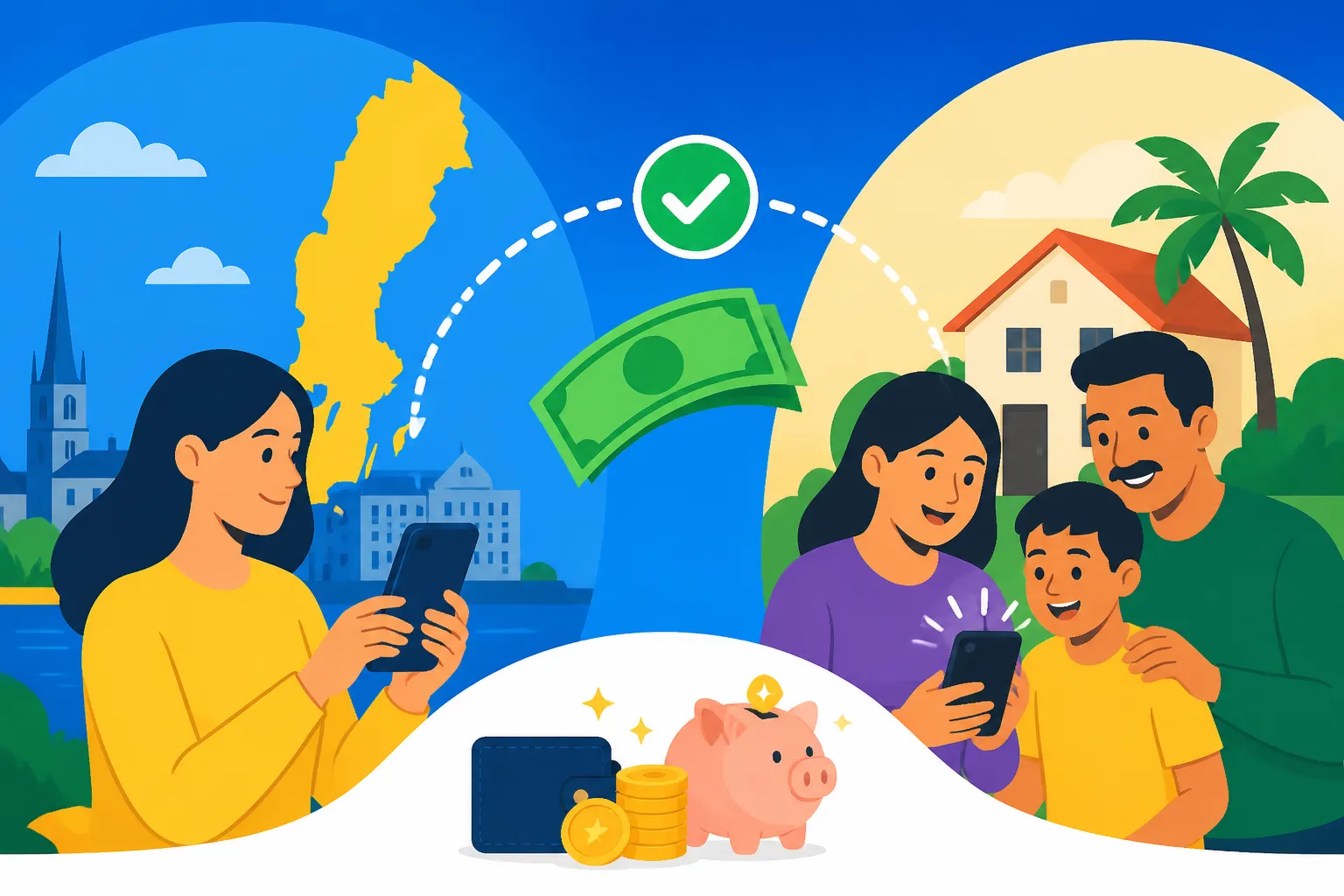
How Do I Send Money Home from Sweden Cheaply?
Moving your hard-earned Swedish Krona back to your home country often feels like a secondary tax on your expat life. You navigate the complex bureaucracy of the personnummer and the housing market, only to find that sending money home involves hidden exchange rate markups and high bank fees that eat away at your savings. This guide provides a comprehensive roadmap to the cheapest, fastest, and most reliable methods for international money transfers from Sweden, ensuring you keep more of your money where it belongs.
Understanding the True Cost of International Transfers from Sweden
When you first land in Sweden and set up your finances, it is easy to assume that your local bank is the safest and most logical choice for sending money abroad. However, the Swedish banking landscape—dominated by the "Big Four" (SEB, Nordea, Swedbank, and Handelsbanken)—is notoriously expensive for international transactions. To move money cheaply, you must first understand that the "fee" you see on the surface is rarely the total cost.
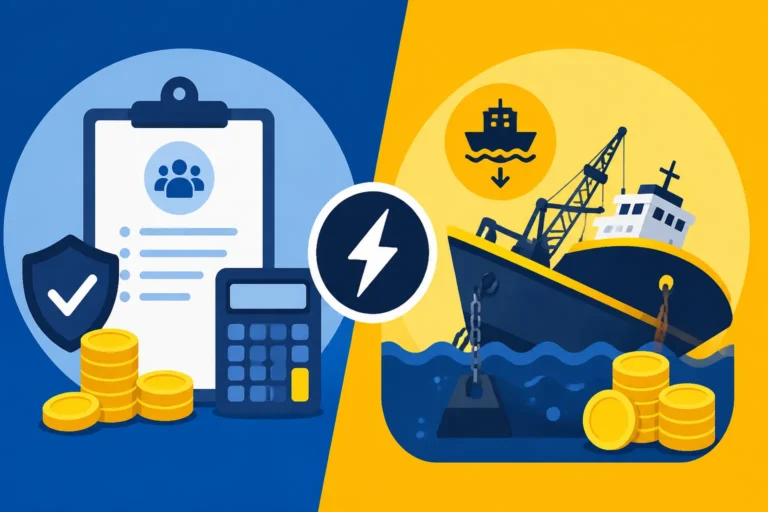
The first hidden hurdle is the exchange rate spread. Banks in Sweden rarely give you the mid-market rate (the one you see on Google or Reuters). Instead, they add a "markup" or "spread," which is effectively a hidden percentage fee. For example, if you are converting SEK to USD, the bank might offer a rate that is 2% to 4% worse than the actual market rate. On a transfer of 50,000 SEK, a 3% markup means you are losing 1,500 SEK before any flat fees are even applied. This is why many veteran expats move away from traditional institutions and toward specialized services like Wise, which offer the real mid-market rate and transparent upfront fees.
The second component is the SWIFT fee or intermediary bank fee. When sending money outside the SEPA (Single Euro Payments Area) zone, your money often travels through several correspondent banks. Each of these "middleman" banks may take a cut of the transaction, often ranging from 150 to 400 SEK. If you haven't selected the right "fee code" (OUR, SHA, or BEN) when setting up the transfer in your Swedish bank app, your recipient might receive significantly less than you intended. Understanding these mechanics is essential before you even log into your banking portal.
Finally, you must consider the speed-to-cost ratio. In Sweden's highly digitized society, we expect everything to happen instantly. However, a cheap transfer often requires a trade-off in speed. If you need money to arrive in minutes, you will pay a premium. If you can wait two to three business days, you can utilize methods that bypass the expensive SWIFT network entirely. This is particularly relevant if you are managing a global financial footprint and need to balance local expenses with foreign obligations. For those dealing with more complex tax situations across borders, services like Taxes for Expats can provide the necessary guidance to ensure these transfers don't trigger unnecessary audits or complications with authorities.
Traditional Swedish Banks vs. Digital Transfer Services
Choosing between a traditional bank and a digital specialist is the most important decision you will make regarding your transfer. Most newcomers start by Opening a Bank Account in Sweden: A Step-by-Step Guide and naturally use that account for everything. While Swedish banks are excellent for domestic services, their international arms are often geared toward corporate clients rather than individuals sending a few thousand kronor home.
Swedish banks like Swedbank or Nordea offer the benefit of familiarity and the perceived security of a brick-and-mortar institution. If you are sending money to another EU country in Euros, a SEPA transfer is often free or very cheap (usually around 0 to 10 SEK). However, for transfers to the US, India, the UK, or Australia, the costs skyrocket. You will typically face a flat fee of around 50 to 150 SEK, plus the aforementioned exchange rate markup. Furthermore, navigating the international transfer section of a Swedish banking app can be a headache if your Swedish is still a work in progress, even though most have English interfaces.
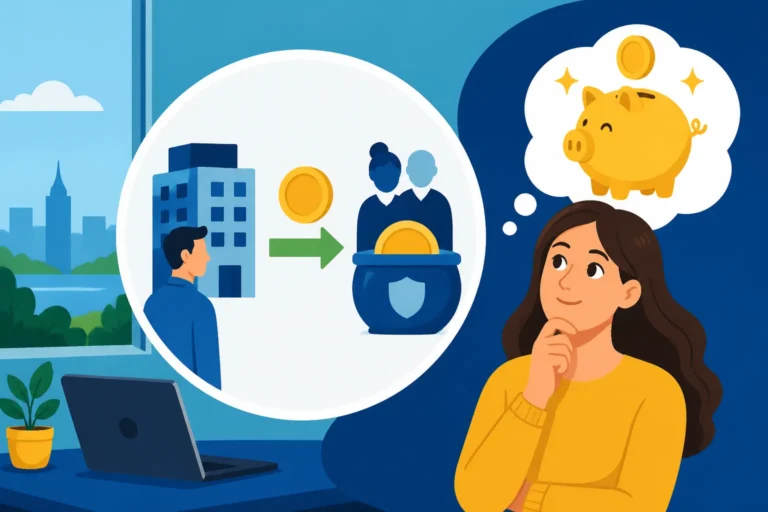
On the other hand, digital transfer services have revolutionized the expat experience in Sweden. Platforms like Wise integrate seamlessly with the Swedish financial ecosystem. Because they hold local accounts in Sweden, you can often fund your transfer using a simple domestic "Giro" payment or via BankID and Digital Payments: How Money Moves in Cashless Sweden. By treating your international transfer as two domestic ones (you pay them in SEK in Sweden, they pay your recipient in local currency in their country), they bypass the expensive SWIFT network entirely. This usually results in a total cost that is 5x to 8x cheaper than a traditional bank.
Security is often the main concern for expats when switching to digital services. It is important to remember that these platforms are heavily regulated. In Sweden, any service handling your money must comply with strict EU financial regulations and anti-money laundering (AML) laws. Using a service like Wise is not "less safe" than using SEB; it is simply a more modern way of routing the transaction. For many of us who have lived here for years, the ability to see the exact amount that will land in the destination account—down to the cent—is worth the switch alone.
| Feature | Traditional Swedish Bank | Digital Transfer Specialist (e.g., Wise) |
|---|---|---|
| Exchange Rate | Markup of 2%–4% | Mid-market rate (0% markup) |
| Flat Fees | 50 SEK – 150 SEK | Small percentage (e.g., 0.4%–0.7%) |
| Speed | 3–5 business days | Instant to 2 business days |
| Convenience | Integrated in your main app | Requires separate account setup |
| Transparency | Low (hidden in rate) | High (all fees shown upfront) |
Step-by-Step: How to Execute a Cheap Transfer from Sweden
Once you have chosen your provider, the process of moving money requires a bit of administrative preparation. The first step is ensuring your Swedish account is fully "unlocked" for larger transfers. Many banks have default daily limits on how much you can move via your app or website. If you are sending a significant amount—perhaps for a house deposit or to pay off a student loan—you may need to call your bank or visit a branch to increase your limit. This is also a good time to ensure you have Getting BankID: Sweden's Essential Digital Identity sorted, as you will need it to authorize almost any transfer.
Next, set up your recipient details. For international transfers, you will need the recipient's full name, their IBAN (International Bank Account Number), and the BIC/SWIFT code of their bank. If you are sending to a country like the USA, you will need the ABA Routing Number instead. Double-checking these details is critical; a single digit error can result in your money being held in "limbo" for weeks, and Swedish banks often charge a "search and recovery" fee of up to 500 SEK to track down a failed international payment.
When you are ready to initiate the transfer, pay close attention to the "Fee Type" selection. You will usually see three options: SHA (Shared), OUR (You pay all fees), and BEN (Recipient pays all fees). For most personal transfers, "OUR" is the safest choice if you want to ensure the recipient gets a specific amount, though it is usually the most expensive. However, if you use a service like Wise, this complexity is removed because the price you see is the final price. You simply pay the SEK amount via your Swedish bank's "Betala" (Pay) function, using the reference number provided by the transfer service.
Finally, keep a record of your transfer. For larger amounts (typically over 150,000 SEK), the Swedish central bank (Riksbanken) or the tax authority (Skatteverket) may be notified automatically for statistical and anti-money laundering purposes. This is normal and rarely causes issues for legitimate transfers. However, if you are a US citizen or have tax obligations in multiple countries, keeping these records is vital for your annual filings. Consulting with professionals like Taxes for Expats can help you understand if these transfers need to be reported on specialized forms like the FBAR or Form 8938, preventing any legal headaches down the road.
Legal and Tax Considerations for Moving Money Out of Sweden
One of the biggest frustrations for expats is the fear that moving money will trigger an investigation by Skatteverket. It is a common misconception that sending your own savings home is a taxable event. In reality, Sweden does not have a "wealth tax" or "exit tax" on the act of moving your cash. If you have already paid Income Tax in Sweden: Municipal, State, and the SINK Regime on your salary, that money is yours to move as you wish.
However, the "source of funds" is something Swedish banks take very seriously. Under global "Know Your Customer" (KYC) rules, your bank may block a large transfer and ask you to prove where the money came from. If you are moving 500,000 SEK that you saved over three years of working in Stockholm, a few months of payslips will suffice. If the money came from a property sale, you will need the contract from the "Mäklare" (estate agent). Being proactive and having these documents ready will save you from the stress of having your account frozen.
Tax residency is another factor that complicates money transfers. If you are still considered a tax resident in Sweden but are moving money to an account in a country that Sweden does not have a clear tax treaty with, you might face questions. This is where the complexity of Money and Finance in Sweden: A Complete Guide for Foreigners (2027) truly becomes apparent. You need to ensure that the interest earned on the money once it reaches its destination is also reported correctly if you remain a Swedish tax resident.
For those of us juggling careers in Sweden while maintaining financial ties to our home countries, the paperwork can become overwhelming. This is particularly true for Americans, who are taxed based on citizenship regardless of where they live. Using a specialized service like Taxes for Expats is often the best way to navigate the intersection of Swedish "Folkbokföring" rules and foreign tax obligations. They can advise on whether your transfers are seen as simple movements of capital or if they could be misinterpreted as foreign income by your home country’s tax board. Understanding the nuances of Currency, Cash, and the Krona: Practical Money Tips for Sweden also helps in timing your transfers to avoid volatile periods in the market.
Summary of Best Practices for Expats
To send money home cheaply and safely, follow these veteran tips:
- Never use a bank for non-EUR transfers unless you absolutely have to. The exchange rate markup is a silent killer of your savings.
- Use a specialist provider like Wise to get the mid-market rate and avoid SWIFT fees.
- Always use BankID to secure your transactions and ensure you have high enough limits on your Swedish account before you start.
- Bundle your transfers. Instead of sending 2,000 SEK every month, send 12,000 SEK every six months to minimize the impact of any fixed fees.
- Keep your paperwork. Save every confirmation and proof of the source of your funds in case Skatteverket or your home country's tax authority asks questions.
- Consult the pros. If you are moving life-changing amounts of money, the fee for a consultation with Taxes for Expats is a drop in the bucket compared to the potential fines for incorrect reporting.
Living in Sweden is expensive enough as it is. Don't let the banks take an extra slice of your pie just because you want to send some support to family or build your future back home. With the right tools and a bit of planning, you can move your money as efficiently as a Swede handles their recycling.
Disclaimer
The information provided in this article is for informational purposes only and does not constitute financial, legal, or tax advice. Financial regulations and exchange rates change frequently. You should consult with a qualified professional or tax advisor, such as the team at Taxes for Expats, before making significant financial decisions or moving large sums of money internationally. We are not responsible for any losses incurred through the use of third-party services mentioned in this guide.