BankID and Digital Payments: How Money Moves in Cashless Sweden
If you've just landed in Sweden, you're probably already experiencing the slight panic that comes with trying to pay for something with physical cash, only to be met with a blank stare or a polite shake of the head. Forget fumbling for kronor; Sweden has embraced a digital-first economy with an enthusiasm that leaves many newcomers feeling utterly bewildered. This guide is here to demystify the core pillars of Swedish digital finance – BankID and its inseparable companions – helping you navigate everything from paying for your groceries to managing your taxes online.
The Swedish March Towards a Cashless Society
Stepping into Sweden, one of the first things you'll notice – or rather, not notice – is the scarcity of cash. Many countries are moving towards digital payments, but Sweden has sprinted past the competition, becoming one of the most cashless societies on the planet. This isn't just a trend; it's the established norm, impacting everything from your morning coffee purchase to how you interact with public services.
The Decline of Physical Cash
It feels like only yesterday that pockets jingled with coins and wallets bulged with banknotes, but here in Sweden, that's a distant memory for most. Over the past decade, cash transactions have plummeted to barely a whisper of all payments made. You'll find many shops, cafes, and even public transport systems proudly displaying "Inga kontanter" (No cash) signs. For many smaller businesses, handling cash is seen as a security risk and an administrative burden, while for larger chains, efficiency and hygiene often drive the digital preference. Even street vendors, flea markets, and church collections often prefer or exclusively accept digital payments. This pervasive shift means that relying on cash is not just inconvenient; it can genuinely prevent you from purchasing essential goods and services.
The Everyday Reality for Expats
For us expats, this cashless reality presents a unique set of challenges and opportunities. On the one hand, once you're set up, the sheer ease of paying for virtually anything with a tap of your card or phone is incredibly liberating. No more currency conversion headaches or worrying about carrying large sums of money. On the other hand, the initial setup can feel like trying to solve a Swedish Rubik's Cube. Many essential digital services, including the ubiquitous BankID and Swish, often require a Swedish personal identity number (Personnummer) and a local bank account. This creates a bit of a "chicken and egg" situation for new arrivals, where getting the Personnummer requires proving residency, and getting a bank account often speeds up the Personnummer process, but some banks require a Personnummer to open an account. It's a loop that can be frustrating, but rest assured, there are ways through it, and understanding the system is the first step.
Advantages and Disadvantages of a Cashless System
Sweden's embrace of a cashless society brings a host of benefits. For one, it significantly enhances security, reducing the risk of theft for both individuals and businesses. The digital trail left by transactions also makes financial crime, like money laundering, much harder to conceal. It offers incredible convenience; think instant payments, no need to carry change, and seamless online transactions. For the public sector, it reduces administrative costs associated with handling and transporting cash. However, it's not without its drawbacks. Concerns about privacy, the potential for increased surveillance, and the exclusion of vulnerable groups (like the elderly or those without bank accounts or smartphones) are valid. There's also the question of system resilience – what happens if there's a major network outage? These are discussions happening in Sweden, but for now, the digital tide continues to roll forward.
What Exactly is BankID and Why is it Essential?
If you spend any significant time in Sweden, you'll quickly learn that BankID isn't just a digital tool; it's the digital tool. It's woven into the very fabric of Swedish digital life, serving as your primary means of identification for almost anything online, from accessing your bank account to communicating with government agencies.
BankID Explained
Imagine a digital passport, driver's license, and signature all rolled into one, securely linked to your personal identity. That's essentially BankID. It's an electronic identification solution used by individuals and organisations across Sweden, issued by several major banks. Unlike a simple login and password, BankID provides a strong, legally binding authentication, verifying your identity in the digital realm. This level of security is crucial for sensitive transactions and interactions, making it a cornerstone of trust in Sweden's digital society. You'll use it to log into your internet banking, sign agreements, access medical records, submit tax declarations, and even pick up parcels. Without a BankID, your access to many fundamental services and conveniences will be severely limited, making it arguably the most important piece of digital infrastructure for foreign residents to acquire.
How to Obtain BankID
The process of getting a BankID often feels like a rite of passage for new expats, a bit of a hurdle race. The key requirement is usually a Swedish personal identity number, or Personnummer. Once you have your Personnummer and have opened a Swedish bank account, you can typically apply for BankID directly through your bank's online services. Banks like Handelsbanken, Swedbank, SEB, and Nordea all offer BankID, but the exact steps might vary slightly between them. You'll generally need to use your internet banking login details to initiate the application, and in some cases, you might need to visit a physical bank branch to verify your identity initially, especially if you're a new customer. Don't be surprised if this process takes a little patience; Swedish bureaucracy, even in its digital form, likes to take its time. For more on getting set up financially, you might want to check out our guide on Opening a Bank Account in Sweden: A Step-by-Step Guide. And of course, the Personnummer is paramount; learn more about its importance by reading Getting Your Personnummer: The Gateway to Swedish Healthcare.
Types of BankID
While the functionality is broadly the same, BankID comes in a few different flavours, each suited for various devices and situations. The most common and widely used is Mobile BankID (Mobilt BankID), which lives as an app on your smartphone or tablet. This is incredibly convenient, allowing you to authenticate or sign directly from your mobile device wherever you are. You simply open the app, enter your security code (or use fingerprint/face ID), and confirm the action.
Another type is BankID on card (BankID på kort), which involves a physical smart card and a card reader connected to your computer. This version provides an extra layer of security as it requires possession of the physical card and knowledge of its PIN. While less common for everyday mobile use, it's still an option offered by banks, especially for those who prefer not to use their phone for all transactions or as a backup. There's also a BankID on file (BankID på fil), which is stored as a software file on your computer. This is becoming less prevalent due to security concerns and the rise of mobile alternatives, but some older systems or specific corporate setups might still utilise it. For most expats, Mobile BankID will be your go-to.
Using BankID in Your Daily Swedish Life
Once you've conquered the initial hurdle of acquiring your BankID, you'll find that it quickly becomes indispensable. Its applications span across almost every aspect of life in Sweden, from managing your money to interacting with the government, making everyday tasks smoother and more efficient.
Public Services and Government Agencies
This is where BankID truly shines for expats, providing secure access to the digital portals of various vital government bodies. Need to interact with Skatteverket (the Swedish Tax Agency)? You'll use BankID to log in to their website, view your tax information, submit your annual tax declaration, or update your address. This is critical for tasks like Filing Your Swedish Tax Return (Deklaration): What You Need to Know. Similarly, Försäkringskassan (the Swedish Social Insurance Agency) requires BankID for you to access information about your social benefits, parental leave, or sick pay. Understanding your entitlements and managing them is much easier once you can log in securely; a useful resource is Registering with Försäkringskassan: When and Why You Need To. Even healthcare information, like booking appointments or viewing your medical records via the national health portal 1177 Vårdguiden, relies on BankID authentication. This digital gateway simplifies countless administrative burdens that would otherwise require paper forms, phone calls, or in-person visits.
Banking and Financial Transactions
Unsurprisingly, BankID is the primary method for accessing your internet banking. Logging into your account, making transfers, paying bills, or reviewing your transactions all require you to authenticate with your BankID. This ensures that only you, the rightful account holder, can access and manage your finances. Beyond simple logins, BankID is also used to sign legally binding documents digitally. This could be anything from applying for a loan or a credit card to signing contracts with utility providers or mobile phone companies. Instead of printing, signing, scanning, and emailing, you simply click a button and verify with your BankID – the digital equivalent of a wet signature. This makes many financial processes incredibly streamlined and efficient, accelerating tasks that might take days or weeks in other countries. You can read more about various options in How Do I Pay Bills Through My Swedish Bank?.
Online Shopping and Bill Payments
The convenience of BankID extends far beyond government and banking portals. It's increasingly used as a secure login method for various online services, making your digital life much easier. Many e-commerce sites in Sweden offer BankID as an option for faster checkout or for identifying yourself for certain age-restricted purchases. For example, if you need to verify your age to buy certain goods online, a quick BankID scan is all it takes.
Additionally, when you set up recurring bill payments or e-invoices (e-faktura) through your bank, you'll often use BankID to authorise these arrangements. This ensures that only legitimate, authorised payments are set up from your account. It's a testament to the trust placed in BankID's security features that it has become such a widely accepted and expected form of digital authentication across the country. This integration means fewer passwords to remember and a higher level of confidence in your online interactions.
The Reign of Swish: Instant Payments, Swedish Style
While BankID is your digital identity, Swish is the king of instant digital payments in Sweden. It's the app that virtually everyone uses, making splitting bills, paying friends, or even settling up with small businesses incredibly easy and immediate.
Swish Explained
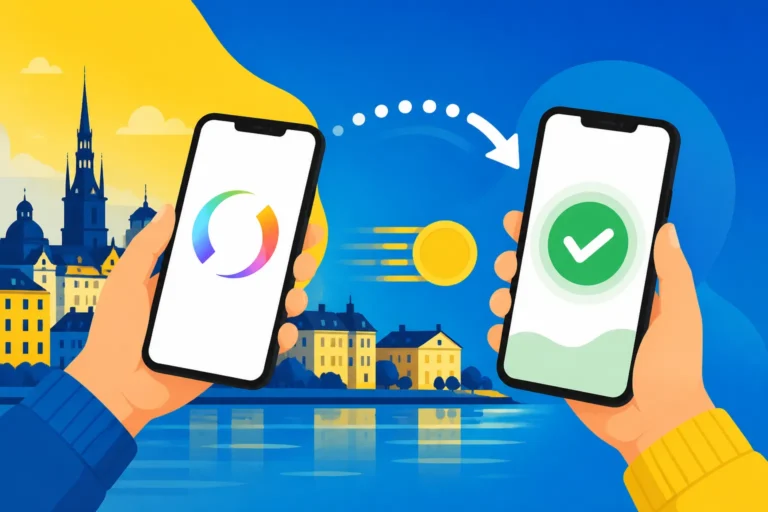
Swish is a mobile payment system that allows real-time transfers between bank accounts. It was launched in 2012 by a consortium of major Swedish banks and quickly became a phenomenon. What makes Swish so powerful is its simplicity and speed: money moves directly from one bank account to another in seconds, 24/7, irrespective of which bank the sender and receiver use. All you need is the recipient's phone number (which is linked to their bank account and Swish).
The system integrates seamlessly with your BankID for authentication, ensuring that every transaction is secure and verified. It’s used for everything from individuals sending money to each other (P2P payments), to businesses receiving payments (Swish för företag), and even for donations to charities. Its widespread adoption means that "swish me the money" is a common phrase you'll hear in Sweden, completely replacing the need for cash in many social and retail situations. If you want a deeper dive, read our guide on Using Swish: How Sweden Pays Instantly.
How to Get Started with Swish
Getting Swish up and running is straightforward once you have your BankID and a Swedish bank account. You'll typically download the Swish app from your phone's app store (available for both iOS and Android). Once installed, you'll open the app and follow the instructions to connect it to your bank account using your Mobile BankID. This usually involves selecting your bank, entering your Personnummer, and then authenticating the link with your BankID app.
After successful linkage, your phone number becomes your Swish ID, associated with your bank account. From then on, anyone can send you money using just your phone number, and you can send money to anyone else who has Swish by entering theirs. This setup is generally quick and only needs to be done once, making Swish incredibly user-friendly for recurring payments and transactions.
Practical Scenarios for Using Swish
The beauty of Swish lies in its everyday utility. Imagine you're out to dinner with friends, and the bill arrives. Instead of awkwardly splitting cash or calculating who owes whom what, one person can pay the entire bill with a card, and everyone else can "swish" their share to that person instantly. It's a common scenario that highlights Swish's role in social interactions.
Another common use is for small purchases from individuals or small businesses that might not have a card terminal. Think buying a second-hand item on Blocket (Sweden's equivalent of Craigslist) or paying for crafts at a local market. The seller simply provides their phone number, you open your Swish app, enter the amount, authenticate with BankID, and the payment is done. Even public transport in some regions allows you to pay for tickets using Swish. Its versatility and ubiquity mean that once you have Swish, a surprising amount of your payment needs are covered without ever touching cash or even your physical bank card.
Other Key Digital Payment Methods in Sweden
While BankID and Swish are undeniably central to Sweden's digital payment landscape, they are not the only players. A robust ecosystem of other digital methods ensures that you always have options, catering to different needs and preferences.
Card Payments: Debit, Credit, and Contactless
Even in a world dominated by Swish, the humble payment card remains a staple. Debit and credit cards are universally accepted at virtually all businesses, from large supermarkets like ICA and Coop to small boutiques. What's more, contactless payment (tap-and-go with your card) is incredibly prevalent. Most card terminals are equipped for it, and it's often the fastest way to complete a transaction. Foreign cards, especially Visa and Mastercard, are generally accepted without issue, though you might encounter currency conversion fees depending on your home bank. Some smaller establishments might prefer Swish due to lower transaction fees compared to card processing, but typically, a card payment is always an option. Having at least one reliable debit or credit card is essential for any expat in Sweden, both for daily purchases and as a backup to your digital solutions.
Mobile Payment Apps: Apple Pay, Google Pay, and Store-Specific Apps
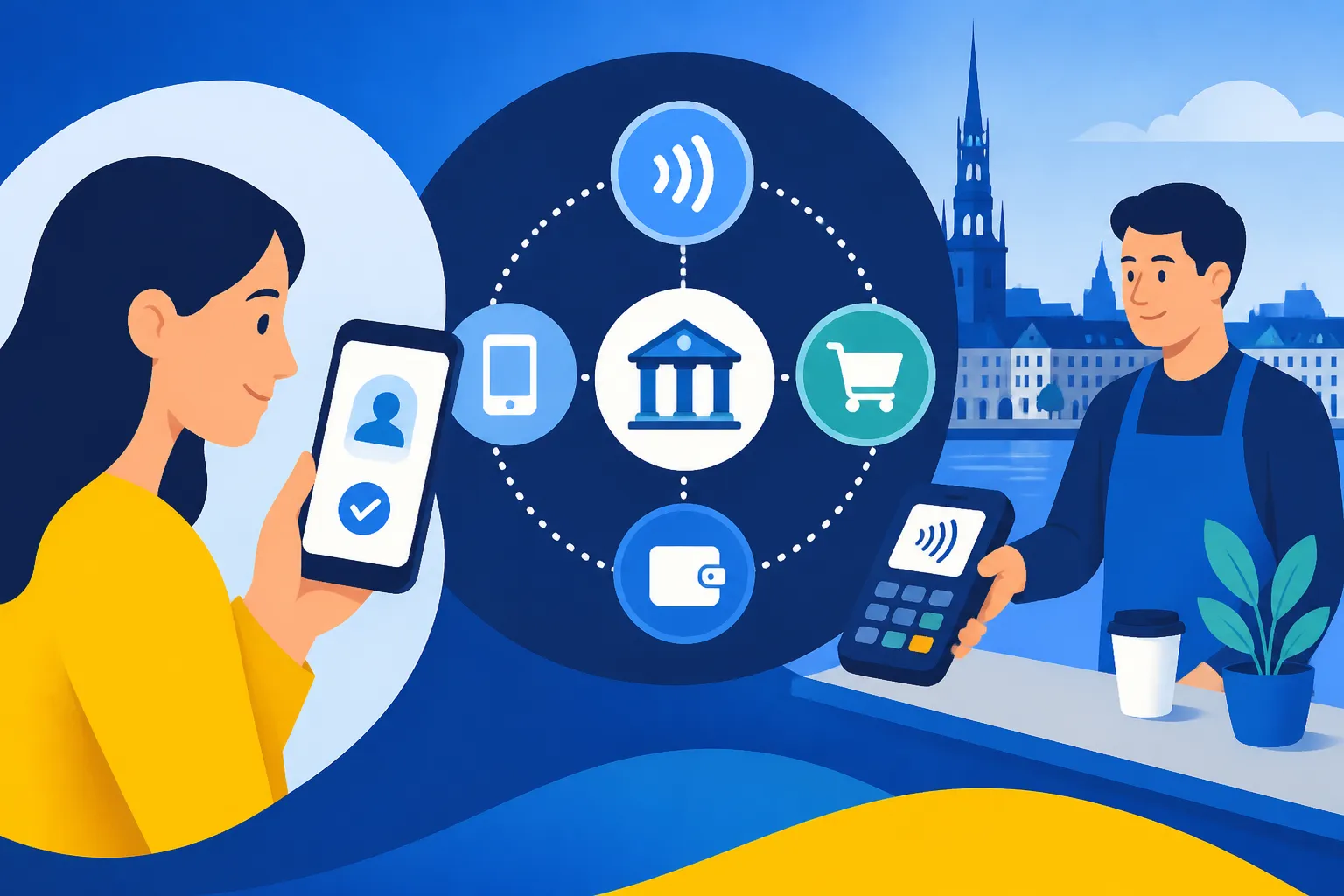
Beyond Swish, other mobile payment solutions have also found a footing in Sweden, primarily driven by international tech giants. Apple Pay and Google Pay are widely supported by Swedish banks and are increasingly used for contactless payments. If your bank card is linked to your phone's wallet, you can simply tap your phone at any contactless terminal, much like you would with a physical card. This adds another layer of convenience, allowing you to leave your wallet at home if you wish.
Furthermore, many larger retail chains, especially grocery stores, have developed their own mobile apps that integrate payment functionality. These apps often link to loyalty programs, offer digital receipts, and streamline the checkout process. For example, apps from Coop, ICA, or Hemköp allow you to scan your purchases and pay directly through the app, sometimes even skipping the traditional checkout line altogether. These solutions highlight Sweden's commitment to making the payment experience as smooth and digital as possible.
E-invoices (E-faktura) and Autogiro
For recurring bills and subscriptions, Sweden offers highly efficient digital solutions: e-invoices (e-faktura) and automatic direct debits (autogiro). E-faktura means receiving your bills directly into your internet bank, rather than as paper mail or PDF attachments. When a new e-invoice arrives, your bank notifies you, and you can review and approve it with your BankID. The payment details are pre-filled, virtually eliminating the risk of manual errors. This is the preferred method for paying utility bills, internet subscriptions, and other regular expenses.
For payments that are fixed and regular, like rent or loan repayments, autogiro is often used. This allows the service provider to automatically withdraw the exact amount from your bank account on a specific date, provided you've given prior authorisation using your BankID. It's a hands-off approach that ensures you never miss a payment. Both e-faktura and autogiro significantly simplify personal finance management, reducing paperwork and providing peace of mind that your bills are paid on time.
Navigating International Payments and Financial Transfers
Living as an expat in Sweden often means needing to send or receive money across borders. Whether you're sending funds back to your home country, receiving your salary from an international employer, or dealing with investments abroad, understanding the mechanisms for international financial transfers is crucial.
Sending Money Home or Abroad
When it comes to sending money from Sweden to another country, you'll encounter a few options, each with its own pros and cons regarding fees, exchange rates, and speed. Traditional banks (like Swedbank, SEB, Handelsbanken, Nordea) offer international transfer services, usually via SWIFT. These can be reliable but are often associated with higher fees, which might be a fixed charge per transaction, a percentage of the amount, or hidden within less favourable exchange rates. The transfer times can also vary, taking a few business days.
For many expats, dedicated money transfer services have become the go-to solution. Companies like Wise (formerly TransferWise) specialise in international transfers, often offering significantly lower fees and more transparent, competitive exchange rates compared to traditional banks. Their model typically involves local bank transfers at both ends, cutting down on SWIFT fees. These services are often faster too, with many transfers arriving within hours or even minutes. When choosing a service, always compare the total cost, including any stated fees and the exchange rate margin, as this can make a big difference for regular transfers. Wise is one of the most popular choices among expats for its transparency and efficiency in cross-border transactions.
Receiving Funds from Outside Sweden
Receiving money from abroad into your Swedish bank account is generally straightforward. Your sender will typically need your full name, your Swedish bank's name, your IBAN (International Bank Account Number), and the bank's SWIFT/BIC code. All of this information can usually be found in your internet banking portal or by contacting your bank directly.
While receiving funds from abroad is usually free for the recipient at the Swedish end, the sender might incur charges from their own bank or any intermediary banks in the transfer chain. The exchange rate applied will be your bank's rate on the day the transfer is processed, which may or may not be the most favourable. For larger sums, it can sometimes be beneficial to receive the funds via a service like Wise into your Swedish account if the sender uses such a platform, as it might offer a better overall exchange rate compared to a direct bank transfer.
Tax Implications for International Transfers
Dealing with international money transfers also brings up tax considerations, and it's vital to understand these to avoid any unwelcome surprises. Generally, simply transferring money you've already earned and paid tax on in one country to another bank account, even internationally, does not incur additional income tax. However, the source of the funds is what matters. If you are receiving a gift, an inheritance, or income from a foreign source (e.g., rental income, investment dividends, or salary from a foreign employer while residing in Sweden), these might be taxable in Sweden, even if the money comes from abroad.
Sweden has double taxation agreements with many countries to prevent you from being taxed twice on the same income. However, it's your responsibility to declare all relevant income to Skatteverket. Keeping clear records of all international transfers and their purpose is essential. For complex financial situations or substantial international assets, seeking advice from a tax specialist who understands both Swedish and international tax law is highly recommended. Services like Taxes for Expats can provide invaluable guidance in ensuring you remain compliant with your tax obligations both in Sweden and your home country, helping to navigate the intricacies of international tax regulations. Understanding How Much Income Tax Will I Pay on a Swedish Salary? is a good starting point for domestic tax understanding, and a more comprehensive guide to The Swedish Tax System Explained: Rates, Returns, and Filing is also available.
Challenges and Solutions for Foreigners in a Cashless Society
While Sweden's digital-first approach offers immense convenience, it also presents a unique set of challenges, particularly for newcomers. The initial setup can feel like an endless loop, and the reliance on digital systems can expose new vulnerabilities if not properly understood.
The Catch-22 of No Personnummer, No BankID
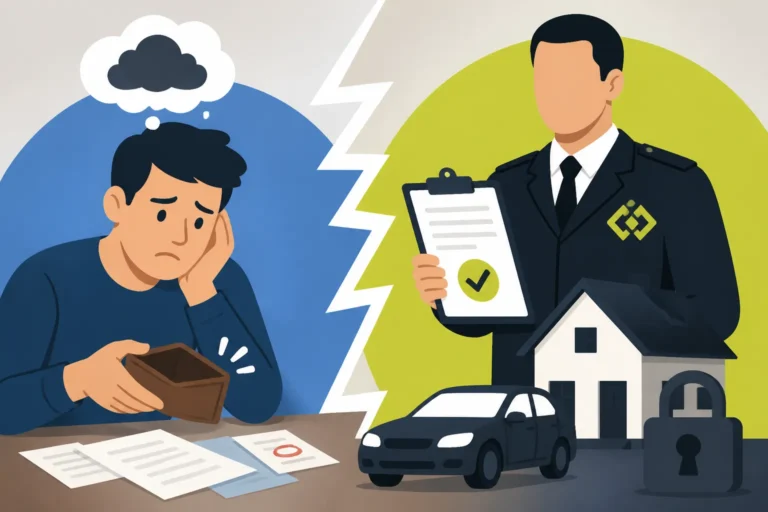
This is perhaps the biggest hurdle for new arrivals: you need a Personnummer to get a bank account, but some banks prefer you have a Personnummer to open an account. And you definitely need a bank account and Personnummer to get BankID. It's a classic "chicken and egg" situation that can be incredibly frustrating. Without a BankID, you're locked out of many essential services, slowing down your integration into Swedish society.
The key to breaking this cycle often involves a bit of persistence and knowing which banks are more accommodating. Some banks, particularly the larger ones like SEB, Nordea, or Swedbank, might allow you to open a basic account with just your passport and residence permit, even without a Personnummer, at least initially. This basic account might not grant you BankID immediately, but it's a crucial first step. Once you have a bank account and then secure your Personnummer from Skatteverket, returning to your bank to update your details and apply for BankID becomes much smoother. For those still struggling, our article on How to Open Your First Swedish Bank Account Without a Personnummer provides detailed steps.
Language Barriers and Digital Literacy
Even for those digitally savvy, navigating new financial systems in a foreign language can be daunting. While many Swedish banks and government websites offer English versions, some sections or specific instructions might only be available in Swedish. This can lead to misunderstandings or difficulties in setting up crucial services like e-invoices or understanding the terms and conditions for BankID.
The solution here is multi-faceted. Firstly, actively learning Swedish will be one of your most valuable assets. Even basic Swedish can significantly ease your daily administrative tasks. Secondly, don't be afraid to ask for help. Many bank employees in Sweden speak excellent English, and they are usually willing to guide you through the initial setup processes. If visiting a bank branch, it's often best to book an appointment beforehand and specify if you require English assistance. Utilising online translation tools for websites can also be helpful, though always be cautious with sensitive information. Thirdly, familiarise yourself with the terminology; understanding terms like "Folkbokföring" (population registration) or "Preliminärskatt" (preliminary tax) will go a long way, especially when you start understanding your payslip better, as explored in Understanding Your Swedish Payslip and Preliminärskatt.
Security and Fraud in a Digital Environment
While digital payments offer convenience, they also come with inherent security risks if you're not careful. Phishing scams, where fraudsters try to trick you into revealing your BankID details or other personal information, are unfortunately common. It's crucial to always be vigilant. Never use your BankID at the request of someone who has contacted you unexpectedly via phone, email, or text, regardless of who they claim to be (e.g., your bank, Skatteverket, or even a police officer). Your bank or official agencies will never ask you to authenticate with BankID over the phone or through unsolicited links.
Always initiate contact yourself if you suspect a legitimate request. Keep your BankID PIN secure and never share it. Regularly update your BankID app and your phone's operating system to ensure you have the latest security patches. Being aware of common fraud tactics and exercising a healthy dose of skepticism are your best defences in Sweden's highly digital financial landscape.
Comparing Key Digital Payment Methods in Sweden
To help you get a clearer picture of the primary digital payment methods in Sweden, here's a quick comparison of their main features and typical uses.
| Feature | BankID | Swish | Card Payments (Debit/Credit) | E-faktura (E-invoice) / Autogiro |
|---|---|---|---|---|
| Primary Function | Digital ID & Signature | Instant Money Transfer (P2P, P2B) | Point-of-Sale Transactions | Automated Bill Payments |
| Requires | Personnummer, Swedish Bank Account | Personnummer, Swedish Bank Account, BankID | Bank Account, Physical/Digital Card | Bank Account, BankID (for setup) |
| Speed | Instant authentication/signing | Instant | Instant (at POS) | Scheduled (automated) |
| Ubiquity | Essential for almost all digital services | Extremely High (P2P, many businesses) | Very High (most retail/services) | High (for recurring bills) |
| Cost | Free (from banks) | Free for personal use, small fee for businesses | Varies (card fees, FX rates) | Free |
| Security | High (PIN/Biometric protected) | High (BankID authentication) | High (chip & PIN, contactless limits) | High (BankID authentication for setup) |
| Use Cases | Gov't services, banking, contracts, logins | Splitting bills, small purchases, donations | Groceries, shopping, restaurants, travel | Utilities, rent, subscriptions, loans |
Disclaimer
The information provided in this guide is intended for general informational purposes only and does not constitute financial, legal, or tax advice. While we strive to keep the content up-to-date and accurate, financial regulations, banking policies, and immigration rules in Sweden can change rapidly. Always consult with a qualified professional or the relevant official authorities (such as Skatteverket, your bank, or Migrationsverket) for advice tailored to your specific situation. Reliance on any information in this guide is solely at your own risk.