Can I Use My Foreign Credit Card in Sweden?
Arriving in Sweden with only a foreign credit card can feel like a gamble when you realize even the public toilets and remote hot dog stands require digital payment. This guide breaks down exactly how Visa, Mastercard, and Amex perform across the country, covering hidden fees, the cashless culture, and the smart ways to avoid losing money on every transaction.
The Reality of Sweden's Cashless Society
When I first moved to Stockholm, I spent my first three hours trying to find an ATM that actually worked, only to realize that I didn't actually need the physical bills. Sweden is one of the most cashless societies on the planet. From the local "fika" spot to the SL ticket barriers at the metro station, the card terminal is king. If you are relying on a foreign card, you need to understand that "Cash is King" is a dead phrase here. Many shops and restaurants now display signs saying "Kontantfri" (Cash-free), meaning they literally cannot accept your paper money even if you beg.
This digital-first approach means your foreign credit card is your lifeline. However, it also means you are at the mercy of international banking networks. If your card doesn't play nice with Swedish terminals, you could find yourself unable to buy a bottle of water at Pressbyrån or pay for a bus ticket. It is vital to have a backup plan, especially since Opening a Bank Account in Sweden: A Step-by-Step Guide can take weeks or even months due to the administrative hurdles of getting a social security number.
The reliance on digital payments extends into the realm of apps. While your physical card will work in most shops, many peer-to-peer transactions or small-scale market stalls use an app called Swish. Unfortunately, Using Swish: How Sweden Pays Instantly requires a Swedish bank account and a BankID. Until you have those, your foreign credit card will be your primary tool for navigating the Budgeting for the Real Cost of Living in Sweden without carrying bags of coins you can't spend.
Card Networks and Acceptance Rates
The good news is that if you carry a Visa or Mastercard, you are generally in safe hands. These two networks are ubiquitous across Scandinavia. Whether you are at a high-end boutique in Östermalm or a small grocery store in a rural village in Dalarna, these cards will be accepted almost 100% of the time. The infrastructure is modern, and I have rarely seen a terminal that couldn't process a standard European or North American Visa/Mastercard.
American Express and Diners Club are a different story. While larger hotel chains, major department stores like NK or Åhléns, and high-end restaurants will likely accept Amex, many smaller cafes and independent shops reject it due to the higher transaction fees charged to the merchant. If you are a dedicated Amex user, always carry a Visa or Mastercard as a secondary option. Discover cardholders will find it even harder, as acceptance is extremely limited and often non-existent in smaller establishments.
Before you travel or relocate, it is worth checking if your card has a 4-digit PIN. Sweden is a "Chip and PIN" country. While some terminals can still process a "Swipe and Signature" transaction, many unmanned machines—like those at gas stations or automated parking meters—simply won't accept a card that doesn't have a 4-digit PIN. If your bank uses a 6-digit PIN, you might also face issues, as many Swedish terminals are hardcoded for four digits.
Understanding Transaction Fees and Hidden Costs
Using a foreign card might be convenient, but it is rarely free. Most traditional banks charge a "Foreign Transaction Fee," which is usually between 1% and 3% of the total purchase price. On a single coffee, it’s pennies; on a month of groceries and dining out, it adds up to a significant amount of money that you’re essentially throwing away. This is one of the most common frustrations for new arrivals who haven't yet learned how Money and Finance in Sweden: A Complete Guide for Foreigners (2027) operates.
Beyond the bank fees, there is the exchange rate. When you swipe your card, your bank converts the Swedish Krona (SEK) into your home currency. Banks often use their own "internal" rates, which are less favorable than the real mid-market rate. If you are looking to minimize these costs, using a service like Wise is a game-changer. They offer a multi-currency card that lets you hold SEK and spend it like a local, avoiding those 3% markups that traditional credit cards love to hide in the fine print.
You should also be aware of the long-term financial reporting requirements. If you are a digital nomad or a new expat using a foreign card for all your expenses, you may still have tax obligations back home or in Sweden. Consulting with a specialist like Taxes for Expats can help you understand if your spending habits or the maintenance of large foreign accounts could trigger reporting requirements like the FBAR or FATCA for Americans. Managing your money across borders is complicated, and your credit card statement is a digital paper trail that tax authorities can follow.
| Card Type | Acceptance Level | Best Use Case | Typical Fees |
|---|---|---|---|
| Visa / Mastercard | Very High | Everywhere (Grocery, Transport, Retail) | 1% – 3% + Exchange Markup |
| American Express | Moderate | Hotels, High-end Dining, Major Airlines | Higher merchant fees; 2% – 3% FX |
| Wise Debit Card | Very High | Everyday spending with mid-market rates | Minimal conversion fees; No FX fee |
| Foreign Debit Card | High | ATMs and POS terminals | Varies widely by bank |
The Trap of Dynamic Currency Conversion (DCC)
This is a specific pitfall that catches almost every newcomer at least once. When you pay at a terminal in a Swedish shop, the screen might ask: "Would you like to pay in SEK or [Your Home Currency]?" It sounds helpful, right? It lets you see exactly how much you are spending in dollars, pounds, or euros. Always choose SEK.
When you choose to pay in your home currency, you are opting into "Dynamic Currency Conversion." This allows the merchant’s bank to set the exchange rate, and it is almost universally terrible. You will often end up paying 5% to 10% more for the transaction than if you had just let your own bank handle the conversion. Sweden is a transparent country in many ways, but DCC is a global banking "service" that functions as a hidden tax on the uninformed.
Some tourists at the airport end up choosing to pay in USD for a 500 SEK train ticket, only to realize later they were charged the equivalent of 560 SEK because of the DCC rate. It’s a small button-press that can save you thousands of Krona over the course of a year. If you are still in the process of Getting Your Personnummer: The Gateway to Swedish Healthcare, you will likely be using your foreign card for a while, so making "Pay in SEK" a habit is essential for your financial health.
Technical Requirements: Contactless, Chips, and IDs
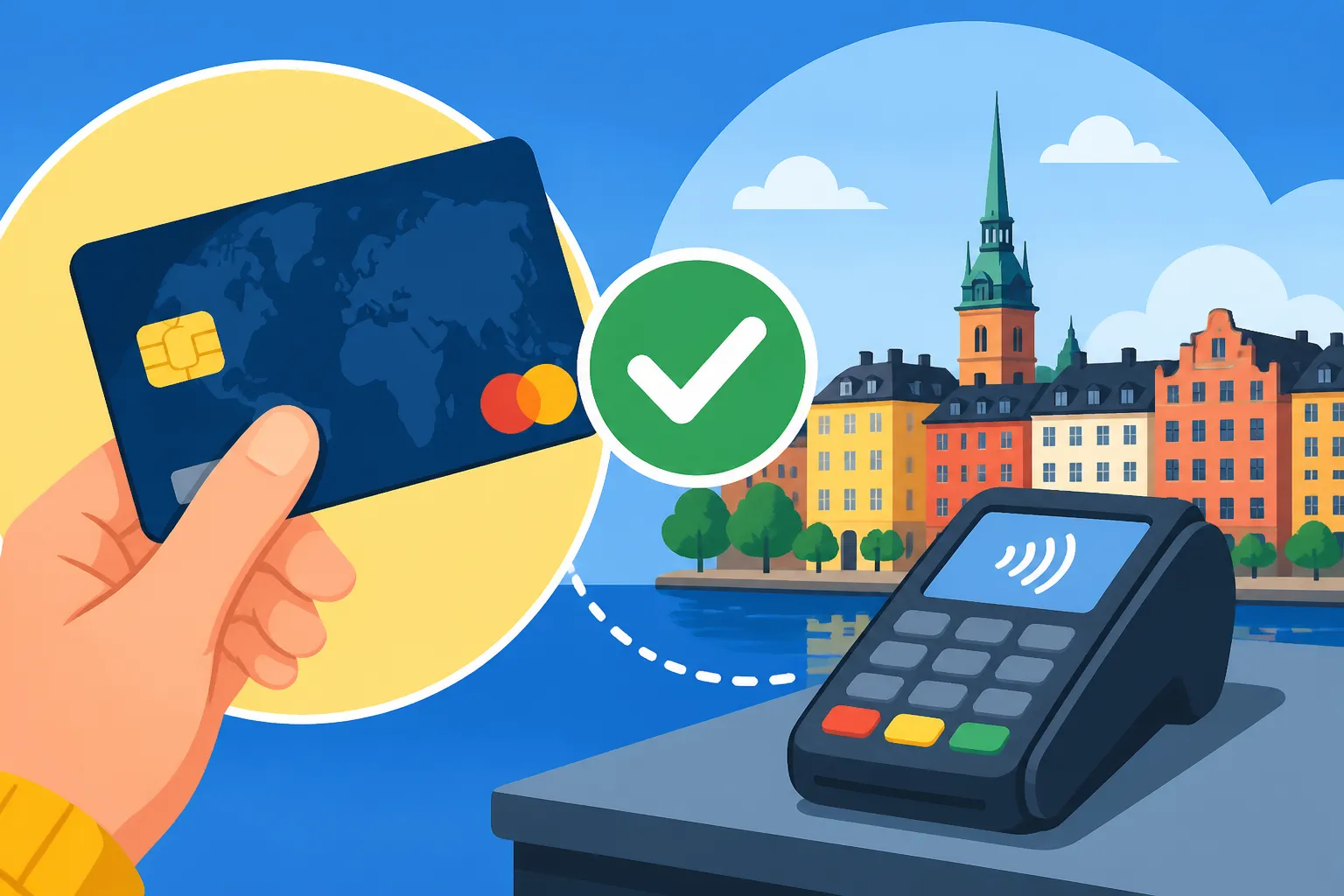
Sweden was an early adopter of contactless payments (called "blippa" in Swedish). Almost every terminal in the country supports it. You can tap your card, phone, or watch for almost any transaction under 400 SEK without entering a PIN. However, for security reasons, the terminal will occasionally "force" a chip-and-PIN transaction to verify it’s really you. If you are using a foreign card that doesn't support contactless, you can still insert the chip, but be prepared for a slightly slower process.
There is also a quirk regarding identification. If your foreign card requires a signature rather than a PIN, the cashier is legally required to check your ID. Because of the strictness of Swedish regulations, they may only accept a passport or a European Union national ID card. A foreign driver's license is often rejected as a valid form of identification in Swedish banks and shops. This is one of the many reasons why Getting a Swedish ID Card After Your Personnummer should be high on your to-do list once you’ve settled in.
If you are using a credit card for public transport, specifically in Stockholm, you can simply "tap" your contactless Visa, Mastercard, or Amex on the green SL readers. You don't need to buy a separate ticket for a single journey. However, if you are travelling with children or need a discounted fare, you cannot get that through a direct card tap; you’ll need the SL app. This is a common point of confusion for people who are used to more complex ticketing systems.
ATMs and Cash Withdrawals
While you rarely need cash, you might find yourself in a situation where it’s required—perhaps for a deposit on a rental or a specific flea market (loppis) in the countryside. In Sweden, ATMs are known as "Bankomats." They are blue and usually easy to find in shopping centers or near train stations. Most Bankomats will accept foreign cards, but your home bank will likely charge a "Foreign ATM Fee" plus a percentage of the withdrawal.
When using a Bankomat, the same rule about DCC applies. The machine will offer to "guarantee" your exchange rate by charging you in your home currency. Decline this offer and choose to be charged in SEK. Also, be aware that some foreign banks have daily or weekly limits on international withdrawals. If you haven't notified your bank that you are in Sweden, they might trigger a fraud alert and freeze your card after your first withdrawal attempt.
For those planning to stay long-term, relying on ATMs is an expensive way to live. You should look into Sending Money To and From Sweden Without Losing on Fees using digital transfer services rather than withdrawing cash from a credit card, which often carries "Cash Advance" interest rates that start accruing the moment the money hits your hand. If you are struggling with the transition, remember that you can Can I Open a Swedish Bank Account Before I Get My Personnummer? in some specific cases, though it requires a lot of persistence.
Managing Your Foreign Card Long-Term as an Expat
If you are moving to Sweden for work or study, you might think you can just keep using your home credit card forever. While it's possible, it’s not practical. For one, you will face constant exchange rate fluctuations. One month your rent (paid via a transfer service using your card) might be 10,000 SEK, which equals $950; the next month, a dip in the currency market could make it $1,050.
Furthermore, building a credit history in Sweden is impossible using a foreign card. To eventually get a mortgage or a car loan, you need to show activity within the Swedish system. This requires Registering with Försäkringskassan: When and Why You Need To and eventually getting a local bank account. Your foreign card is a bridge, not a permanent solution.
While you are in this "bridge" phase, keep a close eye on your statements. Subscription services in Sweden—like gym memberships or internet providers—often prefer "Autogiro" (direct debit), which doesn't work with foreign credit cards. You will often have to pay these via manual invoices (faktura), which can be tedious to handle with a foreign bank. If you find yourself overwhelmed by the cross-border paperwork, services like Taxes for Expats can provide clarity on how to report these foreign expenditures and ensure you aren't running afoul of the Swedish Tax Agency (Skatteverket).
Strategic Tips for Foreign Card Users
To make your transition smoother, it helps to carry at least two cards from different networks (one Visa and one Mastercard). It's also vital to download your bank’s mobile app and ensure you have international roaming or access to WiFi, as many European transactions now require "3D Secure" verification—where you have to approve the purchase in your app or via an SMS code. If you can't receive that code, you can't buy your train ticket.
Another tip is to check your card's expiration date. Getting a replacement card sent from your home country to a Swedish address can be a logistical nightmare, involving customs declarations and potential delays at the PostNord terminal. If your card is set to expire within the next six months, get a new one before you leave your home country.
Finally, always keep a small amount of "emergency" SEK in a 24-hour accessible place, but don't expect to use it. The goal in Sweden is to be as invisible as possible in the financial system until you are fully integrated. Your foreign card is your best friend in the beginning, provided you use a low-fee option like Wise and remember the golden rule: always pay in the local currency.
Disclaimer
This guide is for informational purposes only and does not constitute financial, legal, or tax advice. Exchange rates, bank fees, and merchant policies in Sweden are subject to change. Always check with your card issuer regarding specific international usage terms and consult a qualified professional for tax-related inquiries.
By following these steps, you can navigate the Swedish economy with confidence, even before your first paycheck in Krona arrives. From the initial tap at the airport to your tenth fika of the week, your foreign credit card—when used wisely—is the key to unlocking a smooth start in your new Nordic home.