Can I Open a Swedish Bank Account Before I Get My Personnummer?
Landing in Sweden is a whirlwind of IKEA trips, fika breaks, and the sudden, jarring realization that you are financially invisible without a personnummer. Many newcomers find themselves stuck in a classic Swedish "catch-22": you need a bank account to receive your salary, but the bank insists you need a personal identity number to open the account. This guide explores how to navigate this administrative hurdle and secure your finances before your tax registration is complete.
The Swedish Banking Paradox: Why It Feels Impossible
I remember the first time I walked into a bank branch in central Stockholm, fresh off the plane and armed with nothing but a smile and a work contract. The teller looked at me as if I were asking for a loan to buy the Royal Palace. "No personnummer, no account," she said, with that polite but firm Swedish finality. It is a frustration shared by thousands of expats every year. The reality is that Sweden is one of the most cashless societies on earth, and being without a local account makes everything from paying rent to buying a hot dog at Pressbyrån infinitely more complicated.
The core of the issue lies in the strict "Know Your Customer" (KYC) and Anti-Money Laundering (AML) regulations. Swedish banks are terrified of hefty fines from the Financial Supervisory Authority (Finansinspektionen). To them, a person without a personnummer is a high-risk entity with no verifiable history in the Swedish system. They often default to a "no" because it is easier than navigating the manual paperwork required for a non-resident account. This is where you need to be persistent and know your legal rights.
If you are also navigating the complexities of remote work or foreign income during this transition, consulting with a service like Taxes for Expats can help you understand how your early days in Sweden affect your global tax liability. Understanding your status early prevents headaches when the first Swedish tax season rolls around.
Your Legal Right to a Basic Payment Account
Contrary to what a stressed bank teller might tell you, you do have a legal right to open a bank account in Sweden even without a personnummer. This is based on the EU Payment Accounts Directive, which was transposed into Swedish law as the Payment Accounts Act (Betaltjänstlagen). This law states that anyone legally resident in the EEA—including people with no fixed address and asylum seekers—has the right to a "Basic Payment Account."
What the Law Actually Says
The law stipulates that a bank cannot refuse your application for a basic account unless they have a very specific reason, such as suspected money laundering or previous fraudulent behavior. Not having a personnummer is not a valid legal reason for refusal. However, a "basic" account is exactly that: basic. You will get a debit card and the ability to deposit and withdraw money, but you will not get a credit card, and most importantly, you will likely not get BankID or Swish right away.
To succeed in this, you should check out the Opening a Bank Account in Sweden: A Step-by-Step Guide to see which banks are historically more "expat-friendly" when it comes to enforcing these EU rights. When you go to the bank, it often helps to bring a printed copy of the Swedish Bankers' Association (Svenska Bankföreningen) factsheet, which explicitly states the rules for people without a personnummer.
Dealing with the Coordination Number
Sometimes, the bank will suggest you get a samordningsnummer (coordination number) first. This is a temporary ID number for people who aren't yet in the population register. While it is better than nothing, it still isn't a personnummer. You might wonder, What Is a Samordningsnummer and Can I Get Care With One? while you wait for your full registration. Some banks, like SEB or Nordea, may be more willing to open an account with this number, but it often depends on the specific branch manager you speak with.
Essential Documentation for Your Appointment
If you decide to brave the traditional banking route before your personnummer arrives, you need to be over-prepared. Do not just walk in; try to book an appointment, though many branches in Sweden have moved to a "drop-in" system for basic tasks. When you go, your folder should be bursting with evidence of your life and legitimacy.
The Paperwork Checklist
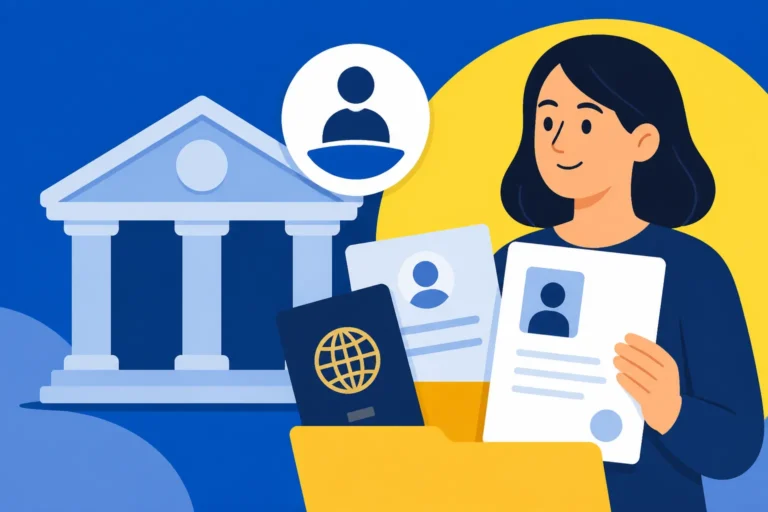
At a minimum, you will need your valid passport (not a driving license from home, as Swedish banks rarely accept foreign ones). If you are a non-EU citizen, your residence permit card (UT-kort) is non-negotiable. You should also bring your employment contract, which proves you have a legitimate source of income. Banks are much more willing to help if they see a steady stream of Swedish Krona coming from a reputable local company.
Furthermore, bring proof of your address in Sweden, such as a rental contract. Even if it is a short-term second-hand rental, it shows you are "settled." If you are still struggling with the basics of local administration, you might be asking yourself How Do I Receive My Swedish Salary Without a Local Bank Account? while you wait for the paperwork to clear. It is a common stressor, but there are ways to manage the interim period.
The Role of Your Employer
In some cases, your Swedish employer can provide a "letter of introduction." This isn't a legal requirement, but in the relationship-based world of Swedish banking, it carries weight. If your company uses a specific bank for their corporate accounts—say, Handelsbanken or Swedbank—going to a branch of that same bank can sometimes grease the wheels. They are less likely to reject the employee of a valued corporate client.
Digital Alternatives and Borderless Accounts
If the traditional banks are giving you the runaround, or if you simply can't wait the several weeks it takes for an appointment, the digital "neobanks" are your best friend. Many expats now use Wise to manage their initial move. Wise allows you to open a multi-currency account with "local" details, which can sometimes be used to receive your first salary if your employer is flexible.
Why Digital Banks Work for Newcomers
The onboarding process for Wise is significantly faster than the Swedish big four. You can usually verify your identity using your home country's documents and a selfie. While a Wise account won't give you access to the Swedish Swish system, it provides a functional debit card that you can use at ICA or Coop from day one. This is a lifesaver when you are trying to avoid the predatory exchange rates of your home country's bank card.
Using Wise also makes it easy to transfer your relocation savings into SEK without losing a fortune in hidden fees. For many of us who have moved here, having a functional card in our pocket while we wait for the slow wheels of Skatteverket to turn is the difference between feeling like a resident and feeling like a stranded tourist.
The Limitations of Neobanks
The major downside is that digital-only banks cannot issue BankID. In Sweden, BankID is the digital soul of the country. Without it, you cannot log into the 1177 health portal, you cannot sign for a rental apartment online, and you certainly cannot use Swish. If you want to understand the full gravity of this, read about BankID and Digital Payments: How Money Moves in Cashless Sweden to see why a traditional account remains the end goal.
Comparing Your Initial Banking Options
| Feature | Traditional Swedish Bank (No Personnummer) | Digital Neobank (e.g., Wise) |
|---|---|---|
| Setup Time | 2-6 Weeks (requires appointment) | 1-3 Days (online) |
| Required Docs | Passport, Work Contract, Proof of Address | Passport/ID, Selfie |
| Local IBAN | Yes (Swedish account number) | Yes (Multi-currency/SEK) |
| BankID Access | No (Usually requires Personnummer) | No |
| Swish Access | No (Requires BankID) | No |
| Physical Card | Yes (Debit) | Yes (Debit) |
| Customer Support | In-person/Phone (English/Swedish) | App-based/Email |
As you can see, the digital route is faster for basic spending, but the traditional route puts you on the path toward full integration. Many veterans of the Swedish expat scene recommend using a combination of both during the first six months. Use Wise for your daily spending and currency transfers, while persistently pushing your local bank to set up a basic account.
If you are managing investments or complicated tax filings back home while setting this up, checking in with Taxes for Expats is a smart move. They specialize in the unique intersection of US tax law and foreign residency, which is vital if you're a US citizen trying to report a new Swedish bank account under FBAR regulations.
Transitioning Once Your Personnummer Arrives
The moment your personnummer arrives in the mail from Skatteverket is a day of celebration. It is the golden key. Once you have this number, you must return to your bank immediately. You are no longer a "temporary visitor" in their eyes; you are a "customer with a personal identity number."
Upgrading Your Account
The bank will "link" your personnummer to your existing account. This is the moment you can finally apply for BankID and download the Swish app. You will finally be able to understand Using Swish: How Sweden Pays Instantly and join the rest of society in splitting dinner bills with a few taps on your phone. It is also the time when you should ensure you are correctly registered in the system for other benefits, such as Getting Your Personnummer: The Gateway to Swedish Healthcare.
The Importance of the ID Card
Don't forget that even with a personnummer, many banks will require a Swedish ID card (ID-kort) issued by Skatteverket before they give you full digital access. This is another waiting game. You might be wondering How Long Does It Take to Get a Personnummer After Moving to Sweden? and the answer, unfortunately, is often "longer than you'd like." Being prepared for these delays by having a Wise account as a backup will save your sanity.
Once everything is settled, your focus will likely shift from simply "having money" to "managing money." You'll need to understand The Swedish Tax System Explained: Rates, Returns, and Filing to make sure you aren't overpaying. Having your bank account correctly linked to the tax office (Skatteverket) ensures that any tax refunds are deposited directly into your account without you having to lift a finger.
Final Advice for the Frustrated Expat
If a bank teller tells you "no," do not take it personally. It is a systemic issue, not a reflection of your financial standing. Try a different branch, or even a different bank. Handelsbanken branches, for example, often have more local autonomy than Nordea or Swedbank, meaning a friendly branch manager might be more willing to help you out.
Stay patient, keep your documents organized, and use digital tools to bridge the gap. Sweden is a wonderful place to live once you are "in the system," but the journey to get there is a test of character. By the time you are comfortably using Swish at a summer market, these early struggles will just be another story to tell the next newcomer you meet at a fika.
Disclaimer
The information provided in this guide is for informational purposes only and does not constitute legal or financial advice. Banking regulations and internal bank policies in Sweden can change frequently. While every effort has been made to ensure the accuracy of this information, readers are encouraged to verify current requirements directly with the relevant Swedish authorities and financial institutions. This content is based on personal experiences and general expat knowledge and should not be used as a substitute for professional consultation.