Which Swedish Banks Are Easiest for Foreigners to Join?
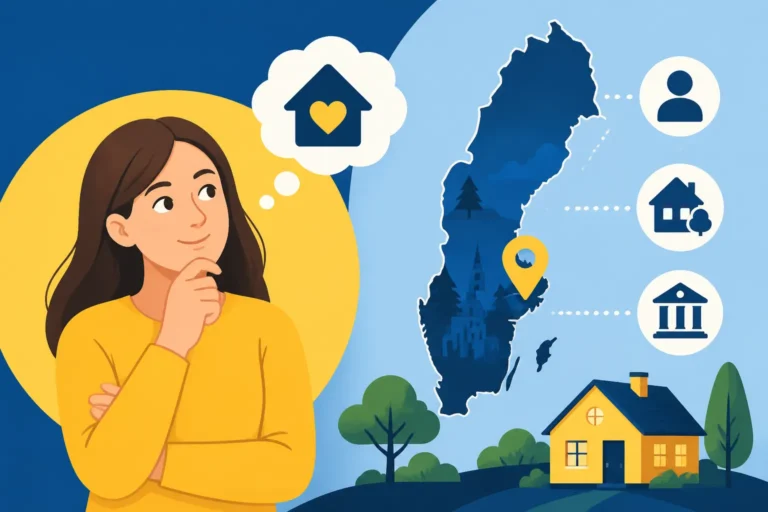
Moving to Sweden often feels like a series of "chicken and egg" puzzles, but none is more frustrating than the banking hurdle. You need a bank account to get paid, but you often need a Swedish personal number to get an account, which can take weeks or months to arrive. This guide navigates the complexities of the Swedish banking landscape to identify which institutions offer the smoothest path for new arrivals.
The Swedish Banking Paradox: Understanding the Struggle
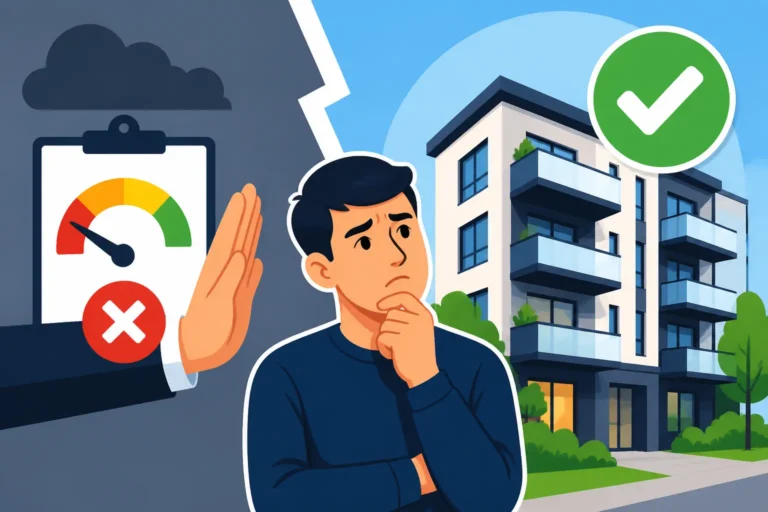
If you have spent any time in expat forums, you have likely seen the horror stories. A newcomer walks into a branch, employment contract in hand, only to be told they cannot open an account without a Personnummer. This is the famous Swedish Catch-22. While Swedish law and EU regulations (specifically the Payment Accounts Directive) state that banks must provide basic payment accounts to anyone legally residing in the EU, the reality on the ground is often a maze of bureaucracy and "system says no."
The main reason for this friction is not necessarily a lack of desire to help; it is Sweden’s incredibly strict Anti-Money Laundering (AML) and Know Your Customer (KYC) regulations. Banks are terrified of heavy fines, so they often over-comply by demanding the highest level of Swedish identification before even starting an application. For those still waiting on their paperwork, knowing How Long Does It Take to Get a Personnummer After Moving to Sweden? is crucial for setting expectations, but you shouldn't have to wait for the tax agency to finish their processing just to pay your bills.
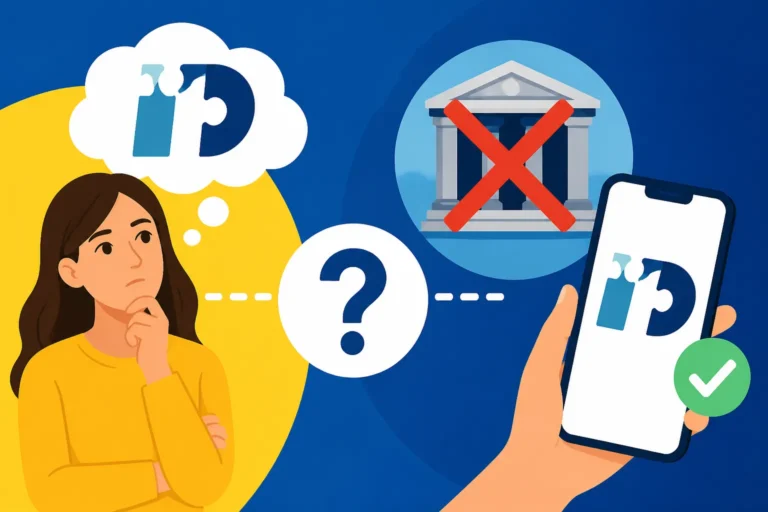
Furthermore, the digital nature of the country adds another layer of complexity. In Sweden, a bank account isn't just for money; it’s the gateway to BankID and Digital Payments: How Money Moves in Cashless Sweden. Without BankID, you are digitally "invisible," unable to log into government services, pick up packages, or even pay for parking easily. Because BankID requires a verified identity tied to a personal number, many bank clerks assume you shouldn't have an account until you have that number. Breaking through this assumption requires patience, the right documentation, and occasionally, trying a different branch.
Ranking the Traditional Banks for Newcomers
When it comes to the "Big Four" Swedish banks—SEB, Nordea, Handelsbanken, and Swedbank—there is no single "best" answer, as experiences vary wildly depending on the specific branch and the clerk you encounter. However, certain trends have emerged among the expat community regarding which institutions are generally more accommodating.
SEB: The Choice for Professionals and International Workers
SEB (Skandinaviska Enskilda Banken) is frequently cited by foreigners as the most efficient option, particularly for those moving for high-skilled jobs. They have a long history of dealing with international corporations, which means their staff is often more comfortable with foreign passports and employment contracts. Many expats find that SEB is the most likely to accept an application even if you only have a Samordningsnummer (coordination number) or are still in the process of Opening a Bank Account in Sweden: A Step-by-Step Guide.
The application process at SEB usually involves an initial meeting where you present your ID and proof of employment. Their English-language support in their mobile app and online banking is generally superior to many of their competitors. If you are moving to a major city like Stockholm or Gothenburg, seeking out an SEB branch in a business district often yields better results than a residential branch, as they are more accustomed to international clients.
Handelsbanken: The Power of Local Relationships
Handelsbanken operates on a decentralized model, meaning each individual branch has significant autonomy over its decisions. This can be a double-edged sword. On one hand, if a clerk at a central Stockholm branch says no, you might find a branch in a quieter neighborhood that is willing to listen to your story. On the other hand, it makes their service inconsistent.
Handelsbanken is a great choice for those who value a personal relationship with their banker. If you are a non-EU citizen concerned about What Documents Do I Need to Open a Swedish Bank Account?, Handelsbanken’s focus on the individual can work in your favor. They are less "algorithmic" than some of the larger banks. If you can prove your "essential connection" to Sweden—through a long-term lease, a job, or family—they are often willing to open a basic account for you while your personal number is pending.
Nordea and Swedbank: The Large-Scale Retail Experience
Nordea is one of the largest financial groups in the Nordics, and like SEB, they have a dedicated infrastructure for international customers. They offer specialized "welcome packages" for expats in certain regions. However, Nordea has been known to be very strict with documentation. If your paperwork isn't perfect, they may be less inclined to find a workaround.
Swedbank is perhaps the most ubiquitous bank in the country, but it is often the most difficult for newcomers to crack. Because they have such a massive retail customer base, their branches are often busy, and clerks may stick strictly to the most common procedures. Many newcomers report being told they must have a personal number at Swedbank, even when that contradicts EU law. If you choose Swedbank, it is often best to wait until you are already Getting BankID: Sweden's Essential Digital Identity to ensure a smoother transition.
| Bank | Expat Friendliness | English App Quality | Ease of Opening without Personnummer |
|---|---|---|---|
| SEB | High | Excellent | Moderate – Best for employees |
| Handelsbanken | Moderate/High | Good | Branch Dependent |
| Nordea | Moderate | Very Good | Difficult |
| Swedbank | Low/Moderate | Good | Very Difficult |
Strategic Documentation and Preparing for Your Appointment
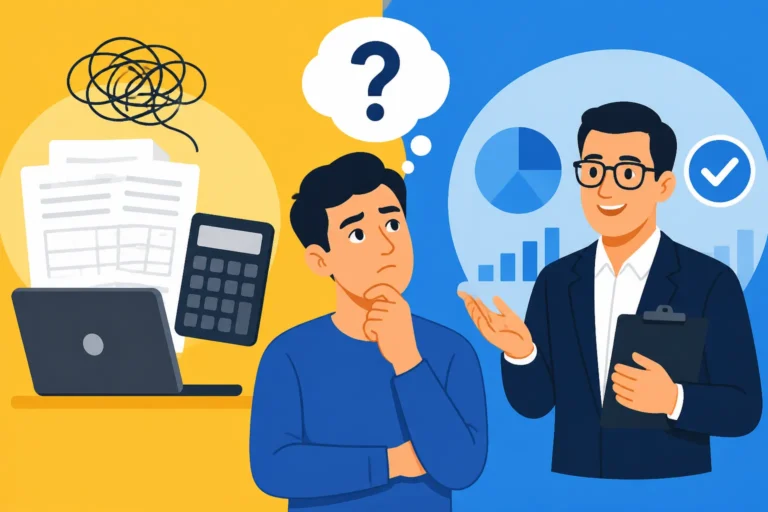
To increase your chances of success, you must treat your bank appointment like a job interview. You are trying to prove that you are a "low-risk" customer. Banks are particularly wary of US citizens due to the Foreign Account Tax Compliance Act (FATCA). If you are an American, you should mention that you are aware of your reporting requirements and perhaps even mention that you use services like Taxes for Expats to ensure you remain compliant with both Swedish and US tax laws. Showing that you have a plan for your international tax obligations can actually make a bank feel more comfortable with your profile. Taxes for Expats can be a helpful mention to prove you are a responsible taxpayer.
You should bring a physical "dossier" to your appointment. This should include your valid passport (not a national ID card, unless it's an EU one), your Swedish work permit (if applicable), your signed employment contract showing your salary, and proof of your Swedish address, such as a rental agreement. Even if you are asking Can I Open a Swedish Bank Account Before I Get My Personnummer?, having a stamped document from the Tax Agency (Skatteverket) showing that you have applied for a number is much better than having nothing at all.
If a clerk denies your application, do not simply walk away. Respectfully ask for a written explanation of the rejection. Often, mentioning the "Right to a Basic Payment Account" under the EU Payment Accounts Directive will prompt a supervisor to take a second look. It is also worth asking specifically about their "Limited Account" options, which allow for deposits and card payments but may not include credit facilities or the immediate issuance of BankID.
Digital Alternatives and Using Bridge Accounts
For many, the first few weeks in Sweden involve paying for temporary housing, groceries, and transport while the traditional banking system remains locked. This is where digital-first solutions and neobanks become essential "bridges." While these accounts cannot provide you with a Swedish BankID, they allow you to function in a nearly cashless society.
Wise is arguably the most valuable tool for a new expat in Sweden. You can open a Wise account before you even leave your home country and hold a balance in Swedish Krona (SEK). This allows you to pay local invoices (fakturor) via bank transfer, which is the standard way to pay for everything from rent to internet bills. Wise also offers a physical card that works everywhere in Sweden, often with much better exchange rates than traditional banks. Using Wise for your first three months is a common strategy to avoid the stress of being "cash-only" while waiting for your Swedish ID.
Once you have your local account, you can continue to use Wise to send money home or receive funds from abroad without the heavy fees associated with traditional Swedish banks. It’s also worth considering that while you are waiting for your traditional account to be approved, you won't have access to Using Swish: How Sweden Pays Instantly. However, once you have your personnummer and a traditional bank account, linking them to Swish is a priority. Until then, having a Wise card in your Apple or Google Wallet is the closest you will get to the seamless Swedish payment experience.
Navigating the Path to BankID
The ultimate goal of opening a Swedish bank account is almost always to obtain BankID. This digital signature is required for everything from checking your medical records on 1177 to signing a contract for a phone plan. It is important to understand that not all bank accounts come with BankID. If you are opened a "basic" account without a personal number, you will not be able to get BankID until your number is issued and you have a Swedish ID card.
Once you receive your Personnummer, you should immediately apply for a Swedish ID card from the Tax Agency. Once that card is in your hand, you must go back to your bank branch in person. They will verify your new Swedish ID and "upgrade" your account profile. Only then can they issue the security codes required to activate BankID on your smartphone. Many foreigners make the mistake of thinking this happens automatically—it does not. It requires one final in-person visit.
During this transition period, keep a close eye on your finances. If you are an American expat, this is also the time when your FBAR (Foreign Bank Account Report) requirements become relevant. Using a specialized service like Taxes for Expats can help you track these new accounts. Taxes for Expats is particularly useful for ensuring you don't miss the filing deadlines for these newly opened Swedish accounts. Similarly, keep your Wise account active as a backup; it is not uncommon for BankID to occasionally glitch or for a traditional bank card to be blocked for "suspicious activity" if you make a large international purchase. Having Wise as a secondary payment method is a veteran expat move.
Why Was My Application Rejected?
If you find yourself facing a "nej," do not take it personally. Most rejections are due to a perceived lack of "customer knowledge." If the bank cannot verify where your money is coming from or why you need an account, they will reject you to stay safe. Common reasons include a lack of a long-term residence permit (if you are on a permit shorter than 12 months) or the inability to provide a local address.
If you are a freelancer or self-employed, the hurdle is even higher. Banks may want to see months of Swedish invoices before opening a business account. In these cases, it is often easier to open a personal account first and use a service like Wise for your business transactions until your Swedish company is fully registered and recognized by the system. If you are struggling, referring to Why Was My Swedish Bank Account Application Rejected? can provide deeper insights into how to pivot your strategy. Remember that you can also complain to the National Board for Consumer Disputes (ARN) if you believe a bank is unfairly denying you the basic account rights guaranteed by EU law.
Healthcare and Money: The Final Connection
You might wonder why a finance guide mentions healthcare, but in Sweden, everything is connected through your digital ID. Once your bank account and BankID are active, you can finally register for healthcare and pay for visits seamlessly. Most clinics do not accept cash, and being able to pay via your bank's app or Swish is essential.
While you are getting your finances in order, you should also look into Choosing and Switching Your Vårdcentral Through Vårdval to ensure your health needs are met. Just as you have the right to choose your bank, you have the right to choose your primary care clinic. Having a functional bank account makes navigating the patient fees and high-cost ceilings much easier, as most refunds or subsidies from the state are paid directly into your registered Swedish bank account.
Disclaimer
This guide is for informational purposes only and does not constitute professional financial, legal, or tax advice. Banking regulations in Sweden, particularly those involving Anti-Money Laundering (AML) and the issuance of BankID, are subject to frequent change by both the Swedish government and individual financial institutions. While every effort has been made to ensure the accuracy of this information for 2026, readers are encouraged to contact banks directly for the most current requirements. American citizens should consult with a tax professional, such as Taxes for Expats, regarding their specific FATCA and FBAR reporting obligations.