How Do I Remove a Payment Default (Betalningsanmärkning) in Sweden?
You are trying to sign a contract for a new apartment or perhaps just upgrade your mobile phone plan when you receive that dreaded rejection notification. In Sweden, a betalningsanmärkning, or payment default record, is a serious administrative hurdle that can freeze your financial life for years. This guide explains the mechanics of how these marks occur, the legal process for disputing errors, and the realistic timeline for their removal from your credit history.
Understanding the Betalningsanmärkning: More Than Just a Black Mark
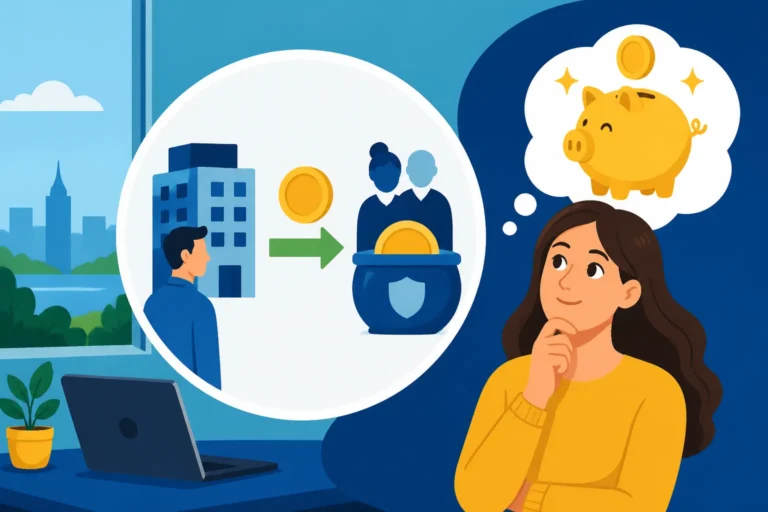
To navigate this problem, you first need to understand that a payment default is not a single "fine" you can simply pay away to make it disappear. In many countries, once you pay a debt, your credit score begins to recover almost immediately. In Sweden, the system is designed to be more of a historical record of your "payment reliability." When a debt goes unpaid and reaches a certain stage of the legal collection process, a mark is recorded against your personal identity number (personnummer). This mark tells future lenders, landlords, and service providers that you have failed to meet your financial obligations in the past.
The Role of the Enforcement Authority (Kronofogden)
The Swedish Enforcement Authority, known as Kronofogden, is the government agency responsible for debt collection and evictions. It is a common misconception that Kronofogden itself "issues" the payment default. In reality, Kronofogden handles the legal claim (betalningsföreläggande). If you receive a bill and fail to pay it, the creditor sends it to a collection agency. If you still don’t pay, the creditor applies to Kronofogden for a "determination" that the debt is owed. Once Kronofogden issues a ruling (utslag) or a decision, that information becomes public record. This is the moment the trouble truly begins for an expat who might have simply missed a letter while traveling or moving between temporary sublets.
Dealing with Kronofogden: Debt Enforcement in Sweden is an essential read to understand the timeline of these "yellow envelopes." Once a ruling is made, the information is harvested by private credit reporting agencies. Even if you pay the full amount ten minutes after the ruling is issued, the "event" of the ruling has already occurred and is now a matter of public record. For an expat, this often happens because of a change in address that wasn't updated with Skatteverket, leading to missed invoices for minor things like a parking ticket or an old gym membership.
How Credit Reporting Agencies Use This Data
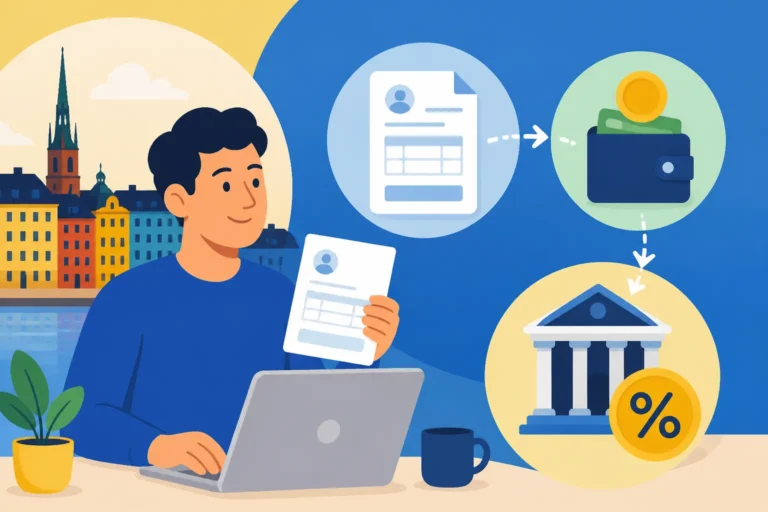
Sweden has several major credit reporting agencies, with UC (Upplysningscentralen) being the most prominent. These companies constantly monitor Kronofogden’s public records. When they see a new ruling or a debt registered for collection, they add a betalningsanmärkning to your file. This record stays visible to anyone who runs a credit check on you, regardless of whether the debt has since been settled.
Understanding What Is a UC Credit Check and How Do I See My Score? is vital because your score is directly impacted by the presence of these marks. For an individual, a payment default typically stays on your record for three full years from the date it was registered. This period is fixed by law to ensure that lenders have a long-term view of your financial behavior. During these three years, you may find it nearly impossible to get a credit card, a mortgage, or even a first-hand rental contract.
Can You Actually Remove a Payment Default? The Legal Reality
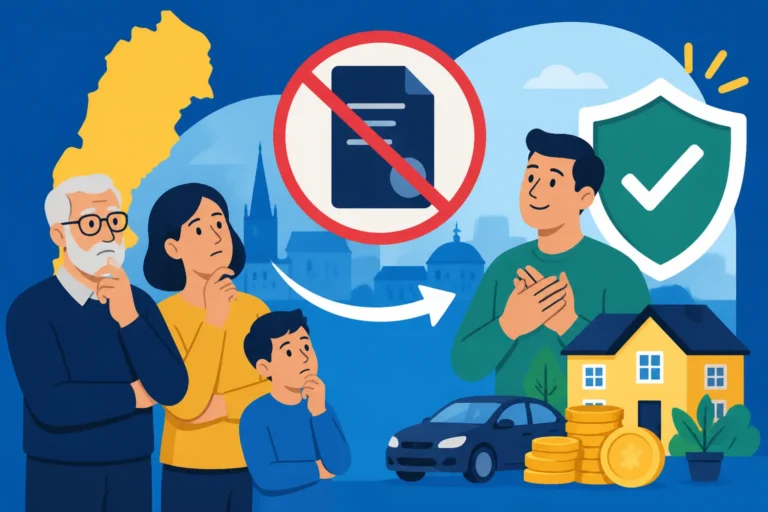
The most frustrating realization for many newcomers is that you cannot "remove" a legitimate payment default just by paying the debt. If the debt was valid and the process followed the law, the mark will remain for the statutory three-year period. However, there are specific, narrow circumstances where a mark can be retracted or "cleaned" from your record if an error occurred.
The Hard Truth: Time is the Main Factor
For 95% of cases, the only "cure" for a payment default is the passage of time. The three-year countdown starts from the day the mark was registered, not the day you paid the debt. This is why it is so critical to avoid the mark in the first place by disputing the original invoice before it reaches Kronofogden. If you find yourself with a valid mark, your focus must shift toward How Do I Improve My Credit Rating in Sweden? through other means, such as maintaining a steady income and avoiding any further collection activity.
During this waiting period, you might need to manage your international finances more carefully. If you are struggling with Swedish bank rejections due to your credit score, using services like Wise can be a lifesaver for receiving funds or making international payments without the scrutiny of a traditional Swedish bank's credit department. Wise allows you to hold multiple currencies and handle transfers with transparency, which is helpful when you are essentially "blacklisted" from local credit-based financial products.
Exceptions and Errors: When Deletion is Possible
Deletion is only possible if the default was "wrong" from a legal standpoint. This is known as rättelse (rectification). Examples of errors include:
- Identity Theft: Someone else used your personnummer to incur debt.
- Administrative Errors: You paid the bill on time, but the creditor failed to register the payment and sent the claim to Kronofogden anyway.
- Lack of Due Process: You were never properly served with the claim, perhaps because the creditor sent it to a clearly incorrect address despite having your correct details.
- Contested Debt: You disputed the invoice with the creditor before it went to Kronofogden, but they ignored your dispute and proceeded with the collection anyway.
If you can prove one of these scenarios, you can contact both the creditor and the credit reporting agencies to request a rectification. This is a complex process that requires documentation, such as bank statements showing the date of payment or copies of emails where you disputed the original invoice.
Step-by-Step Guide to Disputing an Incorrect Default
If you believe your betalningsanmärkning is the result of an error, you must act quickly. The longer a mark sits on your record, the harder it can be to unwind the administrative chain.
Contacting the Creditor and Kronofogden
Your first step is to contact the company that claimed you owed them money. If they acknowledge they made a mistake, they can contact the credit reporting agencies directly to ask them to remove the mark. This is the fastest route. If the creditor refuses to help, you must contact Kronofogden to explain that the ruling was based on incorrect information.
In many cases, expats encounter these issues because of complicated tax filings or misunderstandings about "kvarskatt" (back tax). If you are navigating US-Swedish tax obligations, for instance, a firm like Taxes for Expats can help ensure your filings are accurate so you don't inadvertently end up with a state-owned debt that leads to a default. Using Taxes for Expats ensures that your reporting is handled by professionals who understand the specific triggers for Swedish tax collection, which is one of the most common sources of "accidental" payment defaults for foreigners.
Gathering Evidence and Submitting a Rectification Request
To have a mark removed, you need a "paper trail." You should prepare a folder containing:
- The Original Invoice: To show what the debt was for.
- Proof of Payment: A bank transfer receipt showing the date and the recipient's OCR number.
- Communication Logs: Any emails or letters sent to the creditor disputing the debt.
- Population Register Proof: If the mark happened because mail went to an old address, a certificate from Skatteverket showing when you officially moved can sometimes help prove you weren't properly notified.
| Type of Default | Standard Duration | Can it be removed? | Common Cause for Expats |
|---|---|---|---|
| Private Debt (E-mål) | 3 Years | Only if proven incorrect | Unpaid gym/phone bills after moving |
| Public Debt (A-mål) | 3 Years | Only if proven incorrect | Parking tickets or TV fees (Radiotjänst legacy) |
| Business Default | 5 Years | Only if proven incorrect | Unpaid VAT or social fees for sole traders |
| Debt Reorganization | 5+ Years | No (part of a legal plan) | Severe long-term insolvency |
Once you have your evidence, you must send a formal request for rectification to the major credit bureaus like UC, Bisnode, and Creditsafe. They have a legal obligation under the Credit Information Act to ensure the data they publish is accurate. If you prove the data is wrong, they are required to delete or correct it.
Navigating Life with a Default Record in Sweden
If your request for removal is denied and the mark is legitimate, you are facing a three-year "financial winter." However, it is not impossible to survive and thrive during this time if you adjust your strategy.
Renting an Apartment and Getting a Phone Plan
This is where the mark hurts the most. Most major landlords will automatically reject any applicant with a betalningsanmärkning. To find housing, you will likely need to look at the second-hand market or offer a larger-than-normal deposit. You might find more success by reading Can a Bad UC Score Stop Me Renting an Apartment in Sweden? to learn how to communicate with private landlords who might be willing to look past the mark if you can show a stable employment contract.
For phone plans, skip the monthly contracts. Use a prepaid (kontantkort) SIM card. Most providers like Telia or Tele2 will not even let you sign a basic contract with a mark on your record, but they will happily sell you credit for a prepaid card.
Managing Foreign Income and International Payments
When your local Swedish credit is damaged, keeping your international financial life healthy is paramount. Using Wise can provide you with a way to manage money without relying on a Swedish bank's "credit" features. Since Wise functions as a multi-currency account rather than a traditional lender, your Swedish credit score generally won't prevent you from opening an account or moving money. This is a vital tool for expats who need to pay bills in their home country while waiting for their Swedish record to clear.
Furthermore, ensure your tax situation is bulletproof. A secondary mark from a tax debt is even more damaging than a private debt. Services like Taxes for Expats are highly recommended for those with complex income streams (like remote work or rental income from abroad). Taxes for Expats specializes in the unique overlap of international tax laws, ensuring you don't miss a Swedish filing deadline that could result in a "skattekonto" (tax account) deficit. Once a tax debt is handed over to Kronofogden, it is extremely difficult to dispute, as the state assumes its calculations are correct unless you have professional proof otherwise.
Long-term Financial Recovery
While the mark exists, focus on building a "buffer." Use this time to save money and ensure that every single future bill is paid via "Autogiro" (direct debit) or "E-faktura" (electronic invoice). This minimizes the risk of a physical letter being lost in the mail. If you change addresses, always use the "Adressändring" service to forward your mail. This small fee is nothing compared to the cost of a three-year financial lockout.
Check Money and Finance in Sweden: A Complete Guide for Foreigners (2027) for more tips on setting up a resilient financial system. By the time your mark expires, you should have a clean payment history and a healthy savings account, making you a "gold" candidate for mortgages and credit products once again. Patience is your strongest asset here. Sweden is a highly digitized society, and the "system" rarely forgets, but it does eventually move on. Once that three-year anniversary hits, your score will often jump up significantly, provided you haven't added any new marks to the pile.
The Swedish Tax System Explained: Rates, Returns, and Filing guide provides a deep dive into how to avoid the most common pitfalls that lead to these marks. Remember, in Sweden, being proactive is the only way to protect your personnummer from the administrative machinery of debt collection.
General Disclaimer
The information provided in this article is for informational purposes only and does not constitute legal or financial advice. Swedish regulations regarding debt collection, credit reporting, and the practices of the Enforcement Authority (Kronofogden) are subject to change. While we strive to provide up-to-date and accurate information, readers should consult with a qualified legal professional or financial advisor regarding their specific situation. Always verify information directly with official government sources such as Kronofogden or Skatteverket before taking action.