What Is an Ungdomsmottagning and Who Can Use It?
Moving to Sweden as a young adult or with teenage children can feel like a constant battle against acronyms and administrative walls. I remember the sheer confusion of trying to find a simple blood test for a younger relative without being redirected to a four-month waiting list. This guide solves that frustration by explaining the Ungdomsmottagning, Sweden's dedicated youth clinic system that bypasses typical bureaucratic hurdles.
Understanding the Ungdomsmottagning Concept
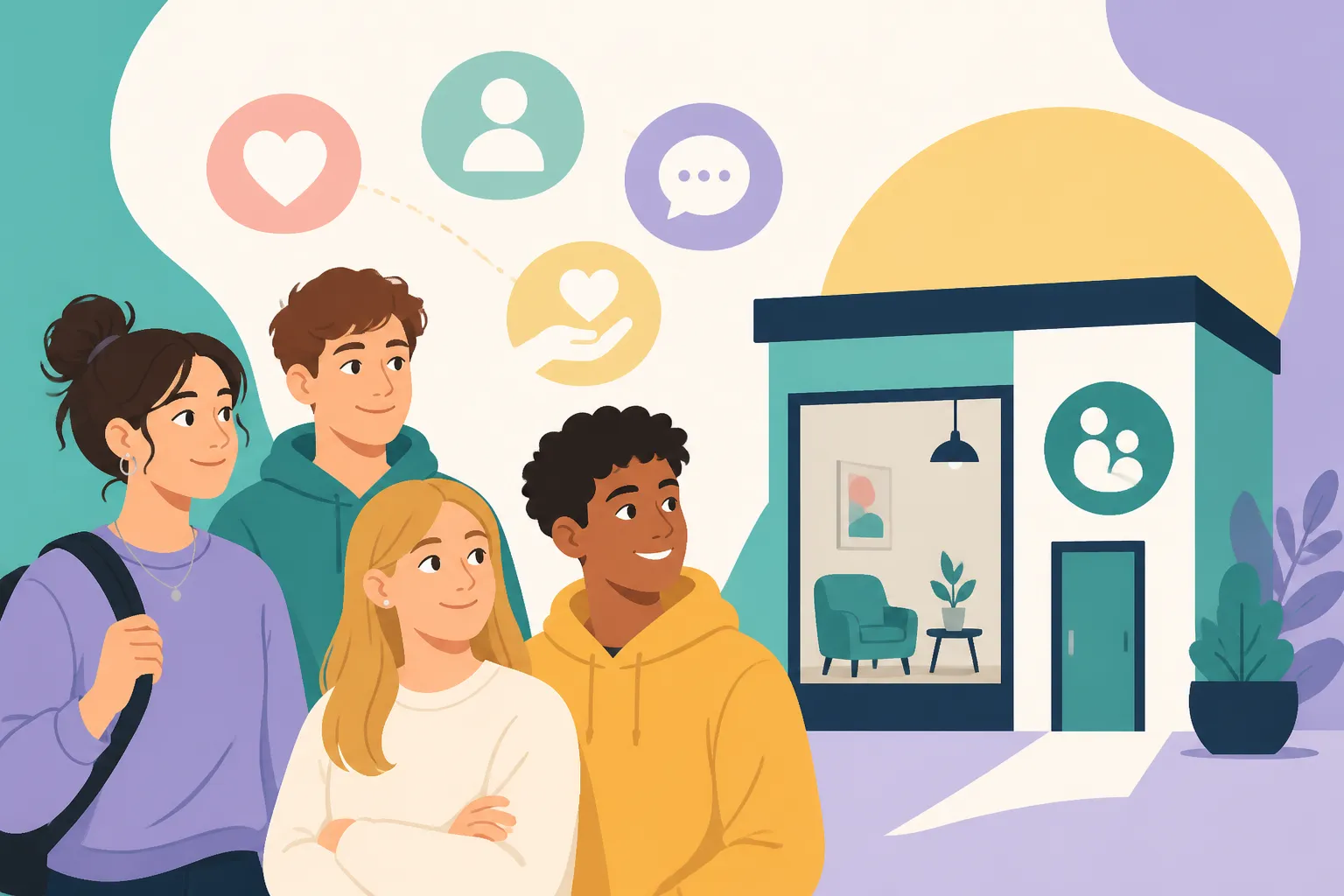
The Ungdomsmottagning, often abbreviated as UM, is a cornerstone of the Swedish welfare state that many expats overlook until they are in a moment of minor crisis. It is not just a doctor's office; it is a holistic sanctuary designed specifically for individuals navigating the transition from childhood to adulthood. The primary goal of these clinics is to provide a "low-threshold" entry point into the medical and psychological system, meaning they aim to remove every possible barrier—be it cost, parental consent, or even the need for a pre-existing medical record.
In my first few years here, I was struck by how different this is from the healthcare models in many other countries. In most places, a teenager goes to a pediatrician or a general practitioner (GP) where their parents are often the primary point of contact for the billing and the medical history. In Sweden, the UM flips this script. It is a space where the young person is the sovereign patient. This philosophy is deeply rooted in the Swedish value of individual autonomy. Whether the issue is a need for contraception, struggles with identity, or just feeling overwhelmed by the pressure of school, the UM provides a multidisciplinary team to handle it under one roof.
The staff typically includes midwives (barnmorskor), counselors or social workers (kuratorer), psychologists, and sometimes doctors or nurses. This mix is intentional. They recognize that a physical symptom in a 19-year-old is often inextricably linked to their mental well-being or social situation. By housing these professionals together, the system ensures that a young person doesn't have to retell their story five times to five different specialists. This integrated approach is a vital part of Healthcare in Sweden for Foreign Residents: The Complete System Guide (2027) that every newcomer family should understand early on.
Who Can Actually Use the Youth Clinic
Eligibility for the Ungdomsmottagning is primarily defined by age, but as with everything in Sweden, the specific rules can shift slightly depending on which of the 21 regions you live in. Generally, the service is open to anyone from the age of 13 up until their 25th birthday. However, some regions, like Stockholm or Skåne, have been known to extend this limit to 22 or even 25, while others might cap it earlier. It is essential to check the local "Ungdomsmottagning [Your City]" website to confirm the exact cut-off.
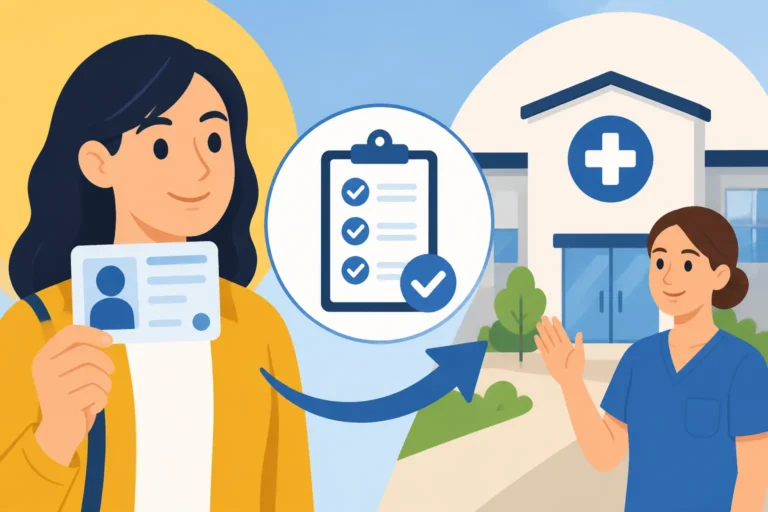
For expats, the most common question is whether you need a Personnummer to walk through the door. This is where the UM truly shines as a resource for the international community. While having a Personnummer makes the digital booking process much smoother, most youth clinics are committed to helping anyone who is physically present in Sweden. If you are an international student or a recent arrival still waiting for Skatteverket to process your ID, you can still access these services. In fact, many UMs are the first place I recommend for those asking Can I See a Doctor in Sweden Before I Get My Personnummer? because they are much more accustomed to handling "unregistered" patients than a standard Vårdcentral.
If you are a non-EU citizen or on a shorter permit, you might be worried about the cost of care. For those in the age bracket, UM visits are almost always free of charge, regardless of your residency status. However, it is always a smart move to have your own coverage. While the UM handles the consultation, follow-up specialist care outside the clinic might require Private Health Insurance in Sweden: When Sjukvårdsförsäkring Is Worth It. For digital nomads or those on a gap year, having a plan from a provider like SafetyWing can provide an extra layer of security for medical issues that fall outside the UM's scope. Similarly, Cigna Global offers comprehensive plans that can cover the more complex specialist referrals that might arise after an initial UM screening.
Services Offered at the Ungdomsmottagning
The scope of the UM is much broader than a typical school nurse's office. It is divided into two main pillars: sexual health and mental health. On the sexual health side, they are the primary providers of Sexual and Reproductive Health Services in Sweden for Newcomers. This includes everything from STI testing and treatment to providing various forms of contraception like birth control pills, implants, or IUDs. One of the most significant advantages is that the midwives at UM are specialists in young adult anatomy and concerns, making the experience far less clinical and intimidating than a standard hospital visit.
The mental health side is equally robust. Life as an expat youth can be incredibly isolating. You are often dealing with the "double burden" of standard adolescent development and the cultural shock of a new country. The kuratorer (social workers) at the UM are trained to handle "lifestyle" counseling. They deal with issues like loneliness, body image, family conflicts, and the stress of integration. If the issue is more severe, such as clinical depression or an anxiety disorder, they can provide an initial assessment and help navigate the Mental Health Support in Sweden: Psychologists, Therapy, and Referrals system for more intensive care.
| Service Category | Common Treatments/Support | Cost for Youth |
|---|---|---|
| Sexual Health | STI Testing, Contraception, Pregnancy Tests | Free |
| Mental Health | Counseling, Stress Management, Identity Support | Free |
| Physical Health | Minor Check-ups, Acne advice, General health Q&A | Free |
| Social Support | Help with bullying, family issues, or loneliness | Free |
Another unique aspect of the UM is its role as an educational hub. They often provide free condoms and educational materials without requiring an appointment. For many young foreigners, this is a culture shock in the best way possible—a place where you can ask "embarrassing" questions and receive a factual, non-judgmental answer from a professional who has heard it all before.
Navigating the 1177 System and Booking
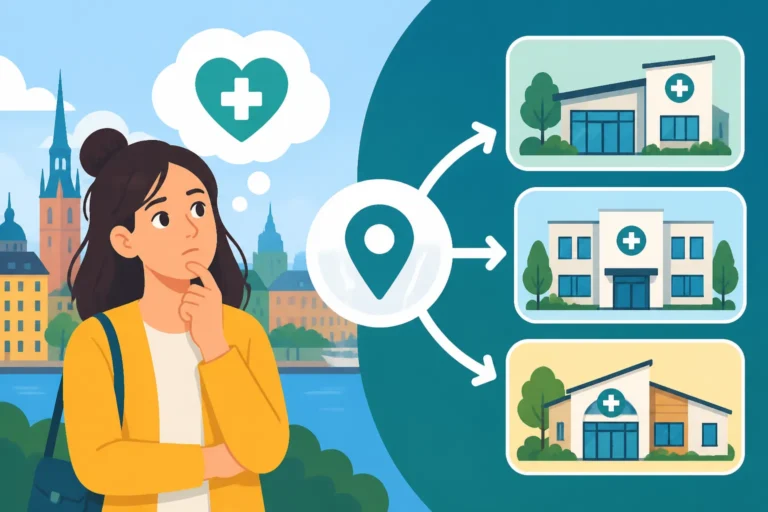
Sweden’s healthcare is highly digitized, and the UM is no exception. Most residents use the 1177 Vårdguiden: Navigating Sweden's National Health Advice Line and Portal to find and book their appointments. If you have a BankID, you can log in to the "1177.se" portal, search for your local youth clinic, and see available time slots. This is incredibly convenient because it avoids the need for a phone call in Swedish.
However, if you don't have a BankID yet—which is common for those only holding a What Is a Samordningsnummer and Can I Get Care With One?—you can still access care. Most youth clinics have "Drop-in" hours. These are specific times during the week (often Monday afternoons or Thursday mornings) where you can simply show up and wait your turn. This is the "old school" way, but for a newcomer, it is often the most reliable. You just walk in, take a number, and wait. The staff almost always speaks excellent English, so don't let the language barrier stop you.
If you are a student or a young professional covered by Cigna Global, you might also have access to their digital health portals, but for the local, ground-level youth care in Sweden, the 1177 system (or the UMO.se website) is the gold standard. UMO.se is the dedicated national website for youth clinics and is available in several languages, providing a wealth of information on everything from Swedish laws on consent to how to use a Swedish pharmacy.
Privacy, Confidentiality, and Parental Rights
One of the most frequent concerns I hear from expat parents is: "Will the clinic tell me if my child goes there?" In Sweden, the answer is generally no. Swedish law places a high value on a minor’s right to privacy in healthcare once they reach a certain level of maturity (usually around age 13-15). This means that if a 16-year-old visits a UM for a counselor session or for contraception, the staff is legally bound by "tystnadsplikt" (professional secrecy). They will not, and legally cannot, inform the parents unless there is a direct and serious threat to the minor’s life.
For parents coming from more conservative or family-centric healthcare systems, this can be a difficult adjustment. There are many "culture clashes" where parents feel excluded from their child's health journey. However, the logic behind this is to ensure that young people don't avoid necessary medical care out of fear of their parents' reaction. It creates a "safe zone" where the young person can be 100% honest with their healthcare provider.
If a young person requires a prescription, this will be handled through the standard Pharmacies and Prescriptions in Sweden: The Apotek System for Newcomers process. If they have a Personnummer, the prescription is digital and linked to their ID. If they don't, the UM will issue a paper prescription. Even in the case of medications, the privacy rules apply; a parent cannot simply walk into a pharmacy and see what their 17-year-old has been prescribed without the child's consent.
When You "Age Out" of the Ungdomsmottagning
Eventually, the day comes when you turn 23, 25, or whatever the local limit is, and you are no longer eligible for the youth clinic. This transition can be jarring because the "adult" system is much more segmented. You will no longer have a "one-stop shop" for your mental and sexual health. Instead, you will need to start Registering with a Vårdcentral: Your Guide to Primary Care in Sweden for your general health and mental health needs, while visiting a "Barnmorskemottagning" (midwife clinic) for sexual health and contraception.
When you transition to the adult system, you also start encountering Understanding Patient Fees (Patientavgift) Across Sweden's 21 Regions. While the UM was free, a visit to a GP at a Vårdcentral usually costs between 200 and 300 SEK. It is at this stage that you really need to understand The Högkostnadsskydd Explained: Sweden's Healthcare Cost Ceiling and Frikort to ensure your medical expenses don't spiral.
For those who have grown accustomed to the high level of support at a youth clinic, I highly recommend starting the transition a few months before your final birthday. Ask your UM counselor or midwife for a referral (remiss) to an adult clinic if you have ongoing treatments. This ensures your medical records are transferred smoothly and you don't end up at the back of a long queue. If you are a young professional with Cigna Global or another private plan, you might find that you can skip the Vårdcentral queues entirely and go straight to a private specialist, which can make the "aging out" process much less stressful.
The Digital Youth Clinic: UM Online
In recent years, Sweden has launched "UM Online," which is a fantastic resource for those living in more remote areas or those who feel too anxious to visit a clinic in person. Through a dedicated app, you can have video calls with midwives and counselors. This service is free and follows the same confidentiality rules as the physical clinics.
For expats, this is a lifesaver if you are still trying to figure out Public Transport in Sweden: SL, Regional Cards, and Apps and don't want to spend two hours traveling to the nearest city just for a 15-minute consultation. You can discuss symptoms, get advice on mental health, or even renew certain prescriptions via video. However, for things like STI testing or getting a contraceptive implant, a physical visit is still required. If you're traveling within Sweden or perhaps working remotely on a plan like SafetyWing, having the UM Online app on your phone ensures you have access to Swedish medical advice no matter where you are in the country.
Emergency Situations and the UM
It is important to remember that the Ungdomsmottagning is not an emergency room. They operate on a scheduled or limited drop-in basis and are not equipped for acute trauma or life-threatening emergencies. If a young person is in immediate crisis—whether it's a severe physical injury or a mental health emergency—the UM is not the right destination.
In those cases, you must look toward Emergency Medical Care in Sweden: 112, Akutmottagning, and Urgent Help. The UM is for the "slow-burning" issues of life: the anxiety that has been building for weeks, the questions about sexual health, or the need for a long-term contraceptive plan. Knowing the difference between these two paths is the key to successfully navigating Swedish life without unnecessary stress.
Disclaimer
This article is intended for informational purposes only and does not constitute professional medical or legal advice. Healthcare regulations, age limits, and fees in Sweden can change frequently and may vary between different regions. Always consult the official 1177.se website or contact your local Ungdomsmottagning directly for the most current information regarding your specific situation. If you are experiencing a medical or psychiatric emergency, please call 112 immediately.