When Do I Get a Frikort for Free Healthcare in Sweden?
Moving to Sweden, you hear whispers of a socialist paradise where healthcare is entirely free, but then you're slapped with a 250 SEK bill at your first GP visit. I remember sitting in my local vårdcentral, clutching a receipt and wondering if I’d been lied to about the system. This guide explains exactly when the high-cost protection kicks in and how you transition from paying patient to having a Frikort for free care.
Understanding the High-Cost Ceiling and the Rolling Year
The most common misconception I see among new arrivals is the idea that the Swedish healthcare "ceiling" resets on January 1st. It does not. The system operates on a rolling 12-month basis. This means the clock starts ticking the very first day you pay for a medical consultation. If you visit a doctor on March 15th, your "high-cost year" begins that day and will end on March 14th of the following year.
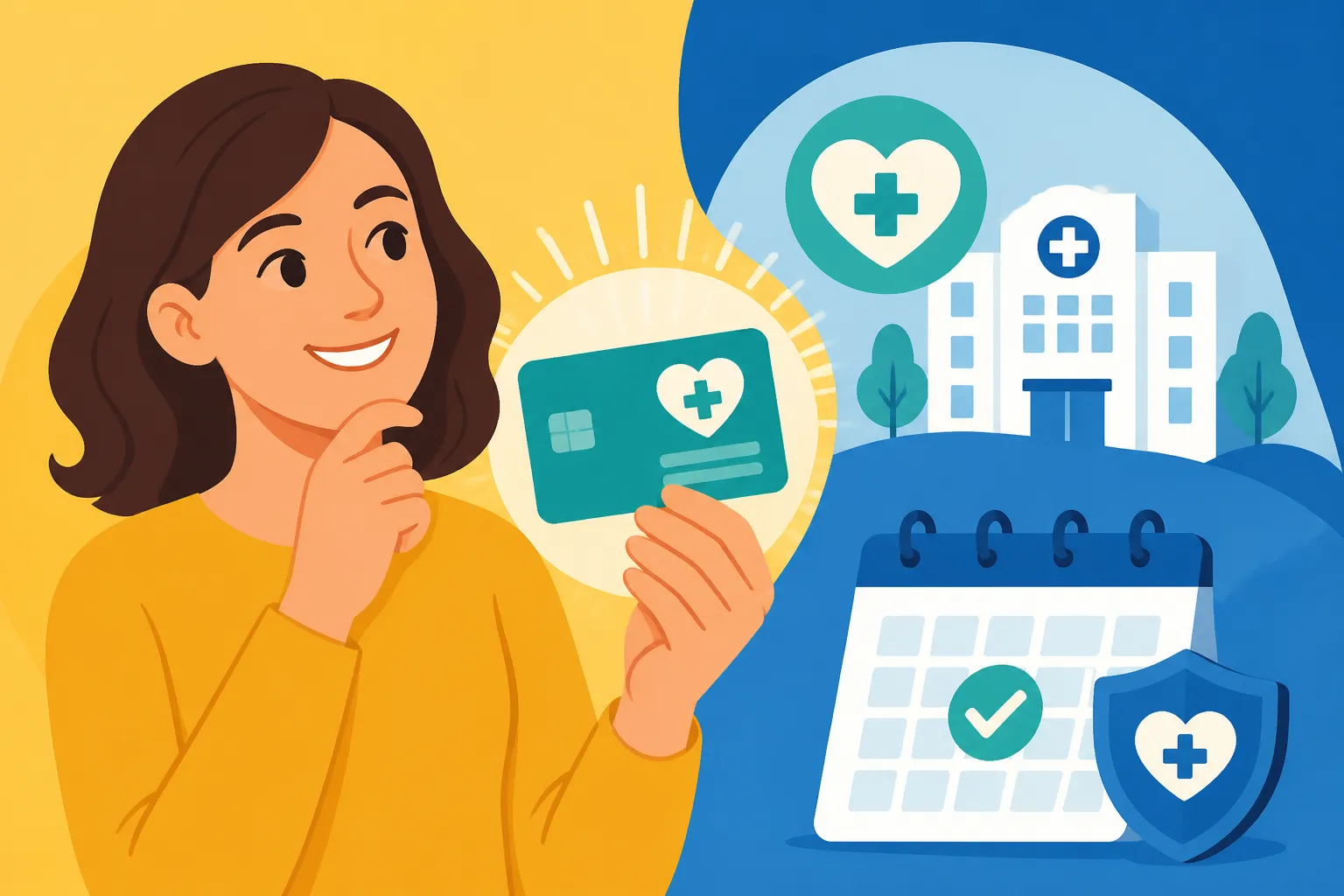
The mechanism behind this is called Högkostnadsskydd. As of 2026, the national limit is set at 1,400 SEK. Once your out-of-pocket payments for eligible healthcare services reach this amount within that 12-month window, you are entitled to a Frikort. This card (which is now almost entirely digital) grants you free outpatient care for the remainder of that 12-month period. For anyone managing a chronic condition or even just a particularly unlucky year of infections, understanding The Högkostnadsskydd Explained: Sweden's Healthcare Cost Ceiling and Frikort is essential for personal budgeting.
Many expats get frustrated because they think they’ve reached the limit, only to realize their oldest payments have "dropped off" the rolling calendar. If you pay 400 SEK in January and then don’t see a doctor again until the following February, that January payment no longer counts toward your total. It requires a bit of mental gymnastics, but once you’re in the system, the 1177 portal does a decent job of tracking it for you. This is why Healthcare in Sweden for Foreign Residents: The Complete System Guide (2027) is such a vital resource for understanding the long-term rhythm of living here.
What Costs Actually Count Toward Your Frikort
Not every krona you spend in a medical building goes toward your Frikort. This is a major "gotcha" for newcomers. Generally, what counts are "patient fees" for consultations provided by the public health system or private providers who are contracted by the region. This includes visits to your GP, specialists you’ve been referred to, and even some digital healthcare meetings. If you are curious about specific rates, you should check How much does a GP visit cost at a Swedish Vårdcentral? as these can vary slightly by region.
However, there is a list of exclusions that often catches people off guard. For example, the cost of getting a medical certificate for a driver's license or a travel visa does not count toward the ceiling. Neither does the daily fee if you are actually admitted to the hospital (sluten vård), which is usually around 130 SEK per day. Perhaps most importantly, dental care is a completely separate system. If you’re wondering Why Is Adult Dental Care So Expensive in Sweden?, it’s because it has its own separate high-cost protection scheme that doesn't talk to the medical one.
Another expensive lesson I learned the hard way: the "missed appointment" fee. If you miss an appointment or cancel less than 24 hours in advance, you will be billed—often double the usual patient fee—and this penalty does not count toward your Frikort. Even if you already have a Frikort, you still have to pay the missed appointment fee. It’s a strict system designed to keep the queues moving. You can read more about these nuances in How the Frikort Works Once You Reach the High-Cost Ceiling.
Qualifying Services for the High-Cost Protection
| Service Type | Counts Toward Frikort? | Typical Cost (Approx) |
|---|---|---|
| GP (Vårdcentral) Visit | Yes | 200 – 300 SEK |
| Specialist Consultation | Yes | 350 – 400 SEK |
| X-rays and Lab Tests | Yes (usually included in visit) | 0 – 200 SEK |
| Hospital Admission | No | 130 SEK / day |
| Missed Appointments | No | 400 – 600 SEK |
| Dental Checkups | No (separate system) | 800+ SEK |
| Prescription Meds | No (separate system) | Varies |
Navigating the Digital System via 1177
Gone are the days when you had to carry a little yellow paper card and get it stamped by a receptionist. Today, the system is almost entirely automated and digital, tied directly to your Personnummer. When you pay at a clinic, the transaction is logged in a national database. Once the computer sees you’ve hit 1,400 SEK, the system flags your account. The next time you go to check in, the receptionist will simply see a notification on their screen that you have a "valid high-cost protection" and you won't be asked to pay.
To keep track of this yourself, you’ll need to get comfortable with the national health portal. Knowing How Do I Log Into 1177.se with BankID? is the single most important digital skill for an expat in Sweden. Once logged in, there is a specific section for "Högkostnadsskydd" where you can see every visit that has been registered, how much you paid, and how close you are to the limit. If you notice a visit is missing—which can happen with certain private providers—you can often add it manually or call 1177 Vårdguiden: Navigating Sweden's National Health Advice Line and Portal for assistance.
For those who are still in the "waiting for a Personnummer" limbo, the digital Frikort is unfortunately out of reach. In those early months, you may be asked to pay the full, non-subsidized cost of care, which can be thousands of kronor. This is where companies like SafetyWing are incredibly helpful for digital nomads or those on shorter permits, as they provide a safety net while you wait for the Swedish bureaucracy to process your ID. Similarly, if you prefer to bypass the public queues entirely, having a policy from Cigna Global can ensure you get specialist access without waiting for the public Frikort threshold to matter.
Regional Variations and the Referral System
While the 1,400 SEK ceiling is a national rule, the way you get there depends on where you live. Sweden is divided into 21 regions, and each one sets its own individual patient fees. For example, a visit to a GP in Stockholm might cost slightly less than one in Västra Götaland. You can find a deep dive into these local differences in Understanding Patient Fees (Patientavgift) Across Sweden's 21 Regions. Regardless of the individual fee, they all feed into the same 1,400 SEK bucket. If you move from Malmö to Kiruna mid-year, your accumulated credit follows you.
The fastest way to reach your Frikort is often through specialist care, but you can't just walk into a cardiologist's office. You generally need a remiss (referral) from your GP. Understanding How the Referral (Remiss) System Works for Seeing a Specialist in Sweden is key to navigating this. Specialist visits are more expensive than GP visits, so they push you toward the free-care threshold much faster. I’ve found that once you hit the Frikort, it’s a good time to address those "minor" issues you've been putting off, as the financial barrier is completely removed.
It is also worth noting that many expats choose to supplement the public system. While the Frikort is a great safety net, the waiting times for non-urgent specialist care can still be long. I’ve known many colleagues who keep a Cigna Global policy even after they have their Frikort, simply because it allows them to see a private consultant in days rather than months. If you are struggling with the administrative hurdles of the public system, you might also find value in Registering with a Vårdcentral: Your Guide to Primary Care in Sweden to ensure you're at least in the queue for the subsidized path.
Bridging the Gap for New Arrivals
If you are a non-EU citizen recently arrived in Sweden, you might find yourself in a stressful gray zone. Until your Personnummer is issued and you are registered in the population register (folkbokförd), you don't technically exist in the automated Frikort system. This can take months. During this time, you should keep every single paper receipt you receive from a doctor. Once your Personnummer is active, you can sometimes apply retroactively to have those costs counted or even refunded if you exceeded the limit.
The question of Can I See a Doctor in Sweden Before I Get My Personnummer? is one of the most frequent queries in expat forums. The answer is yes, but it’s expensive. This is why it is wise to have private insurance like SafetyWing during that first 90-day to 6-month window. It covers the "un-subsidized" prices that the Swedish system charges "non-residents." Once you are officially part of the system, your journey toward the Frikort begins, and the financial stress of healthcare starts to fade into the background.
I also want to mention that for those with children, the Frikort is often irrelevant because healthcare for minors is free in most regions anyway. For adults, however, it remains a cornerstone of the Swedish "Trygghet" (security) model. It ensures that even if you face a year of significant health challenges, your medical bills will never become a debt spiral. It's a system that requires patience to learn, but once you're holding that digital Frikort, the peace of mind is well worth the initial paperwork. For those looking at dental health specifically, don't forget to check out Dental Care in Sweden: Folktandvården, Costs, and the Tandvårdsbidrag as it operates on a completely different set of rules and subsidies.
Disclaimer
The information provided in this guide is for educational and informational purposes only and does not constitute professional medical or legal advice. While we strive to keep all details, including costs and thresholds, accurate as of 2026, Swedish healthcare regulations and fees are subject to change by regional and national authorities. Always consult the official 1177.se website or your local Vårdcentral for the most current information regarding your specific situation and eligibility for the high-cost protection system.