Sick Pay in Sweden: Sjukpenning, Sick Notes, and Your Rights
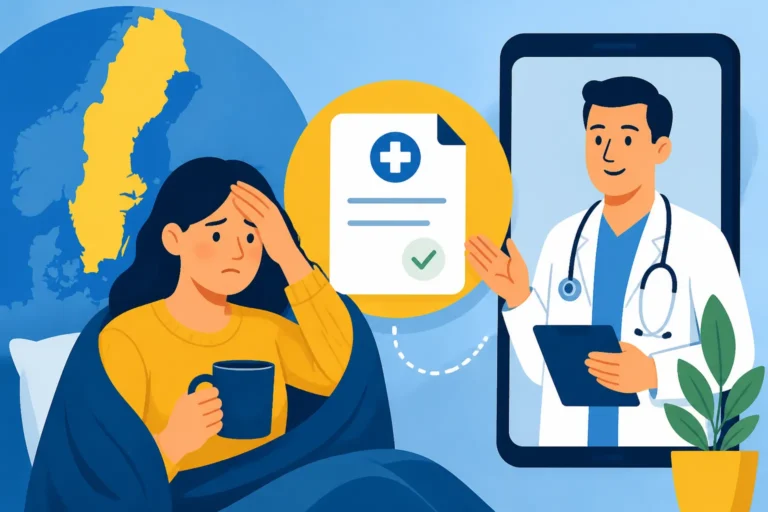
Falling ill in a new country is stressful enough without the added anxiety of navigating a complex bureaucracy to ensure your rent gets paid. I remember the panic of my first winter in Stockholm, staring at a fever-thermometer and wondering how to notify my boss without losing my standing. This guide solves the mystery of Swedish sick pay, from your first day off to long-term recovery.
The Foundation of Swedish Sick Pay and Your First Week
In Sweden, the system is designed to provide a safety net that balances individual responsibility with social security. When you wake up with a flu or an injury that prevents you from working, the process starts immediately with your employer. Unlike some countries where you might have "sick days" banked, Sweden operates on a system of "sick pay" (sjuklön) and "sick benefit" (sjukpenning), which are two different things depending on how long you are away from your desk or station.
The First Day and the Karensavdrag Deduction
The most confusing part for many newcomers is the "Day 1" rule. Historically, Sweden had a "karensdag," which was a full day of unpaid leave. This has transitioned into what is now called the karensavdrag. Instead of losing a whole day of pay regardless of when you went home, your employer makes a deduction equal to 20% of the sick pay you would normally receive in an average week. This is meant to be more equitable for those who work irregular hours or long shifts.
I remember my first time experiencing this; I felt cheated that my first day of illness resulted in a smaller paycheck. However, it is a standard part of the Swedish social contract. The idea is that for very short-term illnesses, the individual carries a small portion of the financial burden. If you are working on a temporary contract or are still waiting for your residence permits to be finalized, you might feel more vulnerable during this period. For those in a transition phase, having a plan like SafetyWing can provide a layer of peace of mind while you are still integrating into the national social insurance system.
Employer Responsibility from Day 2 to Day 14
Once you have passed that initial deduction period, your employer is legally obligated to pay you sjuklön (sick pay) from day 2 through day 14 of your illness. This is typically 80% of your normal salary. During this two-week window, you are dealing directly with your company's HR department or your manager. You do not need to contact the government yet.
It is vital to follow your workplace’s specific "sjukanmälan" (sick report) procedures. Some companies require a phone call by 8:00 AM, while others use digital portals. Validation is key here; if you fail to report correctly, your employer might dispute your right to pay for those days. This period is often when expats realize that Am I Entitled to Sick Pay from My First Day of Work in Sweden? is a question with a nuanced answer depending on your contract type and how long you have been employed. Generally, if your employment is intended to last at least one month, or if you have worked for 14 consecutive days, you are covered.
The Day 8 Requirement: The Medical Certificate
This is where many foreigners get caught out. In the Swedish system, you can usually "self-certify" for the first seven days of an illness. This means you don't need a doctor's note to prove you are sick to your employer. However, on the 8th calendar day (counting weekends!), you must provide a läkarintyg (medical certificate).
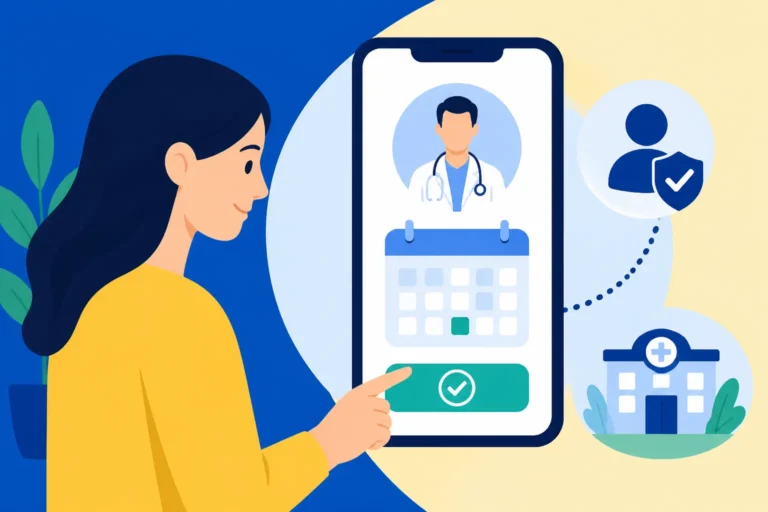
If you don't have a doctor's note by day 8, your employer has the right to stop paying your sick pay. Given how busy Swedish clinics can be, you should not wait until day 7 to try and find an appointment. You need to know How Do I Get a Sick Note from a Doctor in Sweden? before you actually need one. Most people use their local vårdcentral, but digital health apps have become a lifesaver for getting these certificates for common ailments.
Transitioning to Försäkringskassan and Sjukpenning
If your illness stretches beyond 14 days, the responsibility for your income shifts from your employer to the state. This is handled by Försäkringskassan, the Swedish Social Insurance Agency. This transition can feel like a mountain of paperwork, but it is the mechanism that ensures you don't fall into poverty during a long-term health crisis.
Registering for National Social Insurance
To receive any money from the state, you must be registered with Försäkringskassan. Many expats assume this happens automatically when they get their Personnummer, but that is not always the case. You often need to actively submit a form to "register" your residency and income status. If you haven't done this, your sick benefit payments will be delayed—potentially for months.
Some people wait until they were already two weeks into a serious illness to start this process, only to realize the backlog was immense. You should look into Registering with Försäkringskassan: When and Why You Need To as soon as you arrive in Sweden. If you are a non-EU citizen on a specific work permit, your eligibility might also depend on the insurance your employer provides, but the state benefit is the primary source for long-term sick leave.
Understanding SGI: Your Qualifying Income
The amount of money you receive from Försäkringskassan is based on your Sjukpenninggrundande inkomst (SGI). This is a calculated value based on your projected annual income. Försäkringskassan uses this number to determine your daily rate of pay. Usually, sjukpenning is about 80% of your SGI, but there is a "ceiling" or a maximum amount they will pay, regardless of how high your actual salary is.
For high earners, the gap between their real salary and the state’s maximum payout can be significant. This is where private options or employer-topped-up insurance (kollektivavtal) become crucial. If you are accustomed to a certain lifestyle or have a high mortgage, relying solely on the state cap might be a shock. Some professionals choose to supplement this with private health insurance from providers like Cigna Global to ensure they have broader coverage and faster access to specialists who can get them back to work sooner.
The Calculation Table for Sick Benefits
The following table provides a simplified overview of how sick pay scales over time for a standard employee in Sweden.
| Period | Who Pays? | Percentage of Salary | Requirements |
|---|---|---|---|
| Day 1 | N/A | Karensavdrag (Deduction) | Report to Employer |
| Days 2 – 7 | Employer | ~80% | Self-certification |
| Days 8 – 14 | Employer | ~80% | Doctor’s Note (Läkarintyg) |
| Days 15 – 90 | Försäkringskassan | ~80% (up to ceiling) | Assessment of work capacity |
| Days 91 – 180 | Försäkringskassan | ~80% (up to ceiling) | Assessment against any job at employer |
| Days 181+ | Försäkringskassan | ~80% or 75% | Assessment against the whole labor market |
The Role of the Vårdcentral and Medical Evidence
Navigating the medical side of sick leave is just as important as the financial side. In Sweden, your primary point of contact is almost always the vårdcentral (health center). Your doctor there acts as the gatekeeper for the sick pay system.
Registering and Accessing Care
To get that crucial day 8 certificate, you need to be registered with a clinic. If you haven't done this yet, you are adding an extra layer of stress to your recovery. The process of Registering with a Vårdcentral: Your Guide to Primary Care in Sweden should be one of your first "admin" tasks after moving.
When you see a doctor for a sick note, they don't just write "this person is sick." They have to specify exactly how your illness limits your ability to perform your specific job duties. Försäkringskassan is very strict about this. If the doctor's description is too vague, the agency might reject your claim for sjukpenning, even if the doctor says you shouldn't work. It’s a frustrating dance between medical reality and administrative requirements that many expats struggle with.
Specialized Care and Referrals
If your condition requires more than a GP can provide, you will need a referral (remiss) to a specialist. The Swedish system is known for its wait times, which is why the Vårdgaranti (Care Guarantee) exists. This guarantee states you shouldn't have to wait more than 90 days for a specialist appointment.
However, "90 days" can feel like an eternity when you are unable to work and your income is reduced. For those who want to skip the queue, especially for things like mental health support or physiotherapy, private clinics are an option. Understanding The Vårdgaranti: Your Right to Timely Care in Sweden can help you push for your rights, but some expats prefer the speed of private providers. If you are still in the process of getting settled, you might wonder Can I See a Doctor in Sweden Before I Get My Personnummer? which is possible but involves different fee structures and often requires upfront payment.
Digital Health and Telemedicine
In recent years, Sweden has led the way in digital healthcare. Apps like Kry or Doktor.se allow you to speak with a physician via video link. These services are excellent for getting initial advice or a medical certificate for things like a severe flu or a simple infection. However, be aware that for long-term sick leave or complex conditions, Försäkringskassan often requires a physical examination at your regular vårdcentral. Digital doctors are a great tool for the first 14 days, but they are rarely the solution for chronic or long-term disability claims.
Sick Pay for the Self-Employed and Freelancers
If you are running your own enskild firma (sole trader) or a limited company (aktiebolag), the sick pay rules change significantly. You are essentially both the employer and the employee, which means you have more control but also more risk.
Choosing Your Waiting Period (Karenstid)
When you are self-employed, you can actually choose how many "waiting days" you want to have before you can start collecting sjukpenning from Försäkringskassan. You can choose 1 day, 14 days, 30 days, 60 days, or even 90 days. The longer your waiting period, the lower your social security contributions (egenavgifter) will be.
Most freelancers I know stick with a shorter period because they don't have a corporate cushion to lean on. If you are a digital nomad or someone working on shorter international assignments while based in Sweden, your situation can be even more complex. In these cases, having a global health insurance policy like SafetyWing can be a smart move to cover medical costs that might fall outside the standard Swedish social insurance remit, especially if you haven't yet built up a high SGI.
How SGI is Calculated for Business Owners
For someone with an aktiebolag, your SGI is based on the salary you take out of the company. If you are "living lean" and keeping money in the business to avoid taxes, you are also lowering your sick pay. For an enskild firma, it is based on your net income (profit).
One unique rule in Sweden is that during the first 36 months of running your business, you can sometimes get an SGI based on what an employee with a similar job would earn. This "start-up grace period" is incredibly helpful for expats launching new ventures. It ensures that if you get sick while building your brand, you aren't penalized for having a low initial profit.
Sick Notes for the Self-Employed
Even as your own boss, you still need to follow the rules if you want the government to pay you. You still need that doctor's note from day 8. You have to "report" yourself sick to Försäkringskassan on the first day of illness if you have a 1-day waiting period. If you wait until day 5 to tell them you are sick, they won't pay you for those first four days. It requires a level of administrative discipline that can be hard to muster when you have a high fever.
When Your Child is Sick: The VAB System
In Sweden, you don't just get sick pay for yourself; you get it for when your children are sick. This is known as VAB (Vård av barn), and it is a cornerstone of Swedish family life. In fact, "vabba" has become a verb that you will hear in every Swedish office.
How VAB Works
If your child (generally under the age of 12) is too sick to go to preschool or school, you can stay home to care for them and receive about 80% of your income from Försäkringskassan. This is separate from your own sick leave. You don't need a doctor's note for the child until they have been sick for more than 7 days.
The ease of this system is often a shock to expats from more "high-pressure" work cultures. In Sweden, it is socially unacceptable for a boss to complain about an employee "vabbing." It is considered a fundamental right. To make it work, you just report the absence to your employer and then file a claim on the Försäkringskassan app. You can read more about the specifics in Taking Care of a Sick Child: VAB and Your Rights in Sweden.
Combining VAB and Your Own Illness
If you are sick and your child is also sick, you cannot claim both at the same time. You generally claim for whichever "benefit" you started first. If you are on parental leave and you get so sick that you cannot care for your child, you can actually switch from parental leave pay to sick pay, and another person (like the other parent) can take over the parental leave to care for the child. It’s a flexible system, but it requires careful reporting to ensure the days don't overlap in the system’s eyes.
VAB for New Arrivals
For newcomers, the biggest hurdle is again the registration. If your child is not yet in the population register or linked to you in Försäkringskassan’s system, you won't be able to claim VAB. This is why getting your family's paperwork in order is a medical necessity, not just an administrative one. While waiting for these domestic systems to kick in, expats often rely on private coverage. Cigna Global is frequently cited by international families as a way to ensure they have access to pediatric specialists without the standard public wait times, even if they are also utilizing the VAB system for daily income protection.
Long-Term Illness and Returning to Work
Sweden’s goal is always to get people back to work, but in a sustainable way. The "rehabilitation chain" (rehabiliteringskedjan) is the framework Försäkringskassan uses to assess your ability to return to the workforce.
The 90-Day and 180-Day Assessments
At day 90, Försäkringskassan looks at whether you can do any job for your current employer. If you are a construction worker with a back injury, can you do office work for the same company? If the answer is yes, you may lose your sick benefit if you refuse that alternative work.
At day 180, the test becomes even stricter. The agency looks at whether you can perform any job on the entire Swedish labor market. This is a point of significant stress for many people with chronic conditions. If you can work as a telemarketer or a security guard, they might stop your benefits, even if those jobs are a far cry from your professional career. Validating your limitations through a detailed läkarintyg is essential during these reviews.
Part-Time Sick Leave
One of the best features of the Swedish system is the ability to be "part-time sick." You can be 25%, 50%, or 75% on sick leave. This allows for a gradual return to work. For example, after a period of burnout—which is recognized and taken very seriously in Sweden—you might return to work for two hours a day while the state continues to pay your sick benefit for the remaining six hours.
This gradual reintegration is highly supported by Swedish employers. It reduces the "all or nothing" pressure of returning to a high-stress role. During this time, you still have access to the same healthcare rights, including Understanding Patient Fees (Patientavgift) Across Sweden's 21 Regions, which ensures that your ongoing treatment remains affordable as you transition back to full health.
Employer Responsibility for Rehabilitation
Your employer has a legal "duty to rehabilitate." If you are sick for a long time, they are required to meet with you and Försäkringskassan to create a plan for your return. This might include modifying your workstation, changing your hours, or providing new tools. As an expat, it is important to know that you have rights in these meetings. You are not just at the mercy of the company; the system is designed to protect your employment status while you are genuinely ill.
Healthcare and Social Security Disclaimer
This guide provides an overview of the sick pay system in Sweden based on current regulations and social insurance practices. However, administrative rules and payment thresholds are subject to change by Försäkringskassan and the Swedish government. Individual eligibility can vary significantly based on your residency status, contract type, and specific insurance history. Always consult with your employer’s HR department, Försäkringskassan, or a legal professional regarding your specific case. This information does not constitute legal or financial advice.