How the Referral (Remiss) System Works for Seeing a Specialist in Sweden
Trying to see a specialist in Sweden can feel like hitting a brick wall when you are used to the "direct-access" systems found in many other countries. I remember the pure exhaustion of trying to explain a chronic issue to a GP, only to be told to wait for a letter that might not arrive for weeks. This guide explains exactly how the Swedish referral system functions, so you can navigate the bureaucracy without losing your mind.
Understanding the Gateway What is a Remiss
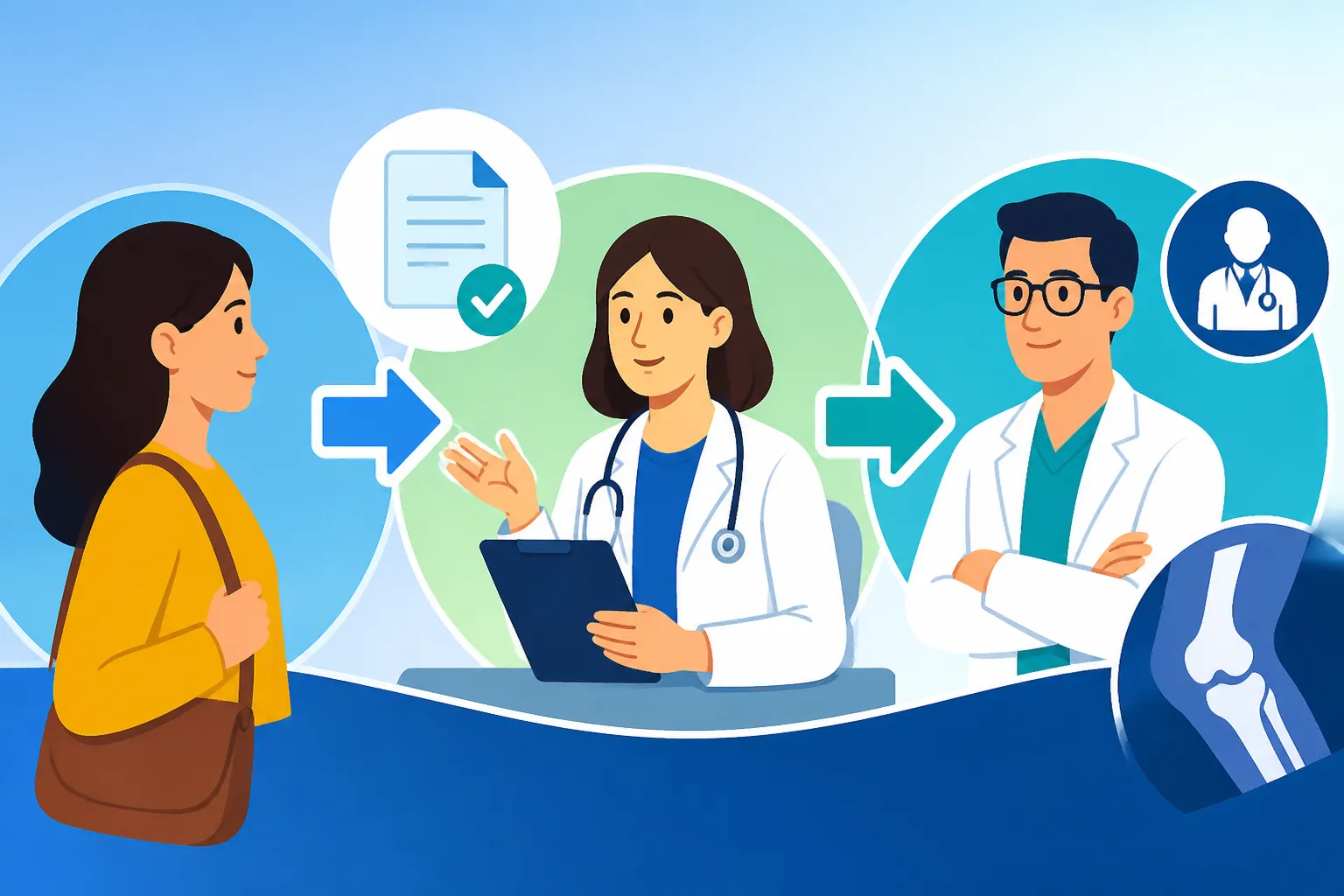
The word "remiss" is one you will hear constantly once you enter the Swedish medical loop. Essentially, it is a formal medical referral from one healthcare provider to another, usually from a general practitioner (GP) at a local health center to a specialist at a hospital or private clinic. In Sweden, the system is designed with a "primary care first" philosophy, meaning the GP acts as a gatekeeper to ensure that hospital resources are reserved for those who truly need specialized intervention.
When I first arrived, I found this incredibly restrictive. In my home country, if my knee hurt, I called an orthopedist. In Sweden, if you do that, the receptionist will politely tell you that they cannot see you without a remiss from your local clinic. This is part of the broader Healthcare in Sweden for Foreign Residents: The Complete System Guide (2027), which prioritizes equity and cost-effectiveness. The idea is that your GP should be the one who sees the "whole you," managing minor issues and only escalating to a specialist when the diagnostic tools or expertise of primary care have been exhausted.
It is important to realize that a remiss is not just a polite suggestion; it is a clinical document containing your medical history, current symptoms, and the specific question the GP wants the specialist to answer. Without this document, the specialist’s office literally has no "case" for you in their digital system. This structure is central to How Sweden's Tax-Funded Healthcare Works: Regions, Costs, and Coverage, as it allows the regions to manage the flow of patients and keep the high-cost specialist care free or heavily subsidized for everyone.
The Step by Step Journey to Getting a Referral
The process always begins at your Vårdcentral. You cannot skip this step if you want to remain within the public system. You start by Registering with a Vårdcentral: Your Guide to Primary Care in Sweden in your neighborhood. Once registered, you book an appointment with a GP. During this meeting, you need to be very clear about your symptoms. Swedish doctors tend to be conservative with referrals; they prefer to "wait and see" or try a round of basic treatment first. If you feel you need a specialist, you must be your own advocate.
After the GP agrees that a specialist is necessary, they will write the remiss and send it electronically to the relevant department. This might be within the same region or even a specific private specialist who has a contract with the region. You won’t usually get a physical piece of paper. Instead, the referral enters a regional queue. I’ve found that it helps to ask the GP exactly where they are sending the referral so you can follow up later. You can also check the status of your records by learning How Do I Log Into 1177.se with BankID and looking under the "Journal" or "Remisser" section.
Once the specialist clinic receives the referral, they perform what is called a "triaging" or "priority assessment." A specialist doctor looks at your GP’s notes and decides how urgent your case is. They can choose to accept the referral and put you on the waiting list, or they can actually reject it if they feel the GP hasn't provided enough information or if they believe the issue can still be managed at the primary care level. If it’s accepted, you’ll eventually receive a letter in the mail (or a digital message in the Kivra app) with an appointment time. Understanding Patient Fees (Patientavgift) Across Sweden's 21 Regions is vital here, as specialist visits usually cost slightly more than a standard GP visit, though they still count toward your high-cost protection ceiling.
Waiting Times and the National Vårdgaranti
One of the most stressful parts of being an expat in Sweden is the waiting. The "Vårdgaranti," or Care Guarantee, is a national policy intended to keep these waits under control. According to the guarantee, once a specialist clinic has accepted your referral, you should be offered an appointment within 90 days. This is known as the "0-7-90-90" rule: 0 days to contact the system, 7 days for a GP appointment, 90 days for a specialist, and 90 days for treatment or surgery if needed.
However, the reality is that many regions struggle to meet these targets for non-life-threatening issues. I’ve personally waited four months for a dermatology appointment that was technically "guaranteed" within three. It is frustrating, but you have rights. If your region cannot provide an appointment within 90 days, they are technically obligated to help you find care in another region or at a private clinic, and they must cover the travel costs. To make this work, you often have to be the one to call the "Vårdgarantikansli" (Care Guarantee Office) in your region and demand your rights.
The wait times vary wildly depending on where you live and what specialty you need. For example, Which Vårdcentral Should I Choose If I Just Moved to Stockholm? is a common question because some areas have better links to specialists than others. If you are in a smaller town, you might find the wait for a psychiatrist or an ENT doctor is significantly longer than in a major city. To get a better sense of how the system prioritizes these queues, you should read up on The Vårdgaranti: Your Right to Timely Care in Sweden, which explains your options when the system fails to meet its deadlines.
Self Referrals Egenremiss A Potential Shortcut
Many foreigners don't realize that you can sometimes bypass the GP entirely through an "Egenremiss" or "Egenanmälan" (self-referral). This is a formal way of writing your own referral and sending it directly to a specialist clinic. While it sounds like a dream come true, it isn't a guaranteed "fast track." The specialist will still triage your self-referral exactly as they would one from a doctor, and if they think your case isn't urgent or specialized enough, they will reject it and tell you to go to your Vårdcentral.
To submit an egenremiss, you usually log into the 1177 portal. You find the specific clinic you want to visit and see if they accept self-referrals. You’ll be asked to fill out a detailed form about your medical history, what symptoms you have, how long you’ve had them, and what treatments you’ve already tried. It’s essentially a "medical CV." I recommend being as clinical and detailed as possible. If you just write "my back hurts," you will be rejected. If you write about specific mobility limitations and previous physiotherapy results, you have a much better chance.
The pros of this system are that it saves you the time and cost of a GP visit. The cons are that it’s easier for a specialist to reject a patient’s own assessment than a fellow doctor’s assessment. If you are unsure what to write, you can find guidance on What Can I Actually Do on the 1177 Health Portal? to see how different regions handle these digital forms. It's a useful tool, but use it wisely—if you send five self-referrals to five different clinics for the same minor issue, you might find yourself flagged in the system.
Private vs Public When the System Feels Too Slow
If the 90-day wait feels like an eternity, many expats look toward the private sector. It is important to distinguish between "private providers with public contracts" (where you pay the standard 250-400 SEK fee) and "fully private care." In the latter, you pay the full cost of the visit out of pocket, which can range from 1,500 to 3,000 SEK or more. However, the benefit is that you can often see a world-class specialist within days rather than months.
This is where having private health insurance becomes a game-changer. Many international professionals in Sweden use providers like Cigna Global to ensure they have access to a broader network of specialists without waiting for a remiss. Cigna Global is particularly popular for those who want the peace of mind that comes with knowing they can skip the public queue if a serious issue arises. Similarly, for digital nomads or those in the middle of a permit transition, SafetyWing provides a safety net that covers urgent specialist needs that might not be handled quickly by the local Vårdcentral.
Using Cigna Global or SafetyWing doesn't mean you leave the Swedish system entirely; it just gives you a "fast lane." You can see a private specialist for the diagnosis and then, if you need long-term treatment or expensive surgery, you can sometimes transfer back into the public system with your specialist's findings. This is a common strategy for things like knee surgeries or complex diagnostic imaging. For a deeper look at this, check out Private Health Insurance in Sweden: When Sjukvårdsförsäkring Is Worth It to see if the investment makes sense for your specific situation.
| Referral Type | Who Writes It? | Processing Time | Cost | Best For |
|---|---|---|---|---|
| Standard Remiss | GP at Vårdcentral | 1-4 weeks to triage | Standard Patient Fee | Chronic issues, surgery, long-term care |
| Egenremiss | You (via 1177) | 2-4 weeks to triage | Standard Patient Fee | Clear-cut issues (e.g., skin spots, physio) |
| Private Referral | You or Private GP | 1-5 days | Full Market Price | Urgent diagnostics, second opinions |
| Emergency (Akut) | ER Doctor | Immediate | ER Fee | Life-threatening or acute trauma |
Practical Tips for Navigating the Specialist System
Navigating the remiss system is as much about persistence as it is about medical need. One tip I always give newcomers is to always ask for a copy of your referral or at least the "remissnummer." This allows you to call the specialist clinic directly a week after your GP visit to confirm they have received it. Sometimes, digital referrals get "lost" in the regional transition, and a quick phone call can save you weeks of waiting for a letter that was never going to come.
Language can also be a hurdle. While almost all Swedish specialists speak excellent English, the administration and the letters you receive will be in Swedish. If you receive a letter you don't understand, don't ignore it. It might be an appointment time that you need to confirm or a request for more blood tests before the visit. You can use the 1177 Vårdguiden: Navigating Sweden's National Health Advice Line and Portal to ask for clarification, or even request an interpreter for the actual appointment if you feel your Swedish isn't up to discussing complex medical terms.
Finally, remember that the specialist visit is often just the beginning. Once you see the specialist, they will decide on a treatment plan. If that plan involves surgery or specialized medication, you enter a new "treatment queue." During this time, keep your GP at the Vårdcentral in the loop. They remain your primary point of contact and are the ones who will handle your Sick Pay in Sweden: Sick Notes, and Your Rights if your condition prevents you from working. Being proactive and staying informed through the Healthcare in Sweden for Foreign Residents: The Complete System Guide (2027) is the best way to ensure you don't get lost in the machinery of the Swedish state.
Medical Disclaimer
This article is for informational purposes only and does not constitute professional medical advice, diagnosis, or treatment. The Swedish healthcare system is subject to regional variations and frequent policy updates. Always seek the advice of a qualified healthcare provider in Sweden regarding any medical condition or navigation of the public health system. Decisions regarding private insurance should be made after consulting with a licensed insurance advisor.