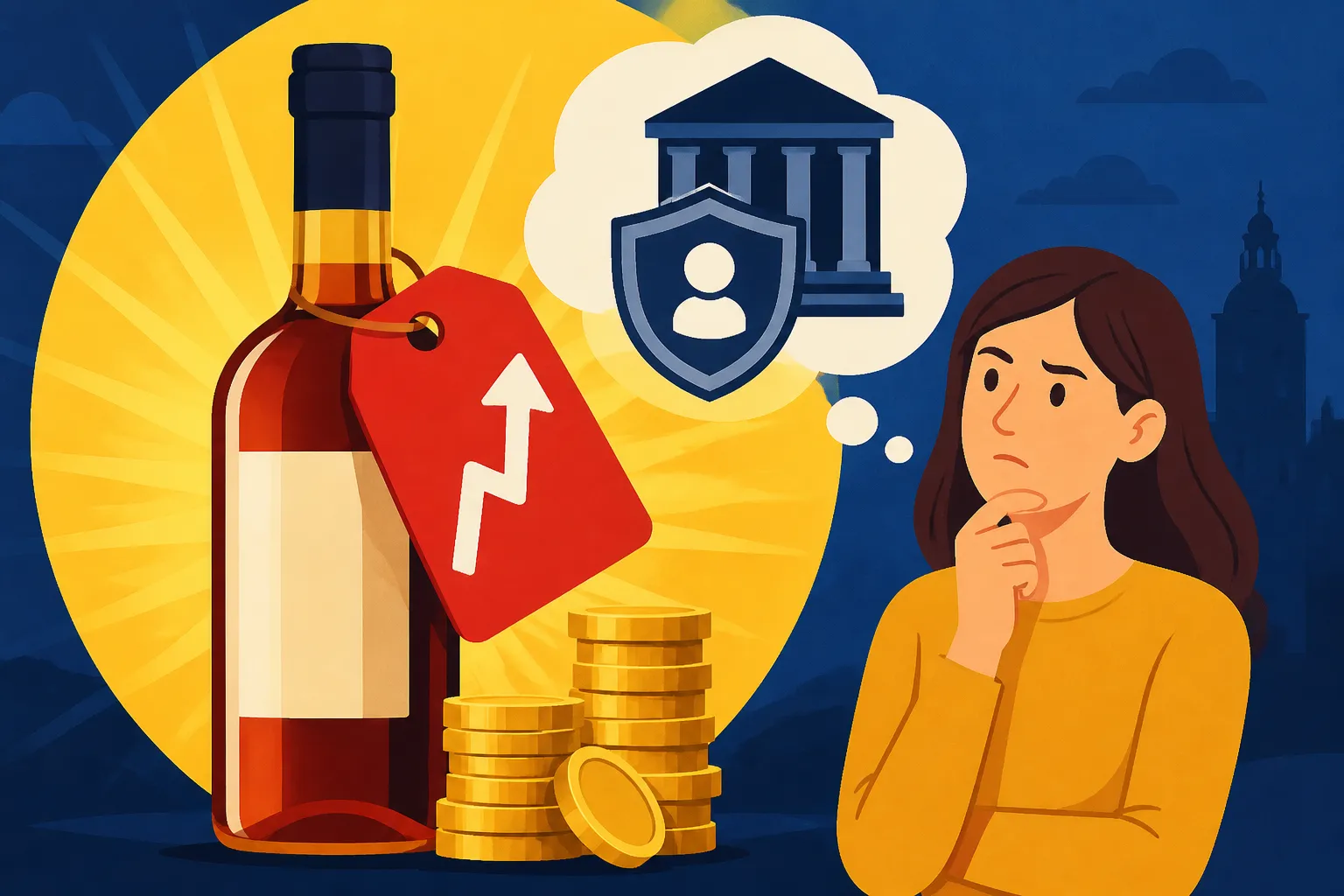
Why Is Alcohol So Expensive in Sweden?
New arrivals in Sweden often experience a profound sense of sticker shock when they first approach a bar or browse the aisles of a supermarket in search of a decent bottle of wine. This guide deconstructs the complex layers of taxation, state monopolies, and social policy that make Sweden one of the most expensive places in the world to buy a drink.
The Systembolaget Monopoly and Social Engineering
The primary reason alcohol is so expensive, and so difficult to purchase on a whim, is Systembolaget. This is the state-owned retail monopoly that has the exclusive right to sell any beverage with an alcohol content higher than 3.5% ABV. If you are coming from a country where you can pick up a bottle of gin at a 24-hour convenience store, this will be your first major administrative and cultural hurdle.
The Swedish government views alcohol through the lens of public health rather than commerce. The philosophy is simple: by making alcohol harder to get and more expensive, the state can reduce overall consumption and the associated social costs, such as healthcare expenses and domestic issues. Systembolaget does not operate for profit in the traditional sense; while it does generate revenue, its primary mandate is to sell alcohol responsibly without the pressure of sales targets or marketing "buy-one-get-one-free" deals.
Restrictive Hours and the Lack of Convenience
One of the most frustrating aspects for expats is the opening hours. Most Systembolaget locations close at 7:00 PM or 8:00 PM on weekdays, and as early as 3:00 PM on Saturdays. They are closed entirely on Sundays. This creates the famous "Friday rush" where half the city descends on the local shop at 4:30 PM. You will find that Money and Finance in Sweden: A Complete Guide for Foreigners (2027) often revolves around planning your week ahead simply because you cannot make a late-night run for a bottle of wine if guests show up unexpectedly.
Furthermore, you will notice that nothing in Systembolaget is chilled. By law, they are not allowed to sell "ready-to-consume" cold beverages. This is another layer of the state's strategy to prevent impulsive consumption. If you want a cold beer for a picnic, you have to buy it hours in advance and put it in your own fridge. This level of control is part of why Is Sweden as Expensive as People Say?—the cost isn't just in the Kronor, but in the logistical effort required.
The Pricing Mechanism and Lack of Competition
Since there is only one retailer, there is no price competition. Whether you are in a remote village in Lapland or the heart of Östermalm in Stockholm, a bottle of the same wine will cost exactly the same. This uniformity is fair, but it prevents the "bargain hunting" that many expats are used to. Systembolaget also has a massive "order assortment" (beställningssortimentet), allowing you to order almost anything in the world to your local shop, but the prices remain high because they are fixed by the central purchasing body.
The Mathematical Reality of Alcohol Tax
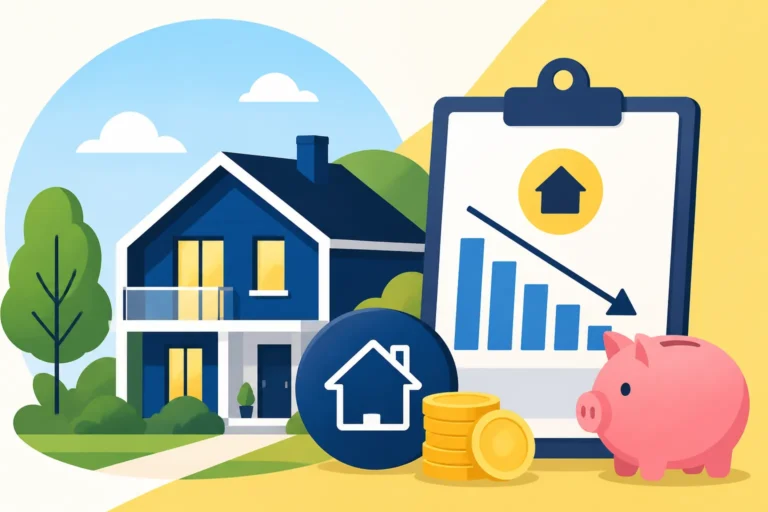
Beyond the monopoly, the actual price you pay is heavily dictated by the Swedish alcohol tax (alkoholskatt). Unlike some countries where tax is a flat percentage of the price, Sweden applies a tax based on the volume of pure alcohol in the product. This means the stronger the drink, the higher the tax burden, regardless of the quality of the beverage.
When you are Budgeting for the Real Cost of Living in Sweden, you must account for the fact that spirits are taxed much more aggressively than beer or wine. This is why a low-quality vodka can still feel incredibly expensive—the "floor price" is kept high by the state to discourage the consumption of high-ABV liquids.
Understanding Tax Brackets and ABV
The tax is calculated per liter of the product and adjusted for the alcohol percentage. For example, the tax on spirits is significantly higher per percentage point than the tax on wine. This creates a situation where a bottle of mid-shelf whiskey might cost double what it would in the United States or Southern Europe.
| Beverage Type | Tax Basis | Relative Cost Impact |
|---|---|---|
| Beer (>2.8% to 3.5%) | Low tax rate per liter | Affordable, sold in grocery stores |
| Strong Beer (>3.5%) | Taxed per liter and ABV | Noticeable jump in price at Systembolaget |
| Wine (8.5% to 15%) | Fixed tax per liter based on brackets | Expensive compared to wine-producing nations |
| Spirits (>15% ABV) | Highest tax per liter of pure alcohol | Prohibitive for casual daily consumption |
Value Added Tax (Moms) on Top of Excise Tax
To make matters worse for your wallet, Sweden applies a 25% Value Added Tax (VAT), known locally as Moms, on top of the already taxed price. This is a form of double taxation: you pay the alcohol excise tax first, and then the 25% VAT is calculated based on the total price including that excise tax. When you consider VAT (Moms) in Sweden: Standard and Reduced Rates Explained, you'll see that while food is taxed at 12%, alcohol remains in the highest bracket.
If you are earning a salary and paying Income Tax in Sweden: Municipal, State, and the SINK Regime, your "fun money" is already being squeezed. Managing these expenses is easier if you use a tool like Wise to keep an eye on your spending in different currencies, especially if you are still paying off bills in your home country while trying to enjoy a night out in Gothenburg or Malmö.
Drinking Out: Why the Pub Bill is Eye-Watering
If you think Systembolaget is expensive, wait until you order a "stor stark" (a large draught beer) at a bar. A standard 40cl or 50cl beer in a central Stockholm pub will typically range from 75 SEK to 110 SEK ($7 to $10 USD). Cocktails often start at 150 SEK and go up rapidly from there. This isn't just the bars being greedy; it is a reflection of the high cost of doing business in Scandinavia.
Personnel Costs and Fair Wages
Sweden does not have a tipping culture like the US because service staff are paid a livable, professional wage. High labor costs are a significant factor in the price of your pint. Many hospitality workers are members of Swedish Trade Unions: Should You Join a Fackförbund?, ensuring they receive fair compensation, evening premiums (ob-tillägg), and holiday pay. When you pay for a drink, you are also paying for the social security and high standard of living of the person serving it to you.
Strict Licensing and Alcohol Permits
Getting a license to serve alcohol in Sweden is an administrative nightmare. Bars must prove they serve "cooked food" to be allowed to serve spirits, which is why you’ll often see even the smallest dive bars offering a rudimentary menu of toasties or burgers. The cost of these permits, combined with regular inspections by the municipality and the police, adds a massive overhead to every glass sold.
If you are an expat working remotely or running a business, you might be looking for ways to save elsewhere to afford these social outings. Some find that using Taxes for Expats helps them optimize their international tax filings, freeing up some budget to handle the high cost of Swedish social life.
Practical Tips for Managing Your Alcohol Budget
While the prices are high, you don't have to become a teetotaler to survive in Sweden. Locals have developed several strategies to manage the cost of "the nectar of the gods" without breaking the bank.
The Folköl Compromise
If you just want a casual beer on a Tuesday night, head to the supermarket (ICA, Coop, or Willys) rather than Systembolaget. You can buy folköl (people's beer), which has an ABV of up to 3.5%. Because the alcohol content is lower, the tax is much lower, and these can be quite affordable. Many Swedish craft breweries produce excellent 3.5% versions of their IPAs and pale ales specifically for the supermarket market. It’s a great way to enjoy the taste of a local brew while keeping an eye on What VAT Rate Applies to Food in Sweden in 2026?.
The "Germany Run" and Duty-Free
It is a long-standing Swedish tradition to take a ferry to Germany or a trip to Denmark to "stock up." Within the EU, you are allowed to bring back significant quantities of alcohol for personal use. Many expats in the south of Sweden regularly make the trip to border shops in northern Germany where beer and wine are a fraction of the price.
When you make these trips, ensure you are using a cost-effective way to pay in Euros or Danish Krone. Using Wise for these cross-border purchases can save you from the poor exchange rates offered by traditional Swedish banks. Before you go, make sure you have your Opening a Bank Account in Sweden: A Step-by-Step Guide sorted so you can manage your local and international funds seamlessly.
Private Import and Online Ordering
You can legally order alcohol online from other EU countries, provided the Swedish alcohol tax is paid. Some specialized websites handle the tax payment for you, offering a wider selection of wines at prices that can occasionally beat Systembolaget, especially for bulk orders. However, always be wary of the shipping costs. If you are using international cards, check Can I Use My Foreign Credit Card in Sweden to ensure you aren't being hit with hidden "foreign transaction" fees on top of the already high prices.
Pre-Drinking: The "Förfest" Culture
Because drinking out is so expensive, the förfest (pre-party) is a staple of Swedish social life. Swedes will almost always meet at someone’s apartment first, bringing their own drinks purchased at Systembolaget, before heading to the club or bar late in the evening. This allows you to socialize for several hours at a "Systemet price" rather than a "Bar price." If you are sending money to friends for your share of a group purchase, Sending Money To and From Sweden Without Losing on Fees is essential to keep the costs down.
A Note on Credit and Spending
It can be tempting to put those expensive rounds on a credit card, but be careful with Your UC Credit Score: How It's Calculated and Why It Matters. Sweden is a highly digitized society where your financial habits are closely tracked. Overspending on lifestyle choices like expensive nights out can impact your ability to get a mortgage or a car loan later on. Treat alcohol as a luxury item—which, in the eyes of the Swedish tax man, it certainly is.
Disclaimer
This article provides general information regarding alcohol pricing and taxation in Sweden based on current regulations and personal experience. Taxation laws and state monopoly rules are subject to change by the Swedish government. This guide does not constitute legal or financial advice. Always drink responsibly and adhere to local laws regarding alcohol consumption and importation.