Can I Only Buy Strong Alcohol at Systembolaget?
You have just finished a long week at your new job in Stockholm or Gothenburg, and you decide to stop by the local ICA or Coop on your way home to grab a nice bottle of wine for dinner. You scan the aisles, find the beverage section, and see what looks like rows of wine and craft beer. You pick a bottle, head to the checkout, and only later realize that what you bought is actually "alkoholfritt" or a 2.2% cider. This guide explains the unique reality of the Swedish alcohol monopoly, where you can actually find "the real stuff," and how to navigate the strict rules without losing your mind.
The Swedish Alcohol Monopoly: How Systembolaget Works
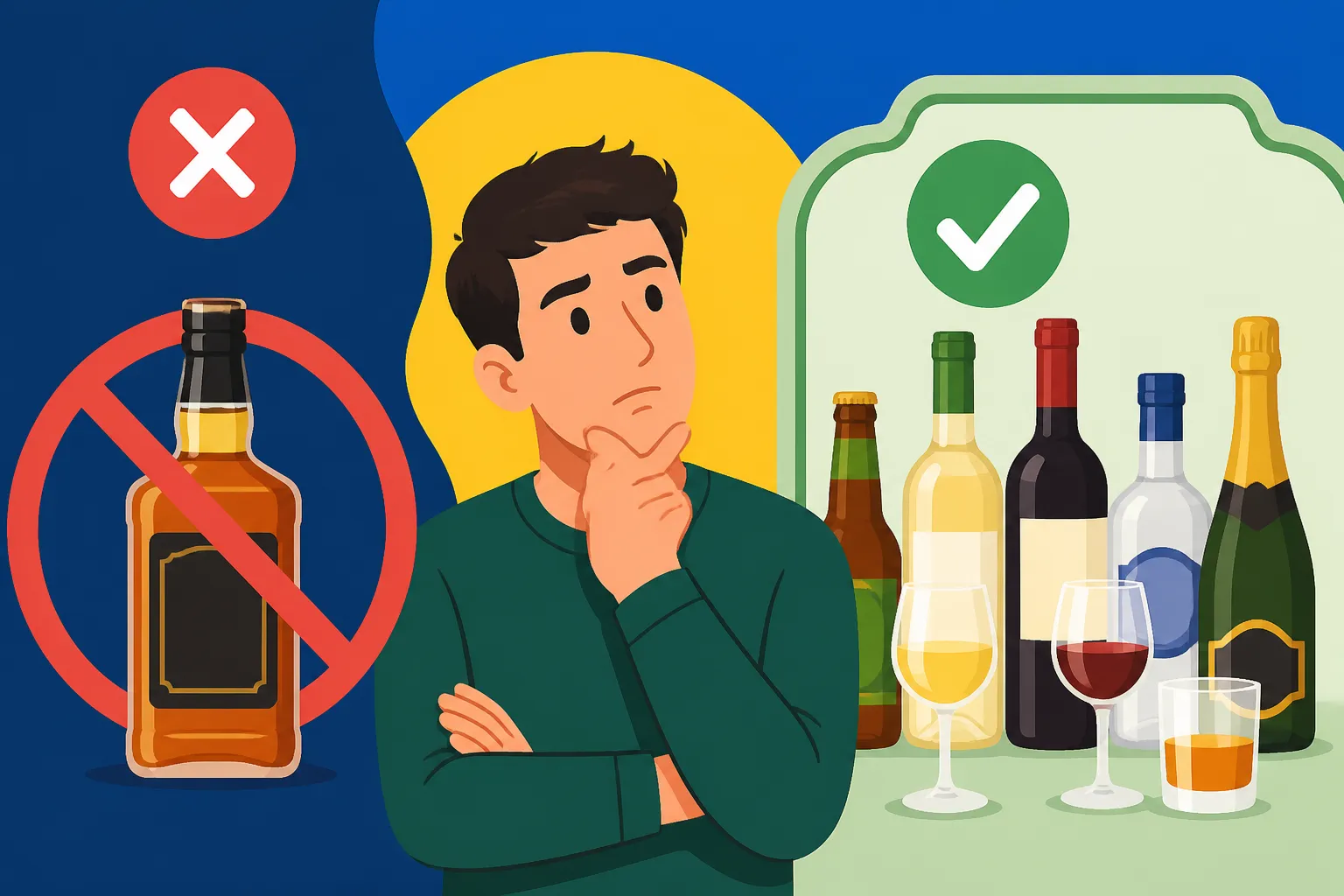
If you are coming from a country where you can pick up a bottle of whiskey at a gas station or a pack of high-percentage IPA at a corner store, the Swedish system will be a shock. In Sweden, the state-run retail chain Systembolaget has a total monopoly on the sale of all beverages with an alcohol content higher than 3.5% by volume. This means every drop of wine, every bottle of strong beer (starköl), and every spirit must be purchased from one of their specific storefronts.
The history behind this is rooted in public health. Sweden historically struggled with significant alcohol-related social issues, leading the government to take control of the supply chain in the mid-20th century. While it might feel restrictive, Systembolaget is actually quite proud of its mission: it has no profit motive to sell more alcohol, it does not offer "buy one get one free" deals, and its staff are exceptionally well-trained. When you are Everyday Living in Sweden: Groceries, Recycling, and Local Customs, you will quickly learn that Systembolaget is often the only place where you can get expert advice on which wine pairs with elk or reindeer.
However, the lack of convenience is the primary frustration for expats. Systembolaget stores have very specific, and often limited, opening hours. Most close by 7:00 PM or 8:00 PM on weekdays, 3:00 PM on Saturdays, and they are completely closed on Sundays. If you forget to plan for a Sunday brunch or a holiday weekend, you are simply out of luck. This is a significant factor to consider when Budgeting for the Real Cost of Living in Sweden, as last-minute trips to a bar because you forgot to visit "Systemet" will cost you three to four times as much as a bottle enjoyed at home.
The Age Requirement Paradox
One of the most confusing aspects for new arrivals is the age limit. In Sweden, the legal age to drink alcohol in a bar or restaurant is 18. However, the legal age to purchase alcohol at Systembolaget is 20. This leads to a strange scenario where a 19-year-old can be served a glass of champagne at a wedding venue or a pub but cannot legally buy a single beer to take home.
The staff at Systembolaget are incredibly strict about ID. They are required to ask for identification from anyone who looks under the age of 30. If you are an expat, make sure you have a valid form of identification. Once you have navigated the paperwork for Getting Your Personnummer: The Gateway to Swedish Healthcare, your next priority should be getting a local ID card. You can read about the process in How Do I Get a Swedish ID Card? to ensure you aren't turned away at the register. Even if you are clearly in your 40s, having a recognized ID is essential, as foreign driver’s licenses (from outside the EU) are sometimes met with hesitation.
Planning for Holidays and the Friday Rush
Because Systembolaget is the only game in town, the stores experience massive surges in traffic during specific times. Friday afternoon is the "national hour of queuing." If you visit a store in a major city center at 5:30 PM on a Friday, expect to wait. Even more intense are the days leading up to Midsommar (Midsummer), Christmas, and Valborg. During these periods, the shelves can actually run thin on popular items, and the lines can stretch out the door.
For those who prefer to avoid the crowds, Systembolaget does offer an online ordering service. You can browse their massive catalog—which is one of the largest in the world—and have items delivered to your local store or even to certain rural pick-up points (om鮮d). If you are using international financial tools like Wise to manage your household expenses, you will find that the Systembolaget app accepts most major cards, making it easy to track your spending. Just remember that even with online orders, the age-20 rule and the restricted pickup hours still apply.
Where Else Can You Find Alcohol? The 3.5% Rule
Despite the monopoly, you will see "beer" and "cider" in every grocery store across the country. These are categorized as folköl (people's beer) and lättöl (light beer). By law, grocery stores, convenience stores, and even some gas stations are allowed to sell beverages with an alcohol content up to 3.5%. For many Swedes, folköl is a staple of a weekday dinner or a casual picnic in the park, as it is much easier to acquire than starköl.
The variety of folköl has exploded in recent years. While it used to be limited to watery lagers, many Swedish craft breweries now produce excellent "session" IPAs and pale ales that sit exactly at the 3.5% mark. It is a common mistake for newcomers to think they have found a loophole when they see a familiar craft beer brand in the supermarket, only to realize later that it is the lower-alcohol version of the brand’s flagship product. This is a common topic when discussing Is Sweden as Expensive as People Say? because while 3.5% beer is cheaper than the stuff at Systembolaget, it still carries a significant tax compared to soft drinks.
Bars, Restaurants, and the Serveringstillstånd
If you want something stronger than a 3.5% beer but don't want to go to Systembolaget, your only other legal option is a licensed establishment. Restaurants and bars in Sweden must apply for a serveringstillstånd (serving permit). These permits are expensive and come with very strict rules. For instance, a bar generally cannot serve you alcohol unless they also offer substantial food. This is why you will often find even the most "dive-bar" style pubs serving at least a basic menu of burgers or toasties.
When drinking at a bar, the costs are significantly higher due to the service markup and the high alcohol taxes. A standard 40cl or 50cl glass of draught beer at a mid-range pub in Stockholm will usually set you back between 75 SEK and 95 SEK. If you are out with friends and paying for rounds, using Wise can be a lifesaver for splitting bills instantly or converting your home currency into SEK without the heavy bank fees. Many expats find that their social life revolves more around "home fika" or dinner parties specifically to avoid the high costs of Swedish nightlife.
Buying Alcohol Online and Importing
There is a common misconception that you can simply order wine from an online shop in Italy or Germany to bypass Systembolaget. While this is technically possible under EU law, it is not a "tax-free" loophole. If you order alcohol from another EU country for personal use, you are still legally required to pay Swedish alcohol tax. Often, the shipping company will handle the tax declaration, but if they don't, you are technically responsible for reporting it to the Swedish Tax Agency (Skatteverket).
For those who are meticulous about their financial filings, perhaps while working with Taxes for Expats to manage a complicated multi-country tax return, keeping receipts for these imports is vital. Sweden has very high excise duties on alcohol, and customs (Tullverket) does perform random checks on incoming parcels. If you are caught importing alcohol without paying the Swedish excise duty, the goods can be seized, and you may face a fine.
Navigating the Financial Impact of Alcohol in Sweden
The price of alcohol in Sweden is one of the highest in Europe, primarily due to the progressive tax system. The tax is calculated based on the percentage of pure alcohol in the beverage. This is why a bottle of 40% vodka is disproportionately more expensive than a bottle of 12% wine. When you are looking at Why Is Alcohol So Expensive in Sweden? you have to realize that the government uses these high prices as a "sin tax" to discourage overconsumption.
For many expats, the first trip to Systembolaget is a moment of "sticker shock." You might find that a bottle of wine that costs 5 EUR in France or Spain is 120 SEK (roughly 11 EUR) in Sweden. This pricing structure can really eat into your disposable income if you aren't careful. If you are still in the process of Currency, Cash, and the Krona: Practical Money Tips for Sweden, it is helpful to think of alcohol as a luxury item rather than a grocery staple.
| Beverage Type | Max Alcohol % | Where to Buy | Legal Purchase Age |
|---|---|---|---|
| Lättöl (Light Beer) | 2.25% | Grocery Stores / Cafes | 18 |
| Folköl (People's Beer) | 3.5% | Grocery Stores / Gas Stations | 18 |
| Starköl (Strong Beer) | No Limit | Systembolaget / Bars | 20 (Store) / 18 (Bar) |
| Wine & Spirits | No Limit | Systembolaget / Restaurants | 20 (Store) / 18 (Bar) |
Budgeting for Social Events
Because alcohol is so pricey, the Swedish "Pre-party" (förfest) is a cultural institution. Swedes will almost always gather at someone's home to share drinks they bought at Systembolaget before heading out to a club or bar where the prices double. As an expat, being invited to a förfest is a sign that you are being integrated into the social fabric. Just remember the golden rule: Bring your own (BYOB). It is considered quite rude in Sweden to show up to a party and drink someone else's expensive Systembolaget stash without bringing your own supply to contribute or consume.
If you are hosting, you might be worried about the cost of providing drinks for a large group. Many expats find that they use services like Wise to send money to friends who are visiting from "cheaper" countries like Germany or Denmark, asking them to bring a few bottles of wine or a case of beer (within the legal import limits, of course). This is a common way to save money, provided you stay within the personal allowance limits set by Swedish Customs.
Tax Residency and Cost of Living
If you have moved to Sweden for a high-paying role, you might not feel the pinch immediately, but over a year, these costs add up. When you are filing your first Swedish tax return or consulting with Taxes for Expats, you will realize how much of your income goes toward value-added tax (Moms) and excise duties. Sweden has a 25% VAT on most goods, though it is lower for food; however, alcohol at Systembolaget is taxed heavily both through VAT and the specific alcohol tax.
For those who are trying to maintain a lean budget while Sending Money To and From Sweden Without Losing on Fees, the alcohol monopoly is one of the easiest places to cut costs. Many expats find that they naturally reduce their alcohol consumption simply because the friction of the system—the limited hours, the specific locations, and the high prices—makes it less of an "impulse buy" and more of a planned event.
Practical Tips for New Residents
The best way to survive the Swedish system is to treat Systembolaget like a high-end library. The staff are not there to sell you the most expensive bottle; they are there to help you find what you actually like. They are world-class experts in wine, beer, and spirits. If you tell them your budget and what you are cooking, they will walk you across the store to find the perfect match.
Also, keep an eye on the "Alcohol-Free" section. Systembolaget has invested heavily in non-alcoholic beverages that actually taste good. This is a great way to participate in the social aspect of drinking without the high tax or the morning-after headache. When you are looking at Everyday Living in Sweden: Groceries, Recycling, and Local Customs, you will notice that "alkoholfritt" is a massive trend, and it is perfectly socially acceptable to bring non-alcoholic wine to a dinner party.
The Return System (Pant)
Don't forget that almost every can and bottle you buy at Systembolaget (and grocery stores) has a "pant" or deposit. When you look at the price tag, you might see "+1 kr" or "+2 kr." This is money you get back when you recycle the container at a "Pantar" machine, usually located at the entrance of a grocery store. It might seem like small change, but over a month, your beer and cider habit could yield enough pant to pay for a bag of groceries.
Final Thoughts on the System
The monopoly is likely here to stay. While there are occasional political debates about allowing "farm sales" (gårdsförsäljning) where small breweries could sell directly to customers, the majority of Swedes actually support Systembolaget because of the quality of the selection and the social benefits it provides. Once you get used to checking the clock on a Saturday afternoon and keeping your local ID handy, the system becomes just another quirk of life in the North. If you are managing a global lifestyle, having tools like Taxes for Expats and Wise in your pocket will make the financial side of Swedish living much more manageable, leaving you more time to enjoy a well-earned (and well-planned) drink.
Disclaimer
This guide is for informational purposes only and does not constitute legal or financial advice. Alcohol laws and tax regulations in Sweden are subject to change. Always consult official sources such as Systembolaget, Skatteverket, and Tullverket for the most current regulations regarding alcohol purchase and import. Professional tax advice should be sought for specific residency or cross-border tax issues.