Why Do Swedes Take Their Shoes Off Indoors?
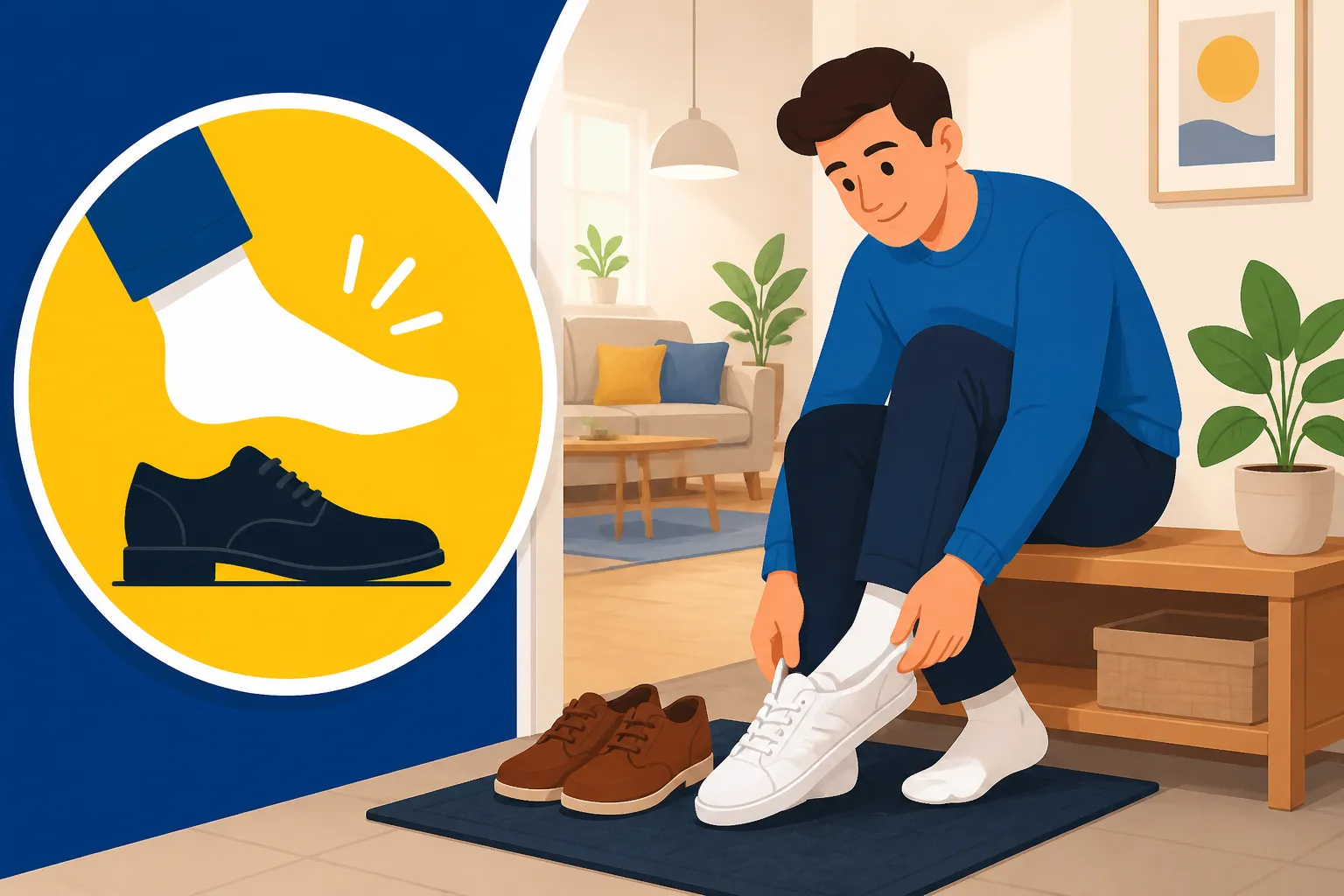
Ah, the subtle art of entering a Swedish home! If you've just arrived in Sweden, you've probably already noticed it: that moment when you step inside someone's apartment or house, and they, or you, instinctively reach down to kick off your shoes. It's not just a quirk; it's a deeply ingrained cultural practice that often leaves newcomers pondering its origins and implications. This guide will walk you through the why, when, and how of the Swedish no-shoe tradition, helping you navigate this essential piece of local etiquette.
The Core Reasons: Cleanliness, Comfort, and Culture
Let's get straight to it. The primary reasons Swedes shed their shoes indoors are a blend of practicality, comfort, and deeply rooted social norms. It's not about judging your footwear, but about preserving the sanctity of the home.
Keeping Swedish Homes Pristine
This is perhaps the most obvious reason, especially when you consider the external environment for much of the year. Think about the streets of Stockholm, Gothenburg, or even a smaller town like Lund. For several months, they're coated in a mix of slush, snow, salt, grit, and mud. Imagine tracking all of that into your meticulously clean home, particularly onto light-coloured wooden floors or expensive rugs. It's just not done. Even in the dry summer months, dust, gravel, and general street grime accumulate on footwear. The act of removing shoes is a simple, effective way to maintain a clean living space.
For many Swedes, their home is their sanctuary, a place of peace and order. Keeping it clean is not just about aesthetics; it's about comfort and well-being. This meticulousness extends to everything from how you manage your recycling to how you care for your floors. It's a stark contrast to some other cultures where outdoor shoes might be worn inside, often leading to visible dirt on carpets and hard surfaces. Here, it’s about preventing that dirt from entering in the first place. When you're looking for a place to live, whether through traditional routes or platforms like Spotahome, you'll quickly learn that a clean home is a universally valued commodity, and keeping shoes off is fundamental to that. The expectation to leave shoes at the door often extends even to construction workers or repair people entering homes, who will often wear shoe covers or remove their boots.
The Cozy Comfort of Indoor Living
Beyond cleanliness, there's a strong element of comfort and creating a relaxed atmosphere. Once you step inside, you're transitioning from the bustling, often chilly or wet outside world into a warm, inviting personal space. Kicking off your shoes is part of this decompression. Many Swedes prefer to walk around in socks, soft indoor slippers (often called innetofflor), or simply barefoot. It's a physical signal that you're home, you can relax, and you don't need the formality or protection of outdoor footwear.
This contributes to the concept of mysigt – a feeling of coziness and warmth, often associated with soft lighting, candles, blankets, and a general sense of well-being. Wearing heavy, sometimes restrictive, outdoor shoes simply doesn't align with this feeling of comfort. It's like shedding your formal attire after a long day at work; it signifies a shift to a more personal, unburdened state. For expats who are just settling in and maybe still grappling with the language, understanding these unwritten rules can be a huge step in feeling more at home. It’s part of the broader pattern of how Swedes structure their home life, as detailed in our comprehensive guide, Housing and Living in Sweden: The Complete Newcomer's Guide (2027).
Respect and Social Norms
Finally, and perhaps most importantly, removing shoes is a sign of respect. When you're invited into someone's home, you're entering their private sphere. Observing their customs demonstrates that you value their space and their comfort. It's an unspoken agreement, a social contract that everyone understands. To keep your shoes on, unless explicitly told otherwise, would be considered impolite, even slightly disrespectful. It implies a disregard for their home and their efforts to keep it clean.
This social norm is taught from a very young age. Children in Sweden learn early on that shoes come off at the door, whether at their own home, a friend's house, or even in many förskolor (preschools). It’s ingrained, almost automatic. There's no need for a host to explicitly tell you to take them off; the expectation is silently communicated by the sight of other shoes neatly lined up by the entrance, or by the host themselves kicking off their shoes. It's a subtle but powerful aspect of What Should I Know About Swedish Apartment Etiquette?.
Historical Roots and Environmental Factors
The tradition of removing shoes indoors isn't unique to Sweden, but its prevalence here is strongly tied to its specific history and climate.
From Grime to Modern Day Expectations
Historically, homes in Sweden, like many places, were often quite basic, and floors were made of natural materials like wood or stone, which could be difficult to clean if constantly exposed to outdoor elements. Before modern cleaning agents and vacuum cleaners, preventing dirt from entering was far easier than removing it once it was inside. Peasants, farmers, and city dwellers alike would have tracked in mud, animal waste, and general debris from their daily activities. Removing shoes was a practical necessity to maintain some semblance of hygiene and order.
As homes became more refined, with carpets and more delicate floorings, the habit persisted and evolved into the social norm it is today. While houses now are generally warmer and better insulated, the underlying principle remains. The aesthetic preference for clean, uncluttered spaces, often featuring light wood or pale textiles, also reinforces the practice. Imagine the visual impact of dirty shoes on a pristine Swedish design rug! It just doesn't fit the minimalist and clean aesthetic often favored here. This focus on maintaining the interior is a key part of Everyday Living in Sweden: Groceries, Recycling, and Local Customs.
The Impact of Swedish Weather
Sweden's climate is a significant driver of this habit. For a substantial portion of the year, particularly from late autumn through spring, the weather is challenging. We're talking about snow, sleet, rain, and the muddy aftermath of thawing ice. Even when it's dry, the presence of sand and grit spread on icy roads means your shoes are constantly picking up external elements.
Consider the winter months. You step out into freezing temperatures, navigate slippery sidewalks, possibly through piles of slush, and then enter a warm building where snow and ice from your shoes quickly melt, leaving puddles and damp patches. It’s not just about dirt; it's about moisture and potential damage to floors. This is why you'll often see robust doormats and shoe racks in hallways and entrances – they're essential tools for managing the elements. When you're trying to figure out What Should I Wear to Survive a Swedish Winter?, remember that those heavy winter boots are definitely coming off at the door!
Seasonal Adaptations and Practicality
While the practice is most pronounced in winter, it doesn't magically disappear in summer. Even on a beautiful, sunny July day, shoes still carry dust, pollen, and tiny bits of gravel. So, the habit is year-round, though perhaps with less urgency in drier seasons. The consistency reinforces its status as a fundamental cultural expectation rather than merely a seasonal adjustment.
Another practical aspect is hygiene. Many Swedes appreciate a clean home environment where children can play on the floor without encountering outdoor contaminants. It’s a simple measure that contributes to a healthier indoor atmosphere. The ease of changing into comfortable indoor shoes after a long day also contributes to the comfort factor, making the transition seamless.
| Reason for Removing Shoes | Explanation | Typical Situation |
|---|---|---|
| Cleanliness | Prevents tracking in dirt, mud, snow, grit, and street grime, protecting floors and carpets. | After walking on wet or dirty streets in any season, especially winter. |
| Comfort | Allows feet to relax from restrictive outdoor shoes; promotes a cozy, relaxed home atmosphere (mysigt). | Entering a warm home after being outside, preparing to relax or move freely. |
| Respect | Shows consideration for the host's home, their efforts to keep it clean, and their cultural norms. | Visiting a friend, colleague, or acquaintance's home for dinner, a party, or a casual visit. |
| Hygiene | Reduces the spread of outdoor bacteria and allergens within the living space. | Particularly important in homes with young children who often play on the floor. |
| Practicality | Prevents water damage from melting snow/ice, reduces wear and tear on indoor flooring. | Essential during winter months to avoid slippery floors and damage to wood or other sensitive surfaces. |
Navigating the "No Shoes" Rule as an Expat
As an expat, you might find this custom slightly inconvenient at first, especially if you're not used to it. But trust me, it quickly becomes second nature.
What to Do When Visiting a Swedish Home
When you're invited to a Swedish home, always assume you should remove your shoes unless explicitly told otherwise.
- Look for Clues: The clearest sign will be other shoes neatly lined up by the entrance – a shoe rack, a basket, or simply pairs placed on the floor.
- Watch Your Host: If your host immediately kicks off their shoes, follow suit.
- Ask if Unsure: If you are genuinely unsure, a simple, "Ska jag ta av mig skorna?" (Shall I take off my shoes?) or "Do you want me to take off my shoes?" is perfectly acceptable and even appreciated.
- Consider Your Socks: If your socks have holes, this is the time you might feel a pang of regret! Many Swedes keep a pair of guest slippers, but it's always a good idea to wear clean, presentable socks, especially in winter.
- Placement: Don't just dump your shoes anywhere. Try to place them neatly with the other shoes or in a designated spot, making sure they don't block the entryway.
There are very few exceptions. Perhaps if you have a specific medical condition that requires you to wear shoes, or if it's a very large, formal gathering where the host might explicitly say, "Please keep your shoes on," though this is rare. Even in such cases, many Swedes will still prefer to remove their shoes. When you're first making connections and trying to How Do I Find Other Expats in My Swedish City?, remember that observing these small cultural courtesies can go a long way in building rapport.
Setting Your Own House Rules
Once you have your own place, you get to decide your house rules. However, I can almost guarantee you'll naturally adopt the Swedish way. You'll quickly tire of cleaning up mud and grit, especially during the long, dark winters when you’re spending so much time indoors trying to How Do I Cope with the Darkness in Swedish Winters?.
- Lead by Example: When guests arrive, subtly remove your own shoes. Most Swedes will automatically follow.
- Designate a Shoe Area: Have a clear spot for shoes by the door – a mat, a rack, or a bench. This makes it obvious where footwear belongs.
- Offer Guest Slippers: Some expats, keen on full immersion, even buy a set of affordable guest slippers for visitors, though this isn't strictly necessary. Clean floors are usually enough.
- Communicate (if needed): If a non-Swedish guest doesn't get the hint, a gentle "We usually take our shoes off indoors" is perfectly fine.
Living in Sweden means embracing the practicality and cleanliness that defines so much of its culture. This simple act is just one facet of setting up your new home, from managing your utilities to getting online with providers like Airalo to stay connected.
When the Rules Bend (or Don't)
While the shoe-off rule is strong, there are very specific contexts where it might bend:
- Public Buildings: In most public buildings like offices, shops, restaurants, and museums, people keep their shoes on. The rule primarily applies to private homes, some schools, and förskolor.
- Doctor's Offices/Hospitals: Generally, you keep your shoes on, though some waiting rooms or specific clinical areas might have signs indicating otherwise.
- Short Errands: If someone just needs to dash in for a quick minute to grab something, they might leave their shoes on, but this is usually a very brief exception and often involves a quick wipe of the feet on the doormat.
For new arrivals, it can feel a little bit like navigating a minefield of unspoken rules, especially when it comes to things like How Do I Get My Deposit Back in Sweden? or Renting a Home in Sweden: How the First- and Second-Hand System Works. But rest assured, the shoe situation is one of the easiest cultural adjustments you'll make. Embrace it, enjoy the clean floors, and relish the comfort of soft socks on a cozy Swedish evening.
Disclaimer
The information provided in this guide is intended for general informational purposes only and does not constitute legal, medical, or professional advice. While we strive to ensure accuracy, regulations and cultural norms in Sweden can change. Always verify information with official sources or consult appropriate professionals for specific situations.