How Do People Cope with the Darkness in Swedish Winters?
The Swedish winter darkness is not a myth; it's a profound reality that hits many newcomers right in the soul, especially those arriving from sunnier climes. The sheer lack of daylight, sometimes just a few hours of weak, slanted light around midday, can be deeply disorienting and frankly, quite draining. This isn't just about feeling a bit chilly; it's a complete shift in your natural rhythms, and it can feel like a perpetual twilight zone. This guide aims to walk you through the phenomenon, validate your struggles, and provide truly actionable, realistic strategies that expats and long-term residents here in Sweden use to not just survive, but even thrive, through the long, dark months.
Understanding the Phenomenon of Swedish Winter Darkness
When you first hear about the Swedish winter, you often focus on the cold and the snow. But the true game-changer, the thing that often catches people off guard, is the darkness. It’s not just shorter days; it's an almost complete absence of the sun for extended periods, particularly the further north you venture.
The Science Behind the Scenery
Sweden’s position on the globe is the primary culprit here, and it’s a geographical fact you can’t argue with. Located at a high latitude, much of the country experiences extreme variations in daylight hours throughout the year. During winter, the Earth's tilt means that the northern hemisphere leans away from the sun, and for a country like Sweden, this results in brutally short days. In Stockholm, for instance, the shortest day of the year (around December 21st, the winter solstice) sees only about six hours of daylight. Venture up to Umeå, and you're looking at around four hours. Go further north, above the Arctic Circle to places like Kiruna, and you’ll experience polar night, or mörktid, where the sun doesn't even rise above the horizon for weeks on end.
This isn't just about the clock, either. Even when the sun technically "rises," it often stays very low in the sky, casting long, weak shadows and offering a quality of light that feels more like dawn or dusk than proper daylight. Grey skies are the norm, especially in the more populated southern regions, further dimming the already limited light. It’s a perpetual twilight, a soft, diffused light that takes some serious getting used to. Your body clock, accustomed to clear cues from the sun, suddenly finds itself utterly confused, leading to that heavy, lethargic feeling many foreigners grapple with.
Psychological Impact: SAD and Other Blues
It’s completely normal to feel a range of emotions when confronted with this persistent darkness, and it's far more than just a passing funk. Many people, expats and Swedes alike, experience what's commonly known as the "winter blues," which can manifest as lower energy, increased cravings for carbohydrates, and a general dip in mood. For a significant portion of the population, however, it’s more severe: Seasonal Affective Disorder, or SAD. SAD is a real and diagnosable type of depression that is linked to the changing seasons, with symptoms typically appearing in late autumn and subsiding in spring.
The symptoms of SAD can be debilitating. You might find yourself sleeping more than usual but still feeling exhausted. You could experience a lack of interest in activities you once enjoyed, feel irritable, or struggle with concentration. The cravings for sugary and starchy foods are also common, leading to weight gain for some. It's not a sign of weakness; it's your brain reacting to reduced sunlight, which can disrupt your circadian rhythm and affect neurotransmitters like serotonin and melatonin. If you find yourself struggling with persistent sadness, hopelessness, or significant changes in sleep and appetite, please know you’re not alone and seeking help is crucial. Remember, there's extensive Mental Health Support in Sweden: Psychologists, Therapy, and Referrals available if you feel this is impacting your life significantly.
Cultural Perspective: Embracing the Mörker
One of the most interesting aspects of navigating Swedish winters is observing how the locals handle it. Swedes, for the most part, don't fight the darkness; they integrate it into their lives. They've learned to appreciate the mysigt (cozy) aspects of winter and have developed coping mechanisms that are deeply ingrained in their culture. Instead of lamenting the lack of light, they create warmth and brightness indoors. Candles are not just for special occasions; they are an everyday staple, flickering in almost every window and on every table, creating pools of inviting light.
They understand the importance of making the most of whatever daylight there is. You'll see Swedes out power-walking or cross-country skiing during the brief midday light, even if it's freezing cold. There's a pragmatic acceptance of the season, a belief that it will pass, combined with active strategies to make it more bearable. This cultural approach can be incredibly instructive for newcomers. Instead of viewing winter as something to simply "get through," try to embrace the philosophy of making the dark parts of the year special and intentional. It's a mindset shift that can truly transform your experience. After all, if you're going to be here, you might as well learn to make the best of it, right?
Practical Strategies for Maximizing Light and Energy
You can’t change Sweden’s latitude, but you can absolutely change how you react to it. There are many practical steps you can take to trick your brain and body into thinking there’s more light than there actually is.
Light Therapy and Artificial Brightness
This is perhaps one of the most effective and direct interventions against the effects of winter darkness. Light therapy, often using a SAD lamp (or "ljuslampa" in Swedish), involves exposing yourself to a high intensity of light that mimics natural outdoor light. These lamps are much brighter than regular indoor lights, typically emitting 10,000 lux (compared to a normal room's 200-500 lux), and they filter out harmful UV rays. The key is consistency and timing. Most people find that sitting in front of a SAD lamp for 20-30 minutes first thing in the morning can make a world of difference, helping to reset their circadian rhythm and boost their mood and energy levels throughout the day. You can often find these at larger electronics stores like Elgiganten or Clas Ohlson, as well as online retailers.
Beyond dedicated SAD lamps, consider upgrading your regular indoor lighting. Switch to full-spectrum LED bulbs with a color temperature of 5000K or higher (often labeled "daylight" or "cool white") in your main living areas and workspace. These bulbs produce a cleaner, brighter light that more closely resembles natural sunlight than warmer, yellower tones. Think about smart lighting systems too, which can be programmed to gradually brighten in the morning, simulating a sunrise, even if it’s pitch black outside. These small changes can cumulatively have a big impact on your overall feeling of well-being.
Optimizing Your Indoor Environment
Your home environment plays a huge role in how you perceive the darkness. A gloomy, cluttered space will only amplify the feeling of low light. Start by decluttering and simplifying your rooms. Less clutter means more visual space and fewer things to absorb light. Next, consider your wall colors. Lighter, neutral tones like white, pale grey, or light beige will reflect what little light there is, making rooms feel brighter and more open. If you're renting, sometimes painting isn't an option, but even strategically placed light-colored textiles can help.
Windows are your connection to the outside world, so make sure they’re clean and unobstructed. Heavy, dark curtains might be cozy, but they also block precious light. Opt for sheer curtains or blinds that can be fully opened during the day. Place mirrors strategically opposite windows or light sources to bounce light around the room, effectively doubling the light. Even shiny decorative objects can help reflect and spread light. When you're settling into your new apartment, perhaps found through a platform like Spotahome, take a moment to consider these adjustments to make your space feel like a welcoming haven rather than a dark cave. Remember, you'll find more tips on making your place truly yours in our guide on Setting Up Your Home in Sweden: Utilities, Internet, and Insurance.
The Power of Outdoor Exposure
It might sound counterintuitive to purposefully go outside when it’s cold and dark, but even on the cloudiest, greyest winter day, the amount of natural light available outdoors is significantly higher than indoors. Getting even a short burst of natural light, especially in the morning, can have a profound effect on your circadian rhythm and mood. Aim for a 15-30 minute walk shortly after waking up, even if it’s just around the block. The fresh air and physical activity are added bonuses.
Don't let the weather deter you. As Swedes often say, "There's no bad weather, only bad clothes." Invest in good quality winter gear – warm layers, a waterproof jacket, a good hat, gloves, and sturdy boots. Our guide on What Should I Wear to Survive a Swedish Winter? has plenty of practical advice for this. Embrace the cold, crisp air; it can be incredibly invigorating. Even if the sun isn't shining brightly, your eyes still register the ambient light, which signals to your brain that it's daytime. This is crucial for regulating melatonin production and preventing that sluggish, sleepy feeling that can persist throughout the day. And don't forget the added benefits of being active, which we'll discuss further in the next section!
Lifestyle Adjustments for Mental and Physical Well-being
Beyond direct light exposure, your daily habits and self-care routines are incredibly powerful tools in combating the winter darkness. Think of it as a holistic approach to thriving, not just surviving.
Prioritizing Sleep and Routine
When it's dark almost all the time, your body can easily get confused about when to be awake and when to sleep. It's tempting to want to hibernate and sleep for 10-12 hours a day, but oversleeping can actually make you feel more sluggish and groggy. Establishing a consistent sleep schedule is paramount. Try to go to bed and wake up at roughly the same time every day, even on weekends. This helps regulate your body’s natural sleep-wake cycle, or circadian rhythm.
Create a relaxing bedtime routine to signal to your body that it's time to wind down. This could include reading a book, taking a warm bath, or listening to calming music. Avoid screens (phones, tablets, laptops) for at least an hour before bed, as the blue light they emit can interfere with melatonin production. Conversely, try to get that morning light exposure we talked about earlier as soon as you wake up. A consistent routine helps your body know what to expect, making the transition between light and dark less jarring for your system.
Diet, Supplements, and Hydration
What you put into your body can significantly impact your mood and energy levels, especially when external factors like light are scarce. It’s easy to reach for comfort foods – often high in sugar and carbs – during the dark months, but a diet rich in whole foods, lean proteins, fruits, and vegetables will serve you better. Focus on nutrient-dense meals that provide sustained energy rather than quick sugar spikes followed by crashes. For ideas on where to find these, check out our guide on Everyday Living in Sweden: Groceries, Recycling, and Local Customs.
Vitamin D is an absolute non-negotiable in Sweden. With such limited sunlight, especially during winter, your body struggles to produce enough of this essential vitamin. Most doctors and public health recommendations in Sweden strongly advise vitamin D supplementation for everyone during the darker half of the year. It plays a crucial role in mood regulation, bone health, and immune function. You might be surprised at the difference a good quality Vitamin D supplement can make. For more detailed information on this, take a look at our specific article: Is Vitamin D Recommended During Swedish Winters?. Omega-3 fatty acids, found in fatty fish like salmon or mackerel, are also known to support brain health and mood, so consider incorporating these into your diet or taking a supplement. And, of course, stay well-hydrated; sometimes feelings of sluggishness can simply be a sign of dehydration.
Staying Active and Social
Exercise is a powerful mood booster, releasing endorphins that can combat feelings of sluggishness and sadness. It doesn't have to be intense; a daily walk, a yoga session, or a trip to the gym can make a big difference. Many Swedes embrace winter sports like cross-country skiing, ice skating, or even just long walks in the snow-covered forests. Getting your heart rate up, ideally outdoors during any available daylight, will help immensely.
Beyond physical activity, maintaining social connections is vital. Isolation can be a real risk during the long, dark winter, especially for newcomers still finding their footing. Make an effort to connect with friends, colleagues, or join local groups. Fika, the Swedish coffee break, is a perfect cultural institution for this – a chance to slow down, connect over coffee and a pastry, and enjoy some warmth and conversation. Look for expat groups or community events in your area; platforms like Facebook groups for "expats in [your city]" are great resources. Making friends as a newcomer can be challenging, but it's incredibly rewarding. You can find more tips on How Do I Make Friends as a Newcomer in Sweden? in our dedicated article. For those navigating the professional world, understanding The Swedish Workplace: Culture, Contracts, and Your Rights can also help integrate social aspects into your daily routine.
Embracing the Swedish Winter: Finding Joy in the Darkness
The Swedish winter isn't just something to endure; it's a season with its own unique beauty and opportunities. Learning to appreciate and even celebrate the darkness can be a powerful antidote to the winter blues.
Hygge and Mys (Cozy Comfort)
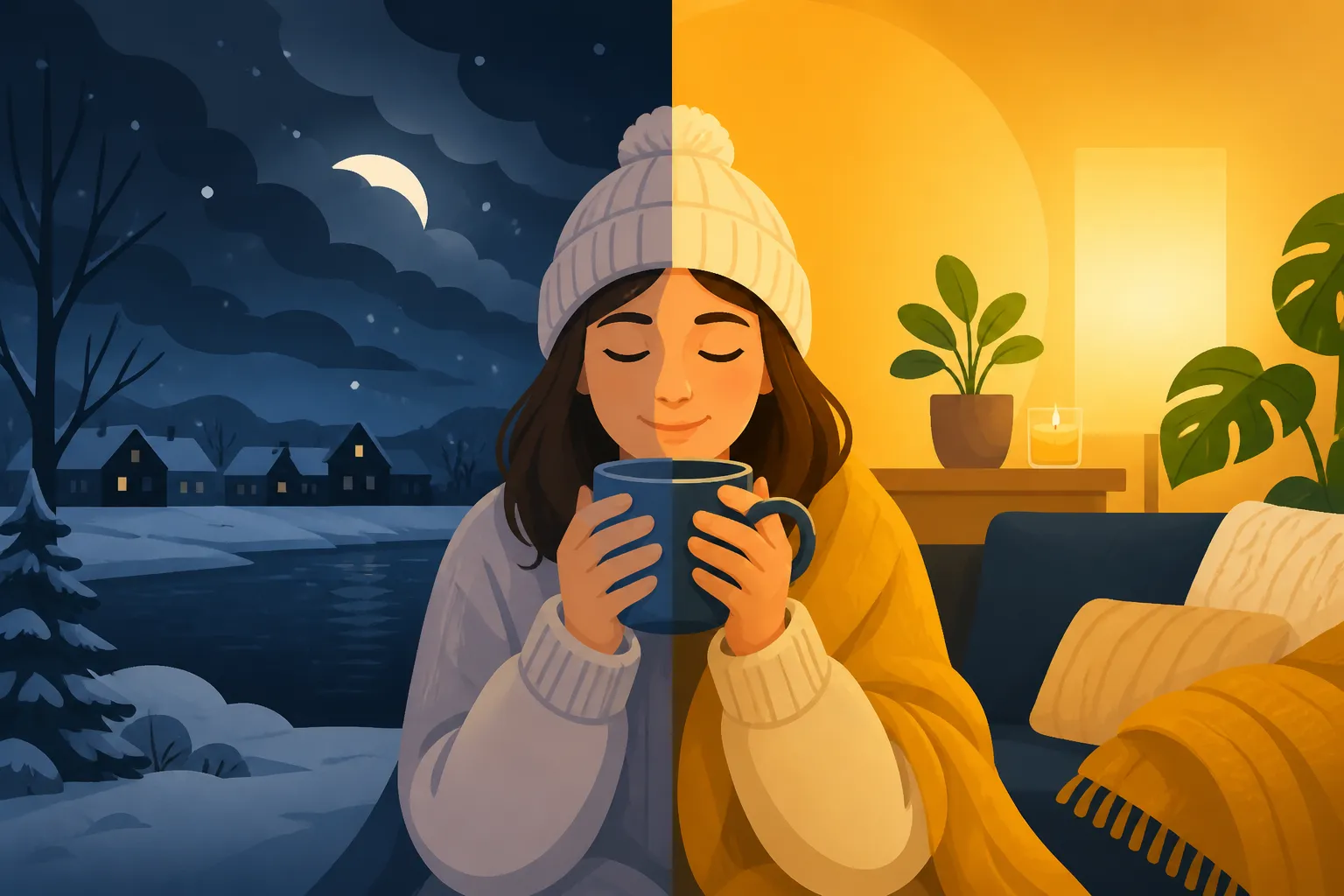
The Danish concept of hygge (coziness and comfort) has a very strong counterpart in Sweden: mys or mysigt. It's all about creating a warm, inviting, and comfortable atmosphere, especially indoors, to counteract the cold and dark outside. This means lots of candles, soft blankets, warm lighting (avoiding harsh overhead lights), and enjoying simple pleasures. Think hot chocolate by the fireplace, reading a good book under a cozy throw, or having a long, relaxed dinner with friends.
Embrace the art of baking. The smell of cinnamon buns (kanelbullar) or saffron buns (lussekatter) wafting through your home adds to that mysigt feeling. Cook warming, hearty stews and soups. Play board games, put on some calming music, or simply sit in comfortable silence, appreciating the warmth of your surroundings. Mys is about intentional comfort and slowing down, allowing yourself to fully embrace the indoors when the outdoors is less inviting.
Winter Activities and Festivities
Sweden truly shines when it comes to celebrating winter. Instead of retreating indoors and wishing for spring, Swedes embrace the season with a variety of traditions and activities. The period leading up to Christmas is filled with magical light displays, charming Christmas markets (julmarknader) where you can sip on glögg (mulled wine) and buy handcrafted gifts, and the beautiful Lucia celebrations with their candle-lit processions and singing.
Once the snow truly falls, the landscape transforms into a winter wonderland. Many cities and towns offer outdoor ice skating rinks, often free to use, where you can glide under strings of twinkling lights. Cross-country skiing and downhill skiing are popular pastimes, even near major cities. If you're near a lake or the archipelago, ice-skating on natural ice can be a breathtaking experience (though always check safety conditions!). Even a simple walk through a snow-covered park, crunching through fresh snow, can be incredibly peaceful and beautiful. Don't forget that knowing How Cold Does It Really Get in a Swedish Winter? and preparing accordingly makes these activities much more enjoyable.
Planning a Winter Escape (If Possible)
While embracing the local winter is great, sometimes, a little dose of actual sunshine is what the doctor ordered. If your budget and time allow, consider planning a short trip to a sunnier destination sometime in late winter, perhaps in February or March. Even a few days in a warmer, brighter climate can do wonders for your mental and physical energy levels, providing a much-needed break before the Swedish spring fully arrives.
Many expats find that knowing they have a sunny escape planned helps them power through the darkest weeks of January. It gives you something bright to look forward to. Whether it’s a quick flight to Southern Europe or a more exotic destination, remember to stay connected while abroad. Services offering international eSIMs, like Airalo, can be incredibly convenient for ensuring you have data without worrying about roaming charges, making your escape planning and execution that much smoother. It’s a strategic retreat to recharge your internal batteries before diving back into the beautiful, but undeniably dark, Swedish spring.
| Strategy Category | Specific Action | Benefit | Timing / Frequency | Cost (approx.) |
|---|---|---|---|---|
| Light Exposure | Use a SAD Lamp (10,000 lux) | Boosts mood, regulates circadian rhythm, increases energy | 20-30 min/day, mornings | 500-2000 SEK |
| Switch to "Daylight" LED Bulbs | Brighter, more natural light quality indoors | One-time upgrade, as needed | 50-200 SEK/bulb | |
| Daily Outdoor Walk | Natural light exposure, fresh air, physical activity | 15-30 min/day, especially mornings | Free | |
| Home Environment | Declutter & Use Light Colors | Reflects light, creates open feeling, enhances coziness | Ongoing / One-time | Low – Medium |
| Strategically Place Mirrors | Amplifies light, makes rooms feel larger | One-time | 100-1000 SEK | |
| Use Candles and Warm Ambient Lighting | Creates mysigt atmosphere, soft light | Daily, evenings | Low (candles) | |
| Self-Care & Habits | Consistent Sleep Schedule | Regulates body clock, improves sleep quality | Daily | Free |
| Take Vitamin D Supplements | Prevents deficiency, supports mood and immunity | Daily, Sep-Apr | 100-300 SEK/year | |
| Engage in Regular Exercise | Boosts mood (endorphins), improves energy | 3-5 times/week | Free – Gym costs | |
| Plan Social Activities (e.g., fika) | Combats isolation, strengthens connections, cultural immersion | Weekly | Low | |
| Embracing Winter | Explore Winter Sports/Activities | Enjoy the season, physical activity, sense of achievement | As available / desired | Free – Equipment rental |
| Visit Christmas Markets/Festivities | Experience Swedish traditions, boost festive spirit | Nov-Dec | Low – Medium | |
| Consider a Sunny Getaway | Complete break from darkness, mental reset | Once per winter, if possible | High |
Disclaimer
Please remember that I'm an expat blogger, not a medical professional. The advice shared here is based on personal experience and general information and should not replace professional medical or psychological consultation. If you are experiencing symptoms of depression or SAD, please consult with a healthcare provider in Sweden for proper diagnosis and treatment. The information regarding brands and services is for contextual purposes only.