How Does Klarna’s ‘Buy Now, Pay Later’ Work in Sweden?
Oh, Klarna. The Swedish financial tech darling that has taken the world by storm, and perhaps your wallet by surprise, especially here in Sweden where it's practically inescapable. For those of us who've moved here from countries with different payment cultures, the 'buy now, pay later' model can feel both incredibly convenient and, frankly, a bit bewildering. It's a system designed for frictionless commerce, but it can also be a slippery slope into unexpected fees or, worse, debt. This guide is here to unravel how Klarna truly works in Sweden, the various ways it allows you to defer payment, and crucially, what the real risks are so you can navigate this ubiquitous service without falling into its cleverly laid traps.
What Exactly Is Klarna's 'Buy Now, Pay Later' in Sweden?
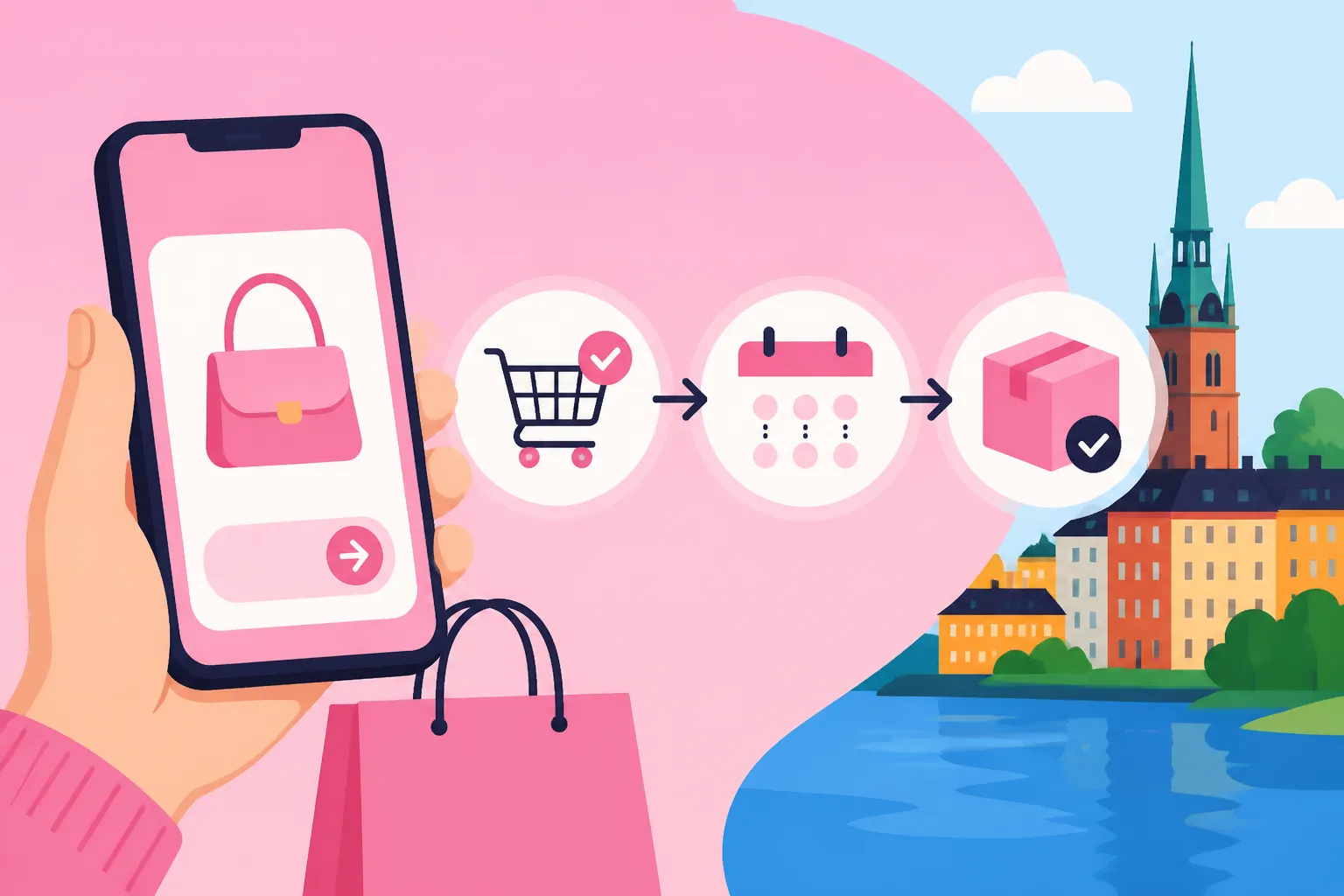
When you first arrive in Sweden, you quickly learn that cash is pretty much a relic. Digital payments reign supreme, and among them, Klarna holds a significant throne. At its heart, Klarna's 'Buy Now, Pay Later' (BNPL) model is about separating the moment of purchase from the moment of payment. You get your goods or services immediately, but you pay for them at a later date, either in full or in installments. This sounds fantastic, right? Instant gratification without the immediate financial pinch. And for many, it works perfectly fine as a budgeting tool or a way to 'try before you buy.'
However, the simplicity of clicking "Pay with Klarna" can mask the complexities and potential pitfalls beneath the surface. For us expats, who might still be grappling with the nuances of the Swedish financial system, a strong krona, and potentially lower starting salaries, understanding these mechanisms is paramount. Klarna is not just a payment method; it's a credit service, and like any form of credit, it comes with responsibilities and consequences. It's integrated into countless online stores, from fashion retailers to electronics giants, and even in some physical shops through its app. The prevalence is astounding, making it almost impossible to avoid if you're shopping online in Sweden. It's truly a testament to how deeply digital payments, particularly those that offer deferred options, are embedded into Swedish daily life, alongside other essential tools like BankID and Digital Payments: How Money Moves in Cashless Sweden.
Klarna provides a seamless, almost invisible experience, which is both its strength and its danger. You choose your items, proceed to checkout, and often, Klarna is presented as a primary payment option, sometimes even pre-selected. With just a few clicks or a quick verification with your BankID, your purchase is confirmed, and the goods are on their way. The immediate absence of money leaving your bank account can feel liberating, especially when you're managing various expenses as a newcomer, from setting up your home to navigating the initial costs of Setting Up Your Home in Sweden: Utilities, Internet, and Insurance. But remember, that money will be due, and understanding when and how much is key to preventing future headaches.
The Different Klarna Payment Options Explained and Their Traps
Klarna isn't a one-size-fits-all solution; it offers several distinct payment methods, each with its own terms, benefits, and, yes, potential traps. It's crucial to understand these variations, particularly when you're adapting to a new financial environment where even simple things like a Swedish Payslip can look different.
Pay in 30 days Faktura: The Most Common Trap
This is perhaps the most popular and deceptively simple Klarna option. When you choose "Faktura" (invoice) and "Betala inom 30 dagar" (pay within 30 days) at checkout, Klarna pays the merchant immediately on your behalf. You then receive an invoice from Klarna, typically via email or directly in your Klarna app, which you have 30 days to pay. The beauty of this is clear: you can receive your order, try it on, or test it out before any money actually leaves your account. If you decide to return it, you simply don't pay the invoice (or adjust it if you're returning only part of the order). It feels almost like magic.
However, the trap here is purely human: forgetfulness. In the hustle and bustle of settling into Sweden, navigating new work, social life, and all the administrative hurdles, it is incredibly easy to lose track of these 30-day invoices. You might have three or four small Klarna invoices floating around for different purchases, each with a different due date. If you forget to pay on time, Klarna will send a reminder, often with an added late fee (påminnelseavgift), which typically ranges around 60 SEK. Miss that one too, and the late fees can escalate, and interest might start to accrue. Before you know it, a small, innocent purchase has become significantly more expensive, and that's not something you want when you're trying to carefully manage your Budgeting for the Real Cost of Living in Sweden. Always, always, use the Klarna app to keep track of your invoices and set external reminders if needed.
Slice It Delbetala: The Longer-Term Commitment
"Slice It" or "Delbetala" is Klarna's true installment payment option, designed for larger purchases that you want to spread over several months, usually ranging from 3 to 36 months. Unlike the 30-day invoice, this option almost always involves interest charges and often a setup fee, which can be a percentage of the purchase price or a fixed amount. When you select Slice It, Klarna performs a more thorough credit check (a 'hard' inquiry) to assess your ability to make regular payments. This isn't just a quick peek; it's a proper assessment that can leave a footprint on your credit file.
The allure of Slice It is obvious: it makes expensive items seem more affordable by breaking down the cost. Need a new washing machine, a fancy couch, or a powerful laptop? Slice It allows you to get it now without draining your bank account upfront. However, the danger lies in accumulating multiple Slice It plans. Each plan represents a new debt commitment, and the interest can add up surprisingly quickly. What started as one manageable monthly payment can turn into several, creating a significant drain on your income. For expats still building their financial stability, perhaps even dealing with fluctuating income or unexpected expenses, over-committing to multiple long-term payment plans can be a real burden. These types of commitments are exactly what services like Taxes for Expats help you understand in the broader context of your financial obligations, ensuring you don't overstretch yourself with seemingly small monthly payments. It's important to remember that these installment plans are a form of credit and will directly impact your Borrowing and Credit in Sweden: Loans, Mortgages, and Your UC Score.
Pay in 3 Dela upp betalningen: The Shorter Installment Route
This option sits somewhere between the 30-day invoice and the longer Slice It plan. "Dela upp betalningen" typically allows you to split a purchase into three interest-free installments, usually paid over a 60-day period (one payment at purchase, one after 30 days, and the final one after 60 days). It's often promoted as a way to manage smaller to medium-sized purchases without incurring interest, provided you pay on time.
While often interest-free, the same risks as the 30-day invoice apply: forgetting a payment. Miss one of those three installments, and suddenly you're facing late fees and potentially interest charges. It's easy to think, "Oh, it's interest-free, so it's fine!" but that only holds true if you stick to the payment schedule religiously. For those new to Sweden, juggling bank accounts, different payment systems, and perhaps even sending money home with services like Wise, another set of payment deadlines can feel like just one more thing to keep track of. The key takeaway for all Klarna options is vigilance. Never assume a "pay later" option means "pay never" or "it doesn't matter if I'm a bit late." The Swedish system is very efficient at tracking and enforcing payments.
The Dark Side of Convenience: Klarna's Impact on Your Finances and Future in Sweden
The smooth, effortless experience Klarna provides can make it easy to forget that you are entering into a financial agreement. This seemingly minor decision at checkout can have significant, long-lasting repercussions on your financial standing in Sweden, which is something many expats don't fully grasp until it's too late.
Credit Score Implications UC Score
Every time you choose a Klarna payment option, especially for larger amounts or installment plans, Klarna performs a credit check. While "Pay in 30 days" often involves a 'soft' credit check that doesn't significantly impact your credit score, opting for "Slice It" almost always triggers a 'hard' inquiry. Multiple hard inquiries in a short period, or a history of missed Klarna payments, can absolutely ding your UC score.
Why does your UC score matter so much in Sweden? It's not just about getting a mortgage. Your UC score, or credit rating, is a crucial indicator of your financial reliability. Landlords use it when you apply for apartments (a huge hurdle for newcomers). Mobile phone companies check it before giving you a contract. Banks assess it for any loan, big or small. Even some employers might look at it for certain positions. A poor UC score can make securing housing incredibly difficult, leave you stuck with expensive pre-paid phone plans, or limit your access to essential financial services like How to Open Your First Swedish Bank Account Without a Personnummer (though a Personnummer is usually needed for Klarna too). It’s a silent gatekeeper that influences many aspects of life here. Maintaining a healthy credit score is paramount, and every Klarna transaction you make contributes to that financial narrative, positively or negatively. Understanding Your UC Credit Score: How It's Calculated and Why It Matters is truly essential.
The Slippery Slope of Debt
Klarna's convenience is also its most dangerous feature: it makes overspending incredibly easy. Imagine browsing online, seeing something you like, and thinking, "Oh, I don't have the money right now, but I can just pay in 30 days!" That one thought, repeated a few times for different purchases, can quickly lead to a situation where you have several invoices, totaling a substantial amount, all due within the same week or month. It's a common scenario for many, not just expats.
This accumulation can be financially crushing. Suddenly, that "small, easy purchase" now contributes to a mountain of deferred payments. When late fees and interest kick in, the original cost of the items can balloon, making it even harder to pay off. For us, who are often already under financial strain from moving expenses, learning a new language, and potentially supporting family abroad, this added, unexpected debt can lead to immense stress and anxiety. It's a classic example of how modern convenience can subtly undermine financial discipline, making it difficult to stick to a budget or save for future goals, like the dream of Buying Property in Sweden as a Foreigner: A Complete Guide.
Dealing with Klarna: What Happens If You Can't Pay?
So, you've missed a payment. What now? Initially, Klarna will send reminders. Then, late fees are added. If you continue to ignore these, your invoice will eventually be handed over to an inkassobolag (debt collection agency). This is where things start to get serious. Inkassobolag add their own fees and will pursue payment aggressively. They are not to be taken lightly.
If even the debt collection agency can't recover the money, the debt will be passed on to Kronofogden. This is the Swedish Enforcement Authority, and it's the last place you want any of your debts to end up. A record with Kronofogden results in a betalningsanmärkning (payment default), which is a severe black mark on your financial record. It makes getting loans, credit cards, rental agreements, and even some types of employment virtually impossible for several years (usually three, but sometimes longer for companies). It's a deeply embarrassing and financially crippling situation, and for an expat trying to build a new life, it can feel like your entire future in Sweden is derailed. To truly understand the gravity, you should research Dealing with Kronofogden: Debt Enforcement in Sweden. If you ever find yourself struggling to pay a Klarna invoice, the absolute best thing you can do is contact Klarna immediately and try to work out a payment plan. Don't let it escalate.
Responsible Use of Klarna If You Must and Alternatives
It’s clear that Klarna, while convenient, carries significant risks if not managed responsibly. But how can you use it smartly, or better yet, avoid its potential pitfalls entirely?
Tips for Smart Klarna Use
If you choose to use Klarna, treat it with the same respect you'd give a traditional credit card. Here are some golden rules:
- Only Use It If You Have the Money Right Now: This is the cardinal rule. If the cash isn't in your bank account, ready to cover the purchase today, then you shouldn't be using a 'pay later' option. Klarna should be for convenience, not for buying things you can't afford.
- Use the Klarna App Diligently: Download the Klarna app and check it regularly. It provides a clear overview of all your purchases and due dates. Set up push notifications for payment reminders. This is your primary tool for staying on top of things.
- Set External Reminders: Don't rely solely on Klarna's reminders. Add due dates to your personal calendar, set alarms on your phone, or create a simple spreadsheet. Especially when you're managing various financial tasks, perhaps even dealing with The Swedish Tax System Explained: Rates, Returns, and Filing, an extra layer of reminders can save you a lot of grief.
- Avoid Multiple Simultaneous Plans: Spreading out payments across multiple vendors using Klarna quickly becomes unmanageable. Try to limit yourself to one or two outstanding Klarna invoices at any given time, if possible. The more you have, the higher the chance of missing a deadline.
- Understand the Terms and Conditions: Before you click "confirm," read the small print. What are the late fees? What is the interest rate for "Slice It"? Knowledge is power, and it can prevent nasty surprises down the line.
| Feature | Pay in 30 days (Faktura) | Slice It (Delbetala) | Pay in 3 (Dela upp betalningen) |
|---|---|---|---|
| Payment Period | 30 days | 3-36 months | 3 installments (60 days total) |
| Interest | No (if paid on time) | Yes (variable, often high) | Often No (if paid on time) |
| Fees | Late fees apply (e.g., 60 SEK) | Setup fee, late fees | Late fees apply |
| Credit Check | Soft check usually | Harder check likely | Soft check usually |
| Best For | Trying before buying, managing cash flow for a month | Larger planned purchases, spreading cost | Spreading smaller costs over short term (e.g., 2 months) |
| Risk Factor | High (forgetting, multiple invoices) | Medium (over-commitment, high interest) | Medium (forgetting, snowball effect) |
Safer Payment Alternatives
For those of us who prefer to keep things simple and avoid credit altogether, Sweden offers plenty of excellent alternatives that prioritize immediate payment and clear financial management.
- Debit Cards: Your standard Swedish bank card (Visa or Mastercard) is accepted almost everywhere. When you pay with a debit card, the money comes directly from your bank account. No invoices, no future due dates, no hidden fees – just clean, immediate transactions. This is often the default payment method for expats when they first get their local bank account, perhaps after comparing options from Choosing a Bank in Sweden: Swedbank, SEB, Handelsbanken, and Nordea.
- Swish: This is Sweden's mobile payment revolution. Swish allows instant bank-to-bank transfers using just a phone number, linked to your BankID. Many online stores now offer Swish as a payment option, alongside or even instead of Klarna. It's incredibly fast, secure, and ensures you pay immediately, so there's nothing to forget. If you haven't already, dive into Using Swish: How Sweden Pays Instantly.
- Bank Transfers: Most Swedish banks offer easy online banking portals where you can pay invoices directly. If an online shop only offers an invoice, you can often pay it manually via your bank.
- Saving Up: The old-fashioned way is often the best. If you truly can't afford something now, save up for it. It instills financial discipline and prevents debt. This approach aligns perfectly with smart financial habits, helping you better understand your income and expenses, as detailed in guides like Understanding Your Swedish Payslip and Preliminärskatt.
Ultimately, Klarna is a tool. Like any tool, it can be incredibly useful when wielded responsibly, or it can cause significant damage if misused. For new arrivals to Sweden, already navigating a myriad of new systems and customs, adding the complexity of 'buy now, pay later' requires extra caution. My advice, as a veteran expat, is to proceed with extreme awareness. If you choose to use it, know exactly how and when to pay, and never let it lead you down the path of buying what you can't genuinely afford. Your financial well-being in Sweden depends on it.
Disclaimer
The information provided in this guide is intended for general informational purposes only and does not constitute financial or legal advice. While we strive to provide accurate and up-to-date content, financial regulations and Klarna's terms and conditions can change. Always consult official sources, Klarna's own website, and if necessary, a financial advisor for personalized advice regarding your specific situation in Sweden. We are not responsible for any financial decisions made based on this information.