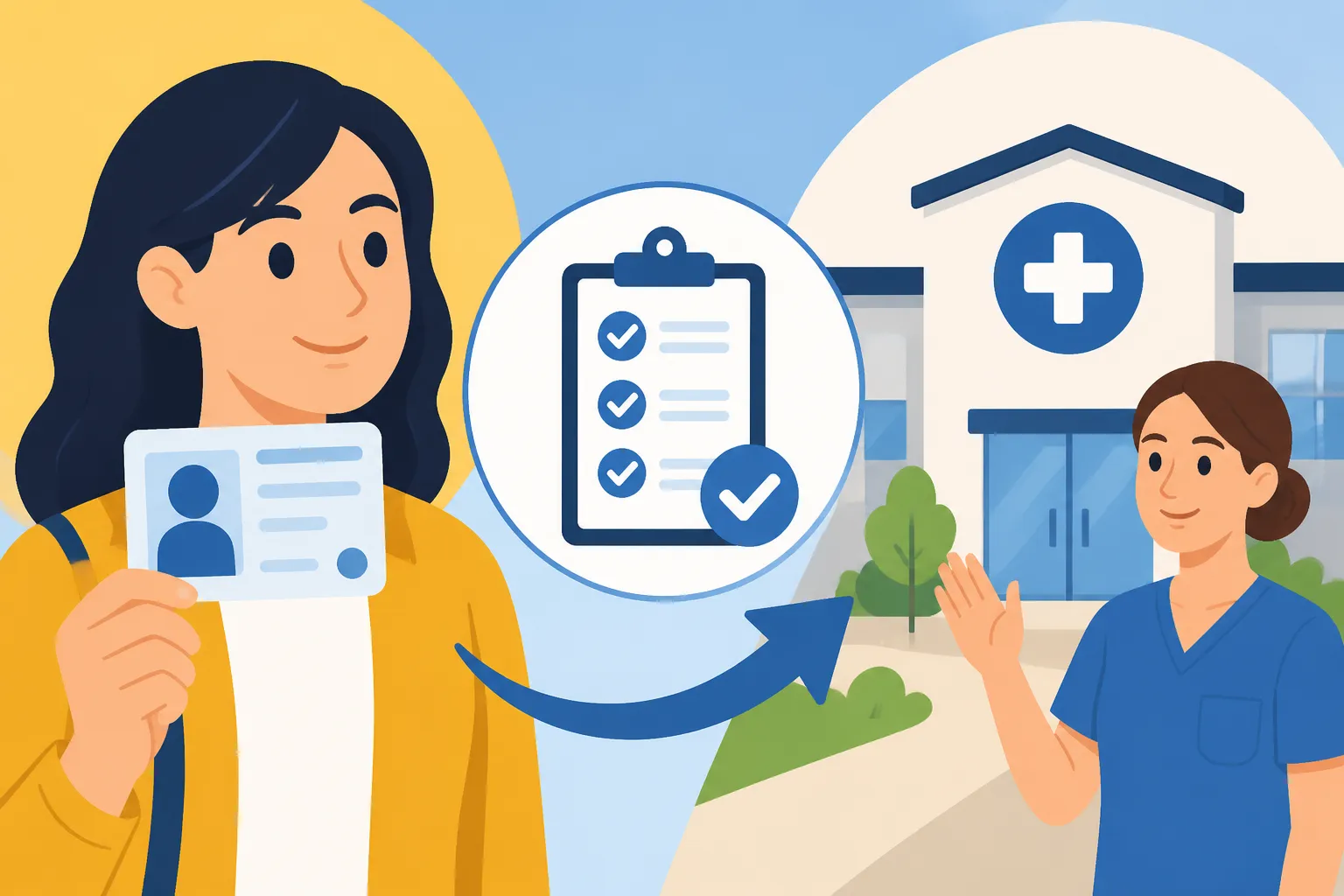
How to Register with a Vårdcentral After Getting Your Personnummer
Getting your personnummer is the ultimate milestone for any newcomer in Sweden, but many expats are left staring at that four-digit code wondering, "Okay, now how do I actually see a doctor?" I remember the panic of my first Swedish winter flu, clutching my tax agency letter and realizing I wasn't actually in the medical system yet. This guide provides the exact roadmap for registering with a local health center so you never have to navigate a fever without a plan.
Understanding the Role of the Vårdcentral in Swedish Healthcare
The foundation of the Swedish medical model is the vårdcentral, which literally translates to "care center." For those of us coming from the UK, the US, or elsewhere, think of this as your GP surgery or primary care clinic. In Sweden, you don't just "show up" at a hospital for a cough or a lingering back ache. The system is designed to be tiered, and the vårdcentral is your essential first tier. When I first arrived, I made the mistake of thinking I could just book a specialist for a skin issue; I quickly learned that everything, and I mean everything, starts at your local clinic.
Your Primary Point of Contact
Every resident in Sweden is encouraged to be "listed" or registered at a specific vårdcentral. This clinic becomes your medical home. It is where you find general practitioners, nurses, physiotherapists, and often psychologists or midwives. Having a consistent point of contact is vital in a system that relies heavily on digital records. When you are registered, your medical history begins to consolidate in one place, making it significantly easier for doctors to track your health over time.
The vårdcentral isn't just for when you are sick; it is also where you go for routine check-ups, vaccinations, and lifestyle advice. I’ve found that building a relationship with a specific clinic helps mitigate the "faceless" feeling that can sometimes accompany large, tax-funded systems. Even if you don't see the same doctor every single time—which is a common frustration for expats—being registered at one location means your data is always there when you need it.
The Gatekeeper to Specialist Care
One of the most important aspects of the Swedish system to understand is the "remiss" or referral. Unlike some private systems where you can call a cardiologist directly, in Sweden, you typically need a GP at your vårdcentral to write a referral. This is why How the Referral (Remiss) System Works for Seeing a Specialist in Sweden is such a critical concept to grasp. Without being registered at a vårdcentral, getting that initial appointment to even ask for a referral becomes a much more bureaucratic hurdle.
Many expats have tried to bypass this by going to the emergency room for non-emergencies. Not only is this expensive, but the wait times can be eight hours or more, and the doctors there will ultimately tell you to contact your vårdcentral anyway. By registering early, you ensure that when a real issue arises, you already have the "gatekeeper" ready to help you navigate the specialized parts of the healthcare system.
Why Proactive Registration Matters
Many foreigners wait until they are actually ill to think about registration. This is a stressful mistake. While you can technically seek care without being registered, the process of finding an open slot as a non-listed patient is much harder. Some clinics prioritize their registered patients, especially during busy seasons like the winter flu peak. Newcomers are advised to make registration their first priority the moment their ID card arrives.
Furthermore, being registered allows you to use the digital tools provided by the region more effectively. For example, once you are listed, you can often message the clinic directly through the national health portal. This saves you from the "telephone queue" nightmare, where you might be caller number 45 at 8:00 AM. Taking the time to register now, while you are healthy, is a gift to your future, sick self.
How to Choose the Right Vårdcentral for You
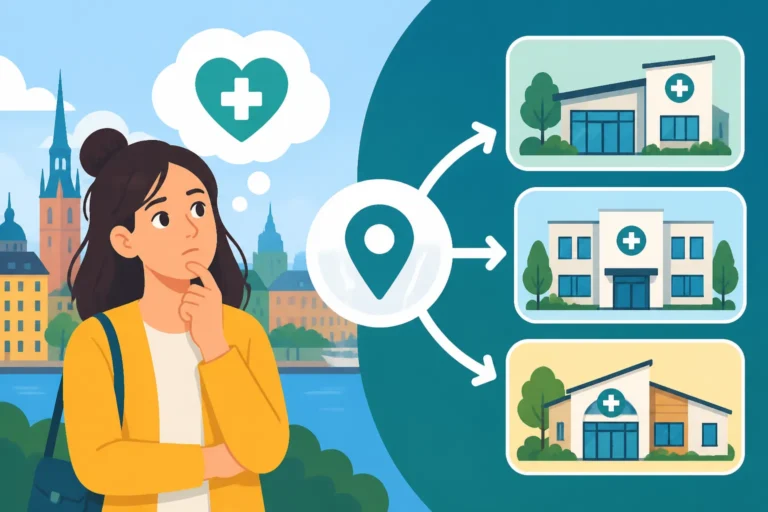
Sweden operates under a principle called "Vårdval," which means "Choice of Care." This is one of the best features of the system—you are not strictly tied to the clinic closest to your house, though most people choose based on geography. You have the right to choose any public or accredited private vårdcentral in your region. This freedom can be a bit overwhelming when you're looking at a list of twenty clinics in a city like Stockholm or Gothenburg.
Geographic Proximity vs Quality Reviews
For most of us, convenience is king. You want a clinic that is easy to reach when you have a migraine or a screaming toddler. However, not all vårdcentraler are created equal. Some are large, bustling hubs attached to hospitals, while others are small, neighborhood clinics. When I moved to my second apartment in Stockholm, I spent some time Choosing and Switching Your Vårdcentral Through Vårdval based on local recommendations rather than just the nearest street address.
I highly recommend checking Google reviews or asking in local expat Facebook groups. While you should take online venting with a grain of salt, you’ll often see patterns regarding wait times, the friendliness of the reception staff, and the availability of English-speaking doctors. In my experience, the clinics in slightly quieter residential areas often have better availability than the ones right next to major metro hubs.
Specialized Clinics and Language Availability
While most doctors in Sweden speak excellent English, the administrative staff and nurses might vary. If your Swedish is still in the "SFI Level A" stage, finding a clinic known for being expat-friendly can lower your stress levels significantly. Some clinics also have "Sub-clinics" focused on specific needs, such as a dedicated Child Health in Sweden: How Barnavårdscentralen (BVC) Supports Families wing or specialized units for elderly care.
If you have a chronic condition, you might want to look for a vårdcentral that has a specialized nurse for that specific issue, such as a diabetes nurse or an asthma specialist. You can usually find this information on the clinic’s individual website or by calling their reception. Don’t be afraid to ask, "Do you have doctors who are comfortable managing [specific condition]?" before you commit to registering there.
The Vårdval System Explained
The Vårdval system ensures that the money follows the patient. When you register with a clinic, that clinic receives a portion of the regional healthcare budget to manage your care. This creates a level of competition that, in theory, encourages clinics to maintain high standards to keep their patients. It also means that if you are unhappy with your care, you can switch clinics relatively easily.
There is no "lock-in" period. If you register today and realize in three months that the commute is too long or you don't click with the staff, you can simply register at a new place. The new registration automatically cancels the old one. This flexibility is a core part of How Sweden's Tax-Funded Healthcare Works: Regions, Costs, and Coverage, ensuring that the system remains responsive to the needs of the residents.
| Registration Method | Typical Timeframe | Requirements | Recommended For |
|---|---|---|---|
| Online (1177.se) | Instant/24 Hours | Personnummer + BankID | Everyone with digital ID |
| Paper Form | 1-2 Weeks | Personnummer + ID Copy | Those without BankID |
| In-Person | Immediate Entry | Personnummer + Physical ID | Urgent needs/Non-tech users |
The Step-by-Step Registration Process via 1177.se
Once you have your personnummer and, crucially, your BankID, the registration process is incredibly fast. Digitalization is the heart of Swedish life, and healthcare is no exception. The portal you will become very familiar with is 1177.se. This is the national hub for all things health-related in Sweden.
Logging in with BankID
The first step is to navigate to 1177.se. In the top right corner, you’ll see "Logga in." You will need to use your Mobile BankID to authenticate your identity. For most newcomers, Booking Doctor Appointments Online Through 1177.se with BankID is the first time they realize just how much power that little app on their phone holds. Once you are logged in, you enter your "Personal Page" (Mina sidor).
If you are struggling to log in, ensure your BankID is fully activated through your bank. Some people receive their personnummer but forget that the BankID is a separate step that requires a visit to a physical bank branch. Once you are in the portal, you can see your current health connections, though if you are new, this area will likely be blank.
Selecting Your Clinic and Confirming Your Choice
Look for a section labeled "Vårdval" or "Val av vårdcentral." The site will usually present you with a list of clinics in your current municipality based on your registered address (folkbokföring). You can search by name or by browsing a map. Once you find the clinic you’ve researched, you simply click "Välj denna mottagning" (Choose this clinic).
The system will ask you to confirm your choice. It’s important to note that if you have children, you often need to register them separately under your account (though they are usually automatically linked if they have their own personnummers). After confirming, the change is usually processed within a business day. You won't necessarily get a "welcome" letter in the mail, but your digital profile will update to show your new "Hemma-vårdcentral."
Troubleshooting Digital Hurdles
Not everything goes perfectly. Occasionally, the 1177 portal might not show a specific private clinic that you know is part of the regional system. In these cases, it’s usually because the clinic uses its own internal registration system that syncs with the region later. If you can’t find your chosen clinic on the list, don't panic—you can always contact the clinic directly.
Another common issue is for those who are still waiting for their full BankID but have their personnummer. If you are in this "digital limbo," you might need to use the manual methods discussed in the next section. Also, remember that 1177.se is primarily in Swedish. While there is an "English" button, the actual booking and registration pages often revert to Swedish. Using a browser with an auto-translate feature can be a lifesaver during this process.
Alternative Registration Methods: Paper Forms and Walk-ins
I know plenty of people who moved to Sweden and, for one reason or another, had a nightmare of a time getting their BankID. Maybe their home country's passport wasn't accepted initially, or the bank was being difficult. If you find yourself with a personnummer but no digital identity, you can still register.
When You Can't Access Digital Tools
If you can't use 1177.se, the most reliable method is to visit the vårdcentral in person. Walk up to the reception desk (receptionen) and say, "Jag vill lista mig här" (I want to list myself here). They will provide you with a physical paper form. It’s a simple document asking for your name, personnummer, address, and signature.
I actually did this for my first registration because I wanted to see the clinic with my own eyes before committing. The staff are usually very helpful, and they can often tell you right then and there if they are currently accepting new patients (though in most regions, public clinics cannot refuse you if you live in their catchment area). If you are moving from a private insurance plan like Cigna Global or SafetyWing because you now have your personnummer, this physical visit is a good time to ask how the transition of records works.
Bringing the Right Documents
When registering in person, you must bring your Swedish ID card (the one from Skatteverket). If you haven't received the physical card yet but have the personnummer, bring your passport and the official "personbevis" printout from the Tax Agency. The staff need to verify that your identity matches the number in the national database.
If you are an EU citizen and are using Transferring EU Health Rights to Sweden with an S1 or EHIC, make sure to bring those documents as well. The registration process for EU citizens without a full personnummer (using a coordination number) is slightly different and often requires more paperwork to ensure the billing goes to the correct country.
What to Expect During Your First Visit
Your first "visit" for registration isn't usually a medical appointment. It's an administrative task. However, once you are registered, you can then book an "initial health check" if you have ongoing health needs. Many expats are surprised that Swedish doctors don't do "general check-ups" for healthy young adults just for the sake of it. You usually need a specific reason or symptoms to book a time with a doctor.
If you do have a chronic condition, bring your medical records from your home country, preferably translated into English or Swedish. This helps the GP at your new vårdcentral understand your history without having to repeat every test. While you are there, it’s also worth asking about the 1177 Vårdguiden: Navigating Sweden's National Health Advice Line and Portal and if they have any specific local apps for video consultations, which are becoming very popular in Sweden.
Costs and Coverage: What Newcomers Need to Know
One of the biggest shocks for my American friends moving to Sweden is that healthcare is not "free," but rather "highly subsidized." You will pay a fee for every visit until you hit a certain limit. Understanding Patient Fees (Patientavgift) Across Sweden's 21 Regions is vital so you don't feel like you're being scammed at the reception desk.
Standard Patient Fees Across Regions
Every time you visit your vårdcentral, you will pay a "patientavgift." This usually ranges from 100 SEK to 300 SEK depending on your region (Stockholm is often different from Skåne or Västra Götaland). If you see a specialist, the fee is higher, often around 400 SEK. These fees apply even if you are just seeing a nurse for a vaccination or a quick blood test.
The good news is that these fees are standardized. You don't "shop around" for a cheaper doctor. The price is the price. Most clinics are cashless, so you will need a debit or credit card to pay at the kiosk or reception. If you forget to pay on the day, they will often send an invoice (faktura) to your home address, but be warned: they usually add a small administrative fee to invoices.
Leveraging the High-Cost Protection Ceiling
Sweden has a wonderful safety net called "Högkostnadsskydd." This is a ceiling on how much you have to pay for healthcare in a 12-month period. As of 2024-2026, this limit is generally around 1,300 SEK to 1,400 SEK. Once you have paid this amount in patient fees, you get a "Frikort" (Free Card), and all subsequent visits for the remainder of that 12-month period are free.
This system is now almost entirely digital. You don't have to collect paper receipts like people did ten years ago. The system tracks your payments automatically across the country. I remember the relief I felt when I reached my ceiling during a year of many specialist visits; it’s a great example of The Högkostnadsskydd Explained: Sweden's Healthcare Cost Ceiling and Frikort in action, ensuring that nobody is bankrupted by chronic illness.
Transitioning from Private Coverage to the Public System
If you arrived in Sweden on a visa that required private insurance, such as SafetyWing or Cigna Global, you might be wondering when to cancel it. My advice is to keep your private coverage until you are fully registered in the Swedish population register and have successfully registered with a vårdcentral. There can be a "grey zone" between getting your personnummer and actually getting an appointment.
While the public system is excellent for serious issues and chronic care, some expats choose to keep a private Sjukvårdsförsäkring to get faster access to specialists. Public wait times for non-urgent issues (like a knee surgery or a non-malignant skin check) can be months. Private insurance allows you to bypass these queues. However, for 90% of your needs, the public vårdcentral you just registered with will be your primary resource.
Managing Your Health Records and Future Appointments
Now that you are registered, you are officially "in the system." But in Sweden, being in the system means being proactive. You are expected to manage a lot of your own care through digital portals.
Digital Journal Access
One of the coolest (and sometimes scariest) things about Swedish healthcare is that you can read your own doctor's notes. Through 1177.se, you can access your "Journal." After an appointment, the doctor will write up their notes, and within a few days, you can log in and see exactly what they wrote, your test results, and your prescribed treatments.
This level of transparency is fantastic for expats who might not have understood every word the doctor said during the visit. You can take the notes and put them through a translator at home. It’s a core part of Your Health Records and Privacy on Sweden's Digital Health Platforms. Just be aware that doctors can sometimes be very "matter-of-fact" in their notes, which can be a cultural adjustment.
Messaging Your Doctor Directly
Once you are registered at a vårdcentral, the 1177 portal allows you to "Message the clinic." This is perfect for non-urgent questions, like asking for a prescription refill or clarifying a test result. In my experience, the response time is usually within 48 hours. It beats sitting on hold on the phone any day.
You can also use this feature to How Do I Refill a Prescription at a Swedish Apotek? without needing to book a full appointment. If it's a medication you take regularly, the doctor can often just send the digital "recept" to the national pharmacy database, and you can pick it up at any Apotek in Sweden using your ID card.
Switching Clinics if You Move
Sweden is a land of moving apartments (the "second-hand" rental market is a journey in itself). If you move to a new neighborhood or a new city, don't forget to update your registration. While your records follow you digitally, your "home" clinic remains the one where you are listed.
Switching is as simple as the initial registration. You log back into 1177.se, find a new clinic near your new home, and select it. The old clinic is notified automatically, and your "listing" moves. If you are moving between regions (e.g., from Stockholm to Skåne), there might be slight differences in the portal layout, but the How Do I Switch Vårdcentral When I Move to a New Swedish City? process remains fundamentally the same.
Disclaimer
The information provided in this article is for informational purposes only and does not constitute professional medical or legal advice. Healthcare regulations, patient fees, and registration processes in Sweden are subject to change by regional authorities (Regioner) and national agencies. Always consult with 1177 Vårdguiden or your local healthcare provider for the most up-to-date and personalized guidance regarding your health and registration status.