How Do I Access Addiction or Substance-Use Support in Sweden?
Finding yourself or a loved one struggling with substance use in a foreign country adds a terrifying layer of isolation to an already heavy burden. I’ve sat in those sterile waiting rooms wondering if my Swedish was good enough to explain a crisis, and the bureaucracy often felt like an insurmountable wall. This guide clears that fog, showing you exactly how to navigate Sweden’s addiction support systems effectively.
Understanding the Dual Responsibility System in Sweden
Accessing addiction support in Sweden is unique because the responsibility is split between two different authorities: the regional healthcare system (Regionen) and the local municipality (Kommunen). This "dual system" can be confusing for newcomers who are used to a single point of entry for medical issues. Knowing who does what is the first step toward getting the right help without being bounced between offices.
The regional healthcare system, which you likely already know through your local clinic, handles the medical side of addiction. This includes detoxification (avgiftning), psychiatric evaluations, and medication-assisted treatments like methadone or buprenorphine. If you are experiencing physical withdrawal symptoms or have a co-occurring mental health disorder, the Region is your primary contact. You can learn more about how this integrates with the broader network in our Healthcare in Sweden for Foreign Residents: The Complete System Guide (2027).
The municipality, specifically through the Social Services department (Socialtjänsten), handles the psychosocial side of recovery. They are responsible for providing housing support, counseling, 12-step programs, and long-term rehabilitation centers (HVB-hem). In many cases, the Social Services department is actually the gatekeeper for the most intensive types of residential care, as they are the ones who fund it. Even if you have a Personnummer, Folkbokföring, and Your Legal Status in Sweden, you will still need to apply for these services through a social worker (handläggare).
The Role of Beroendecentrum
In larger cities like Stockholm, Gothenburg, or Malmö, these two branches often collaborate through specialized hubs called Beroendecentrum (Addiction Centers). These facilities are designed to be a one-stop shop where doctors, nurses, and social workers work under one roof. If you live in a major urban area, searching for your local Beroendecentrum is usually the fastest way to bypass the general queue at a standard clinic.
For those living in more rural areas, the process might be more fragmented. You may need to visit your local hospital for medical detox and then coordinate with your municipal office for follow-up therapy. Regardless of where you are, the 1177 Vårdguiden: Navigating Sweden's National Health Advice Line and Portal is an invaluable tool to find the specific addiction unit assigned to your zip code.
Step by Step How to Initiate Help
Taking the first step is often the hardest part, especially when you are worried about how a record of substance use might affect your residency or employment. In Sweden, the system is designed with a "patient-first" mentality, meaning that seeking help for addiction is treated as a medical right, not a criminal matter.
Starting at the Vårdcentral
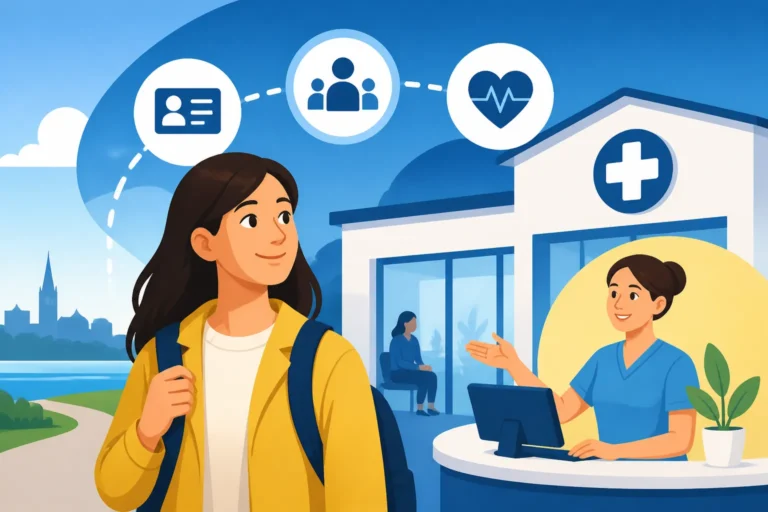
For most expats, the most natural place to start is by Registering with a Vårdcentral: Your Guide to Primary Care in Sweden. You can book an appointment with a General Practitioner (GP) to discuss your concerns. Be honest with your doctor about the frequency and type of substance use. They are bound by strict confidentiality laws and their primary goal is to assess your physical health and provide a referral (remiss) to a specialist.
A referral from a GP can significantly speed up your access to specialized psychiatric care. Without it, you may find yourself waiting longer in the general intake systems. If you are worried about the cost of these multiple visits, remember that The Högkostnadsskydd Explained: Sweden's Healthcare Cost Ceiling and Frikort applies here just as it does for any other medical condition, ensuring your out-of-pocket expenses remain capped.
Self-Referral and Drop-in Clinics
If you don’t want to go through your GP, many addiction centers in Sweden allow for "egenanmälan" or self-referral. This involves calling the specialized clinic directly or visiting their drop-in hours. During an initial assessment, a nurse or counselor will talk to you about your history and determine the level of urgency.
If you are in an immediate crisis—such as a severe overdose risk or acute alcohol withdrawal—you should not wait for an appointment. Instead, head directly to a specialized psychiatric emergency room (Psykiatrisk akutmottagning). These are often separate from the general ER. You can find the nearest location by calling the What Number Do I Call for Non-Emergency Medical Advice in Sweden line, which is 1177.
Navigating Social Services (Socialtjänsten)
If you require residential rehab or structured outpatient group therapy, you will likely need to contact the Social Services office in your municipality. Ask to speak with the "vuxenenheten" (adult unit) regarding "missbruk" (substance use). An investigator will be assigned to your case to conduct an assessment of your needs.
While the idea of involving social services can be intimidating, they have the budget to pay for expensive private rehab clinics that would otherwise be unaffordable for an individual. They also provide support for "medberoende" (codependency) if you are a family member seeking help for someone else. This is a crucial part of Family and Children's Healthcare in Sweden: BVC, Mödravård, and Beyond as addiction affects the entire household.
| Type of Support | Provider | Primary Focus | Access Method |
|---|---|---|---|
| Medical Detox | Region (Hospital) | Physical safety during withdrawal | ER or GP Referral |
| MAT (Methadone/Suboxone) | Specialized Clinic | Opioid replacement therapy | Referral/Assessment |
| Residential Rehab | Municipality (Social Services) | Long-term behavioral change | Social Worker Assessment |
| Counseling/CBT | Vårdcentral/Private | Mental health triggers | Booking Doctor Appointments Online Through 1177.se with BankID |
| Support Groups | NGO (AA/NA/Smart) | Peer support and community | Walk-in/Online |
Types of Treatment Programs Available
Sweden offers a wide spectrum of treatment options, ranging from harm reduction to complete abstinence-based models. The philosophy has shifted significantly in recent years toward evidence-based medical care, though peer-led models like Alcoholics Anonymous (AA) and Narcotics Anonymous (NA) remain very active and are often integrated into municipal plans.
Outpatient vs. Inpatient Care
The vast majority of addiction treatment in Sweden is outpatient (öppenvård). This means you live at home but attend the clinic several times a week for individual counseling, group therapy, or to receive medication. This model is preferred because it allows you to maintain your Working in Sweden as a Foreigner: The Complete Guide (2027) and stay connected to your support network.
Inpatient care (sluten vård) or residential rehab is usually reserved for cases where outpatient treatment has failed or where the home environment is considered a high risk for relapse. These programs can last anywhere from a few weeks to several months. Under Swedish law, there is also a provision called LVM (Lag om vård av missbrukare), which allows for compulsory care if an individual is at immediate risk of destroying their life or harming others, though this is used as a last resort.
Medication-Assisted Treatment (MAT)
For those struggling with opioid addiction, Sweden has well-established programs for MAT. These programs are highly regulated and typically require daily visits to a clinic in the beginning. Over time, as trust is established, patients can receive "take-home" doses. Accessing these programs requires a thorough psychiatric evaluation to ensure that the medication is paired with psychological support. You can read more about how prescriptions are handled in Prescription Medicines in Sweden: Recept, Refills, and the Cost Cap.
Mental Health and Dual Diagnosis
It is very common for addiction to coexist with depression, anxiety, or ADHD. In Sweden, this is known as "dubbeldiagnos" (dual diagnosis). The system has historically struggled with "ping-ponging" patients between addiction clinics and psychiatric clinics, but modern guidelines now mandate that these issues be treated simultaneously. When seeking help, emphasize the need for a holistic approach that includes Mental Health Support in Sweden: Psychologists, Therapy, and Referrals.
Private Options and International Insurance
While the public system is comprehensive, it can sometimes be slow. Waiting times for a non-urgent social service assessment or a specific type of therapy can take weeks or even months. For expats who have the means or the right insurance coverage, private addiction treatment is an alternative.
Using Private Health Insurance
Many international residents maintain policies with providers like Cigna Global or SafetyWing. These policies often include provisions for mental health and substance abuse treatment that allow you to skip the public sector queues. If you have a policy with Cigna Global, you can often access private clinics that offer English-speaking therapists and more immediate intake.
Similarly, for digital nomads or those on shorter stays, SafetyWing provides a safety net that can cover emergency stabilization and initial psychiatric consultations. Before committing to a private facility, always check with your provider to see if they require a "pre-authorization" or a referral from a licensed Swedish doctor. You can find more details on these distinctions in our guide on Private Health Insurance in Sweden: When Sjukvårdsförsäkring Is Worth It.
Private English-Speaking Therapists
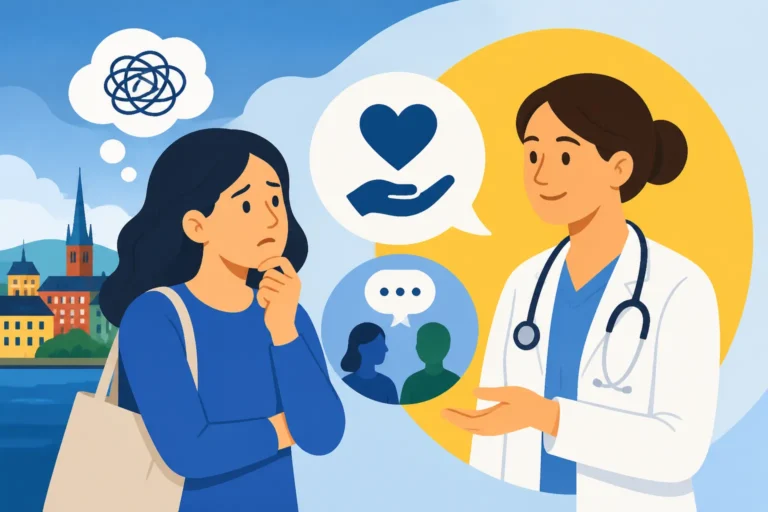
For many expats, the language barrier is a major hurdle in group therapy. While most Swedish medical professionals speak excellent English, the nuances of addiction recovery often require deep, emotional communication in your native tongue. If the public sector cannot provide an English-speaking group, you might use your Cigna Global coverage to see a private psychologist who specializes in addiction.
Private care doesn't always mean staying in a luxury villa. Often, it simply means paying a premium to see a specialist faster or to guarantee therapy in English. However, even if you go private for therapy, you may still need the public system for specialized medical procedures or long-term medication management.
Practical Tips for Success in the Swedish System
Navigating this journey requires patience and a bit of "system-savviness." Here are a few things I’ve learned from watching others go through the process:
- Get your BankID ready: Almost all communication with 1177 and the various health portals requires digital identification. If you don't have this yet, prioritize it.
- Request an interpreter: You have a legal right to a medical interpreter in Sweden. Even if your English is great, having a professional there to ensure no medical terms are misunderstood can reduce stress.
- Document everything: If you are applying for support through Social Services, keep a log of your contacts. The system is robust, but things can occasionally slip through the cracks during regional handovers.
- Join expat groups: Sometimes the best advice comes from those who have walked the path before. There are several "Expats in Sweden" groups where you can ask for recommendations for English-speaking AA meetings or private counselors.
- Be persistent: If you feel you aren't getting the right level of care, you can always request a second opinion or look into Choosing and Switching Your Vårdcentral Through Vårdval to find a clinic that better understands your needs.
Addiction is a medical condition, not a moral failing. In Sweden, the resources are there to help you rebuild, provided you know which doors to knock on. Whether you choose the public route via a Vårdcentral or leverage a private policy from SafetyWing, the most important thing is to start the conversation today.
Disclaimer
The information provided in this article is for educational and informational purposes only and does not constitute medical or legal advice. Sweden's healthcare regulations and municipal policies are subject to change. Always consult with a licensed medical professional or a qualified social worker regarding your specific situation and treatment options. In the event of a life-threatening emergency, call 112 immediately.