Can I Claim Back Money I Paid for Care Before Registering in Sweden?
You land in Arlanda with your life packed into four suitcases, full of hope, only to realize the bureaucratic wheels of the Swedish Tax Agency turn slower than a frozen bike chain in Kiruna. I’ve been there, staring at a 4,000 SEK invoice for a simple urgent care visit just because my Personnummer was still "pending." This guide breaks down whether you can reclaim medical expenses paid while you were still a ghost in the Swedish system.
The Reality of the Healthcare Transition Period
Moving to Sweden involves a period of administrative invisibility. Between the day you arrive and the day you are finally entered into the population register (folkbokföring), you exist in a grey zone. During this time, you do not have the ten or twelve digits that unlock the subsidized world of Swedish socialized medicine. If you fall ill or have an accident during this window, you are often charged the "unregistered" rate, which is significantly higher than the standard patient fee.
The Swedish healthcare system is decentralized, managed by 21 different regions. Each region has its own rules, but they all share one common trait: they rely heavily on your Personnummer to apply subsidies. When you visit a clinic without one, the administrative staff often has no choice but to bill you as a "non-resident," which can cost thousands of kronor for even a basic consultation. Understanding How Sweden's Tax-Funded Healthcare Works: Regions, Costs, and Coverage is the first step in realizing why the system treats you as a tourist until your paperwork is finalized.
Many expats assume that once their residency is backdated to their arrival date, they can simply send their old receipts to the regional billing office and receive a refund. Unfortunately, the "system" rarely works that retroactively for public funds. The date that matters is the date you were actually registered, not necessarily the day you stepped off the plane. This gap is why veteran expats always stress the importance of having a bridge solution, such as Cigna Global, to cover costs that the Swedish state simply won't touch.
Retroactive Claims for EU and EEA Citizens
If you are moving from another EU/EEA country, your path to a refund is slightly clearer, though still far from simple. The European Health Insurance Card (EHIC) is your strongest weapon during the first few months. If you had a valid EHIC from your home country at the time of treatment, you should have been charged the same rate as a Swedish resident. If you weren't—perhaps because you didn't have the card on you or the clinic didn't accept it—you can often claim a reimbursement.
The process usually involves contacting the health authority in your home country rather than the Swedish region. You will need to provide the original receipts and proof that the care was medically necessary during a temporary stay. However, if you have already moved your "habitual residence" to Sweden, the EHIC becomes a bit of a legal grey area. This is why Using Your EHIC for Care While Settling Into Sweden is such a critical topic for newcomers to master before they need it.
In some cases, if you can prove you were entitled to Swedish healthcare at the time of the visit (for example, if your Personnummer was already issued but not yet in the clinic’s computer), you can appeal directly to the region's patient billing office (Patientavgiftsenheten). You will need to be persistent. Swedish bureaucracy is not inherently cruel, but it is deeply committed to its own rules. If you find yourself in this situation, having a plan like SafetyWing can save you the headache of fighting with a regional billing department for six months over a few hundred euros.
Challenges for Non-EU Residents and Expats
For those arriving from outside the EU—be it the US, India, or the UK—the situation is more precarious. Sweden is very strict: if you are not registered in the population register, the state does not consider itself responsible for your healthcare costs. This means that for the public system, there is effectively no "claiming back" money paid before your registration date. The moment you pay that high-cost invoice at the Vårdcentral, that money is generally gone from a public perspective.
This is a bitter pill to swallow when you’ve been told that Sweden has "free" healthcare. I remember the shock of seeing a bill for a minor infection that cost more than my first month's rent in a suburb of Gothenburg. This is precisely why Health Insurance Requirements for Non-EU Residence Permit Holders in Sweden exist; the Migration Agency often requires proof of insurance because they know the Swedish state won't cover you until you are fully in the system.
If you are working for a large multinational, check if your relocation package includes a health policy. If not, taking out a policy with Cigna Global before you move is the only way to ensure you can "claim back" expenses. With private insurance, you aren't claiming from the Swedish government; you are claiming from your provider, who is much more equipped to handle "pre-registration" scenarios than a local Swedish regional office.
Navigating Costs at the Vårdcentral
If you find yourself needing care and you still haven't received your ID card, you shouldn't avoid the doctor, but you should be prepared. You can absolutely Can I See a Doctor in Sweden Before I Get My Personnummer?, but the experience will be different. You will likely be asked to pay the full cost upfront.
To give you an idea of what to expect, the table below outlines the typical cost differences you might face while waiting for your registration to clear.
| Service Type | With Personnummer (Subsidized) | Without Personnummer (Full Cost) |
|---|---|---|
| General Practitioner Visit | 200 – 300 SEK | 1,500 – 3,000 SEK |
| Specialist Consultation | 350 – 400 SEK | 3,000 – 5,000 SEK |
| Emergency Room Visit | 400 SEK | 4,000+ SEK |
| Hospital Stay (per night) | 120 SEK | 10,000+ SEK |
As you can see, the difference is staggering. This is because the What Does a GP Visit Cost at a Swedish Vårdcentral? is only low for you because the region pays the remaining 90% of the bill behind the scenes. Without that registration link, you are responsible for the whole amount. If you have SafetyWing, you can often pay these bills and then submit the receipt for reimbursement, effectively "claiming back" the difference that the Swedish state won't provide.
The Role of Private Insurance as a Bridge
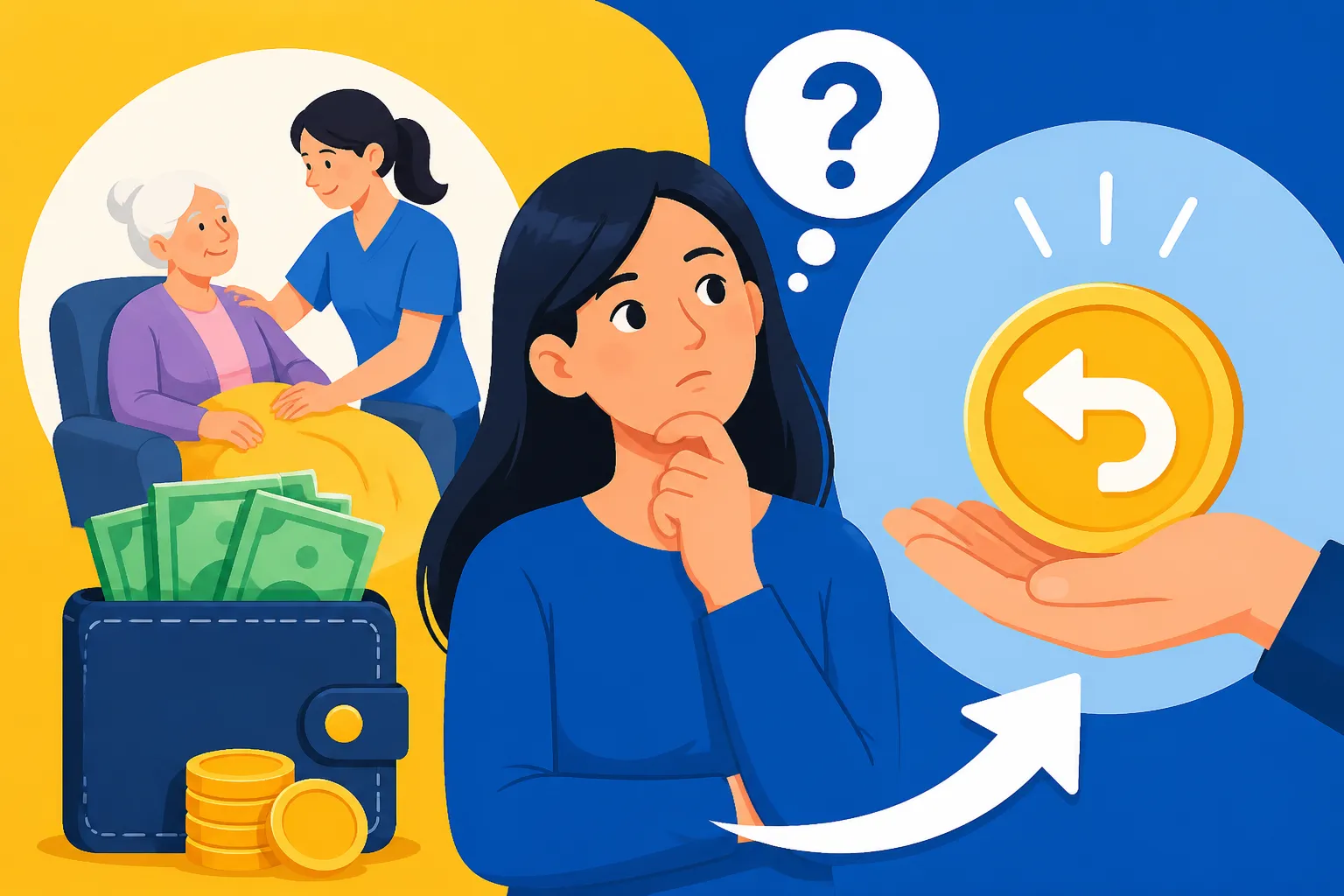
For the veteran expat, private insurance isn't about skipping queues—it's about financial survival during the first six months. Brands like Cigna Global are designed for people in this exact transition. They understand that you are in a country with great healthcare but no current access to the subsidies. When you pay a large bill at a Swedish hospital, you send the documentation to your private insurer, and they reimburse you according to your policy.
This is often the only way to "claim back" money. The Swedish public system is not set up for "refunds" in the way a retail store is. Once a patient fee is paid into the regional coffers, it takes a monumental amount of paperwork to get it back, and "I hadn't received my Personnummer yet" is rarely accepted as a valid reason for a refund if the registration wasn't active on the day of service.
Using a service like SafetyWing during your move provides a safety net that the Swedish state simply doesn't offer to newcomers. It allows you to navigate the Emergency Medical Care in Sweden: 112, Akutmottagning, and Urgent Help systems without the looming fear of a 50,000 SEK bill for an appendectomy that happens two weeks before your Skatteverket appointment.
How to Handle Receipts and Documentation
If you are determined to try and claim money back—either from a private insurer, your home country's health service, or a Swedish region—documentation is everything. Swedish medical receipts are often quite detailed, but you must ensure they include the "patientavgift" (patient fee) breakdown and the "org.nr" (organization number) of the clinic.
- Keep Every Paper: Do not throw away any invoices or payment confirmations. In Sweden, digital "Kivra" mail is common, so check your digital mailbox as well.
- Request a Detailed Medical Report: If you are claiming from private insurance like Cigna Global, they may need a brief note from the doctor explaining the diagnosis.
- Proof of Application: Keep a copy of your application to Skatteverket. If you are arguing with a region about a bill, showing that you had already applied for your Personnummer at the time of the visit can sometimes (though rarely) move the needle.
- Register with the Social Insurance Agency: As soon as you can, ensure you are Registering with Försäkringskassan: When and Why You Need To. They are the agency that handles many benefits, and while they don't usually refund doctor visits, they are essential for your long-term health coverage.
Exceptional Circumstances for Reimbursement
There are a few very specific scenarios where you might actually get money back from a Swedish region. One is if you were overcharged due to an administrative error—for example, if you actually have a "limited" right to care under a specific treaty that the receptionist wasn't aware of. Another is if you have already reached The Högkostnadsskydd Explained: Sweden's Healthcare Cost Ceiling and Frikort and were accidentally charged again.
In these cases, you don't talk to the doctor; you talk to the regional "Ekonomiservice" or "Fakturaservice." Be prepared for a long wait on the phone and a request to send in physical copies of your bank statements showing the payment. It is a slow process that requires a lot of patience and, ideally, a bit of Swedish language help.
For most people, the "claim back" happens at the end of the year through their own private insurance provider. If you've been paying for a policy with SafetyWing, you can often consolidate your claims. This is much more efficient than trying to get a refund from a Swedish regional government that is currently struggling with its own budget deficits.
Final Steps After Getting Your Personnummer
Once that beautiful letter arrives from Skatteverket with your personal identity number, your relationship with healthcare costs changes overnight. You are no longer a guest; you are a participant. At this point, any further expenses you incur will contribute toward your "high-cost protection" limit.
The struggle to Getting Your Personnummer: The Gateway to Swedish Healthcare is the hardest part of moving to Sweden. Once you have it, you can stop worrying about high-cost invoices and start focusing on your health. However, don't expect the system to automatically look back and fix the bills you paid before that date. The system is forward-looking.
If you are still in the waiting phase, treat your private insurance as your primary coverage. It is the only reliable way to ensure that a sudden medical need doesn't drain your relocation savings. Sweden is a wonderful place to live, and the Healthcare in Sweden for Foreign Residents: The Complete System Guide (2027) is world-class, but the entry gates are narrow. Protect yourself with a solid bridge policy until you are safely through.
Disclaimer
This article is for informational purposes only and does not constitute legal or professional medical advice. Healthcare regulations and reimbursement policies in Sweden can change frequently. Always consult with the Swedish Social Insurance Agency (Försäkringskassan), your local regional health authority, or a qualified legal professional regarding your specific situation.